Aman Resorts Gave Us Another Alpine Hotel To Add to the Bucket List
Spoiler alert: it’s beautiful. But that almost feels beside the point. You don’t go to Aman expecting to be surprised by aesthetics. This is the same group that’s quietly built some of the most considered luxury escapes in the world, from the Utah desert to a private Adriatic island. Niseko is simply the latest place where that philosophy is being applied.
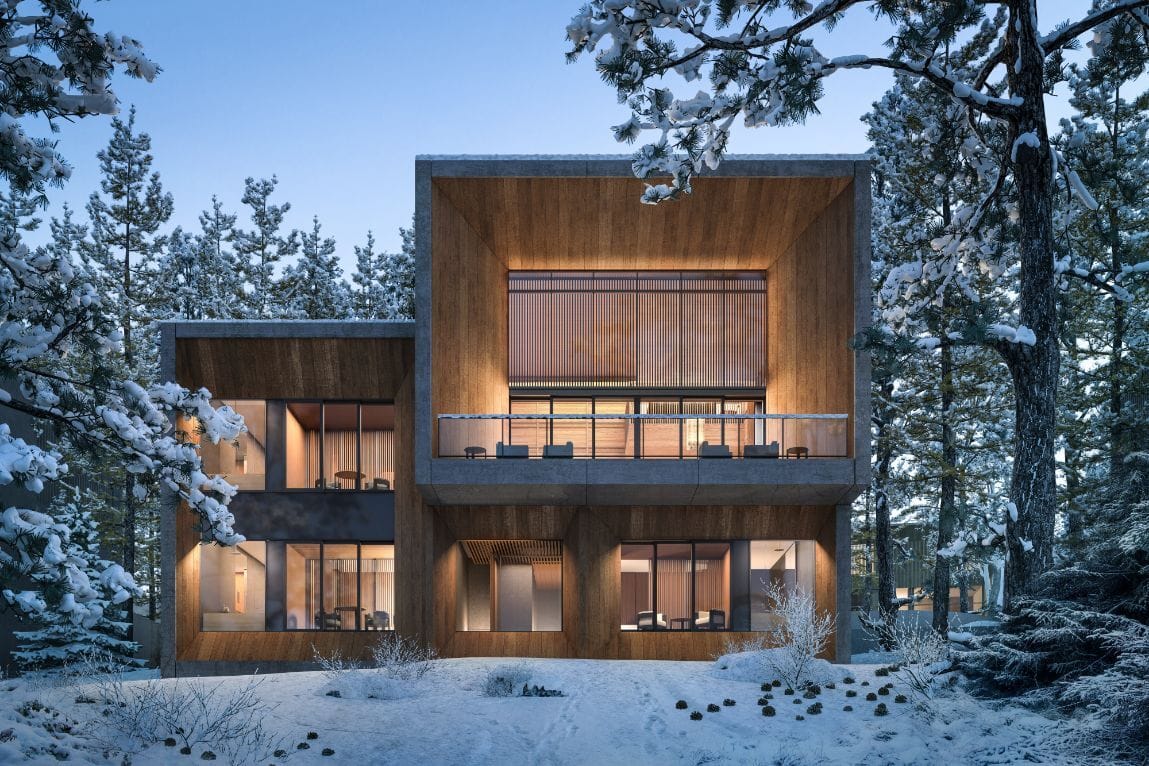
What makes Aman Niseko interesting isn’t that it’s another high-end resort in Japan. It’s how it exists there. Set into the slopes of Mount Moiwa in Hokkaido, inside a protected nature reserve, the property was designed by Kerry Hill Architects, Aman's longtime collaborators when the brief is simple but difficult: make the building feel like it already belongs.
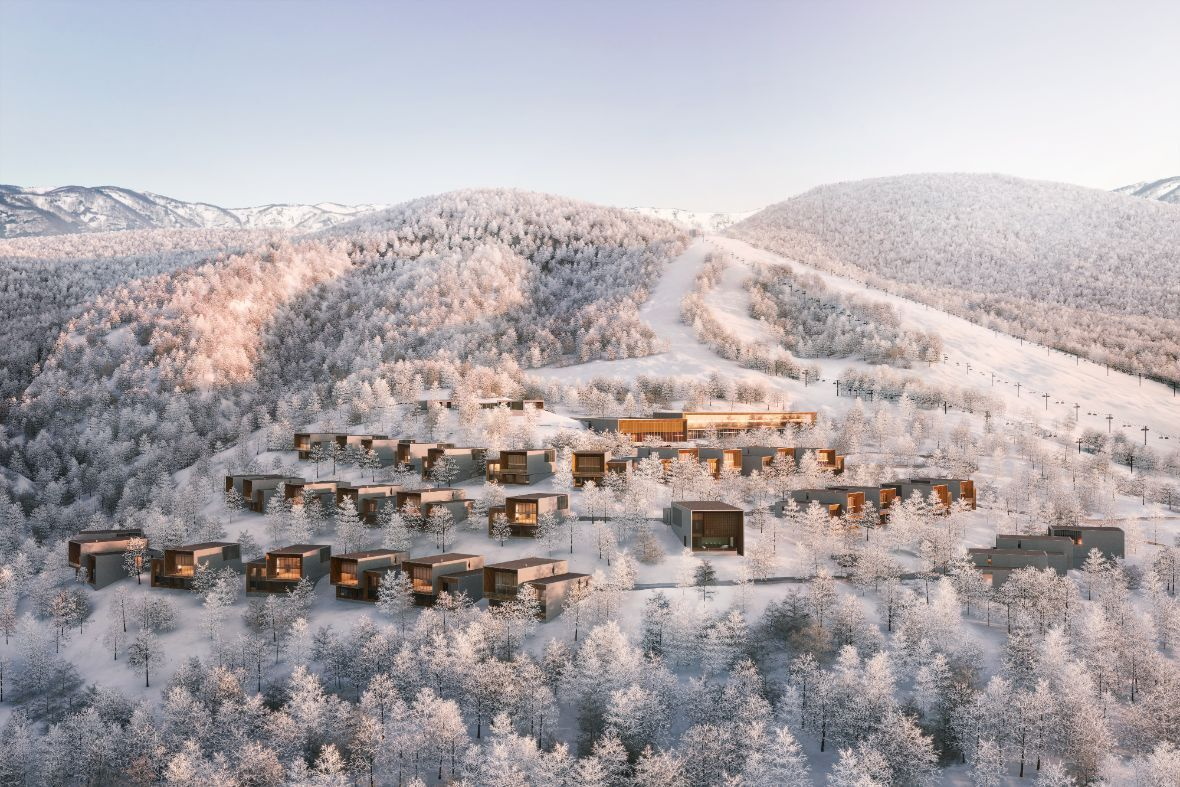
That shows up in the materials and the scale. Timber, stone, glass. Low-rise pavilions instead of towering statements. Architecture that yields to the terrain rather than competing with it. From the outside, the buildings feel carved out of the landscape instead of dropped onto it. Inside, wood and stone create warmth without theatricality, while subtle references to Ainu culture ground the project in its regional context without turning heritage into décor.
Aman often gets labeled as “quiet luxury,” but that framing misses what’s actually happening. This isn’t quiet because it’s restrained or minimal. It’s quiet because nothing is performing. The spaces don’t ask for attention, the service doesn’t announce itself, and the experience doesn’t need to be validated externally. Luxury, here, is something you’re allowed to keep to yourself.
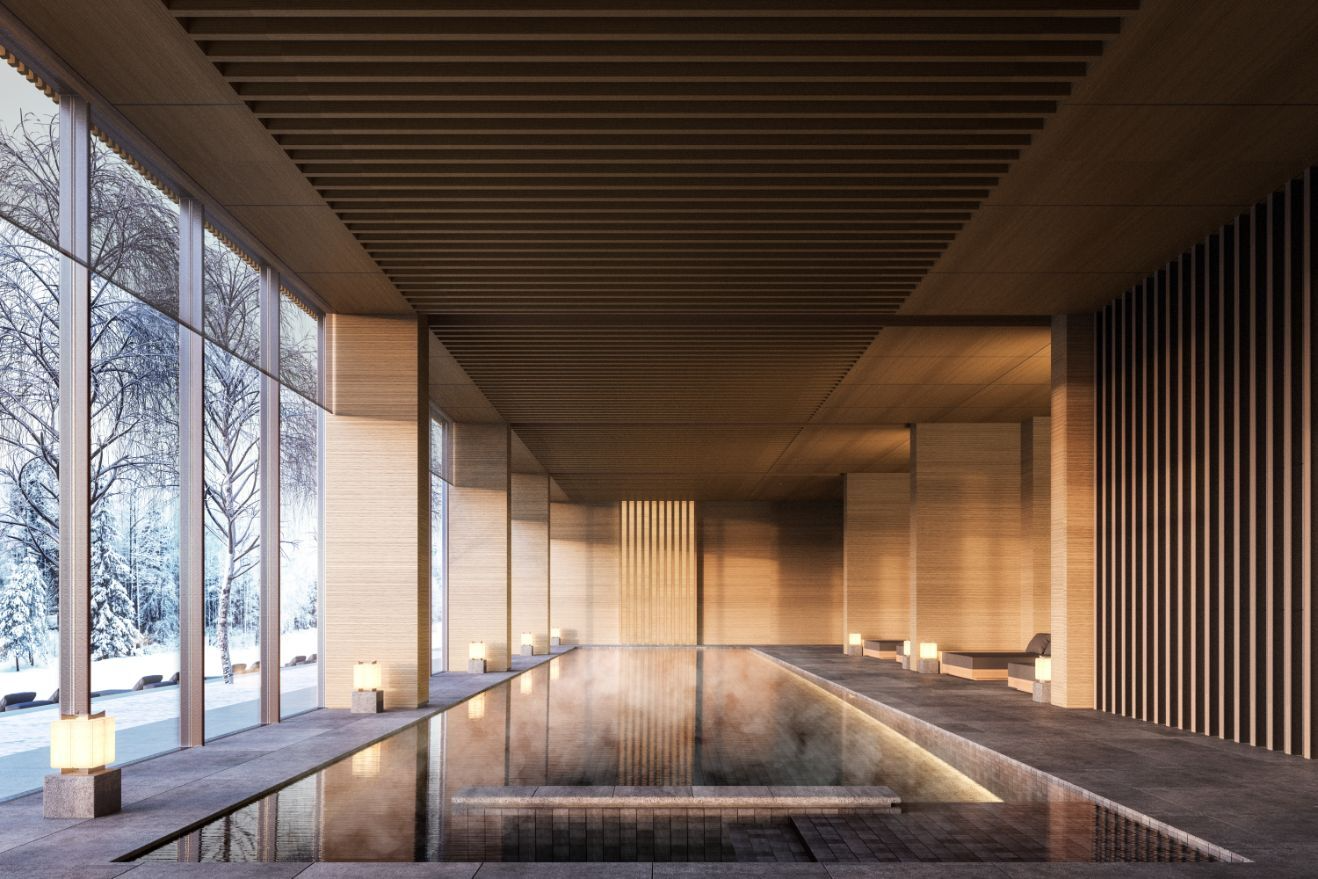
That philosophy extends to wellness, which sits at the center of Aman Niseko rather than off to the side. The spa pulls from Japanese traditions like Kampo medicine, shiatsu, and meditation, alongside hydrotherapy pools, onsens, and movement spaces designed for long-form use. It isn’t framed as a highlight or a feature. It’s just part of how time is meant to pass there, slowly, without optimization.
This approach makes sense when you look at how people with spending power are actually behaving right now. Luxury consumption has been drifting away from accumulation and toward experience, particularly among people who already own what they need. Travel, wellness, and dining have grown faster than many traditional luxury categories, not because they photograph well, but because they offer something harder to replicate: control over environment, silence, and time that isn’t being managed.
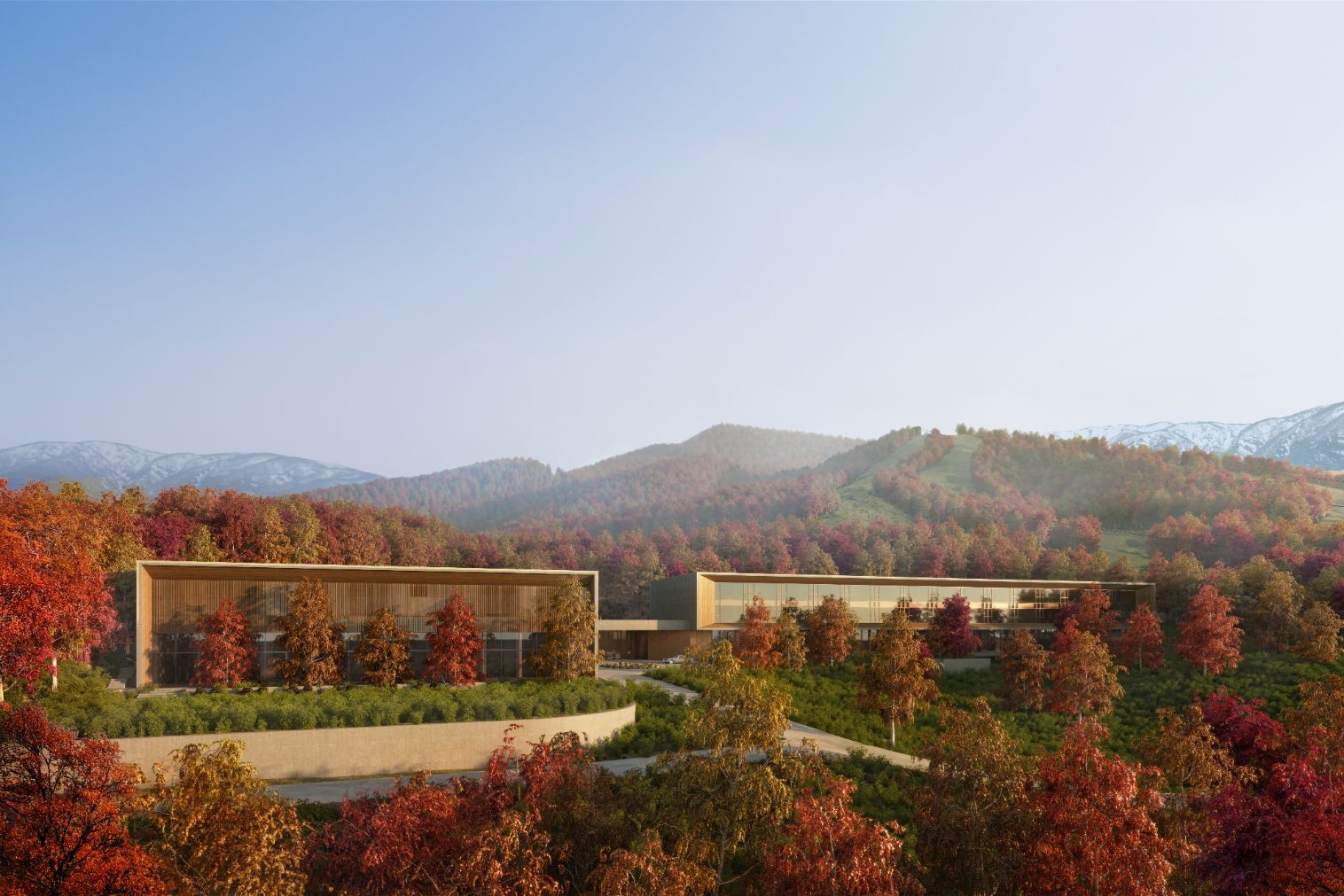
Aman has always operated comfortably in that lane. Most luxury hotels sell you spectacle. Aman sells you absence. Absence of noise, absence of branding, absence of the feeling that you’re being processed through an experience. Its properties are rarely “remote” in an adventurous sense, but they are insulated. Hillsides, deserts, forests, spiritual sites. You’re not there to see the destination. You’re there to disappear inside it.
Niseko fits neatly into that lineage. Beyond the resort itself, Aman is also offering a limited number of private residences, designed with the same logic as the hotel: privacy, proportion, and long-term use rather than exposure. They aren’t trophies or flex objects. They’re places built for people who want permanence without spectacle, access without noise.
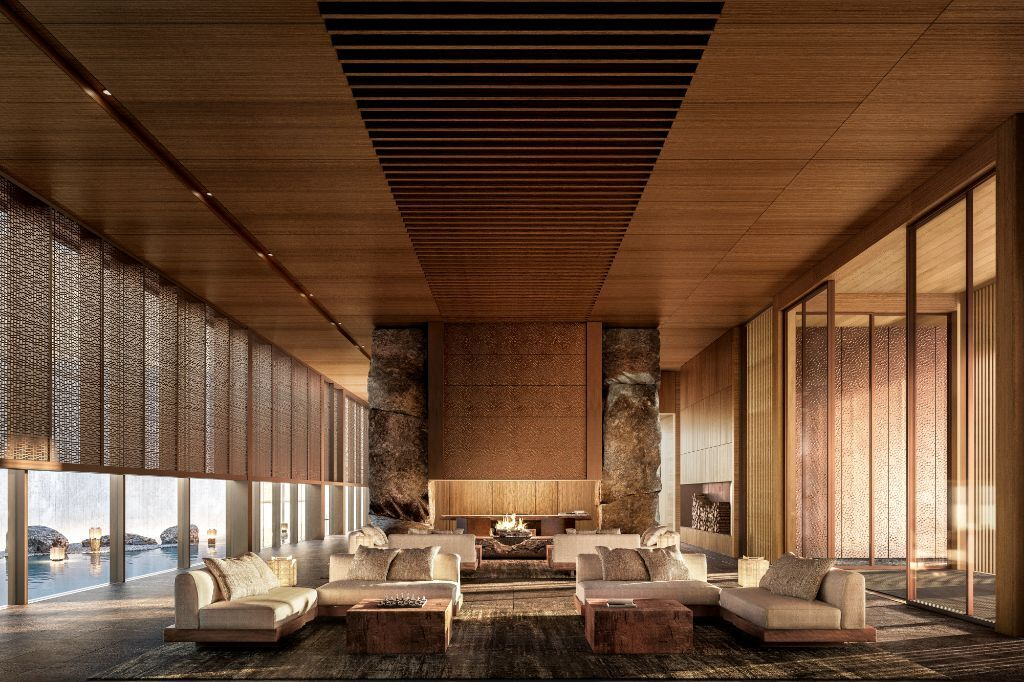
Taken together, Aman Niseko doesn’t feel like a new direction for the brand so much as a clearer expression of what Aman has always done well. In a moment where luxury is increasingly about how something makes you feel rather than what it signals, Aman feels less like a trend and more like a natural endpoint.
It isn’t trying to impress you. It’s trying to remove everything that gets in the way.