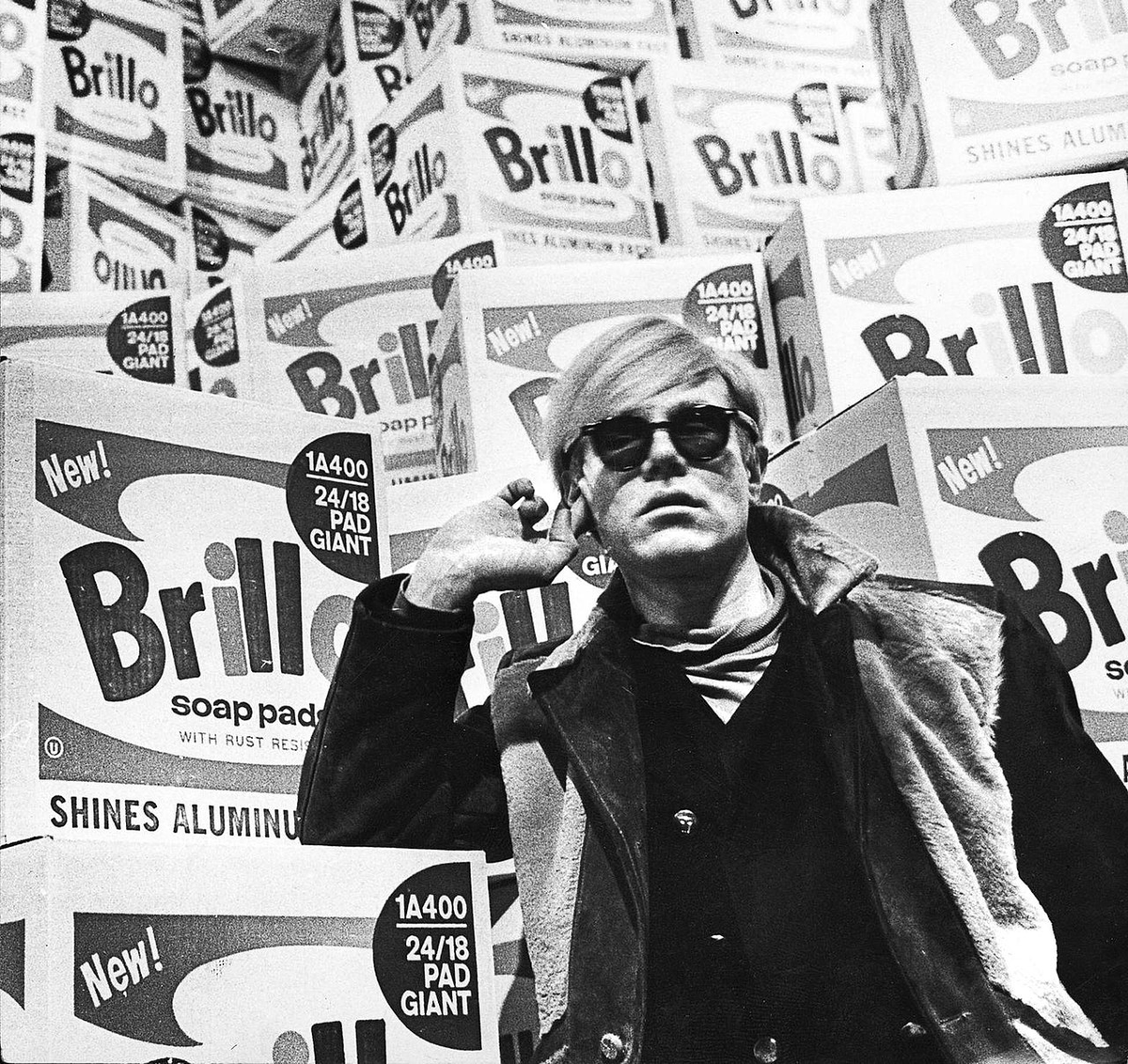
Andy Warhol Never Left
Andy Warhol hasn’t faded out of relevance. If anything, he has settled into something more durable than trend or revival. His work continues to break records, circulate freely, and feel structurally native to contemporary culture. That endurance becomes more interesting once you stop thinking of Warhol as a provocateur and start understanding him as infrastructure.
For a new generation of collectors, Warhol is not encountered as disruption. He is encountered as something already embedded in daily life. Ron Rivlin, founder and director of Revolver Gallery, puts it plainly: “Warhol isn’t encountered as interruption anymore. His imagery is familiar, his references are instantly legible, and his use of bright, high-contrast color aligns with the visual language people are already immersed in.”
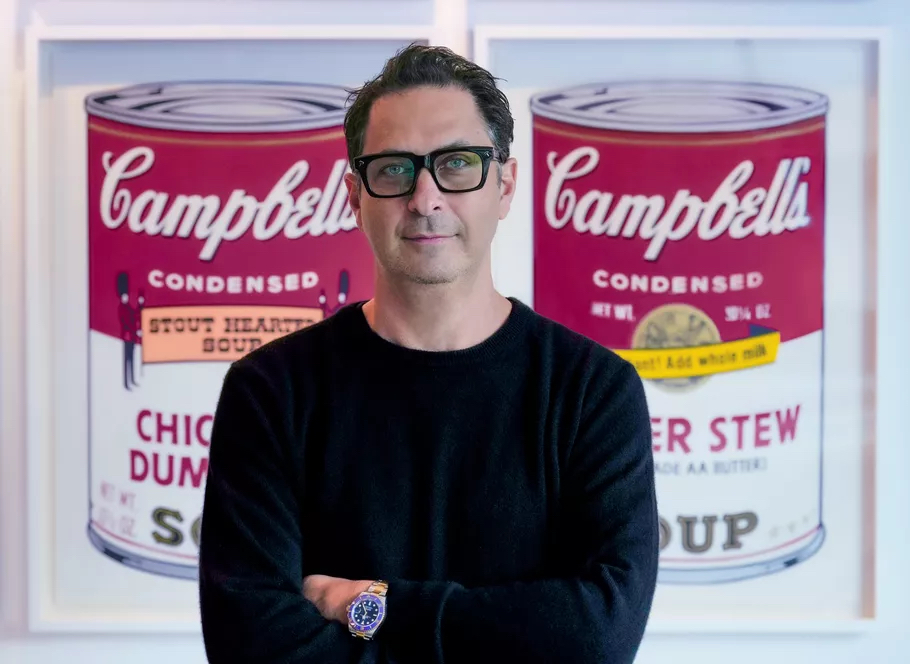
That shift matters. Warhol’s work no longer functions as a critique of mass culture from the outside. It operates as a mirror from within. In an era shaped by repetition, visibility, and shared reference points, his work reads less as commentary and more as confirmation. “Warhol thrives in a culture defined by repetition and collective consensus,” Rivlin says. “He’s no longer challenging the system. He’s part of it.”
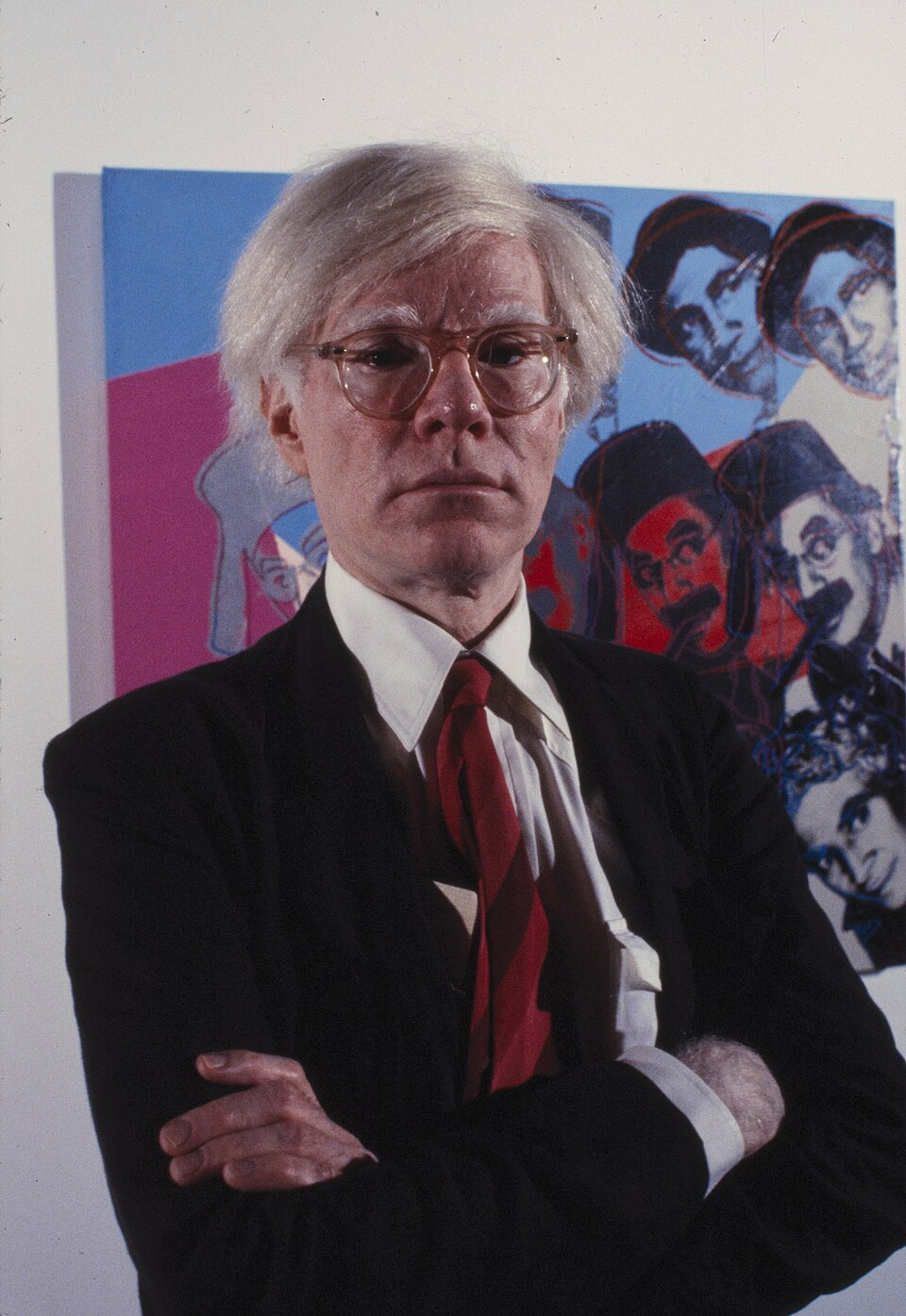
That embeddedness shows up clearly in how Warhol continues to circulate across luxury, fashion, and design without friction. Piaget’s decision to permanently rename its iconic Black Tie watch the Piaget Andy Warhol is not nostalgia or homage. It is a structural acknowledgment that Warhol’s taste and design instincts still frame contemporary luxury. The watch traces back to a Piaget Warhol owned and wore himself, but its continued relevance rests in how easily it sits alongside today’s dress watches, not outside them.

The same is true in fashion. Supreme has returned to Warhol imagery across multiple seasons, treating him as native visual language rather than borrowed history. Comme des Garçons has repeatedly folded Warhol into its avant-garde vocabulary, while Uniqlo’s long-running Andy Warhol Foundation releases circulate his work globally without diluting its cultural weight. These are not revivals. They are proof that Warhol’s imagery moves fluidly between high and low without losing coherence.
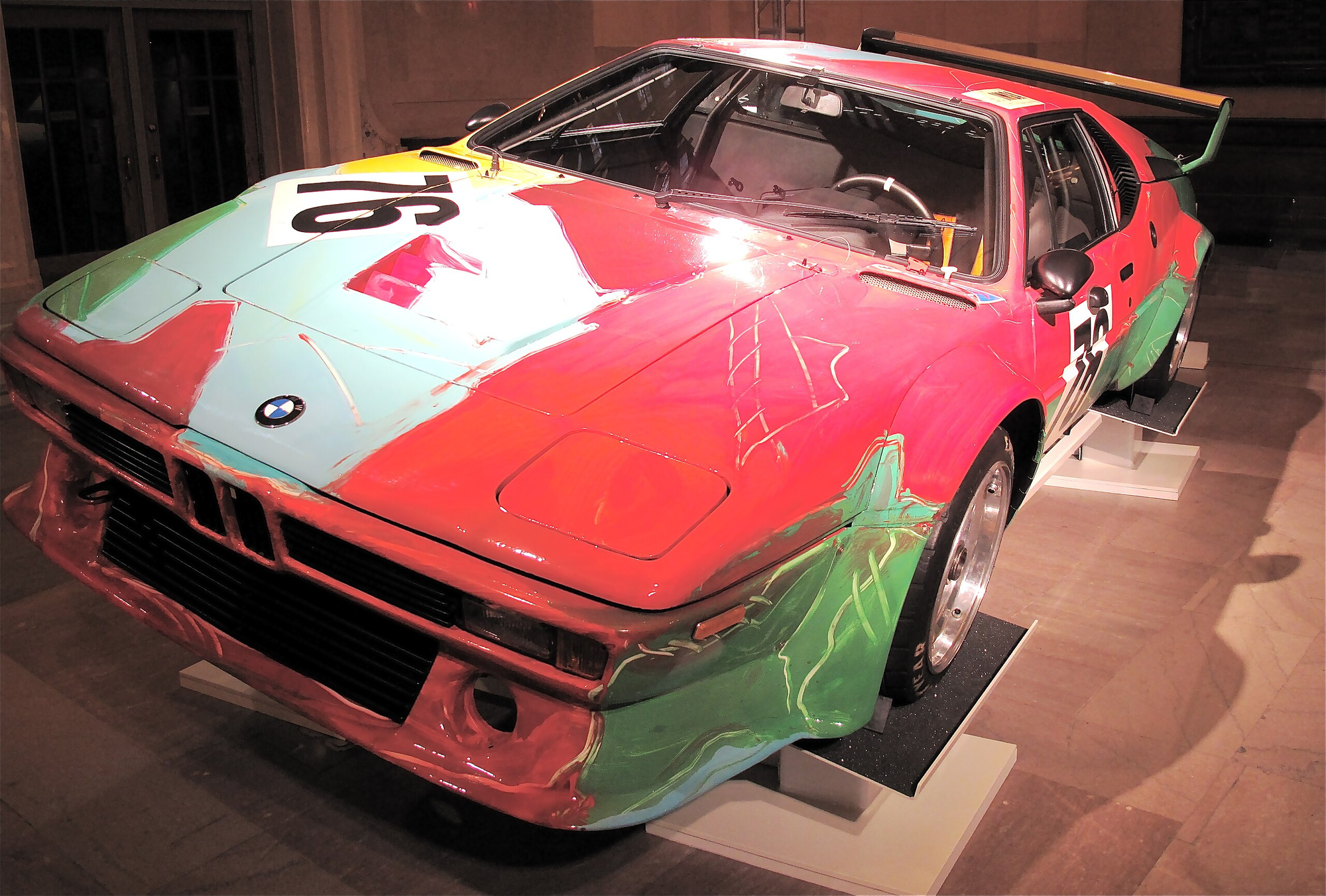
Rivlin’s gallery model reflects that same clarity. Revolver operates as a one-artist program at a moment when many galleries are diversifying out of necessity. For Rivlin, focus is not a constraint. It is a strength. “Warhol has one of the largest and most established collector bases of any artist,” he says. “That cultural and market gravity provides clarity and stability at a time when many are forced to spread thin just to stay agile.”
That stability also explains why Warhol often defies broader market volatility. His collector base is deep, global, and historically grounded. Warhol’s relevance does not depend on speculation cycles or short-term trends. It is reinforced by lived familiarity. “People grew up with these images,” Rivlin notes. “They’re tied to memory, media, celebrity, and identity. When buying becomes more intentional, collectors gravitate toward work that feels familiar yet endlessly layered.”
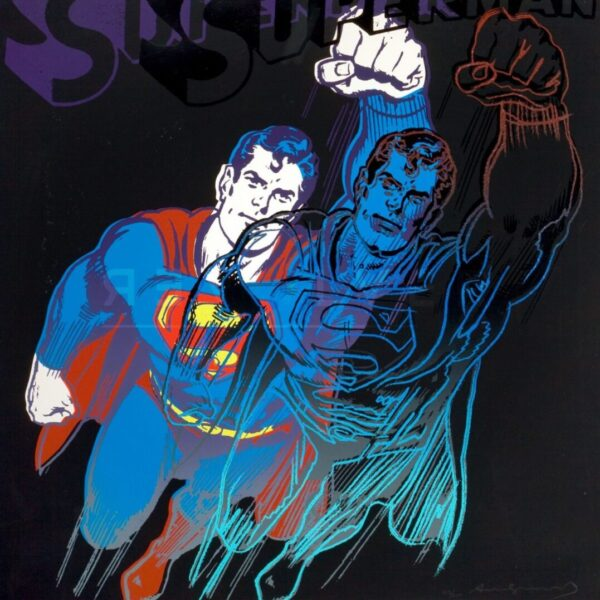
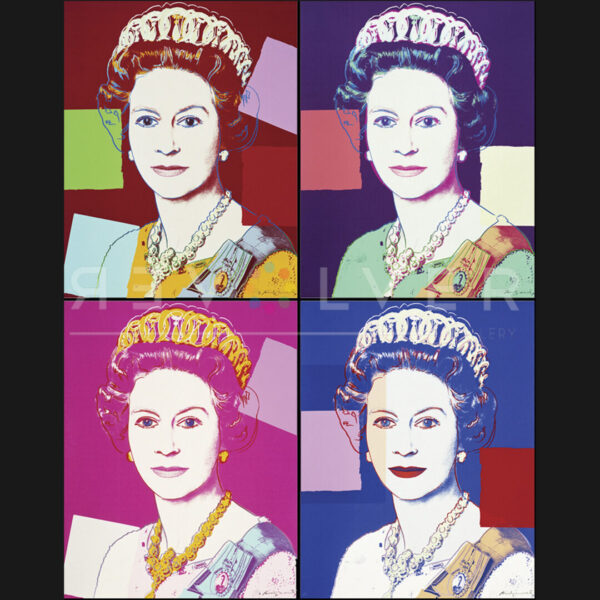
Access plays a central role here. Warhol’s work was born out of mass culture, repetition, and visibility. Treating it as precious through obscurity would betray its premise. Rivlin sees education as the true gatekeeper, not price or exclusivity. “If someone encounters Warhol for the first time through a free exhibition or a digital resource, that’s not lowering the bar,” he says. “It’s raising the level of understanding.”
This approach aligns with how younger collectors move today. Recent collecting surveys show that younger buyers prioritize meaning, identity, and long-term engagement over speed or volume. They move fluidly between art, watches, design, and fashion without seeing hard boundaries. Warhol anticipated that collapse decades ago. What once read as provocation now feels intuitive.
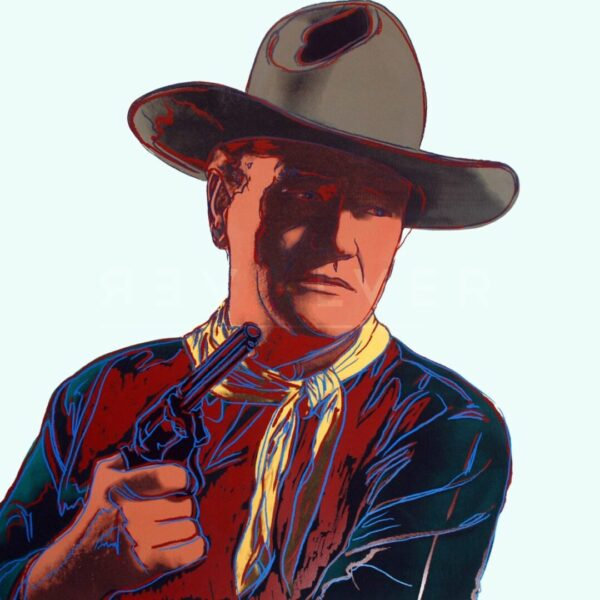
As speculative buying cools and attention shifts toward durability, Warhol’s position sharpens rather than softens. The casual, trend-driven buyer may step back, but the committed collector leans in. “Warhol doesn’t need reinvention to stay relevant,” Rivlin says. “He already contains contradiction, commercially and critically.”
That may be the clearest lesson Warhol offers galleries navigating the present moment. Longevity is not about constant reinvention or chasing platforms. It is about building work and experiences that remain emotionally legible across generations. Warhol achieved that by understanding how culture actually operates, then giving it a language it could recognize itself in.
More than half a century after the soup cans, Warhol’s work does not feel preserved. It feels active. Not because it keeps up with culture, but because culture keeps returning to the systems he made visible.