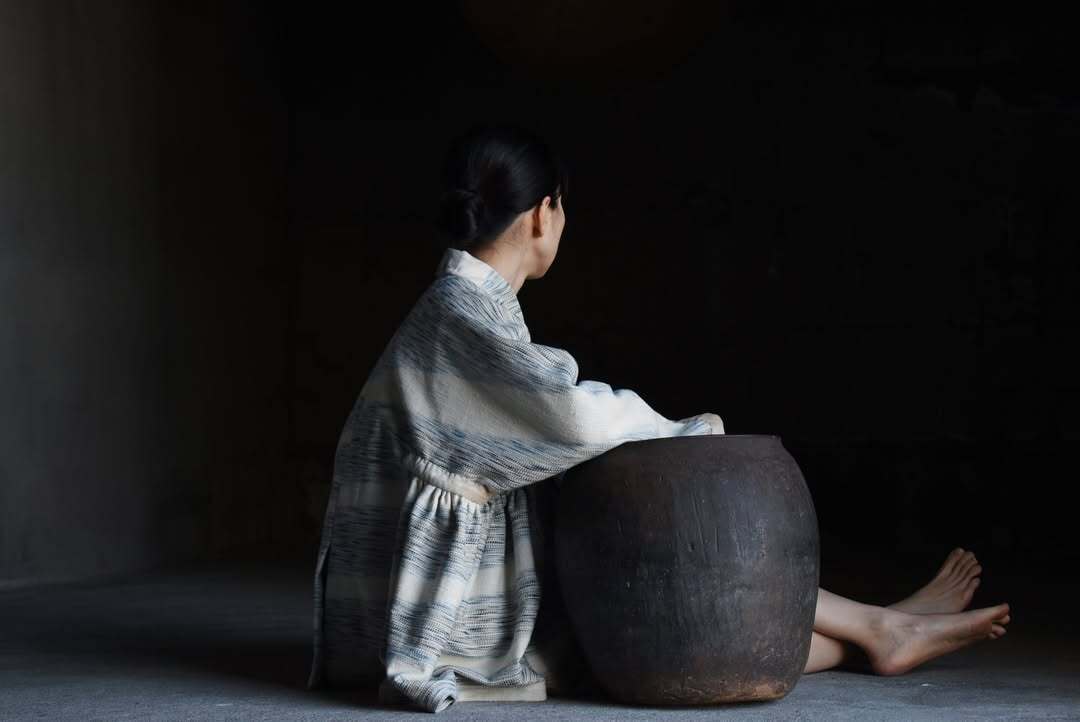
If You Care About Design, You’ll Get This Quiet Japanese Brand
Furnishing a home has never offered more choice, or less clarity. Every brand promises character. Every drop claims intention. Somewhere along the way, living spaces filled up with objects that explain themselves loudly and age poorly.
A quieter alternative has been hiding in plain sight. Apologia exists for people who are tired of decorating and ready to start anchoring.
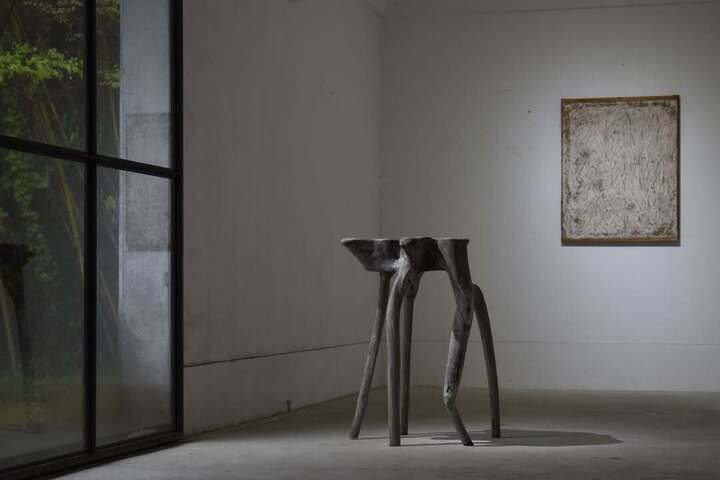
Located in rural Chiba, Apologia operates at a deliberate remove from trend cycles and retail noise. It opens selectively, moves slowly, and treats each object less like inventory and more like a decision about how to live. You don’t stumble into Apologia. You arrive because you’re looking for something that will hold up.
This isn’t an antique shop built on nostalgia. It’s a place that understands why old objects can feel unexpectedly fresh in contemporary homes: they already know how to hold space. They weren’t made to perform taste. They were made to be used, repaired, and relied on.
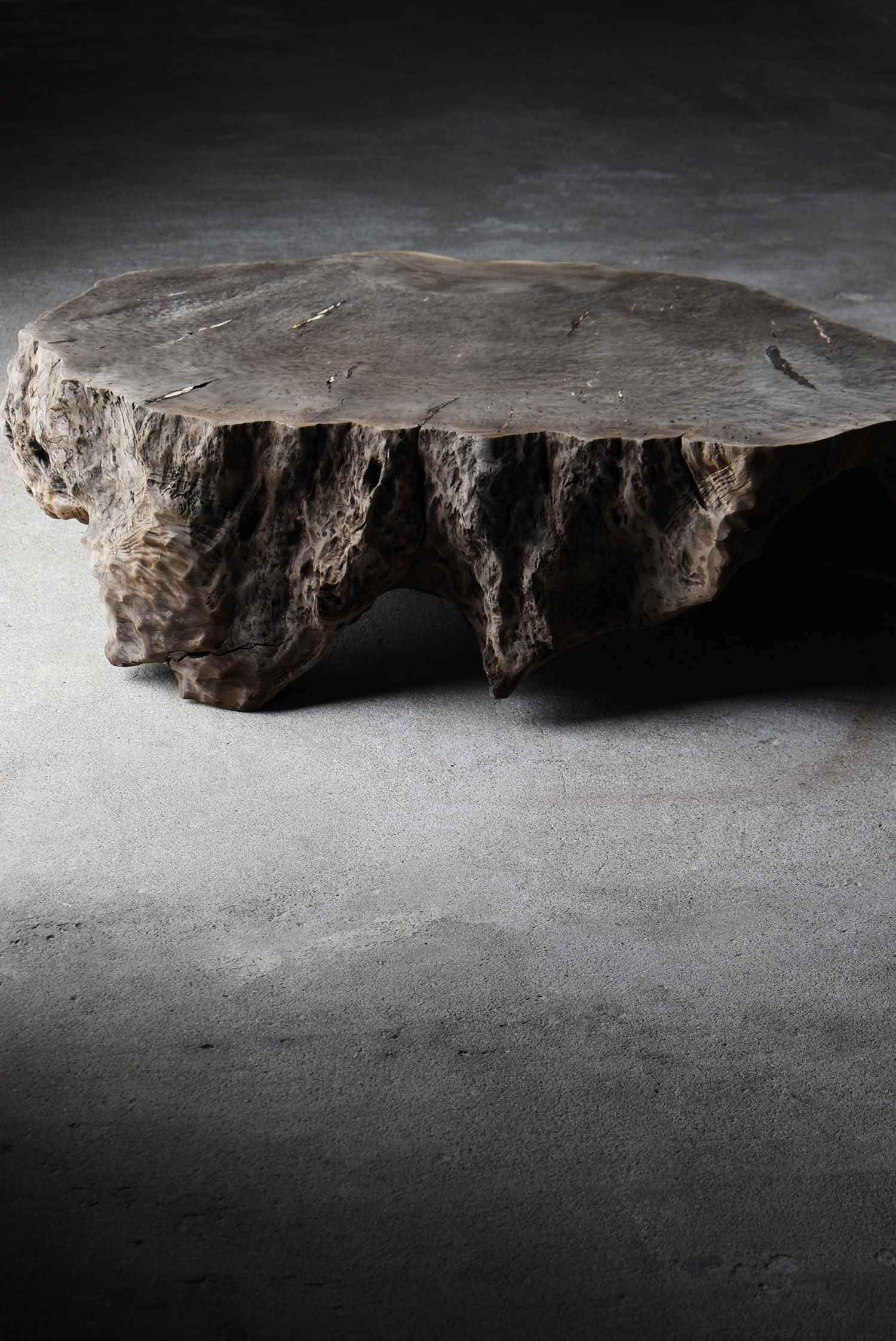
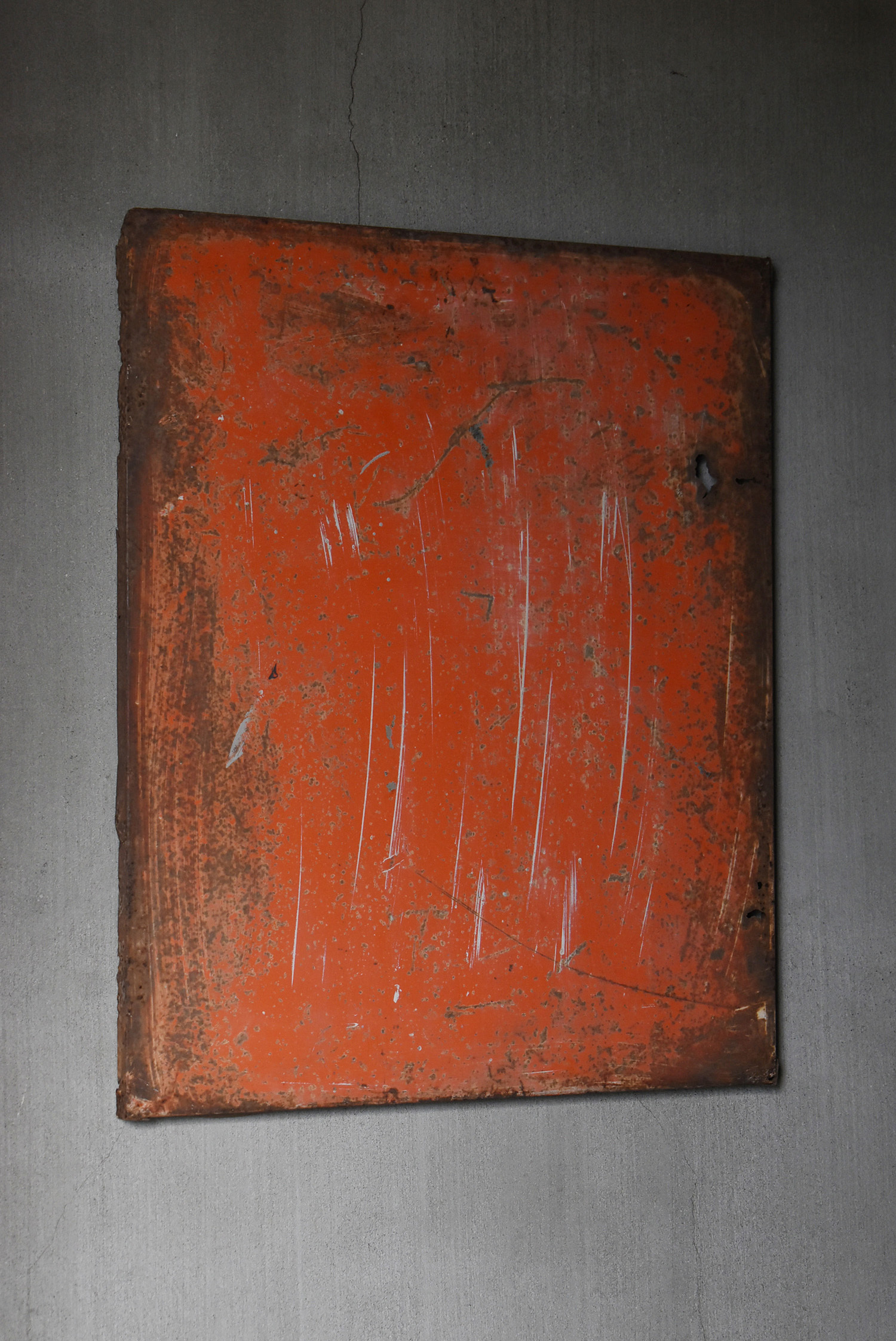
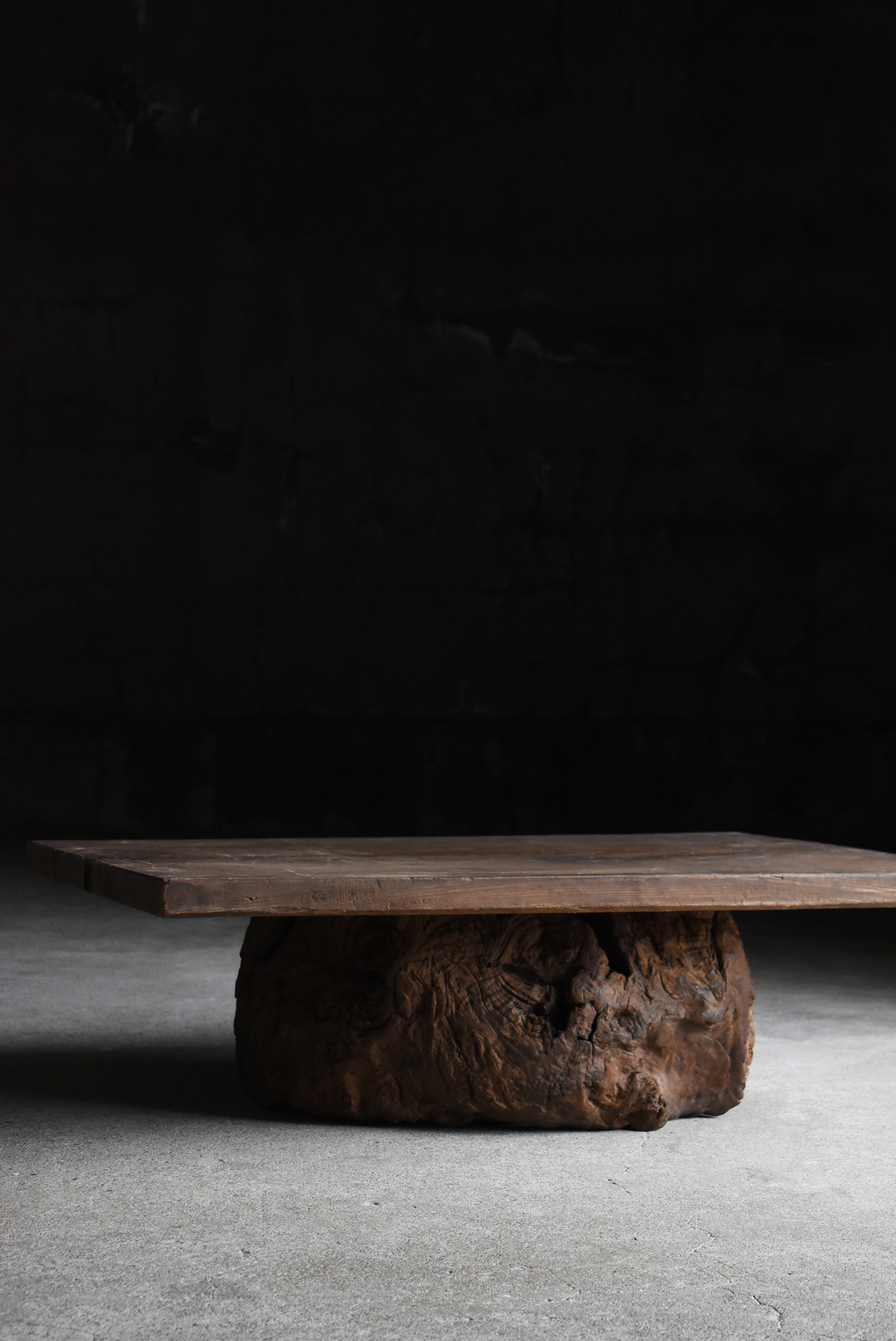
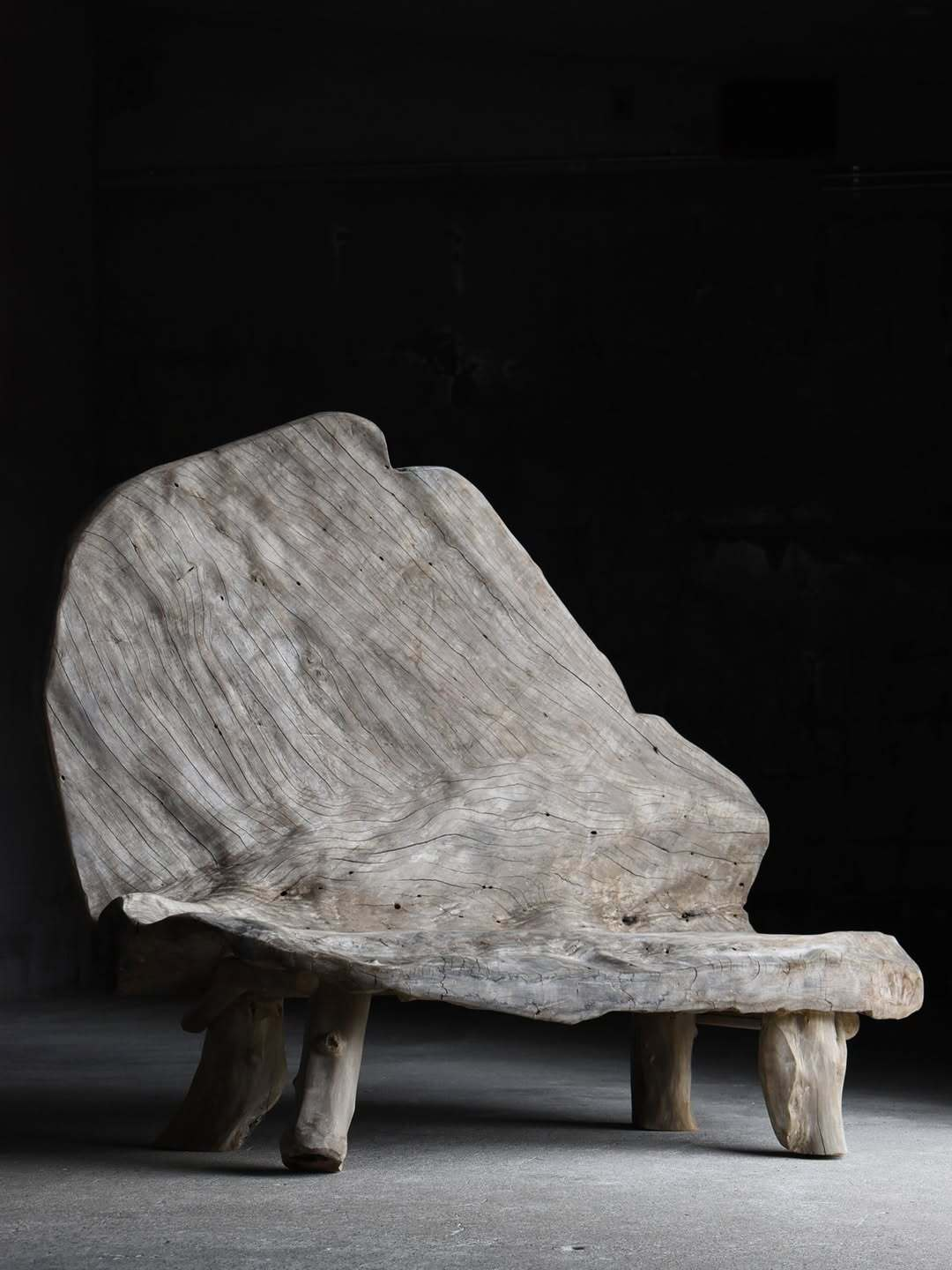
The name Apologia draws from Muneyoshi Yanagi’s idea that in unjust times, truth requires defense. Here, that truth lives in material. A primitive wooden bench from the Showa period reads less like furniture than a piece of terrain, shaped by necessity rather than design ambition. In a modern room, it doesn’t feel old. It feels resolved.
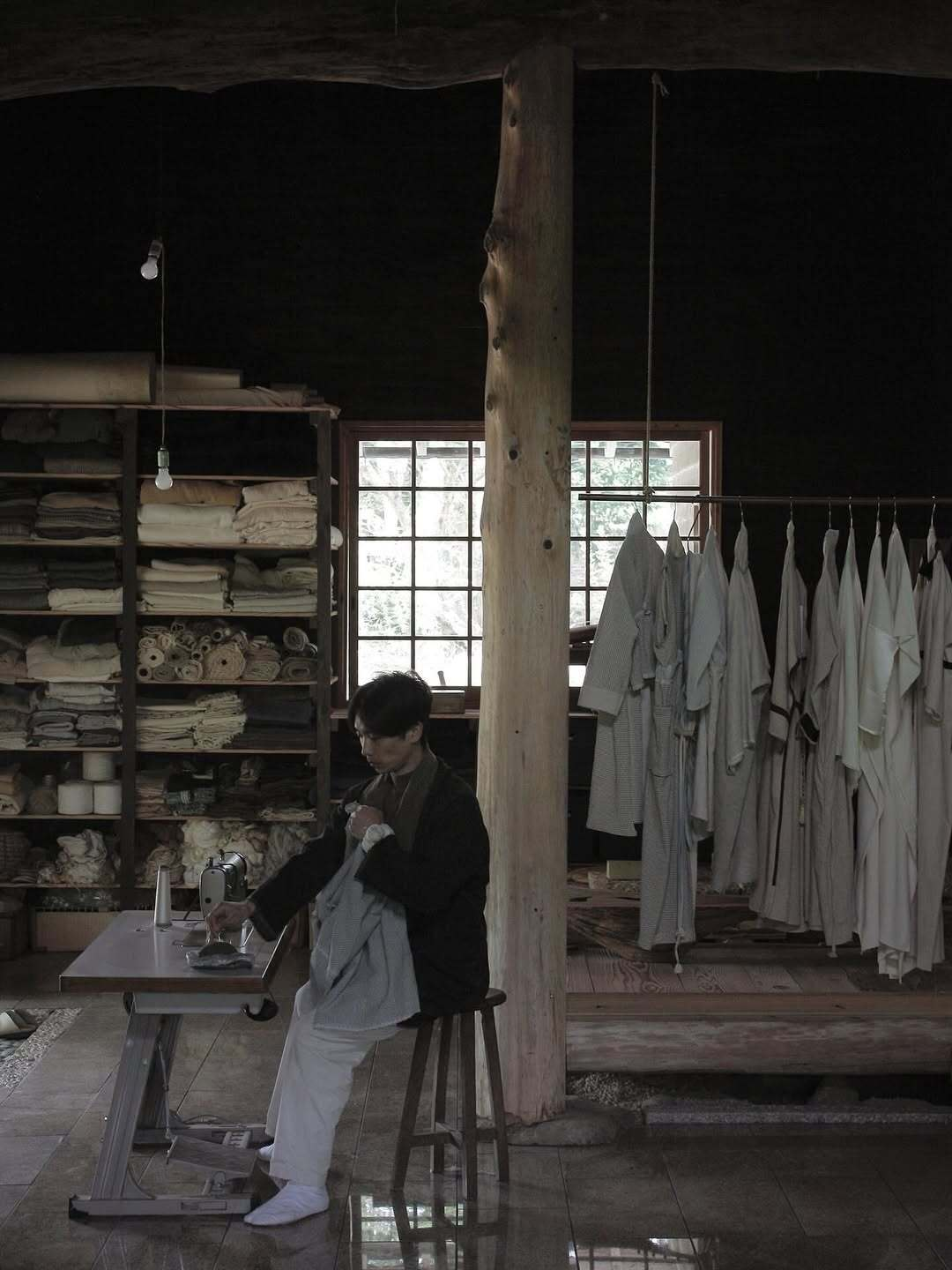
The same logic runs through the objects that pass through the space. A large Meiji-period boro textile hangs with the authority of a painting, its indigo fields and layered repairs formed through generations of use rather than intention. A paper-covered ceramic jar once used to preserve tea leaves reveals a surface shaped entirely by problem-solving: rope for reinforcement, paper for protection, texture as a byproduct. What appears sculptural today was simply practical then.
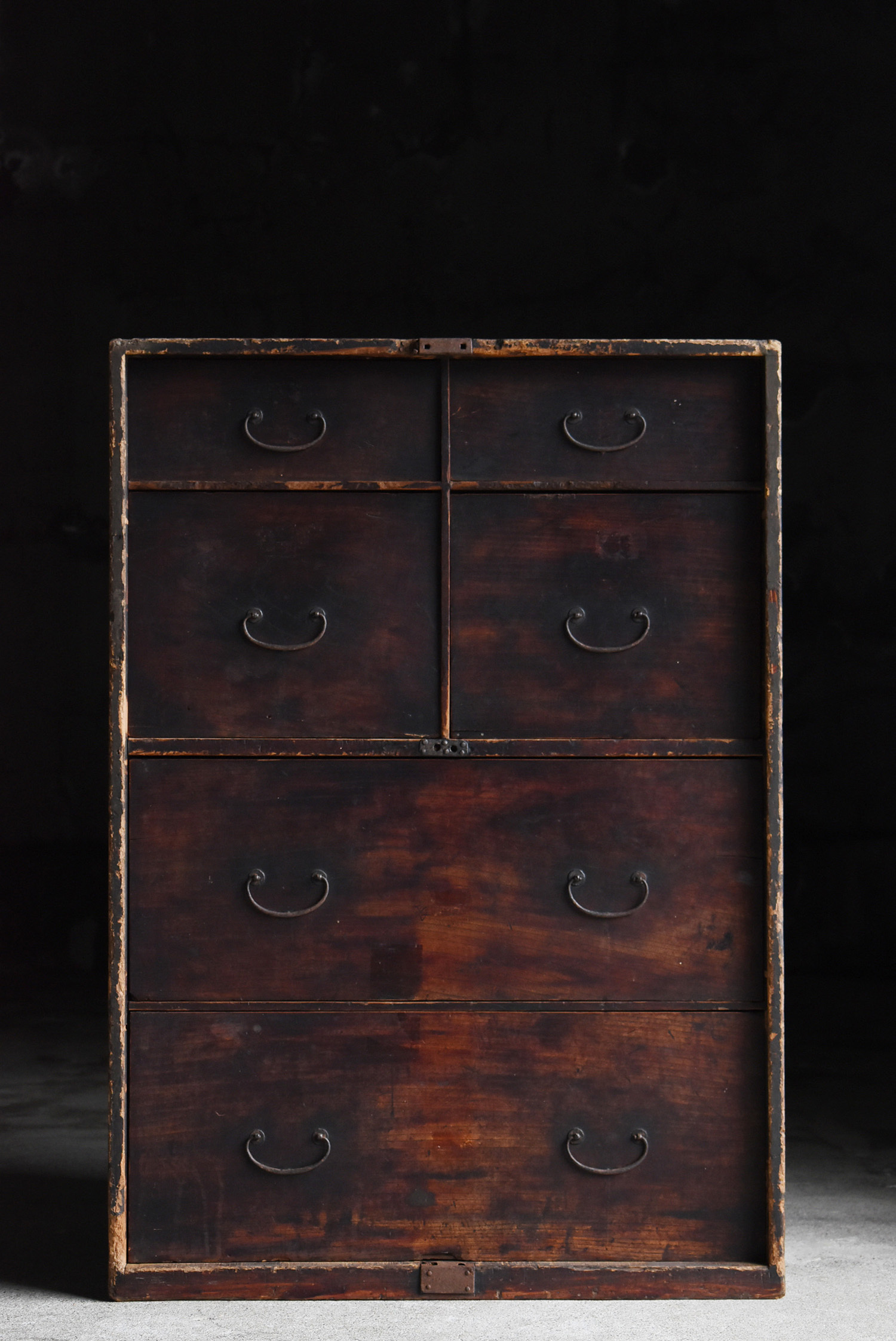
This is why Japanese antiques continue to matter. Many were built without the idea of display at all. They were made to survive daily life. In contemporary interiors, they don’t compete with architecture or art. They steady it.
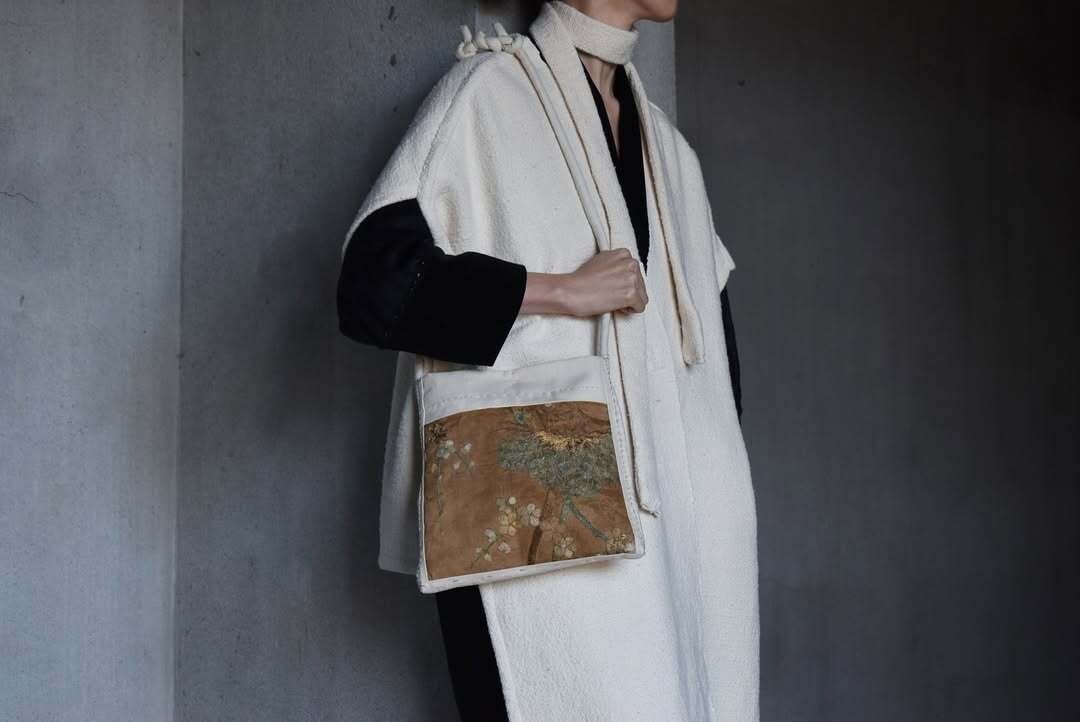
Apologia extends this thinking beyond antiques, inviting contemporary makers whose work carries the same sense of time, labor, and restraint. Clothing here is treated like objects: meant to be worn, encountered, and understood through touch, not trend cycles. Makers are present. Process is visible. Nothing is overly explained.
For people who curate across eras and disciplines, Apologia offers clarity. It’s not about Japanese style as an aesthetic, but as a way of relating to things with patience and care. The best place to begin is with something that already knows how to exist.