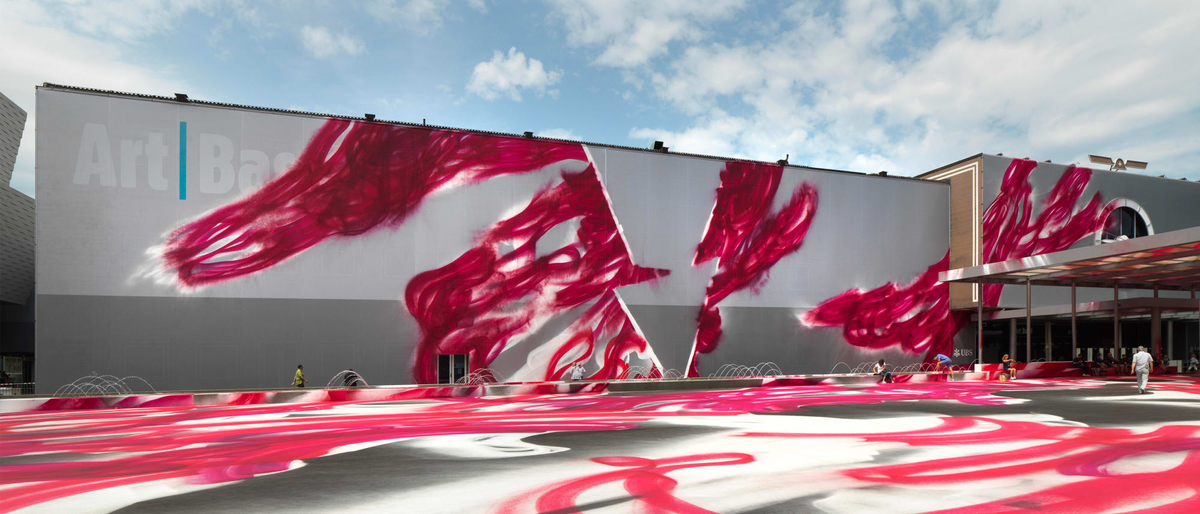
The Best Part of Art Basel Miami Isn’t on the Schedule
Art Basel Miami rarely announces itself all at once. It arrives in fragments. I got to Miami several days before the fairs opened, giving myself time to settle into the city’s rhythm before everything accelerated. What stood out early wasn’t scale or spectacle, but how often the week created space to slow down.
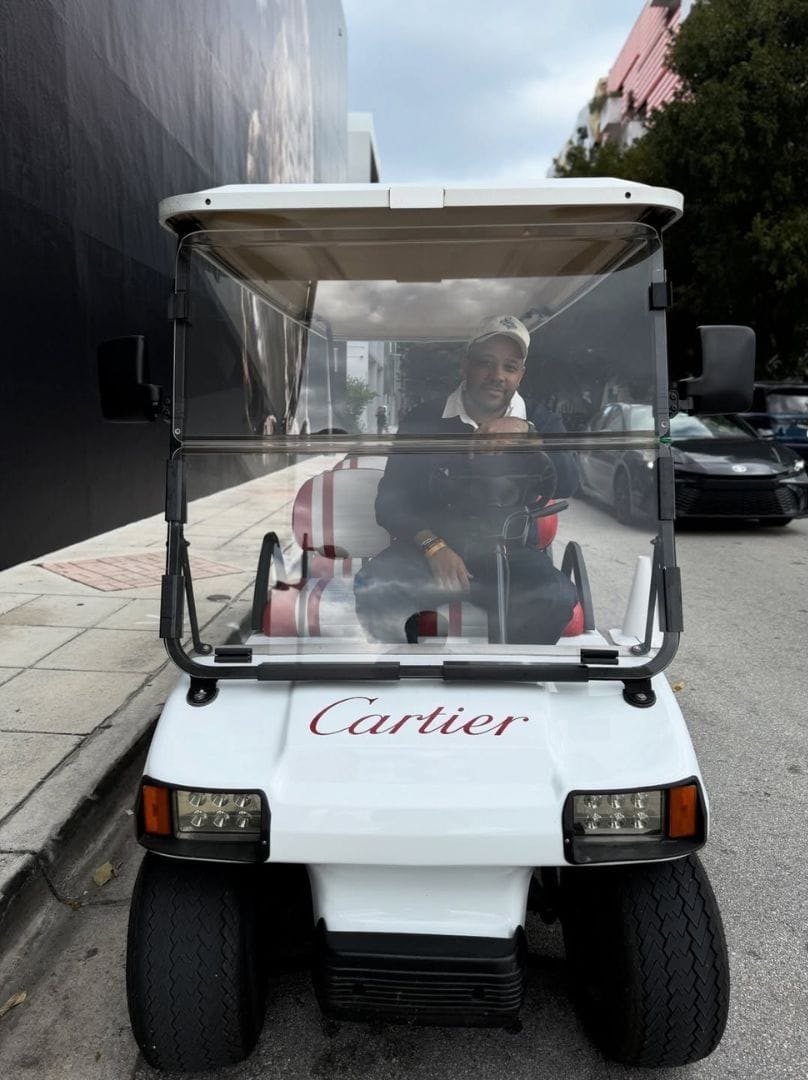
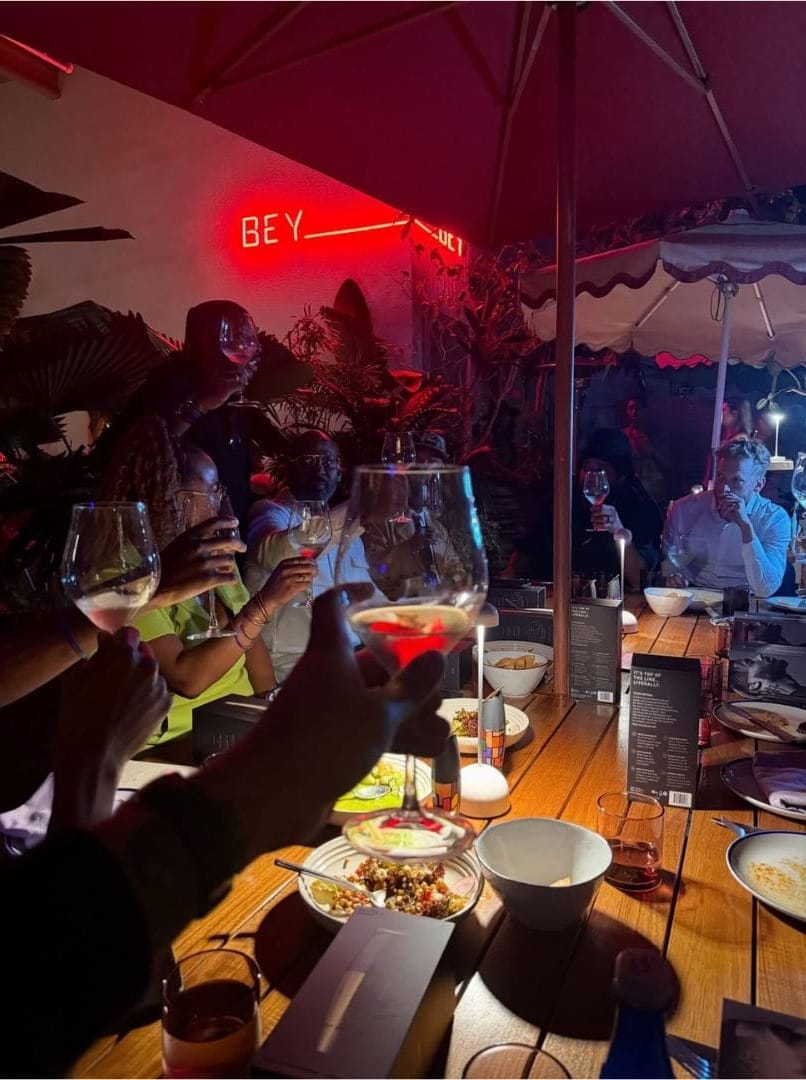
That rhythm first took shape around a dinner. At Las’Lap, the Caribbean-American restaurant and cocktail bar from Michael B. Jordan and Chef Kwame Onwuachi, warm air and dim light softened the room. Conversations moved easily between tables, layered with deep colors and richer flavors. The evening marked Cartier’s Panthère and the opening of Into the Wild, but what stayed with me was the feeling of the space itself. Intimate. Grounded. Culturally lived-in rather than staged.
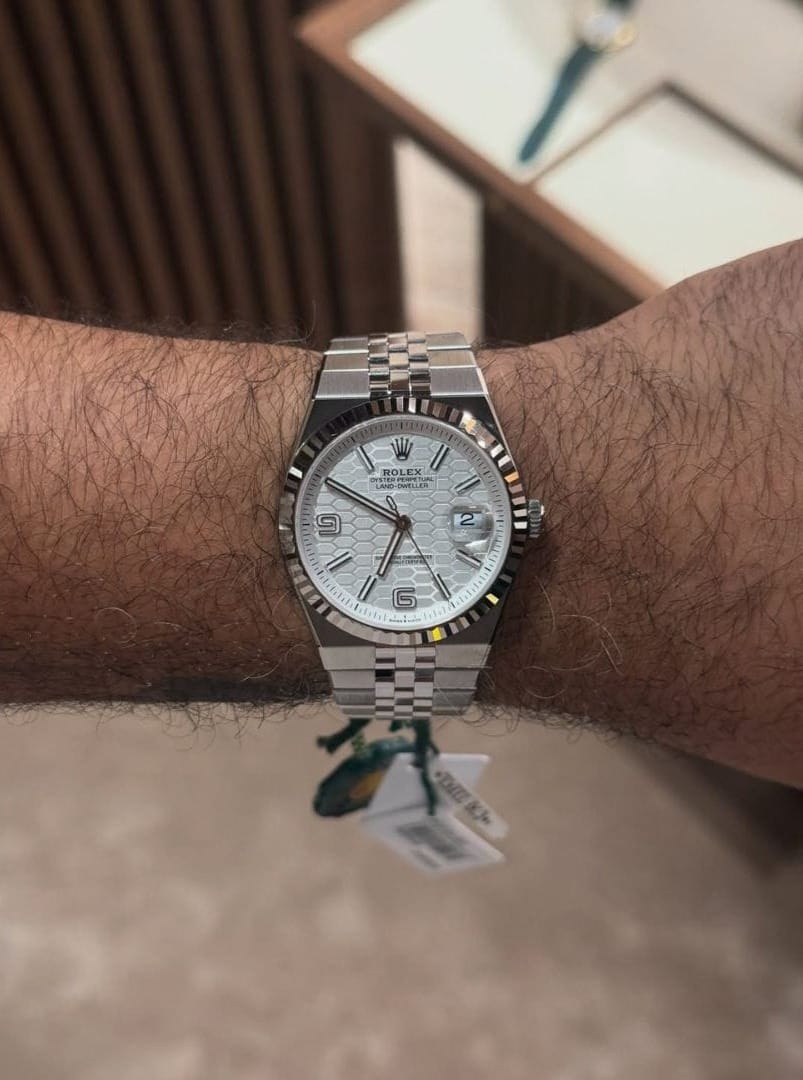
That sensibility surfaced again in quieter moments. A private visit to the new Rolex Boutique in the Miami Design District, arranged through my friend Lex Borrero, CEO and co-founder of NEON16, offered a pause from the street outside. Inside, everything slowed. Watches sat quietly in their cases. Conversations drifted toward time, intention, and proportion. Lex has always been drawn to movement with purpose rather than spectacle, and the space reflected that same way of thinking.
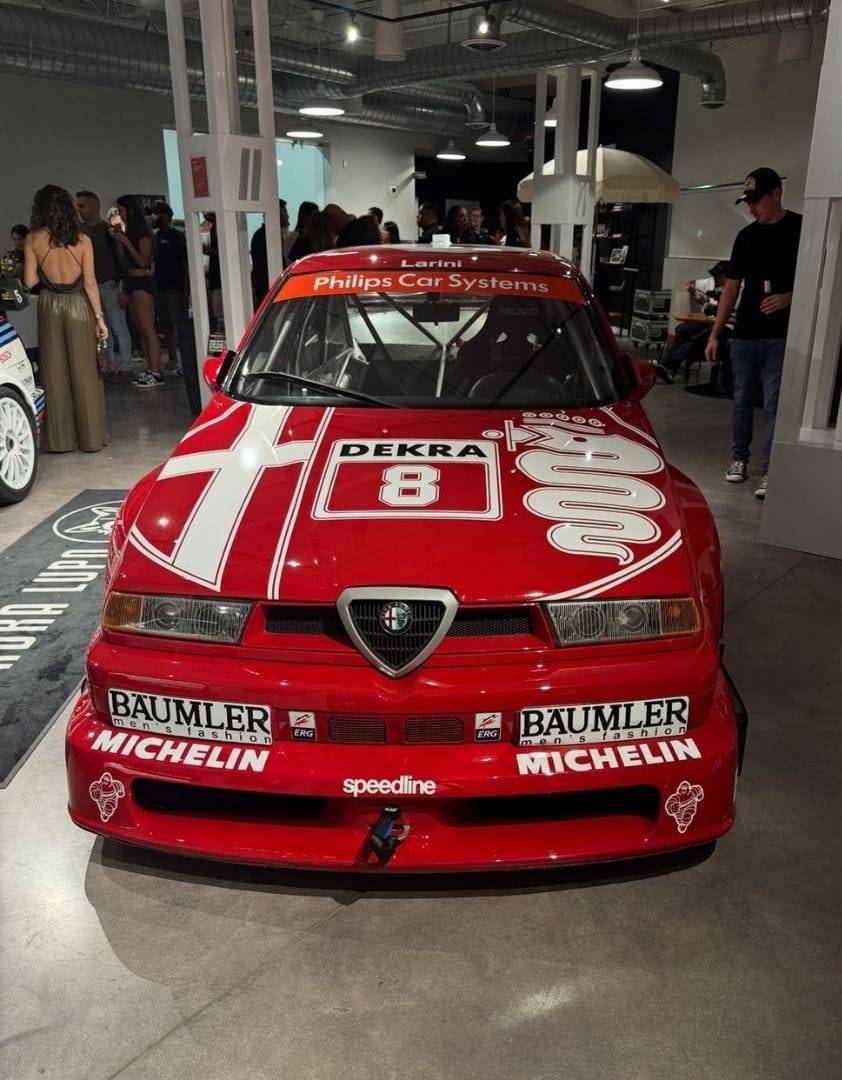
It carried over once more, this time through a different medium. At an Alfa Romeo event hosted by Hagerty, a platform that approaches automotive culture with a collector’s eye, polished metal caught the light as engines murmured in the background. The air held a faint mix of fuel and salt. Different objects, same language.
When the fairs opened, the city compressed. Miami Beach grew louder and brighter, the pace unmistakably faster. At Design Miami, Piaget anchored the day with a panel around its collaboration with the Andy Warhol estate, reissuing a watch inspired by one Warhol himself once owned. It felt less like a launch than a reflection, a reminder of Piaget’s long relationship with art as something personal and lived with, not simply displayed.
Wandering the fair afterward, I slowed my pace again. Sculptural furniture cast long shadows. Light fixtures glowed softly against white walls. The pieces that stayed with me were the ones that revealed themselves over time, objects that rewarded patience rather than demanded attention.
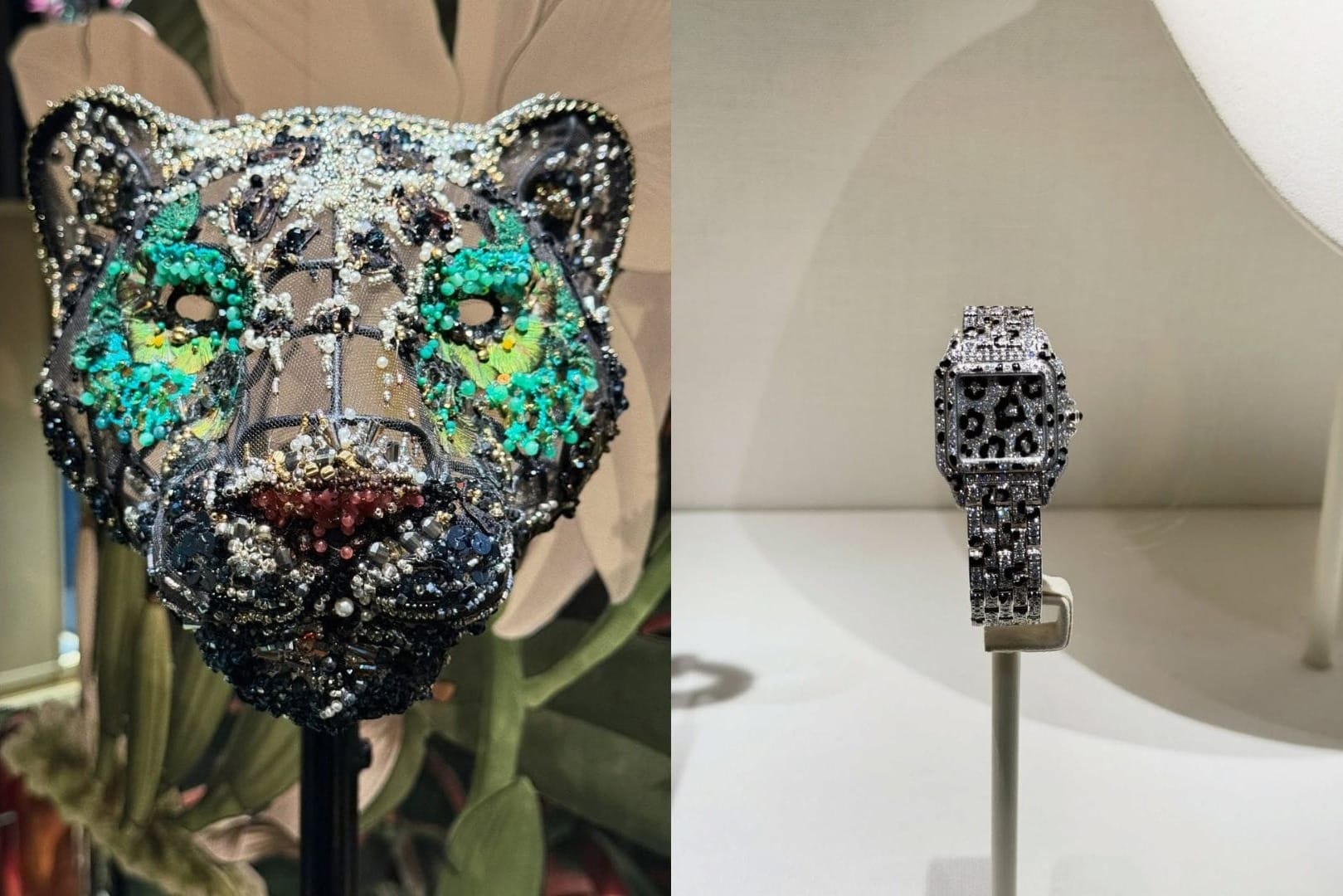
Back in the Design District, Cartier’s Into the Wild experience unfolded like a carefully paced narrative. Costumes, archival references, and hand-crafted high jewelry moved together with clarity. There was drama, but no excess. Craftsmanship without noise. The kind of space that encourages looking closely instead of scanning.
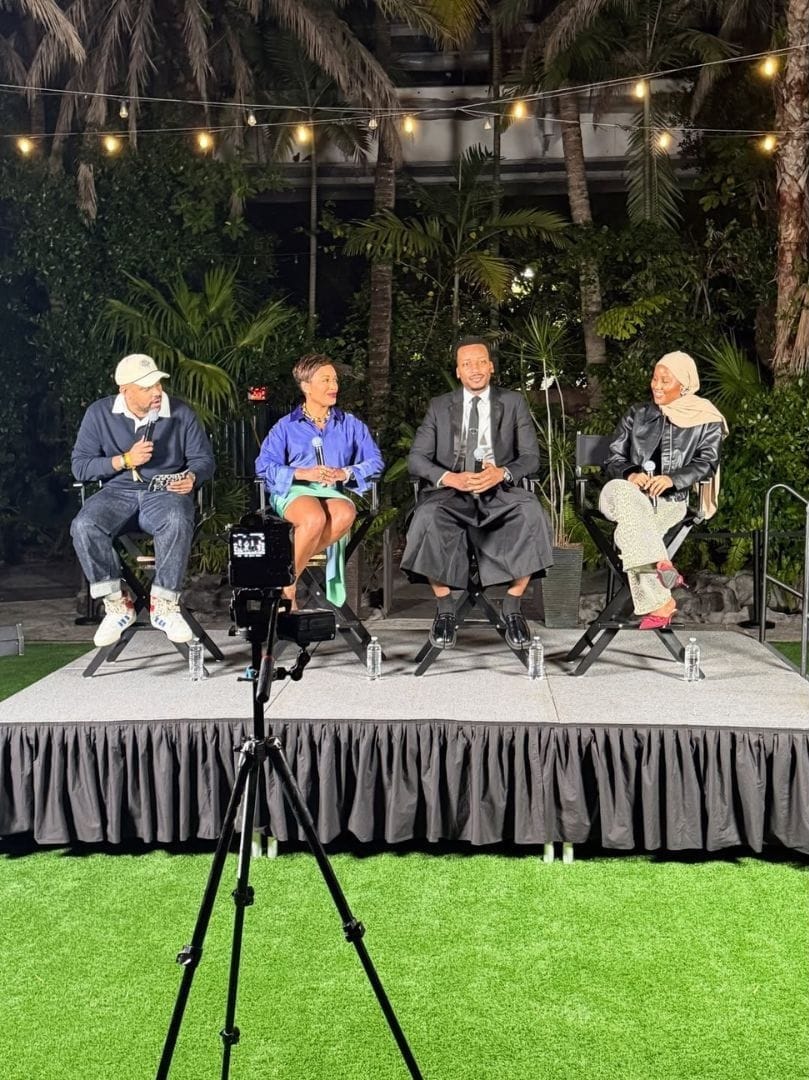
As nights took over, the focus shifted toward connection. Downtown, with the Revolt Family, I joined an art fair to host a panel on collectible assets, art collecting, and building healthy financial habits. Music spilled into conversation. People leaned in, stayed present, and asked thoughtful questions. It felt alive in the way Miami does when Basel pulls different worlds into the same orbit.
In the quieter hours between events, I moved through Basel and Untitled without an agenda. Footsteps echoed on temporary flooring. Pages flipped. Conversations softened into background texture. Despite a challenging market, curiosity and ambition were everywhere. Standing in front of Jan Dibbets’ work, where color is abstracted from architecture and automotive surfaces, or encountering the geometric, non-representational language of William T. Williams, something settled.
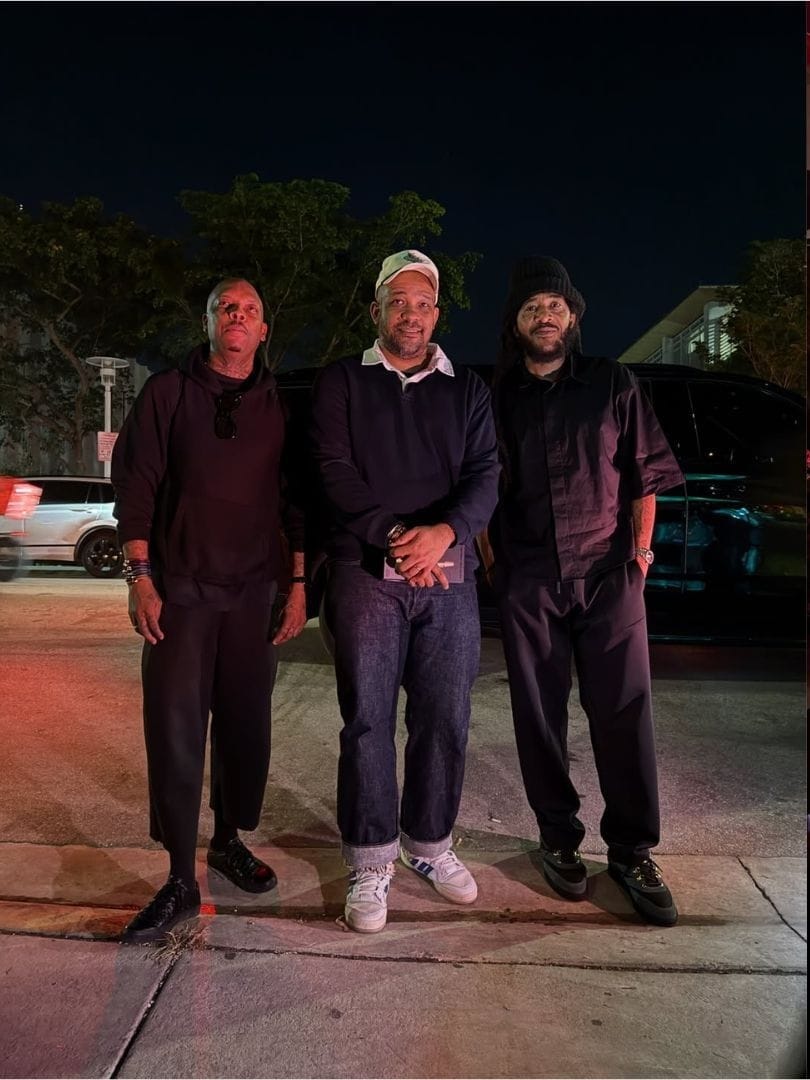
This is why I come back year after year. Not just to see, but to recalibrate. To leave Miami with sun-warmed skin, a full notebook, and ideas forming quietly, waiting for the right moment to surface.
Image sources: Arsty, Perri Dash