The Art World Doesn’t Need a New Center of Gravity
The art world is often described as if it’s in search of a new center of gravity. Auctions dominate headlines, fairs feel louder than ever, and digital platforms promise constant access. But according to Rob Fields, that framing misses the point entirely.
“I don’t think the art world has ever had, or needed, a single center of gravity,” Fields says. “What we tend to hear most about are auction results and the high end of the market, but that’s only one highly visible layer of a much more complex ecosystem.”
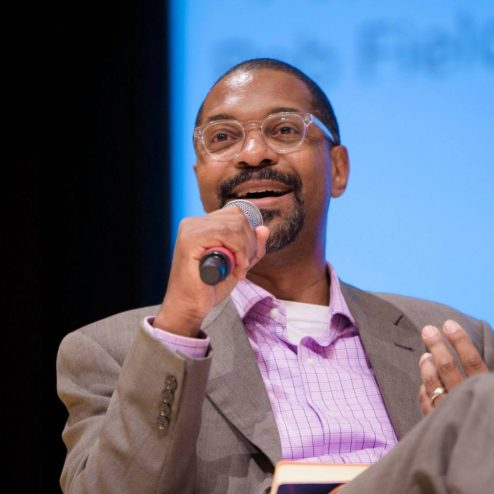
Fields speaks from a vantage point shaped by more than three decades inside cultural institutions, marketing, and art advising. He is the founder and CEO of Mighty Mighty LLC, a marketing and art advisory firm, and a former leader of institutions like the Sugar Hill Children’s Museum of Art & Storytelling and the Weeksville Heritage Center. His career has been built around connecting people, ideas, and culture across public, private, and commercial worlds, which gives him a clear view of how differently value operates depending on where you stand.
“Museums are slow and values-driven, focused on stewardship and long-term cultural impact,” he explains. “Private advisors work in a trust-based framework centered on confidence and continuity. Fairs and auction houses are driven by liquidity events. They facilitate transactions, not culture, even if meaningful encounters sometimes happen there.”
What feels different now is not fragmentation, but visibility. Fields sees the boundaries between these worlds becoming more porous, with more ways for people to enter and orient themselves without being told there is only one legitimate path in.
“At the core of the industry’s challenges is a simple reality,” he says. “It needs more collectors. That requires more ways for people to enter, feel welcomed, gain orientation, and find their footing.”
That shift is already visible in how people participate. According to the Art Basel and UBS Survey of Global Collecting 2025, high-net-worth collectors attended an average of 48 art-related events last year, from exhibitions to fairs to studio visits. The art world is being experienced through repetition and presence, not just transactions.
Collaboration, too, has taken on a new meaning. Fields is careful to separate it from generational narratives.
“Collaboration isn’t a strategy to attract younger collectors,” he says. “It’s an economic imperative. It’s the art world responding to the realities of the business.”
He points to galleries that performed well at major fairs but still chose to scale back or close because the long-term economics no longer made sense. Younger collectors did not cause this shift, but they understand it intuitively.
“They’re more comfortable with networked relationships than rigid hierarchies,” Fields explains. “Collaboration reads as pragmatism and shared intelligence, not weakness.”
That same logic applies to the way younger collectors move through the market. Slower does not mean less committed.
“I don’t see younger collectors moving more slowly as a lack of ambition,” Fields says. “I see it as a focus on building confidence.”
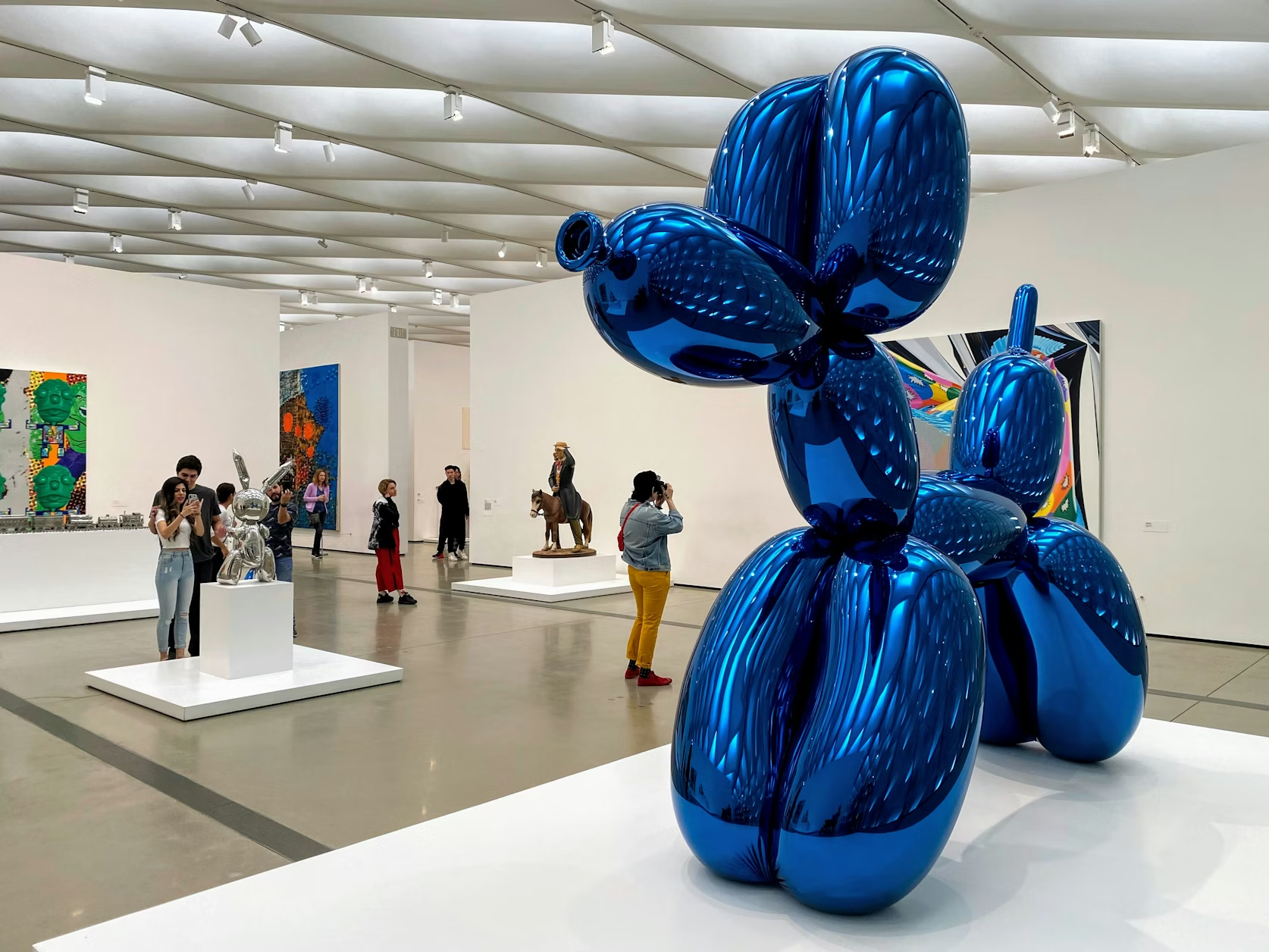
Data supports that reading. Gen Z collectors now allocate a larger share of their wealth to art than any other generation. What has changed is not appetite, but definition of value.
“This reframes value away from speed or volume and toward durability,” Fields adds. “It’s about buying fewer things better and staying engaged with those choices over time.”
Access remains one of the art world’s most frequently invoked promises, and its most unevenly delivered. Fields acknowledges real progress inside galleries, where tone and openness have improved, but sees structural gaps before the door.
“The bedside manner is better once you’re inside,” he says. “But the pathways that help people feel invited and confident enough to walk in remain underdeveloped.”
That is where physical spaces still matter most. Not as sales floors, but as places of emotional permission.
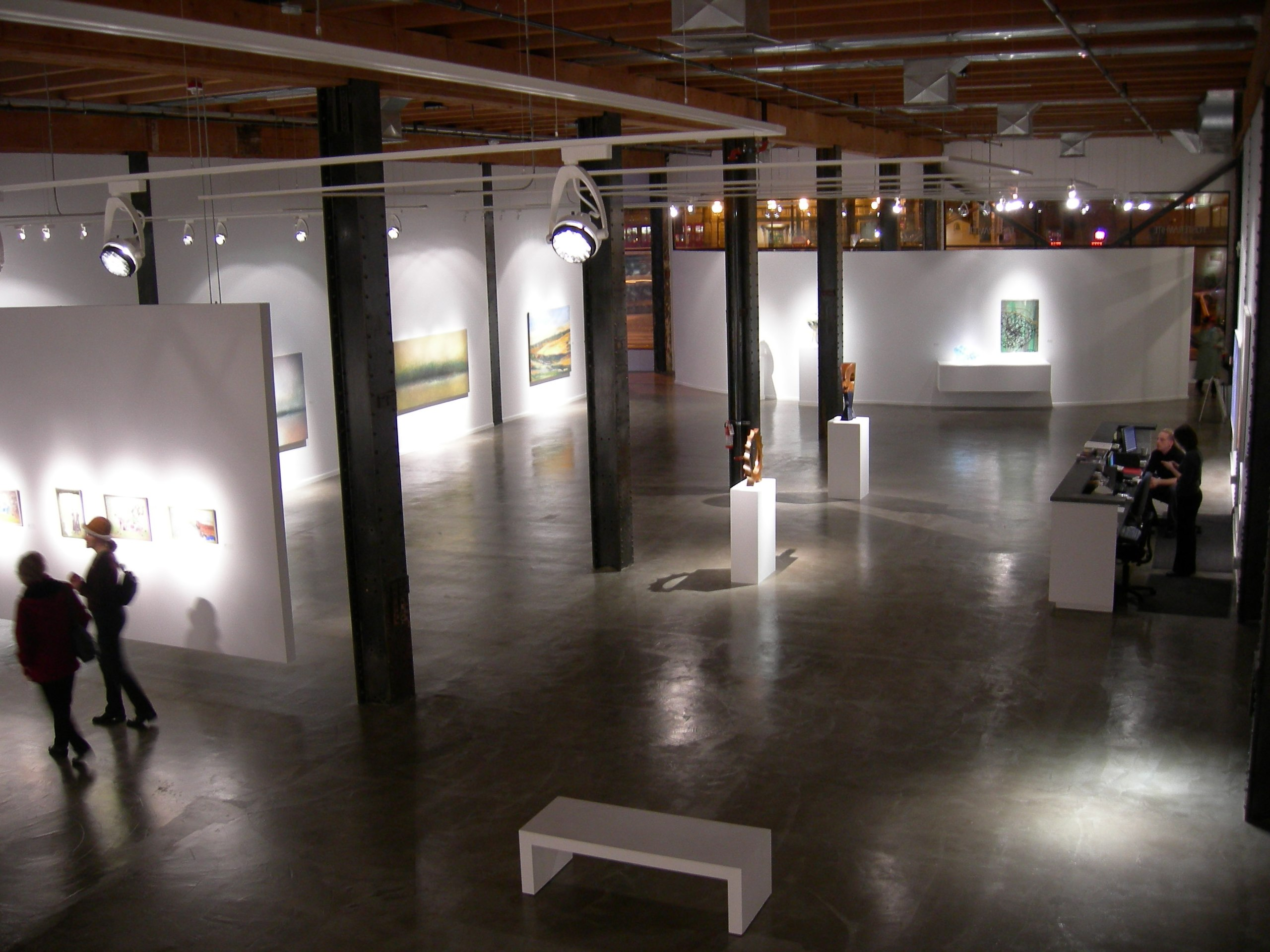
“Galleries help people imagine themselves as participants,” Fields explains. “Screens can distribute images, but they can’t reproduce the feeling of being in the room.”
Even as digital art becomes more common, with more than half of collectors now purchasing it, Fields resists framing the future as a battle between formats.
“What’s really at stake isn’t format,” he says. “It’s connection.”
Resilience, in his view, will belong to those who create durable experiences that keep people emotionally invested over time. Not louder platforms. Not faster cycles. Just structures that allow art, and the people around it, to matter longer.