The Best Parts of Dubai Watch Week Were Between the Watches
I’ve always wanted to visit the UAE and the Middle East. Not for the obvious reasons. I was curious about what the region feels like when you stop looking at it as a headline and start paying attention to how people are actually building things.
Dubai Watch Week gave me the excuse to finally go. I expected the watches to be serious. What I didn’t expect was how much the trip would end up being about creative energy, and how clearly a city can reward ambition when it’s paired with discipline and care.
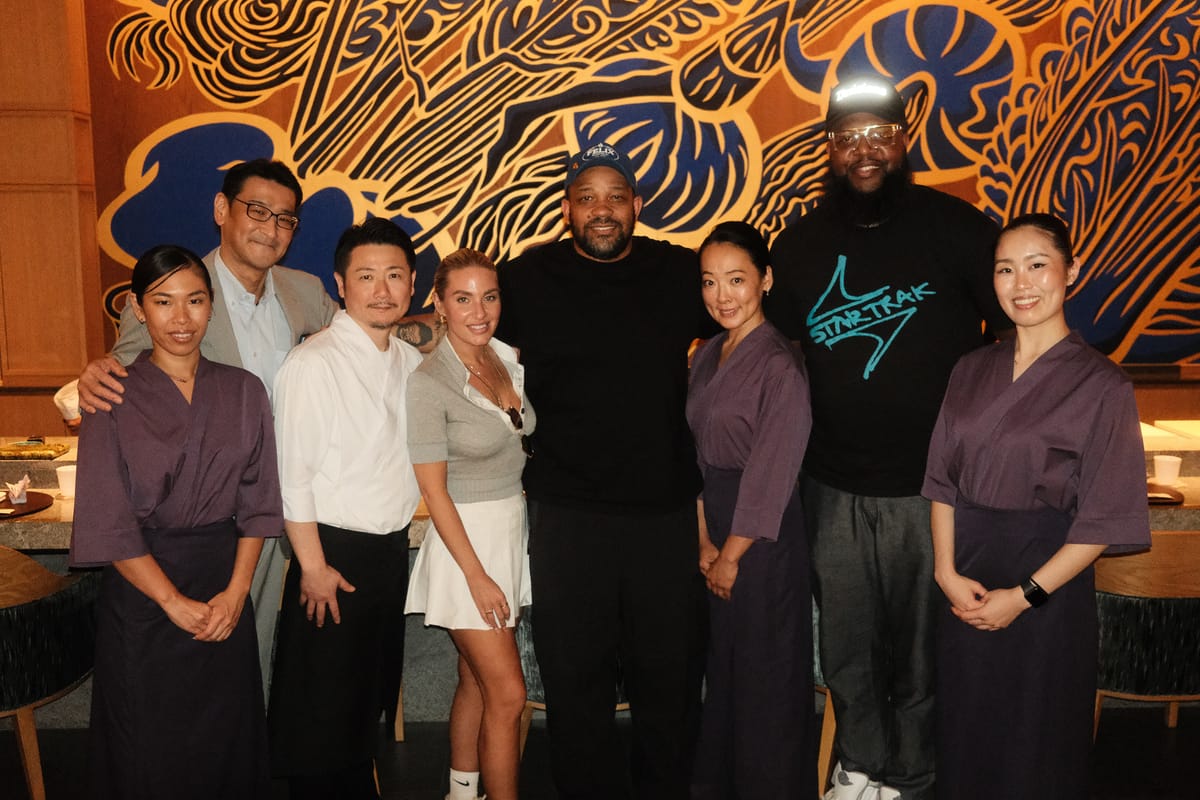
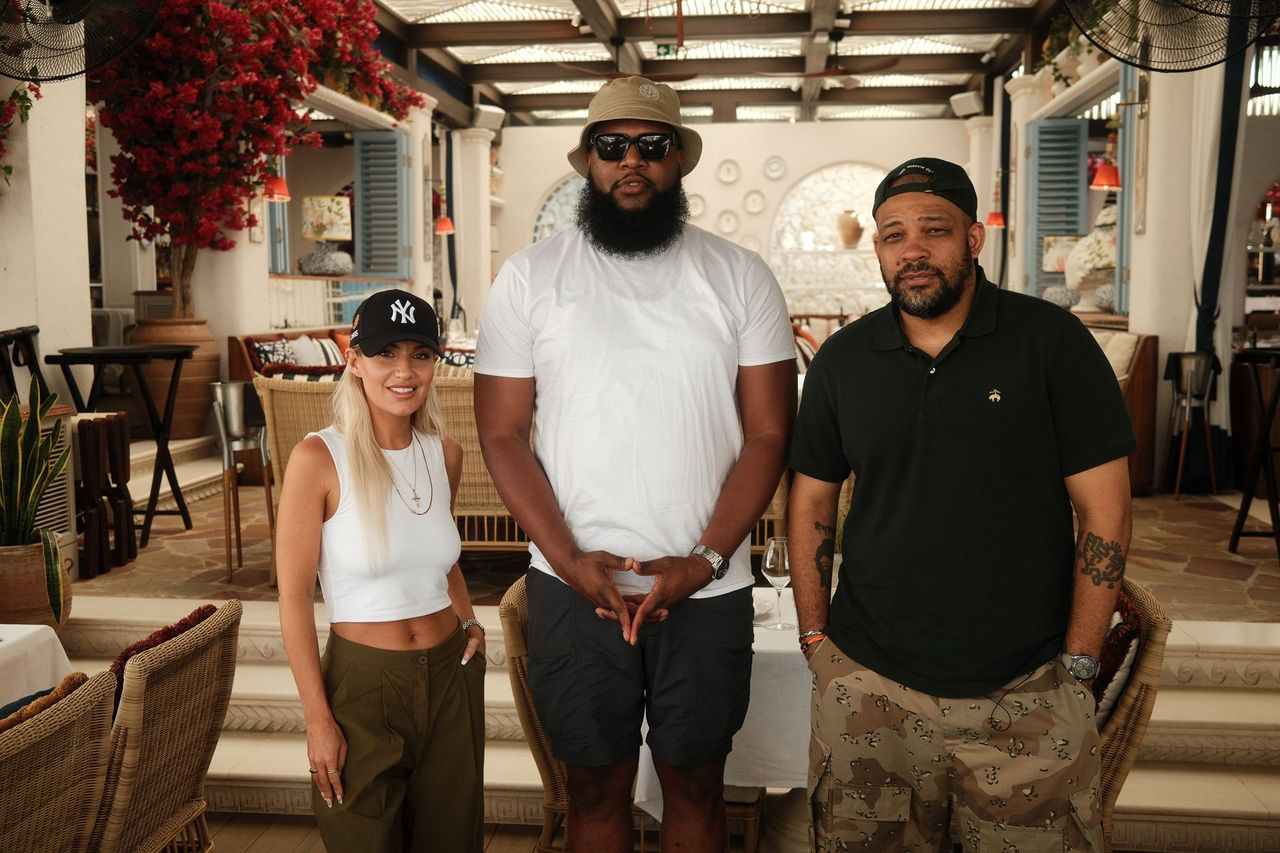
Before we even stepped into the watch world, we tapped friends on the ground to understand what else was happening culturally, the creative energy quietly buzzing through the city. Who’s making things, who’s shaping taste, where the real conversations are. That led us to Chef Izu Ani and his new restaurant Sirene, a Mediterranean spot on J1 Beach that already felt like a signal of where Dubai is headed.
We sat down with Izu for an interview that will be released later as part of a Super Niche travel story, but the takeaway landed immediately. His approach to food is holistic in the most literal sense. Ingredients matter, but so does the land they come from, the climate they grow in, and how that context changes the logic of pairing.
The experience felt inviting and luxurious without the stiffness that can creep into destination dining.
Spending time with Izu gave me a clean read on Dubai. It’s a city where builders can move quickly if they’re disciplined. He arrived from Tottenham 15 years ago and now runs 13 restaurants in Dubai alone, each with its own lane and its own crowd.
When I asked which one was his favorite, he didn’t play the ego game. He said he doesn’t have one, but he did point us toward his newest, KIGO. That mattered to me because it wasn’t a pitch. It was confidence.
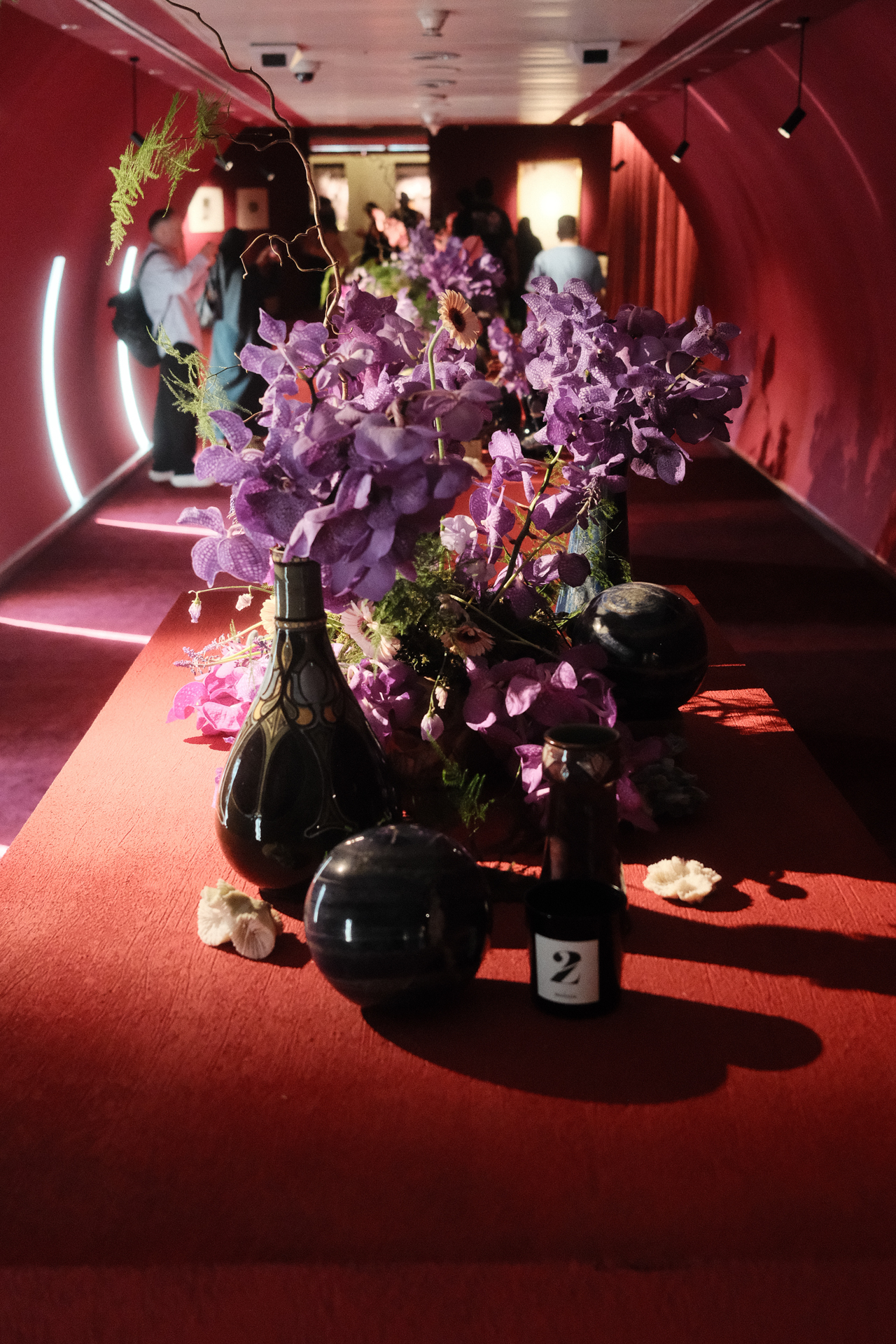
By the time we made it to Dubai Watch Week, a rare event built as much around education and conversation as it is around watches, near the Opera House in Burj Park, the pattern was already clear. If you want to understand how important watch culture is in Dubai, you don’t start with the brands. You start with wrists.
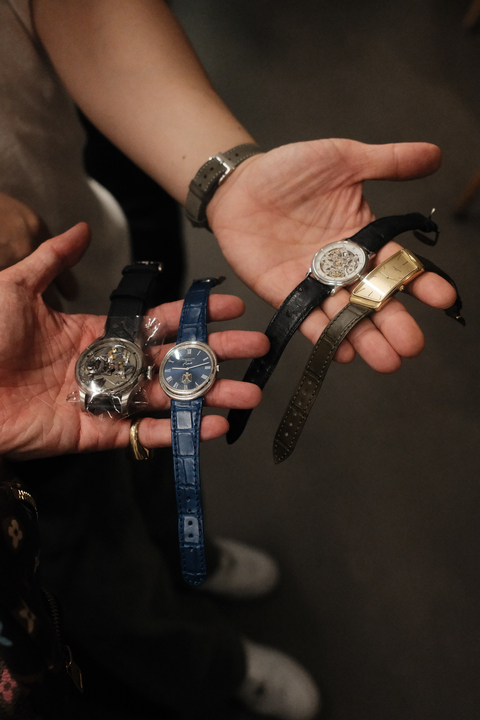
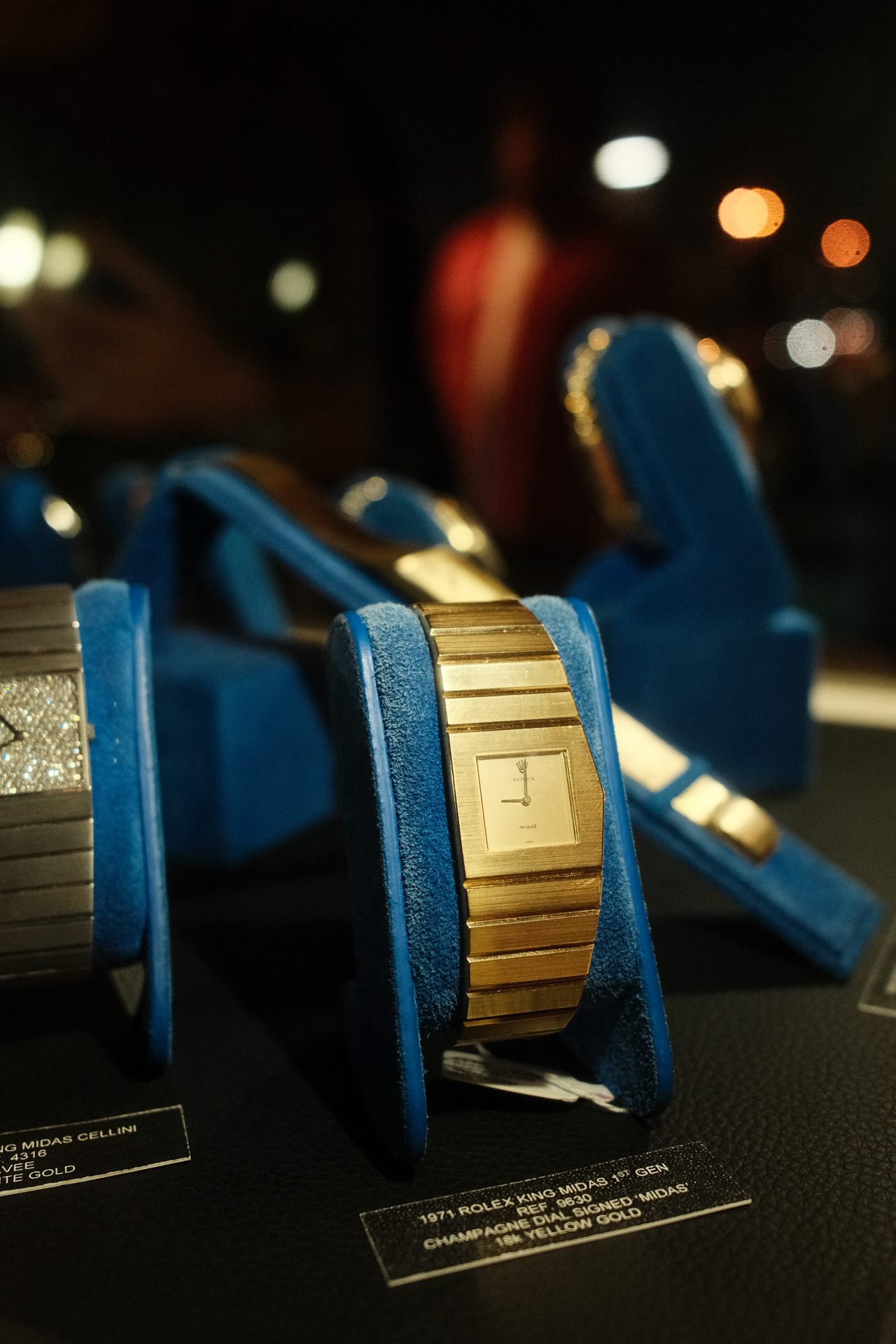
Dubai is one of the few places where collectors can genuinely wear anything, the way they would at home. The loudest gem-set pieces. The strangest independents. The deep-cut classics. Locals and visitors included. What surprised me is that it doesn’t feel like people are wearing watches to posture. Money is present, you feel it in the cars and the boutiques, but the atmosphere stays hospitable and curious, especially as a visitor. The wrists are loud. The room isn’t.
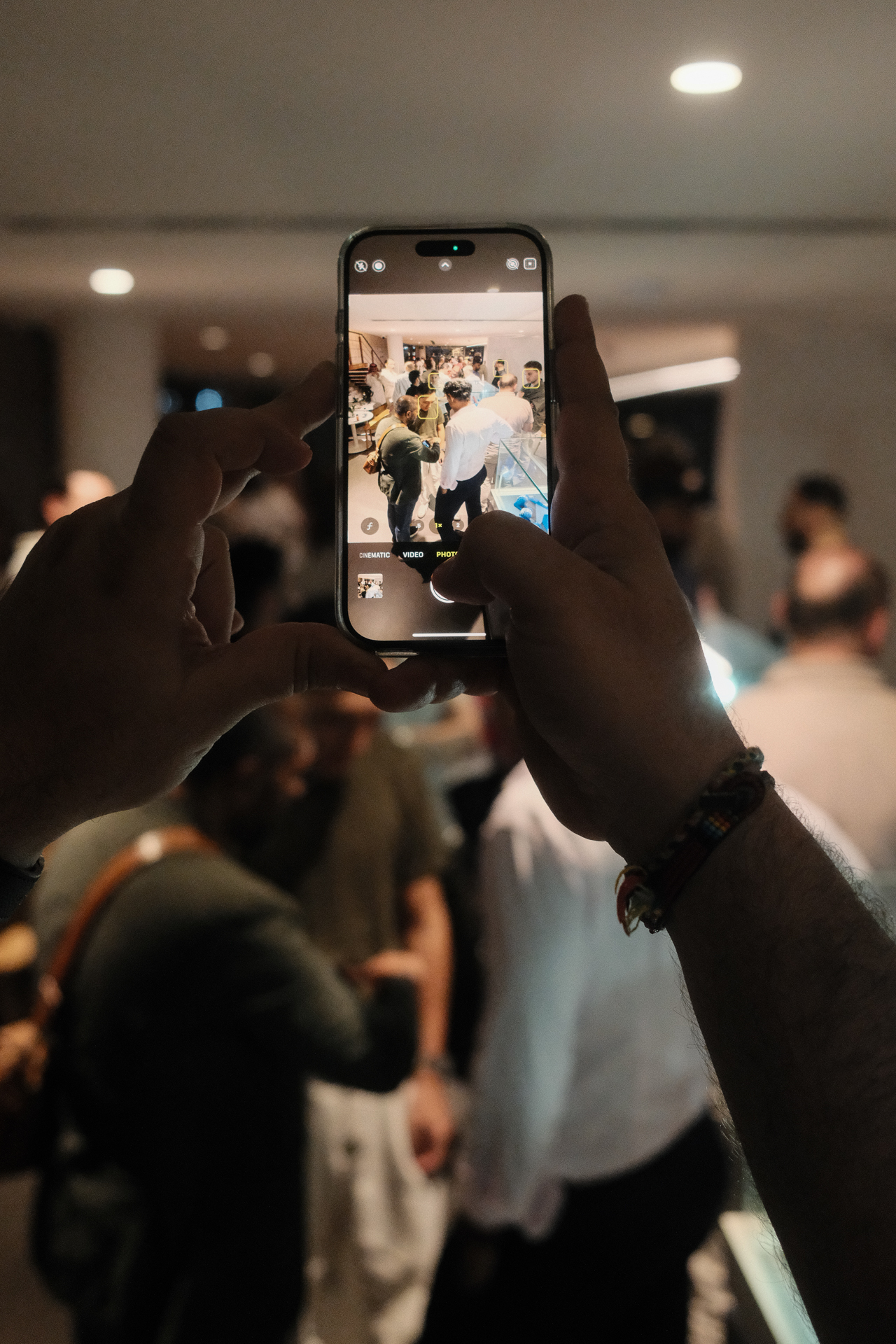
That’s where Dubai Watch Week feels different. It doesn’t move like a sales floor. It moves like a gathering built around education and conversation. People ask questions because they want to learn, not because they want to perform expertise. You hear real curiosity, the kind that keeps you standing in one place longer than you planned.
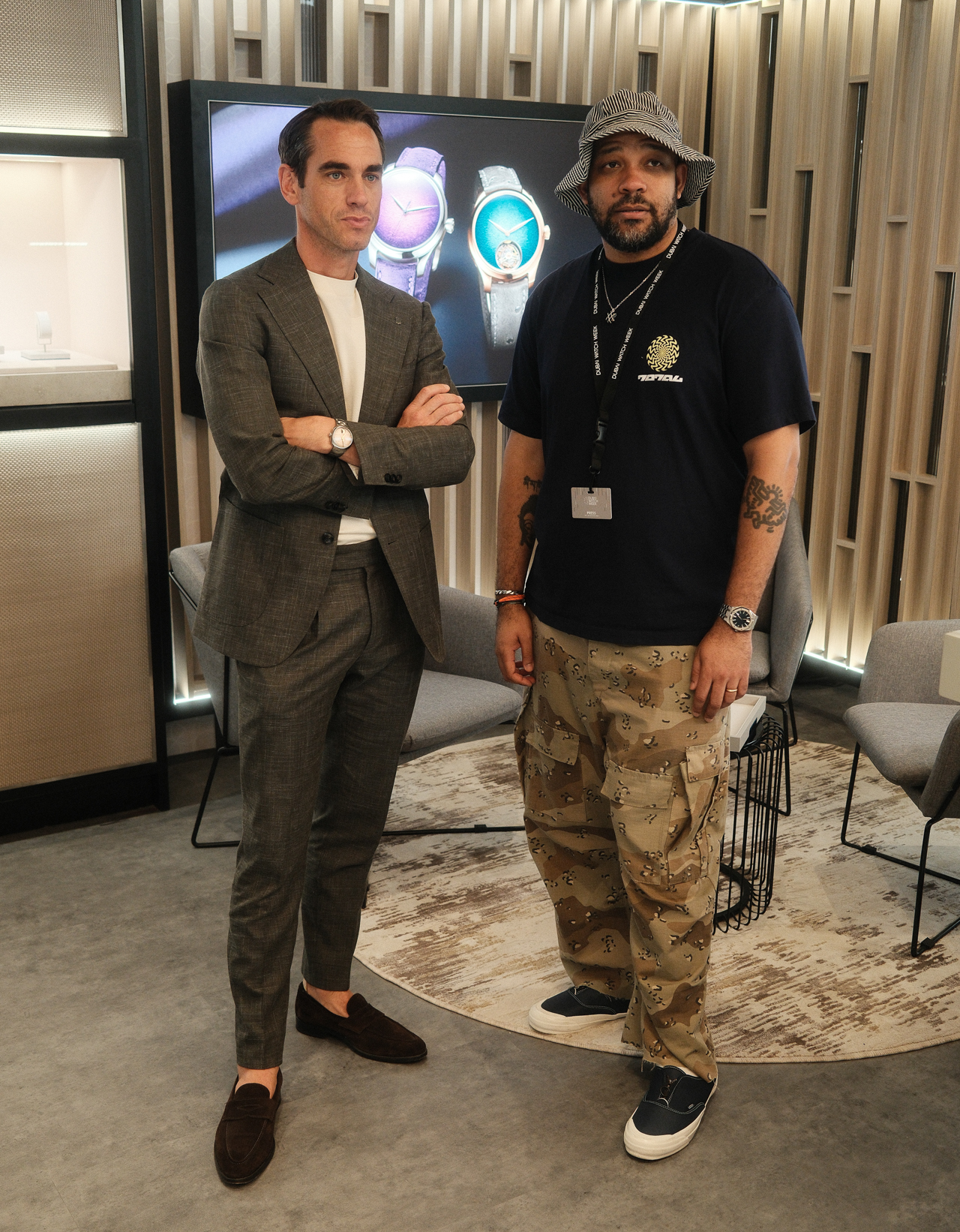
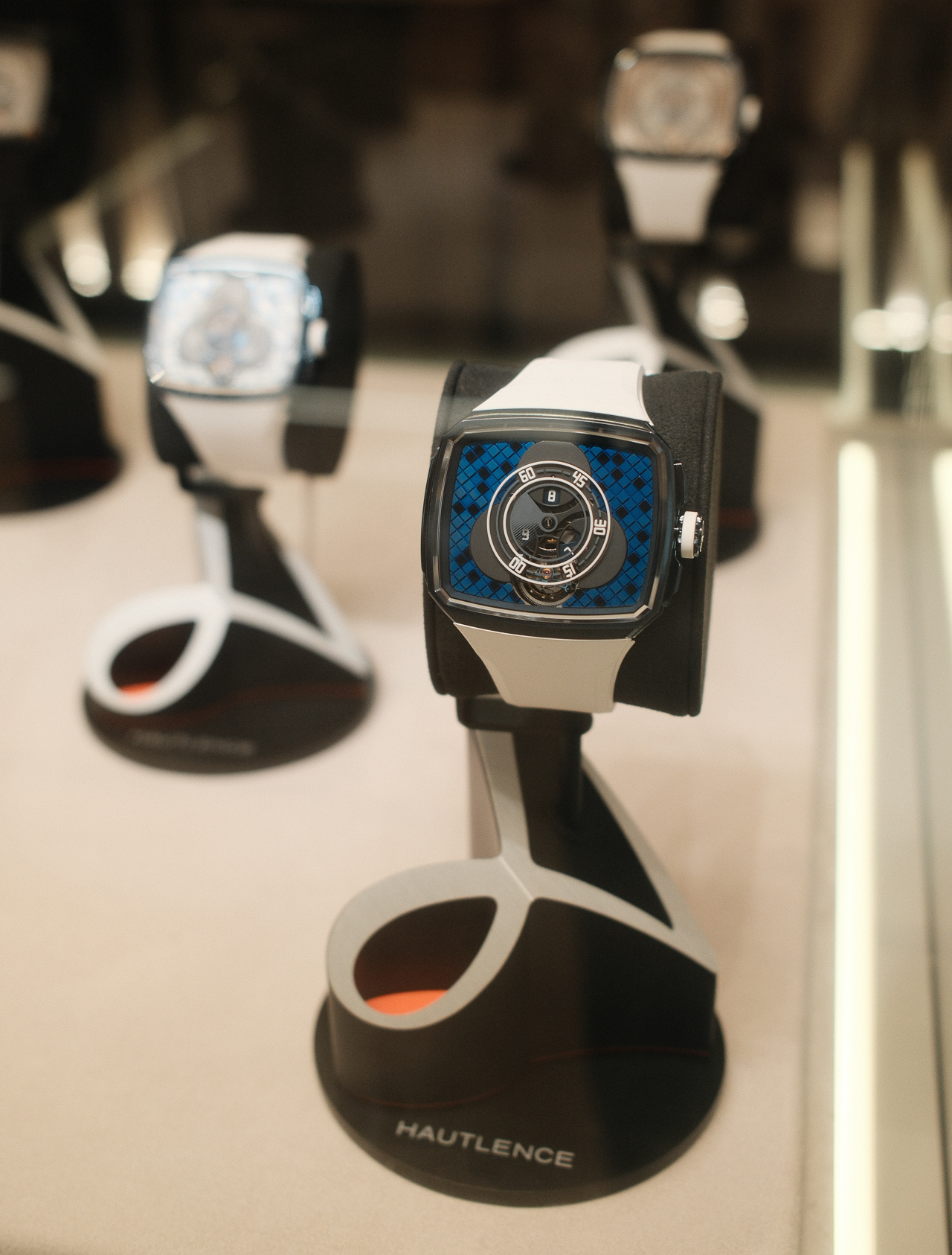
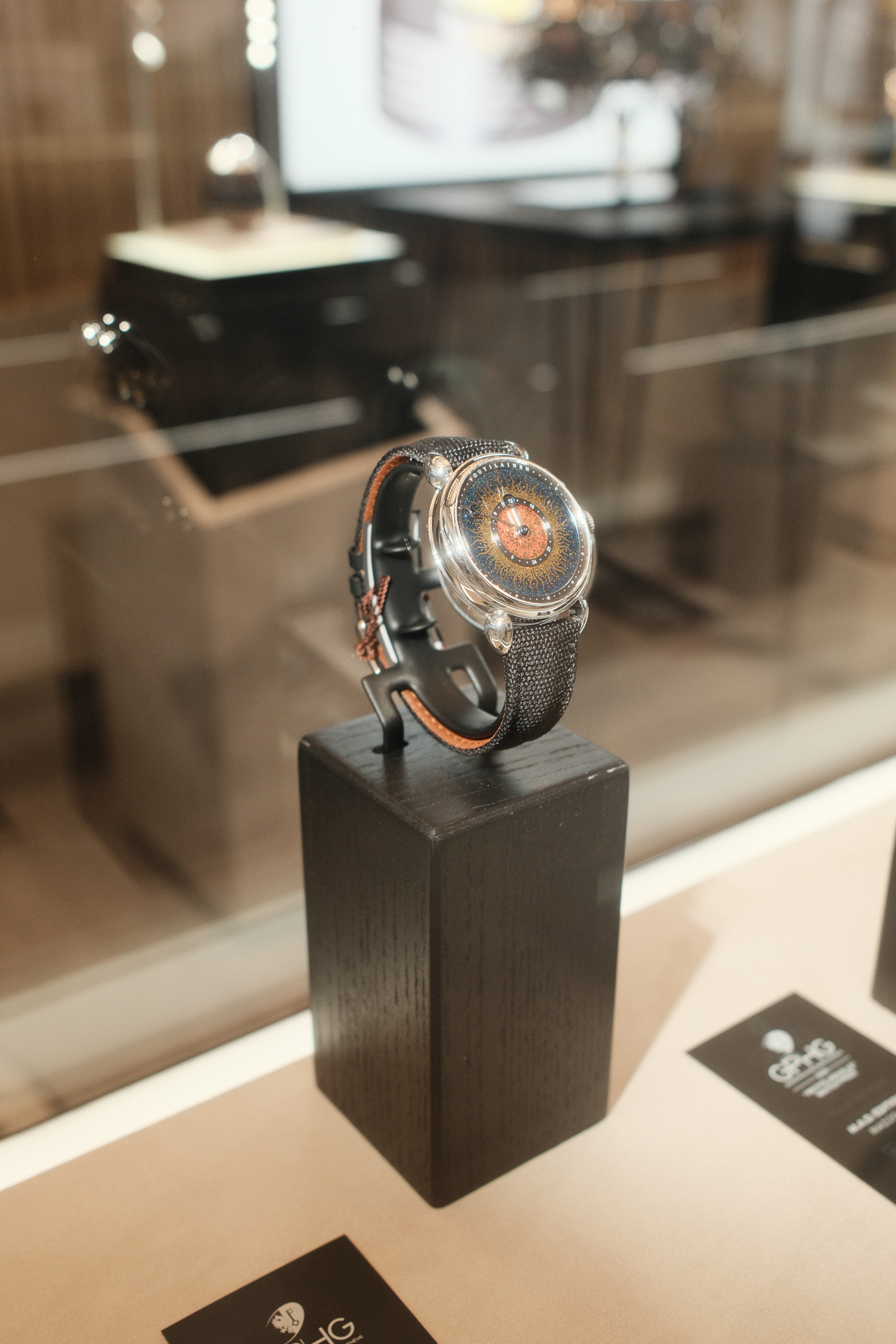
Brands went big. Some stayed in the main hub, others built more controlled, private environments. Audemars Piguet, celebrating 150 years, created a walk-through series of time capsules meant to make its history feel physical. Even when the presentations were expansive, the wider rhythm stayed human. It felt less like spectacle and more like access.
What made the trip click for me, though, is that the watches were only part of the cultural gravity that week. About an hour away in Abu Dhabi, the art world was having its moment too. We made a point to meet the people shaping that pulse, the gallerists, artists, collectors, and builders quietly defining what the region’s next chapter might look like.
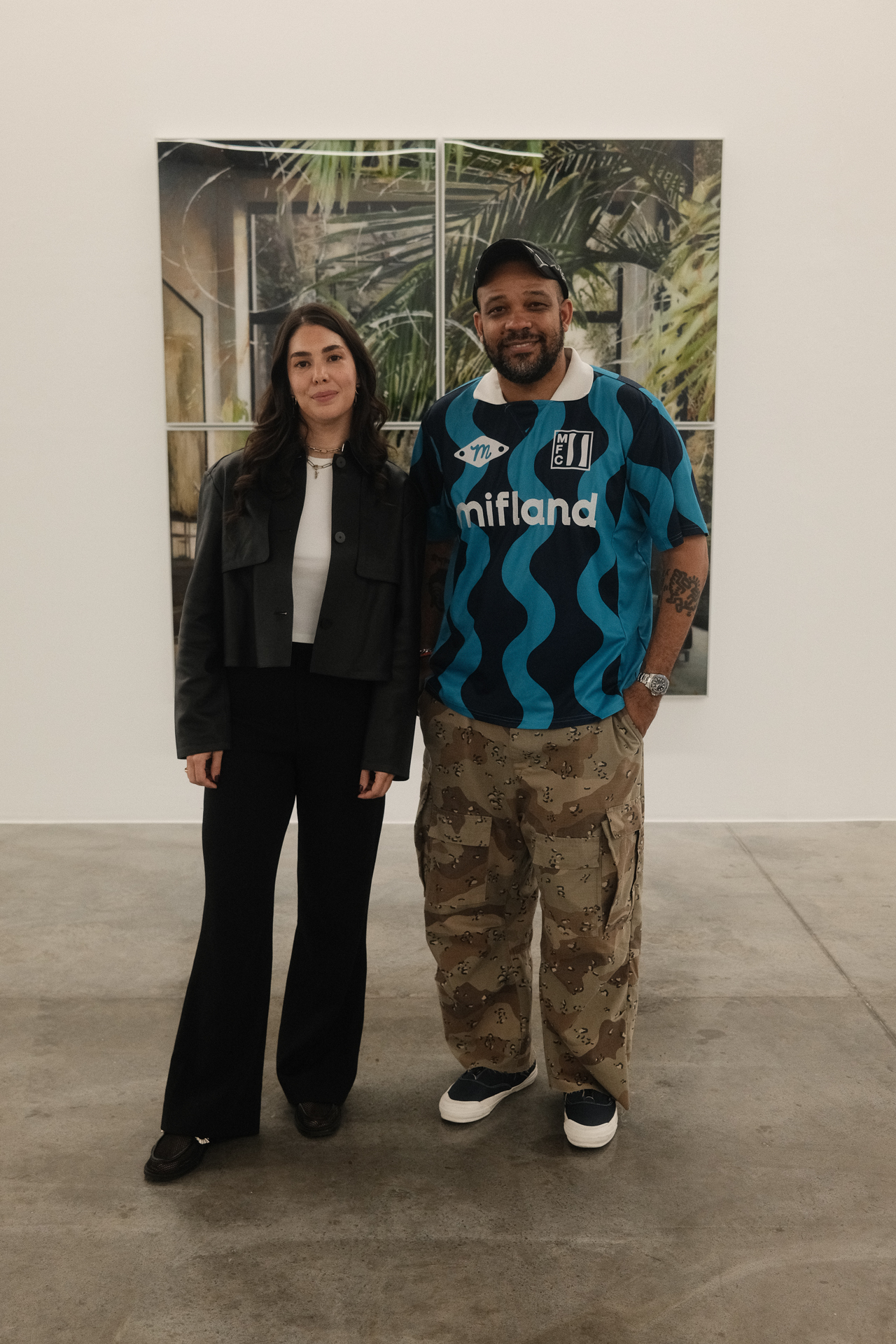
We spent time with Nadine Knotzer at Carbon 12 and visited their latest exhibition with artist Gil Heitor Cortesão. We also met artist Sarah Al Mehairi and spoke about what it means to build a practice in the UAE right now, about patience, visibility, and staying rooted while everything around you moves fast.
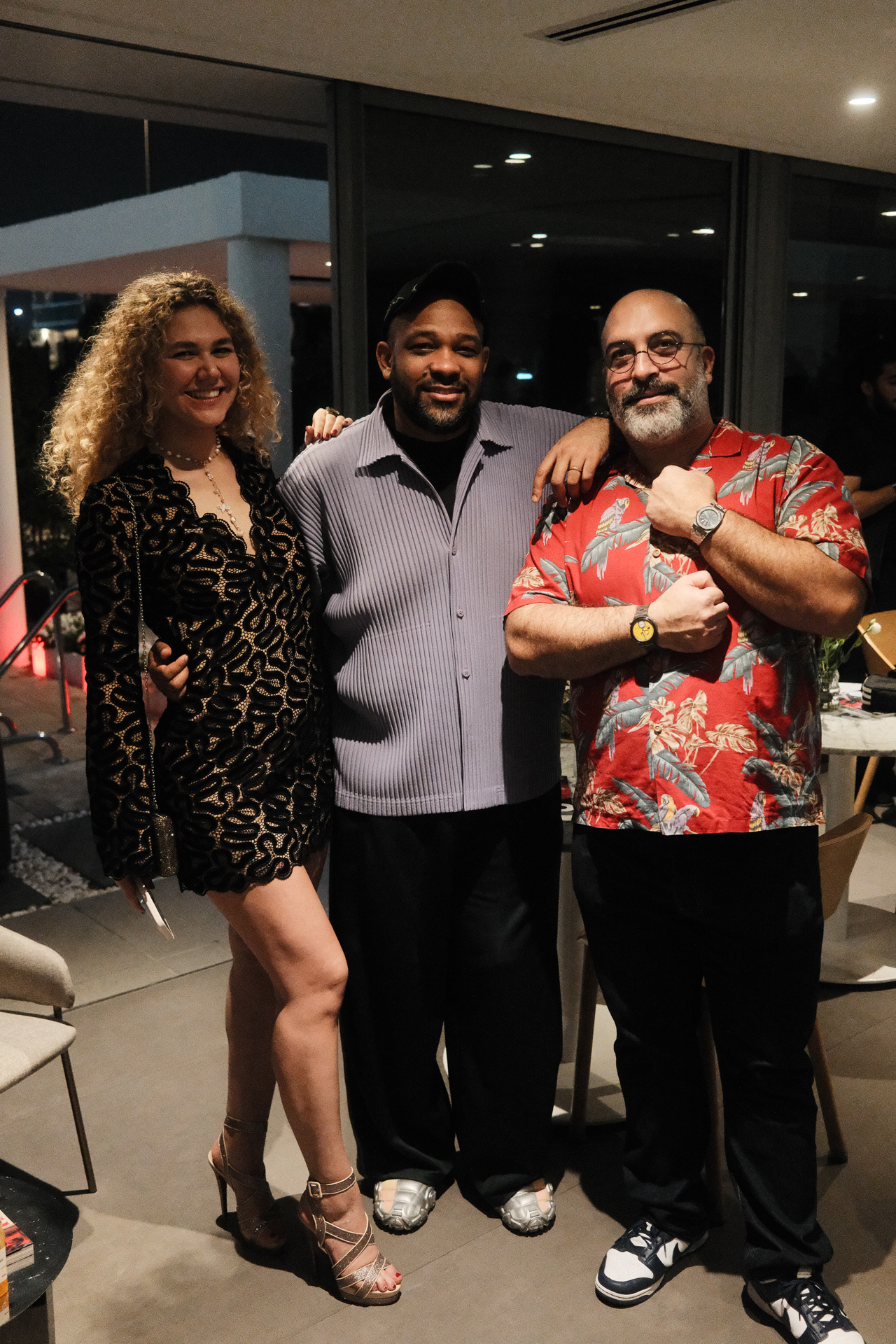
Then came the surprise. Sneaker culture and fashion have real movement in Dubai, and it isn’t a copy of anywhere else. Meeting Ali Khalifeh of Youbettafly and Oscar Badibanga of Badibanga Menswear reminded me why I love culture in the first place. Sneakers and fashion were my own entry point into watches, food, and the arts, so seeing that same energy take shape in Dubai mattered to me. Both carried a kind of passion that reads as responsibility, not hype. They weren’t just selling product. They were building community and giving people a place to belong inside their taste.
That’s the takeaway I walked away with. Dubai isn’t one thing. It isn’t just luxury or spectacle. It’s a city where watches, food, art, and street culture can sit in the same week, sometimes in the same conversation, because the ecosystem rewards builders.
But the real story was what happened in between the watches. The people. The rooms. The feeling that the city’s creative energy isn’t loud on purpose. It’s just there, humming, waiting for you to pay attention.