The Swiss Watchmaker Who Treats Heritage Like a Design Tool
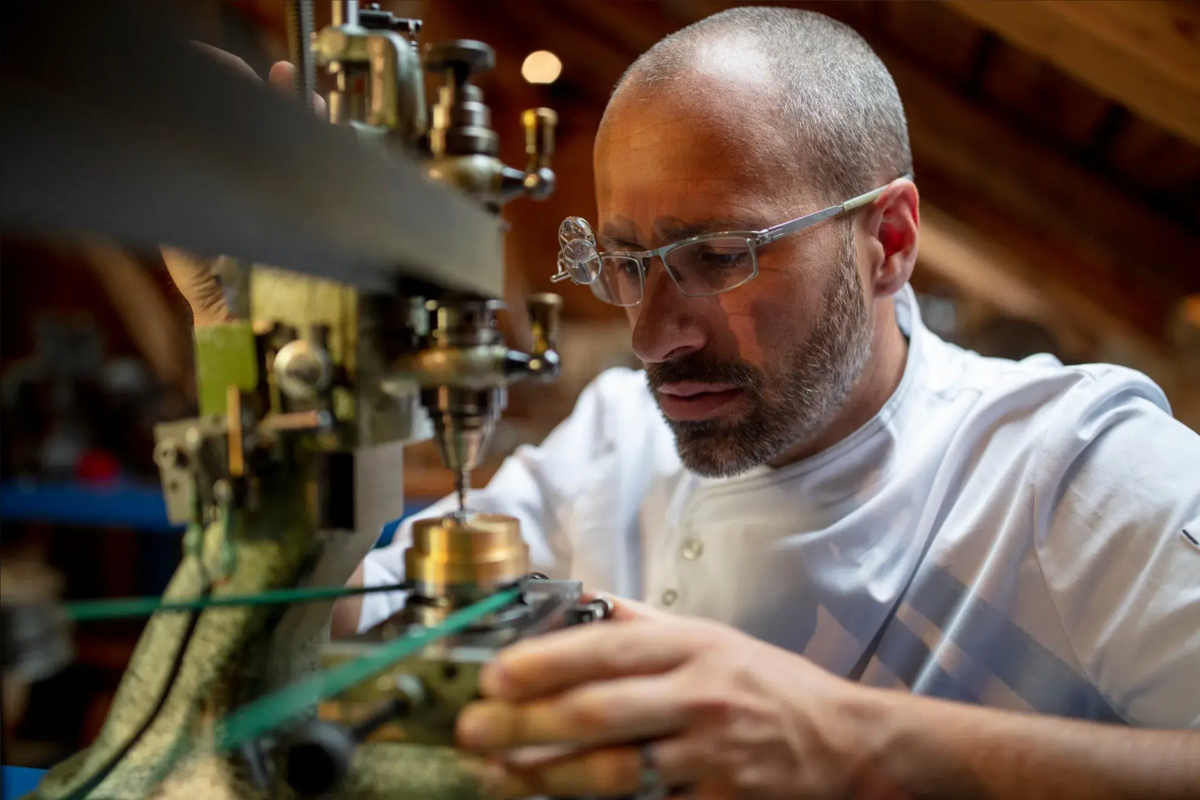
I met David Candaux in a quiet corner of Phillips New York. You don’t expect stillness in an auction house, but that is the thing about David. Even before he speaks, the room slows down. Earlier this year, I saw one of his watches at Material Good and watched a group of seasoned collectors fall silent around it. That does not happen often.
For anyone new to his world, David is one of the most respected independent watchmakers working today. He builds only a handful of pieces a year in the Vallée de Joux, designing his movements from scratch, machining components in-house, and finishing every surface by hand. The region is the birthplace of Swiss complications, and David carries that lineage quietly but decisively.
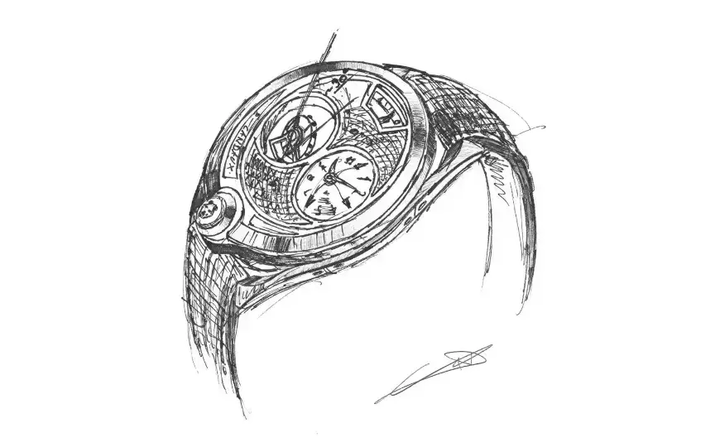
When we sit down, he tells me something I have not stopped thinking about: “It is not freedom. It is transmission.” His grandfather worked in the industry. His father restored pocket watches. His mother assembled chronographs at Dubois Dépraz. At fourteen, he entered Jaeger-LeCoultre and moved through every workshop, learning watchmaking the long way. One métier at a time. That “transversal knowledge,” as he calls it, is the foundation of everything he does now.
He refuses the idea of being an artist. “A watch obeys physics,” he says. “The minute hand must turn in sixty minutes. It cannot be emotional.” But when he talks about form, logic, and how the wrist naturally rests, I hear something closer to engineering as emotion. His influences tell the story. Reverso, Royal Oak, Daniel Roth, Gérald Genta. Designs with strong DNA but no theatrics.
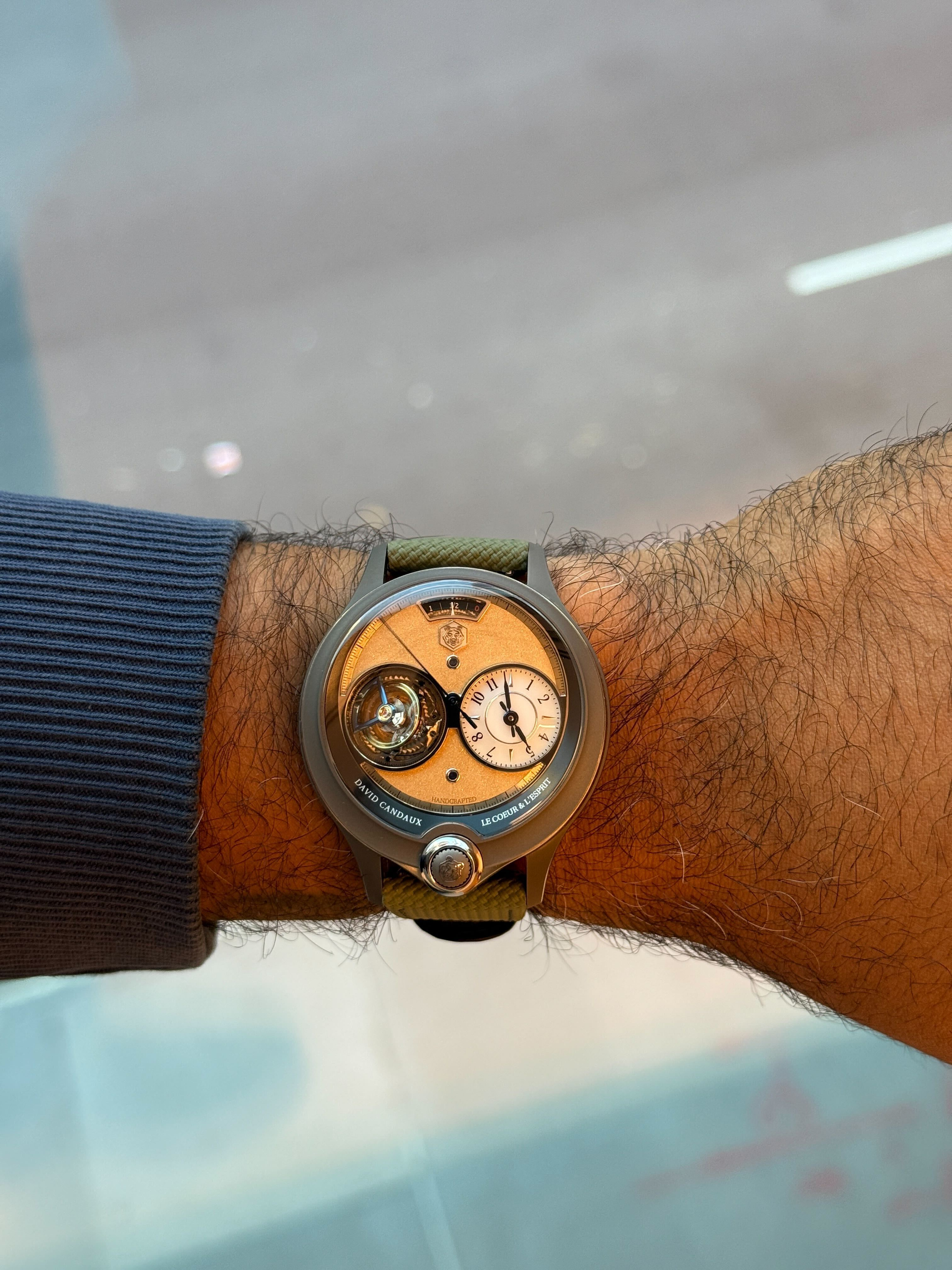
His early pieces trace a path toward the watch he really wanted to build. DC1 held onto classical geometry. DC6 began loosening the architecture. DC12 is the turning point, a new movement and a new level of clarity that feels like someone finally speaking in their native language.
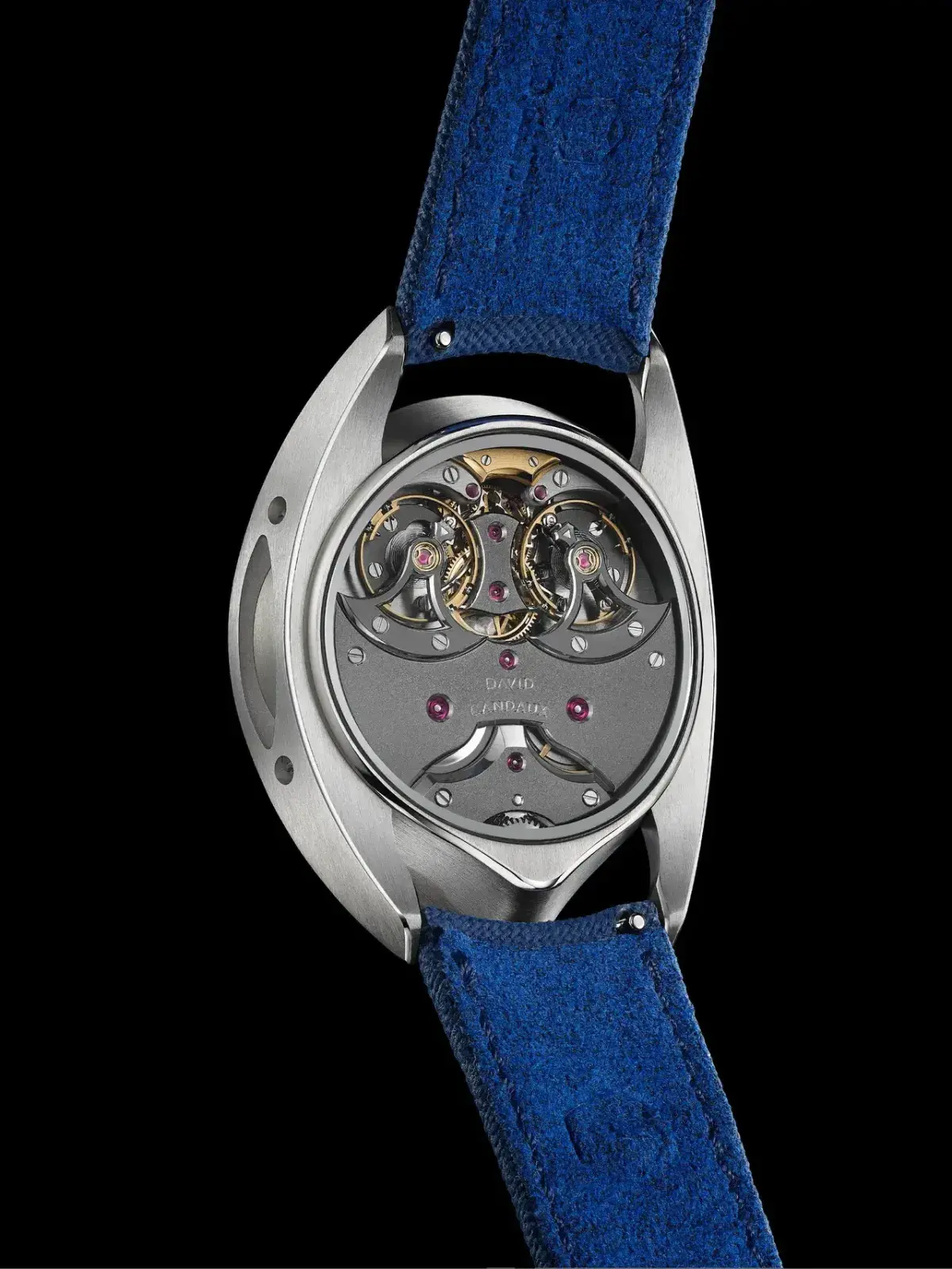
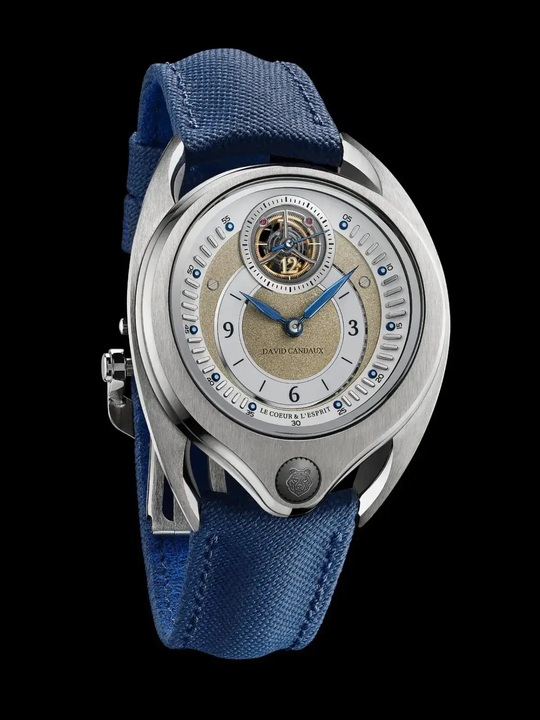
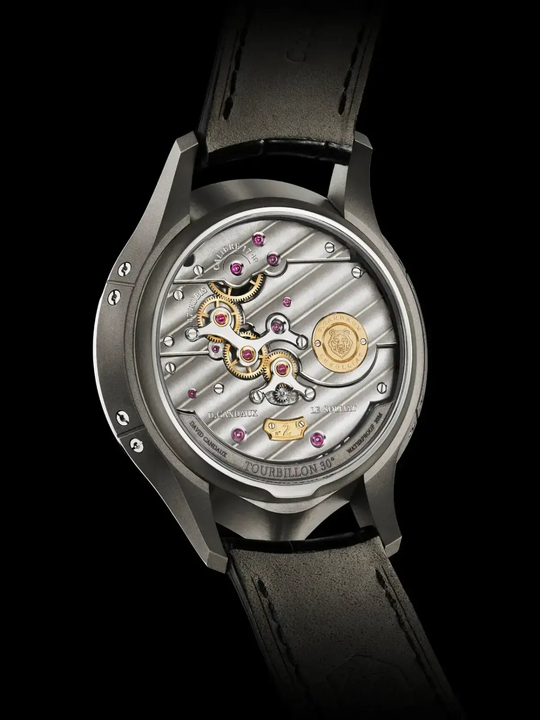
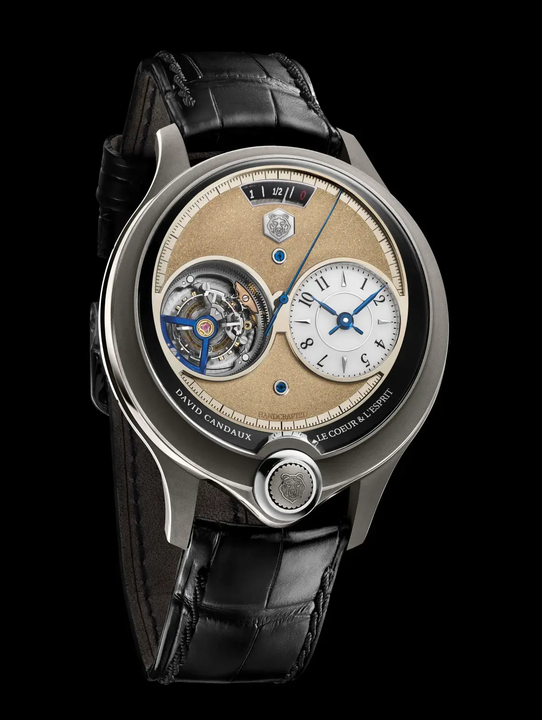
For anyone who does not live in watchmaking, here is what makes DC12 special. Inside the watch are two balance wheels, the organs that regulate time. They beat independently but are kept in harmony by a differential that averages their rhythm so the watch stays precise. Only a few watchmakers have ever attempted this. The idea started in the Vallée in 1930, was miniaturized by Philippe Dufour in the 1990s, and now lives inside David’s C30 caliber. Seeing the differential exposed on the dial feels like watching the watch think in real time.
None of this came easily. Three prototypes failed across more than a decade. “You cannot innovate by staying inside watchmaking,” he tells me. His solutions came from everywhere else. Aeronautics, SpaceX, AI, CERN, paragliding, nature. He left the craft to return to it with a different perspective.
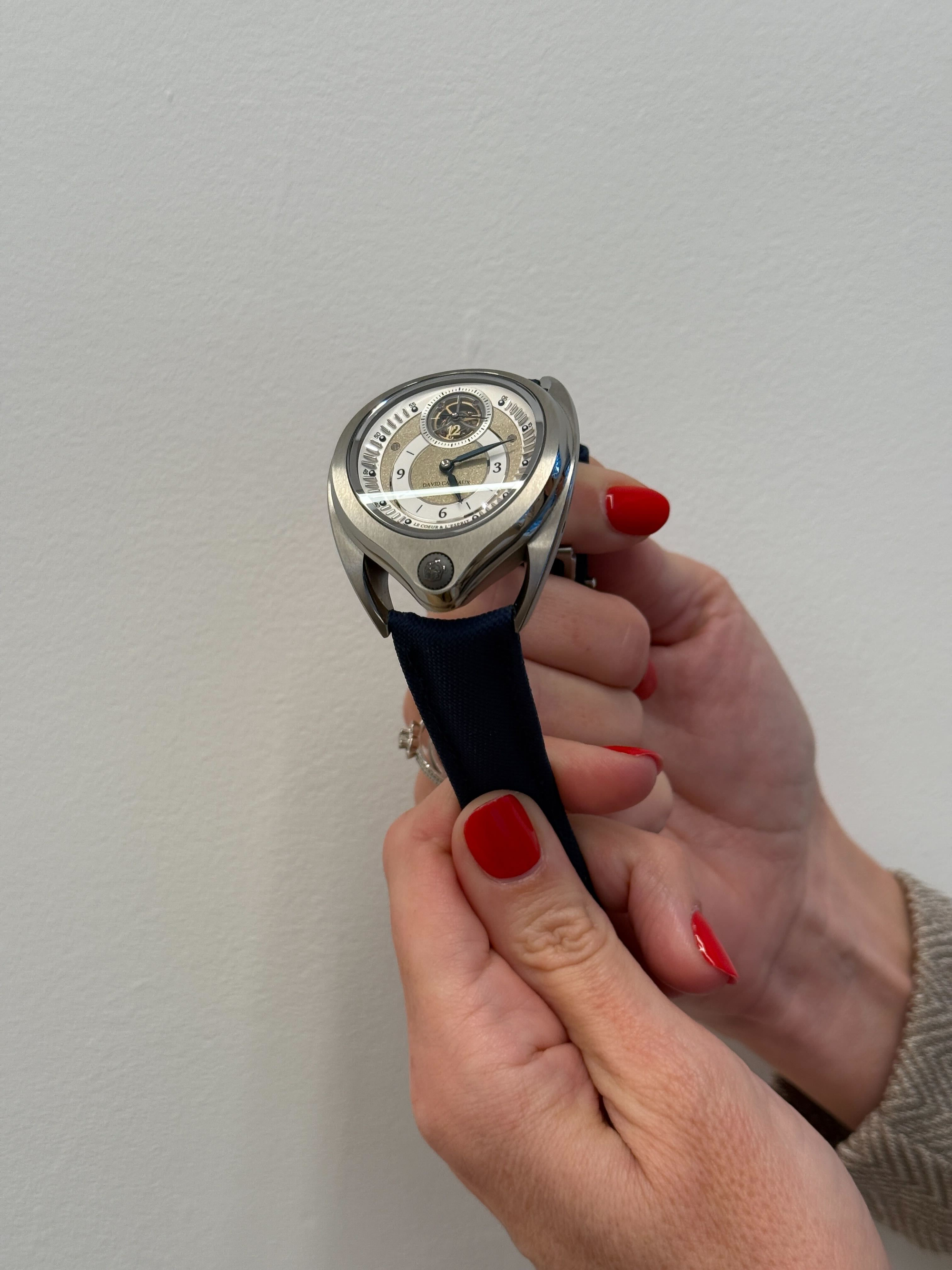
Everything on DC12 has purpose. The concave dial architecture improves legibility. The external guilloché gives grip, a nod to pocket-watch cases. The asymmetrical cut of the titanium case matches how the wrist actually rests. On paper it sounds experimental. On the wrist it feels inevitable.
Independent watchmaking is full of big gestures. David’s work is different. He builds watches the way the Vallée builds memory. Slowly, precisely, with respect for the hands that came before him. When I told him the DC12 was “so cool,” he laughed with relief. “I did not know how it would be received. It breaks so many codes.”
Maybe that is why it works. The watch is not trying to impress. It is trying to endure. And in a field obsessed with novelty, that feels like the rarest gesture of all.