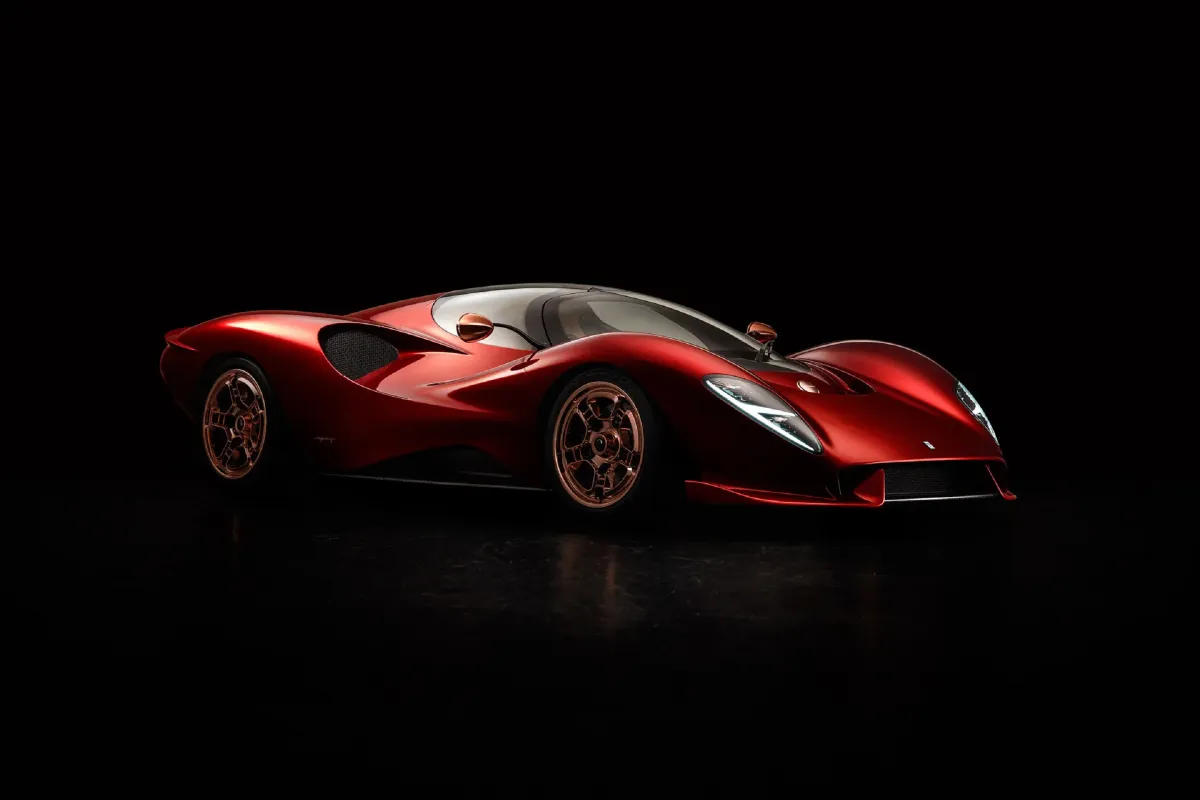
De Tomaso Didn’t Forget How to Make a Sexy Supercar
There’s something quietly magnetic about De Tomaso Automobili right now. Not because it’s chasing relevance, or flooding feeds with specs, but because it feels unusually sure of itself. In a supercar landscape dominated by screens, software, and speed charts, De Tomaso’s return has been guided by design memory and mechanical feel. That confidence is what makes the P72 land.
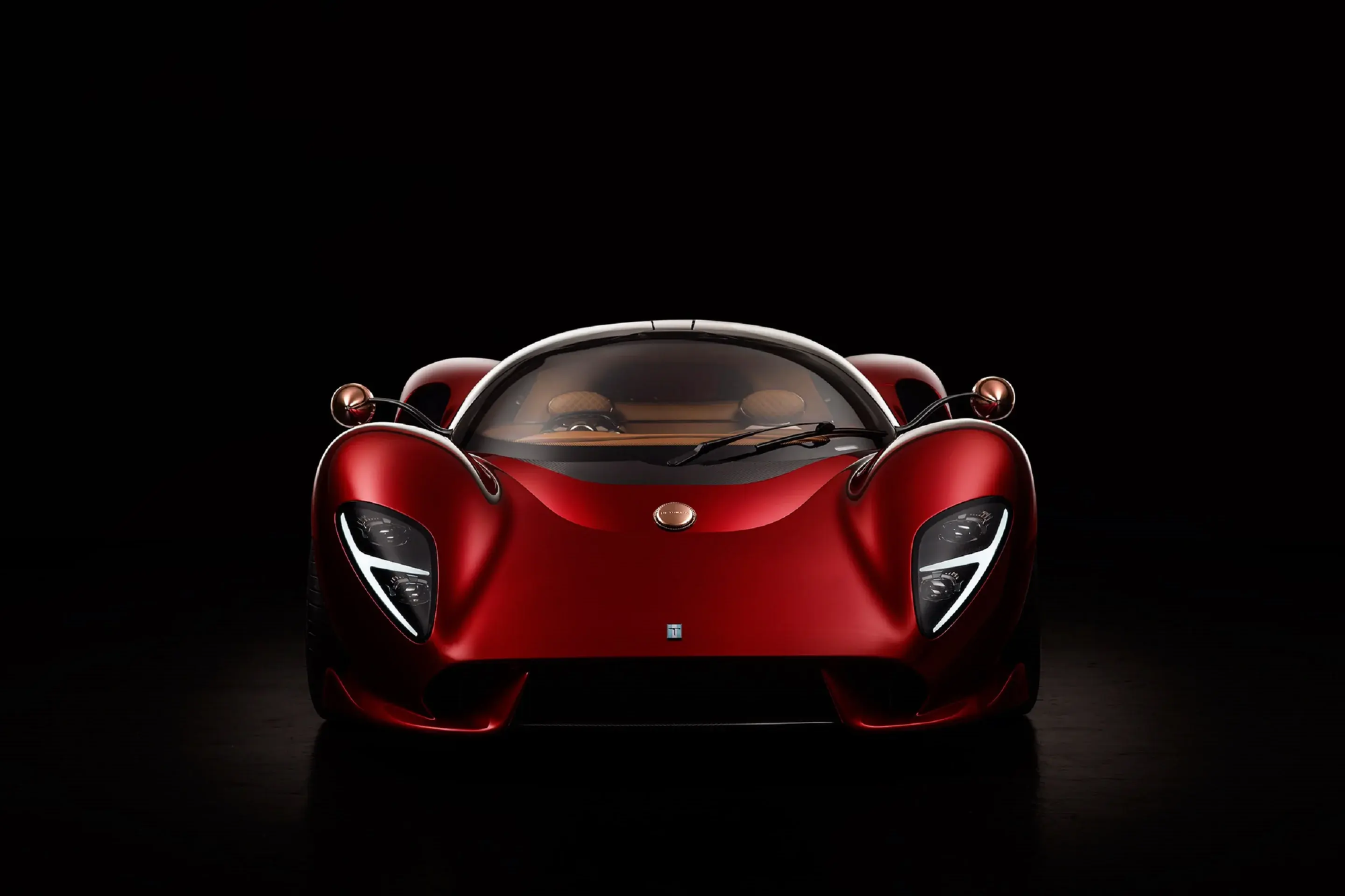
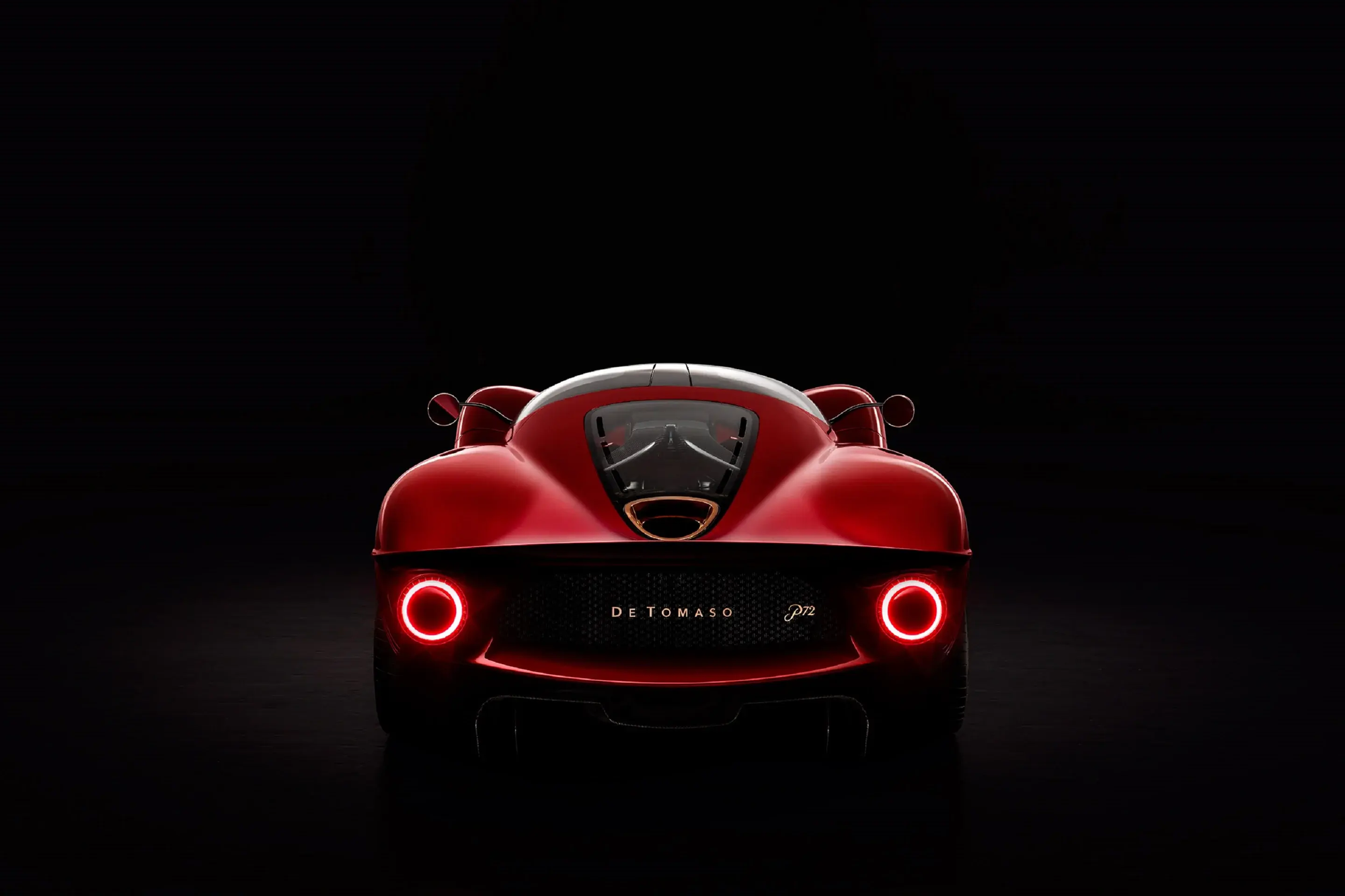
The car traces its lineage back to the 1965 De Tomaso P70, a short-lived but serious collaboration between Alejandro De Tomaso, Carroll Shelby, and designer Peter Brock. The original project never fulfilled its racing ambitions, but its ideas lived on, first through the Mangusta and later as part of the brand’s mythology. The modern P72 doesn’t try to rewrite that history. It simply continues it, with restraint.
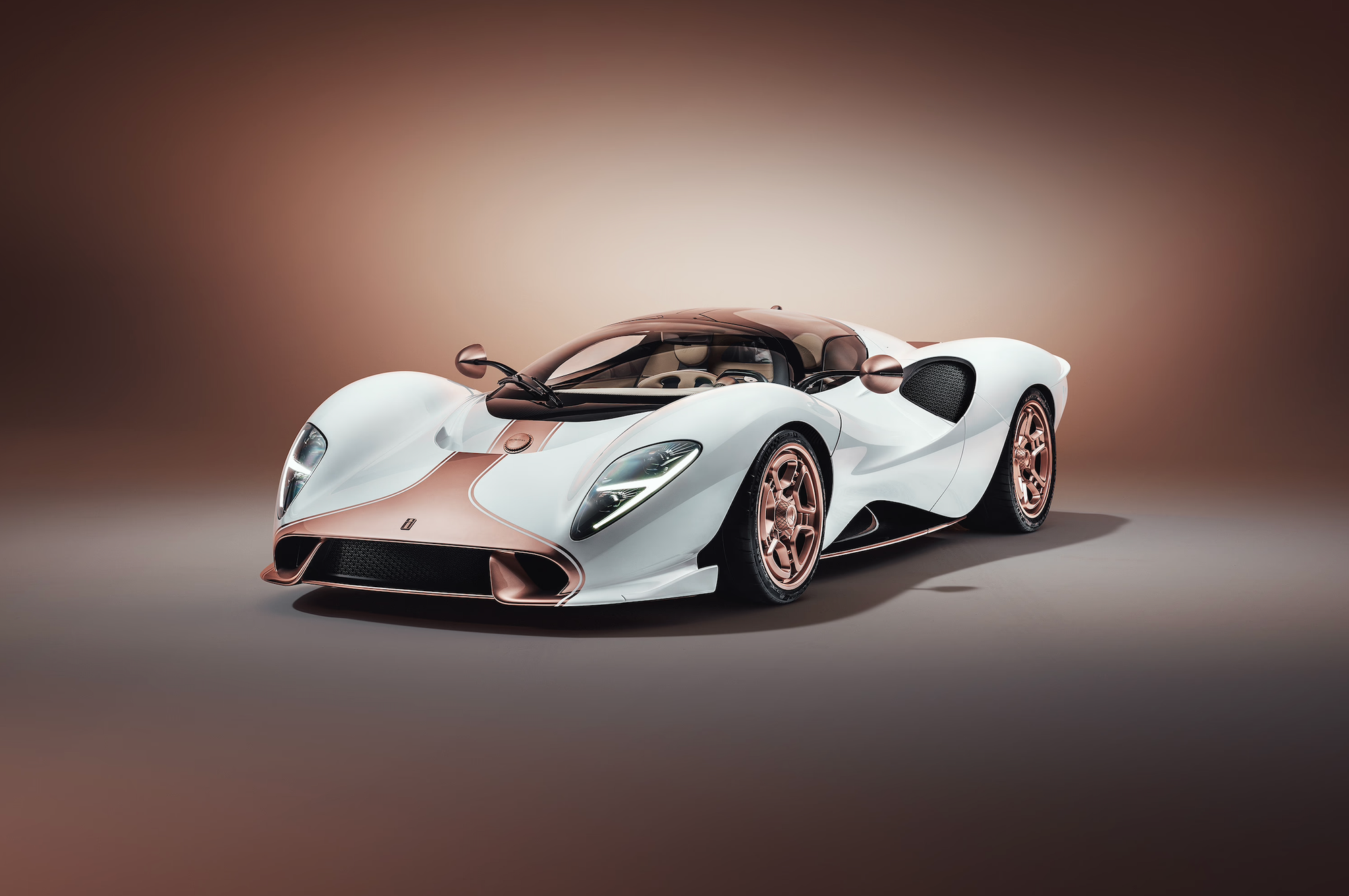
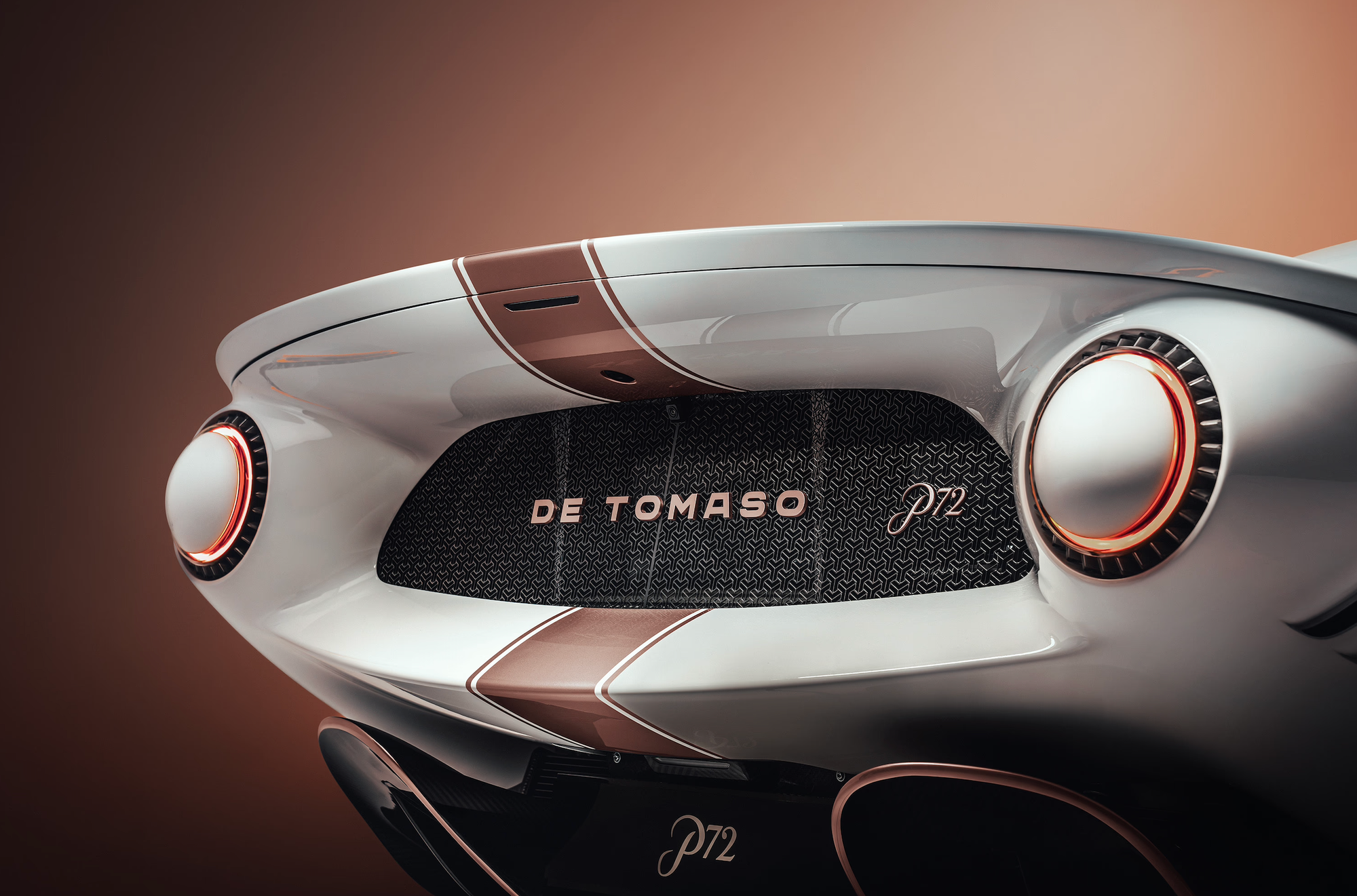
First revealed as a concept at Goodwood in 2019, the production-spec P72 shown in 2025 stays remarkably faithful to that initial vision. Its shape is fluid and muscular in a way that recalls 1960s endurance racers without slipping into costume. You can sense echoes of cars like the Alfa Romeo 33 Stradale or Ferrari 330 P3, but the design never feels like a collage of references. It just feels resolved.
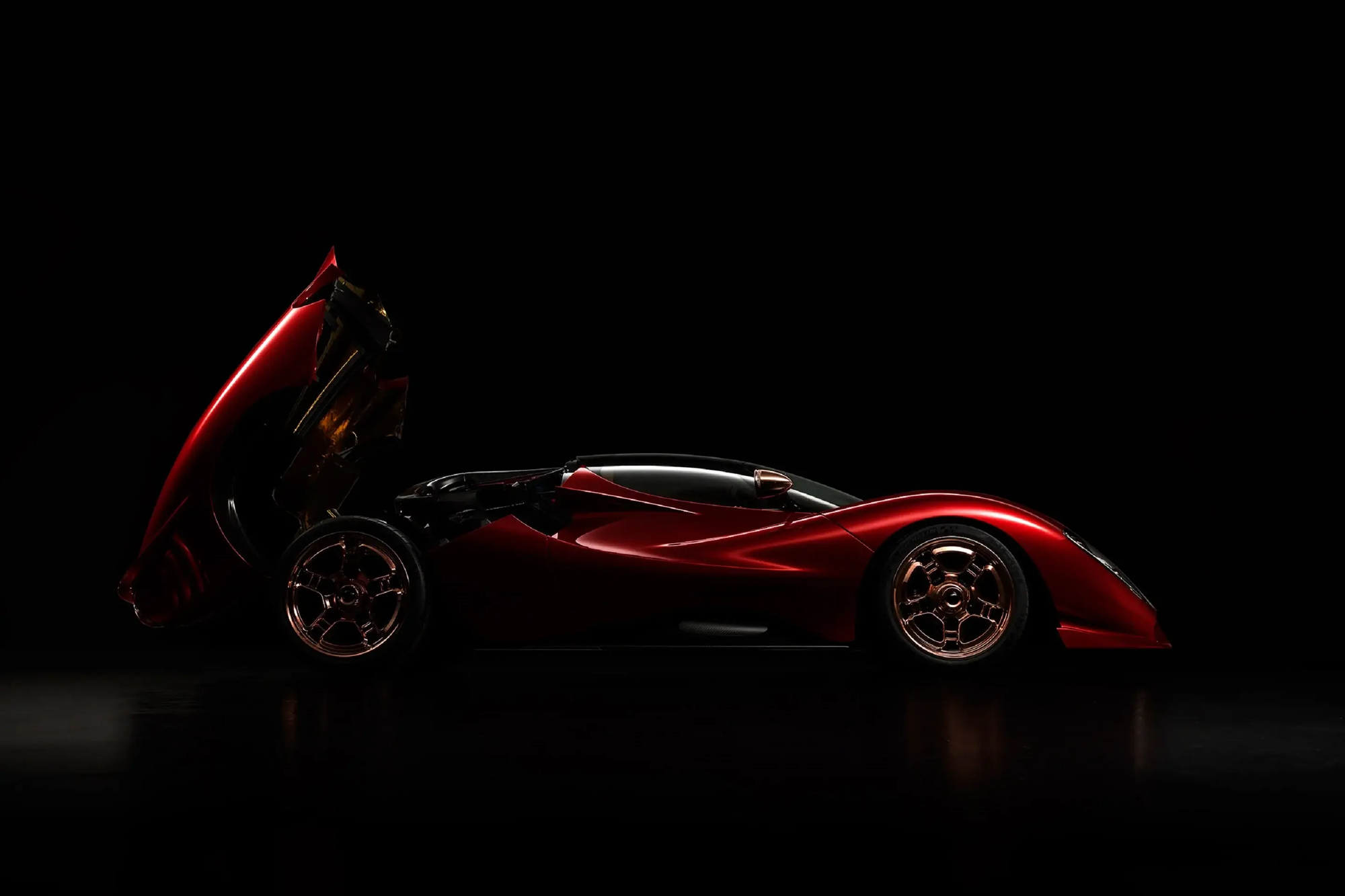
Underneath, the P72 sits on a clean-sheet carbon fiber monocoque developed specifically for this car. Power comes from a hand-assembled, supercharged 5.0-liter V8 producing roughly 700 horsepower, paired with a six-speed manual gearbox. De Tomaso has been clear about its priorities. This car is tuned for engagement, not leaderboard dominance. Short gearing, mechanical response, and feedback matter more here than lap times or top speed claims.
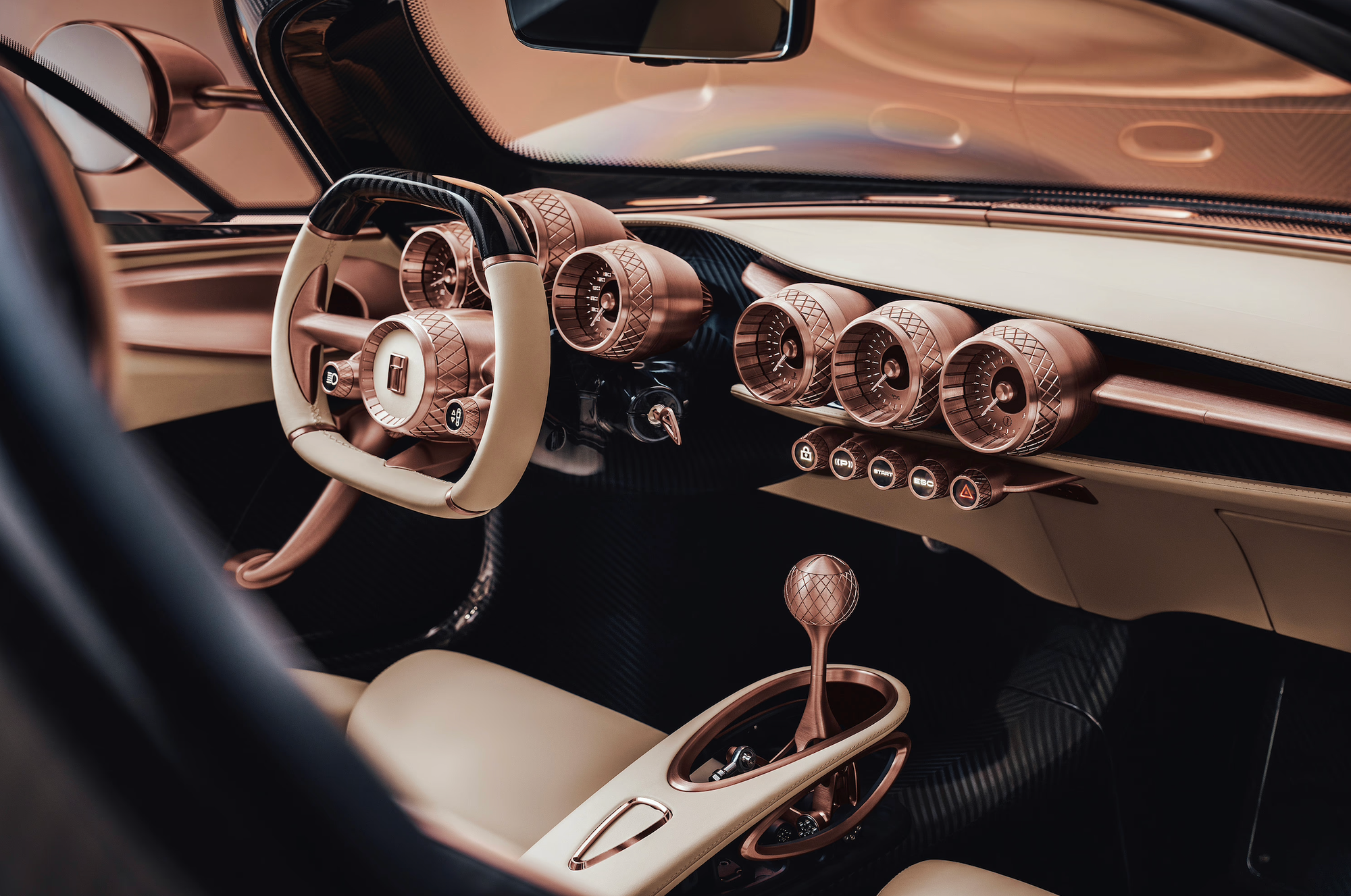
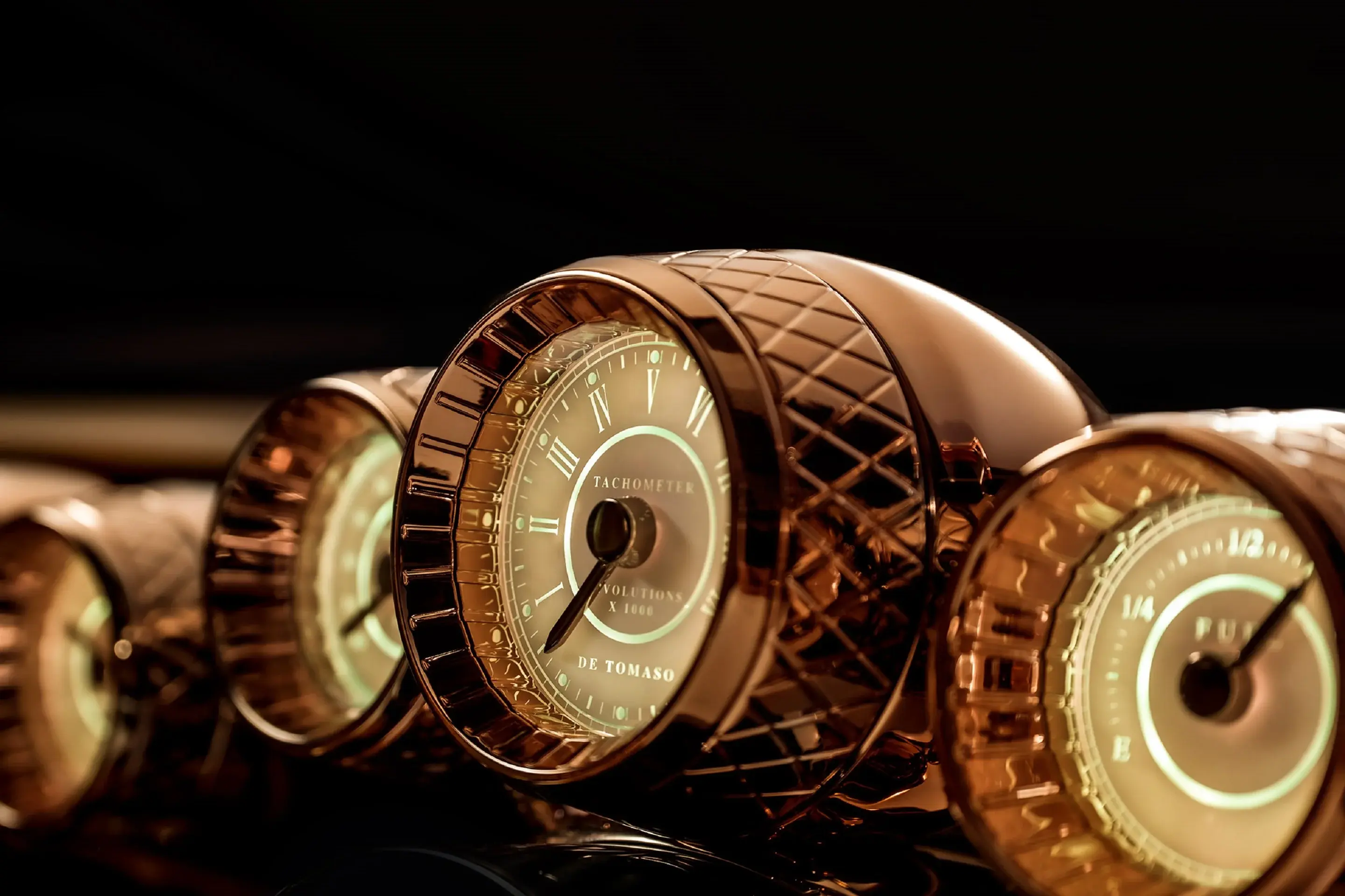
That philosophy becomes unmistakable once you step inside. The P72’s interior is deliberately analog. There’s no central screen, no infotainment theater, no selectable personalities. Instead, you’re surrounded by machined aluminum switchgear, quilted leather, and a set of jewel-like analog dials. The exposed linkage shifter sits proudly at the center, part tool, part sculpture. In 2026, that choice feels almost confrontational.
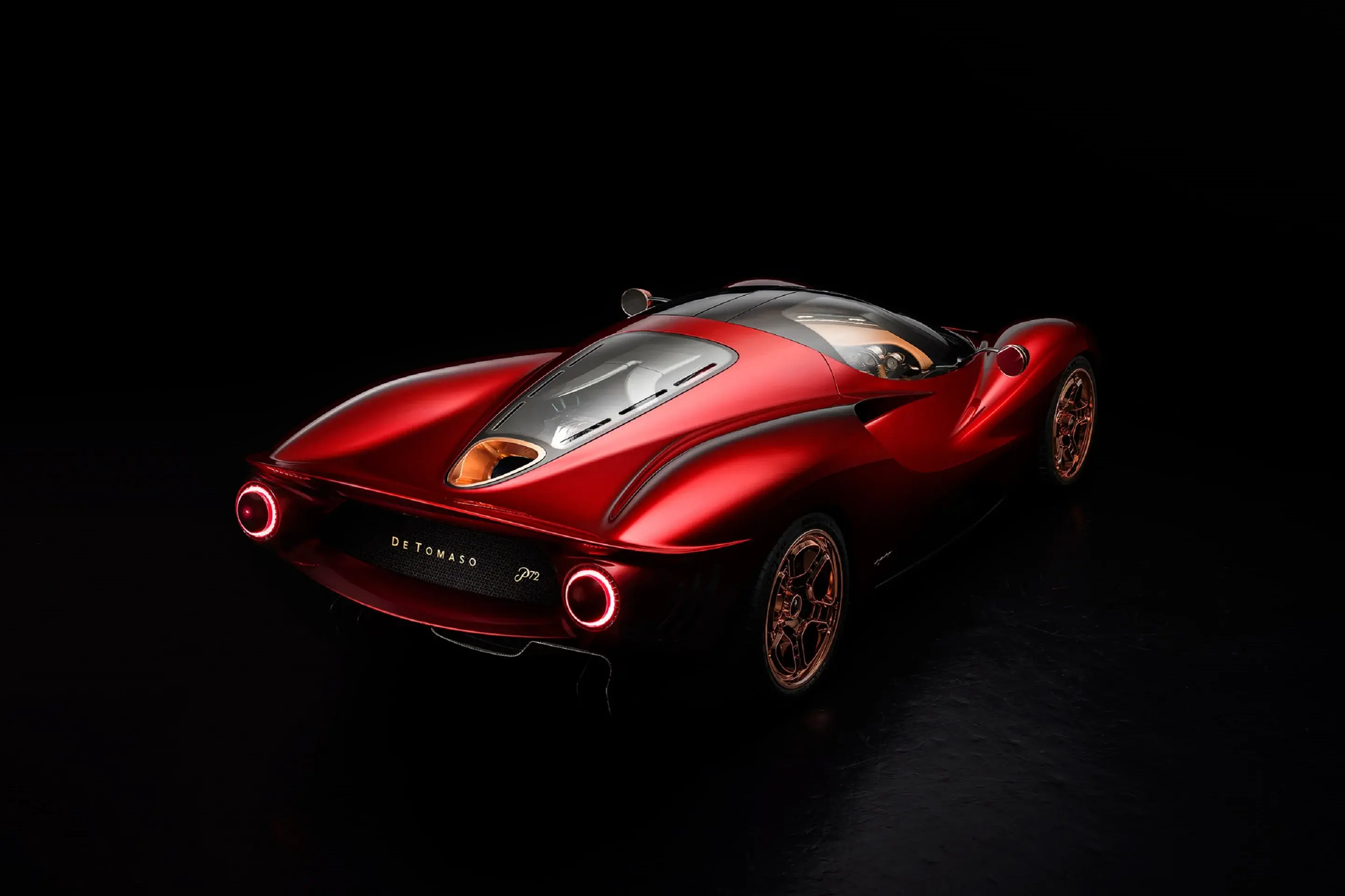
Only 72 examples of the P72 will be built, each individually commissioned, with prices landing around $1.7 million USD. It’s expensive, obviously. But the appeal isn’t rooted in exclusivity alone. The car taps into something more familiar. For anyone who grew up idolizing mid-engine supercars as objects of beauty first and machines second, the P72 scratches a very specific itch.
De Tomaso isn’t trying to win the future. It’s reminding people why cars mattered in the first place. And in doing so, it’s made something that feels genuinely desirable on design alone.