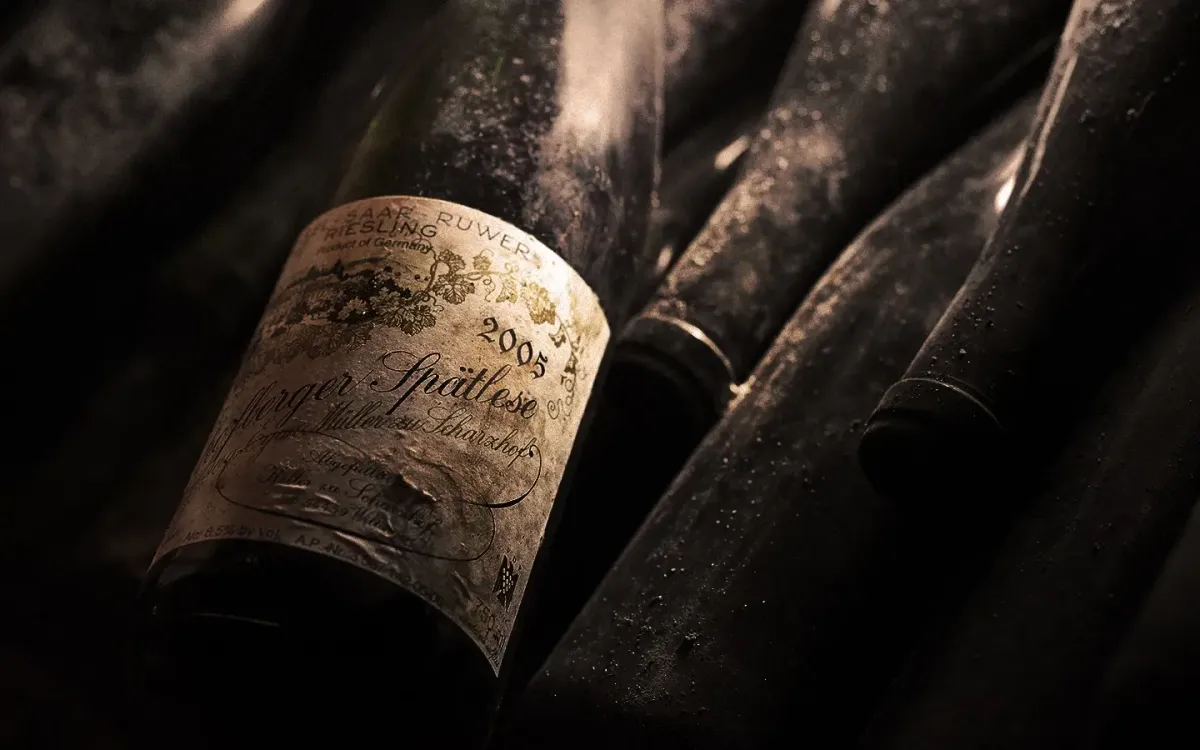
Not All Wine Is Meant to Impress You
If you are curious about wine, you usually start loud. Big reds. Big labels. Bottles that promise power. Somewhere down the line, if you stay curious long enough, things get quieter. Lighter. More precise. That is where Egon Müller lives.
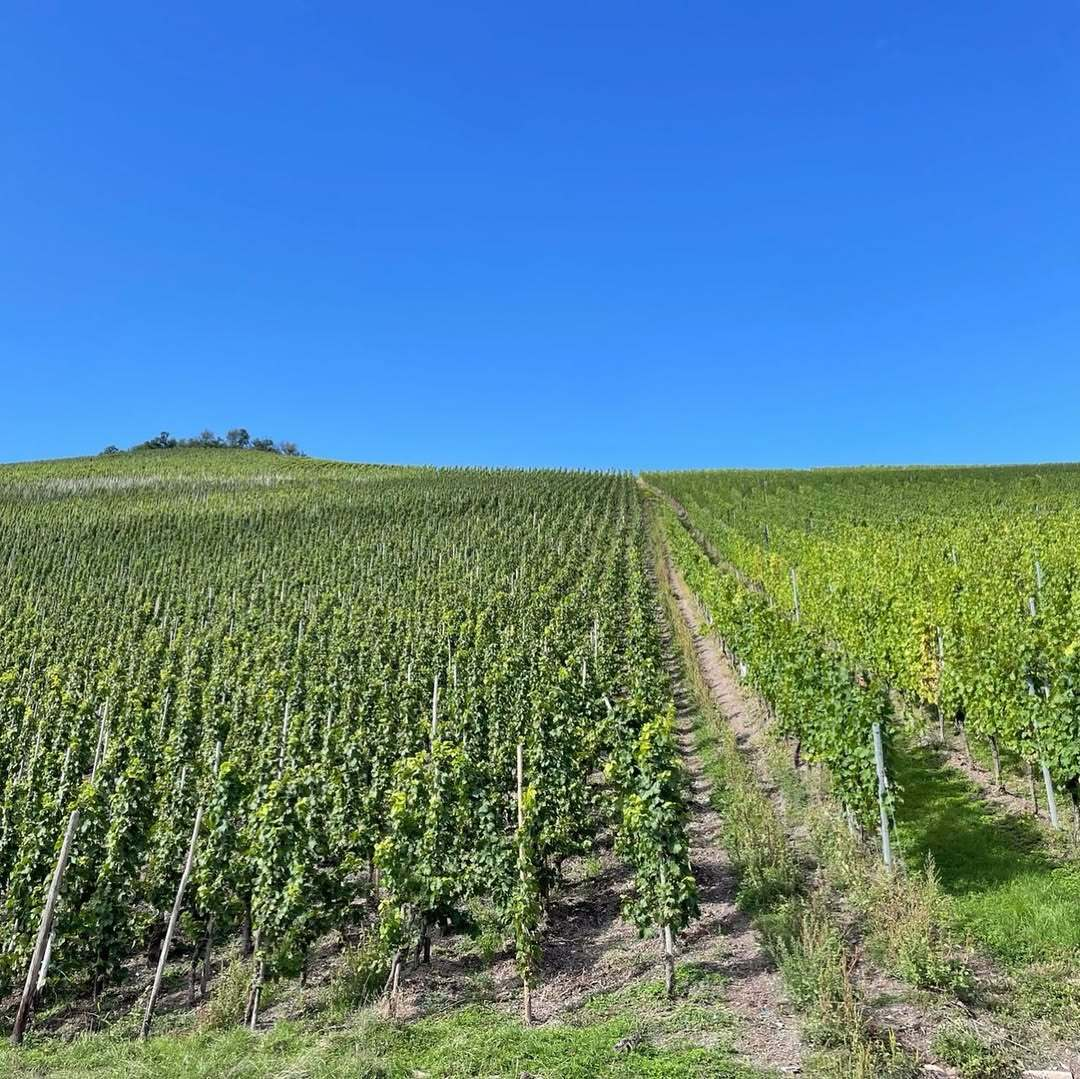
Egon Müller is a family-run winery in Germany’s Mosel region, a cold, winding river valley defined by steep slate hillsides and delicate grapes. The estate sits below one vineyard, Scharzhofberg, a single slope planted for centuries and considered one of the most important Riesling sites in the world. Wines from this hill are known for staying bright, focused, and alive even after decades in the bottle.
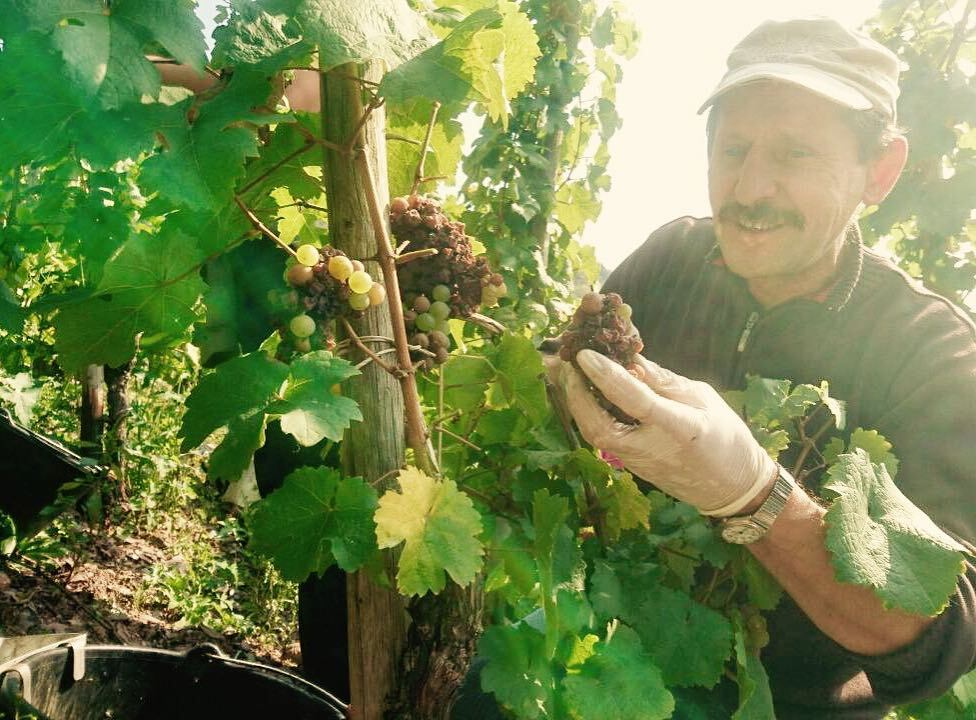
They work with one grape. Riesling. That is it.
Riesling is often misunderstood. Many people associate it with inexpensive sweetness or casual drinking. At Egon Müller, Riesling becomes something else entirely. Light, yes. Sometimes sweet, yes. But also mineral, tense, and built to last. These wines do not shout. They unfold.
At its core, what Egon Müller does is simple. They wait.
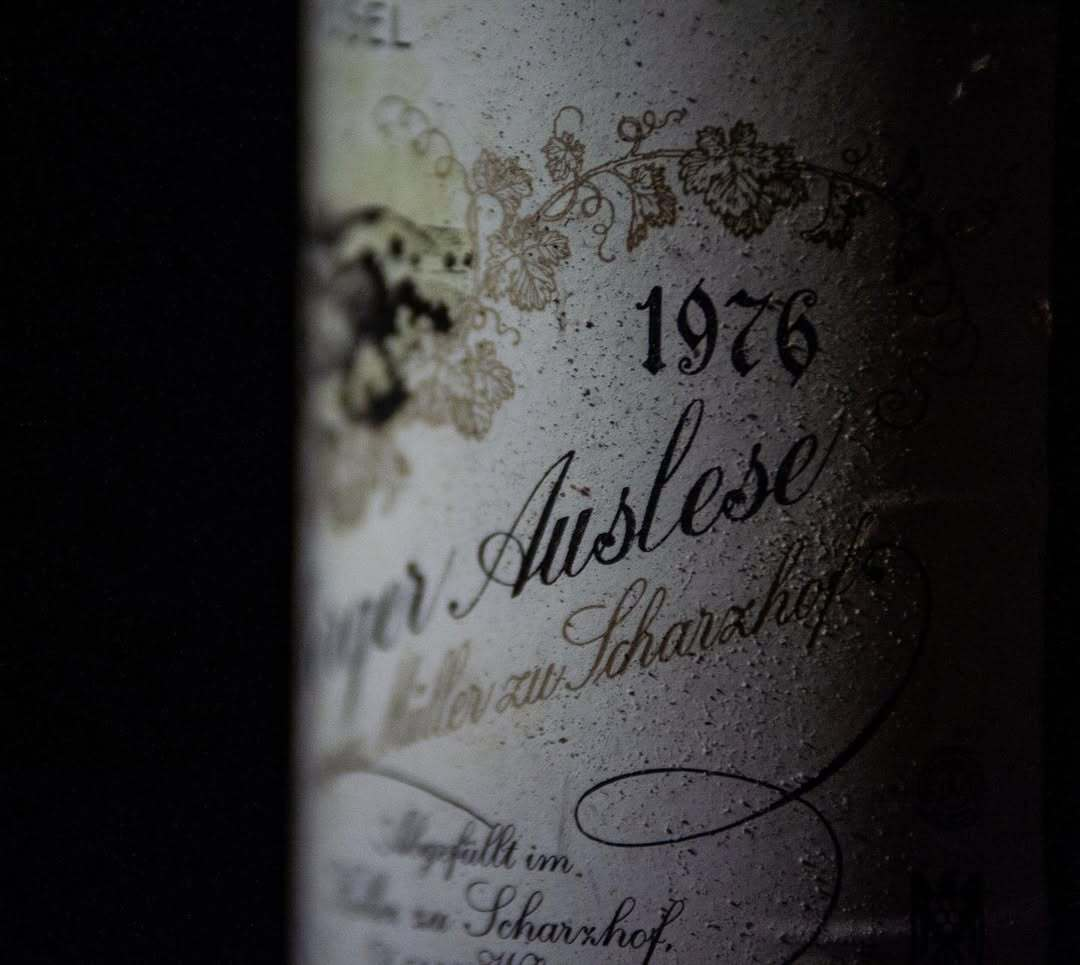
They wait for grapes to ripen in a cool climate. They wait for noble rot, a natural fungus that shrivels grapes and concentrates flavor without turning them rotten. They wait for years, sometimes generations, for the wines to become what they are meant to be. Some bottles are released knowing they may outlive everyone currently drinking them.
One Egon Müller bottle has become the most expensive white wine ever sold in Germany, a Trockenbeerenauslese made in tiny quantities and only in rare years. That fact often leads the conversation, but it misses the point. The wines did not become careful because they were expensive. They became expensive because nothing about the process was rushed, scaled, or bent to demand. Scarcity here is not designed. It happens naturally when you say no more often than yes.
To understand the wines, it helps to step back. German wines are organized by ripeness at harvest. Those ripeness levels create different styles from the same grape on the same hill.
Scharzhof Riesling is the entry point. Light, fresh, and balanced. A clear introduction to the estate’s sense of restraint.
Spätlese comes later. Riper grapes, more concentration, a touch of sweetness held firmly in place by acidity. This is often where people realize sweetness can feel structured rather than heavy.
Auslese goes further. Hand-selected grapes, more depth, slower drinking. The wines ask for attention rather than applause.
At the edge is Trockenbeerenauslese. Microscopic production. Tiny bottles. These wines appear more at auctions than tables not because they are exclusive, but because they are genuinely rare.
The estate has been family-run since 1797 and remains the only German member of Primum Familiae Vini, a group of twelve of the world’s most respected wine families. Yet the operation itself remains small. No expansion. No trend chasing. No explaining things louder than the wine already does.
What makes Egon Müller culturally important is not price or mythology. It is restraint.
In a wine world that often chases power, oak, and immediacy, Egon Müller represents a different value system. One that treats patience as luxury. Lightness as strength. Time as a collaborator.
If wine is about pleasure, Egon Müller shows that pleasure does not need volume. Sometimes, it only needs clarity.