The Architect Who Let Buildings Feel Alive
Frank Gehry changed architecture without ever trying to make it behave.
Rather than prescribing a single language or enforcing a fixed idea of taste, he expanded what architecture felt allowed to do. His buildings bent, collided, and surprised as a form of permission, reshaping how cities understood culture, movement, and emotion.
Born in 1929, Gehry came of age far from the European centers that once defined architectural seriousness. That distance mattered. His sensibility formed at the edge of authority, shaped as much by artists and musicians as by architects. Intuition carried weight. Process mattered more than polish. Architecture, for Gehry, was never static or instructive. It participated in life.
That attitude became impossible to ignore in the late 1970s with his house in Santa Monica. By wrapping a modest pink Dutch Colonial in chain link fencing, corrugated metal, exposed framing, and fractured glass, Gehry produced something stubbornly personal. The house refused refinement as a requirement. It didn’t explain itself. It behaved the way a sketch behaves: provisional, searching, alive. In a city obsessed with pristine surfaces and real estate theater, it was unmistakably Los Angeles.
That freedom came directly from art. Gehry’s closest collaborators and influences were West Coast artists like Ed Ruscha, Larry Bell, Ken Price, Robert Irwin, and Claes Oldenburg. Within that circle, experimentation carried no apology. Cheap materials weren’t ironic gestures. They were honest ones. Gehry absorbed that ethos and translated it into space.
As his projects scaled up, resistance followed. His work was dismissed as chaotic, especially when it entered civic space. Yet projects like the Temporary Contemporary in Los Angeles revealed something else entirely. By transforming a police car warehouse into a major art venue, Gehry showed how industrial leftovers could become cultural infrastructure, long before “adaptive reuse” became a professional talking point.
That sensibility entered the public imagination through the Chiat/Day headquarters in Venice, fronted by Claes Oldenburg and Coosje van Bruggen’s monumental binoculars. Art, architecture, and commerce collided without hierarchy. Playfulness wasn’t decoration. It was structure.
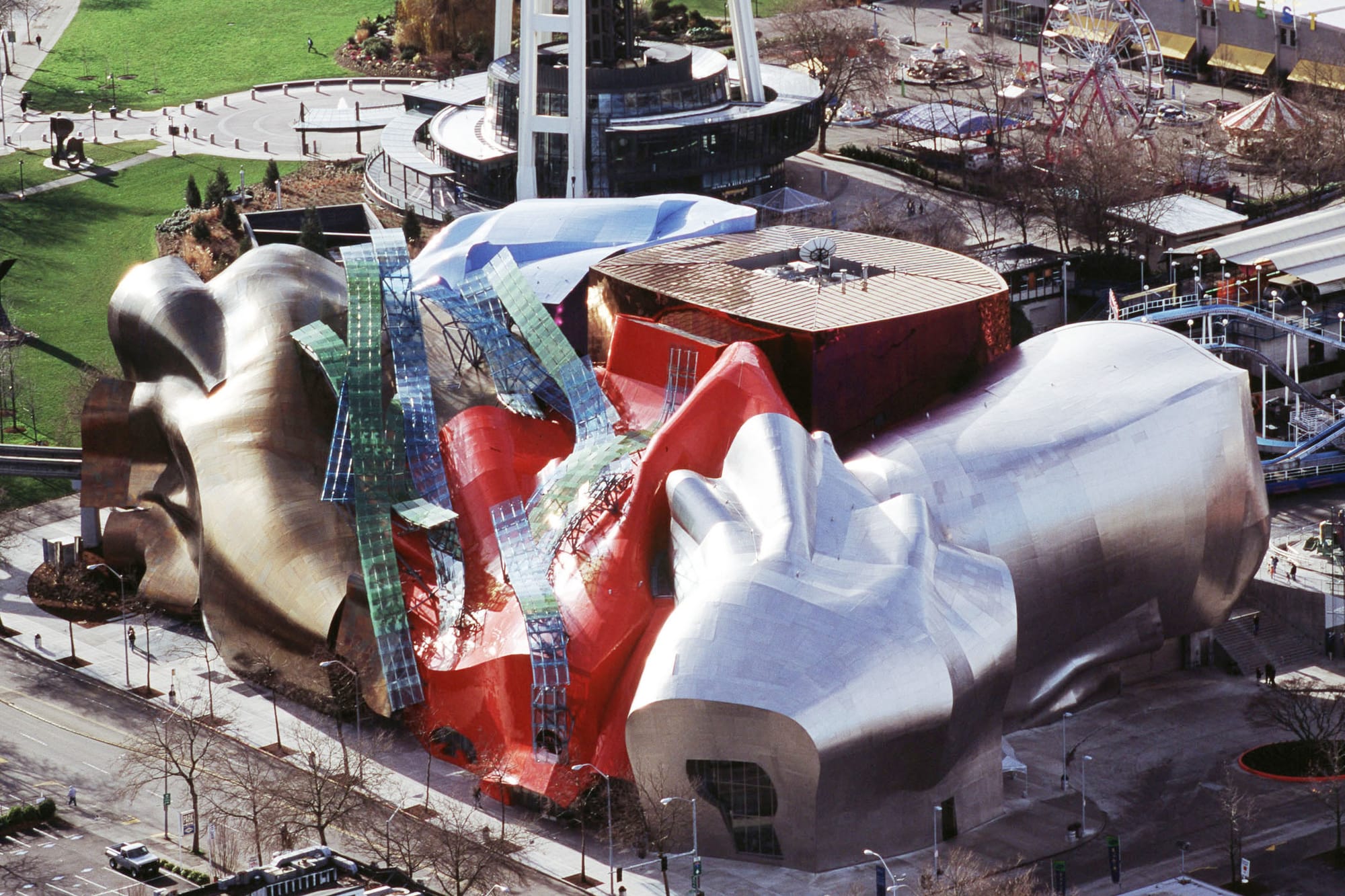
The Guggenheim Museum Bilbao marked a lasting shift. Its impact had little to do with novelty and everything to do with consequence. The building worked. The city changed around it. Architecture reshaped economics, tourism, and civic pride without flattening itself into branding. The so-called Bilbao effect was less a formula than a reminder that ambition still mattered.
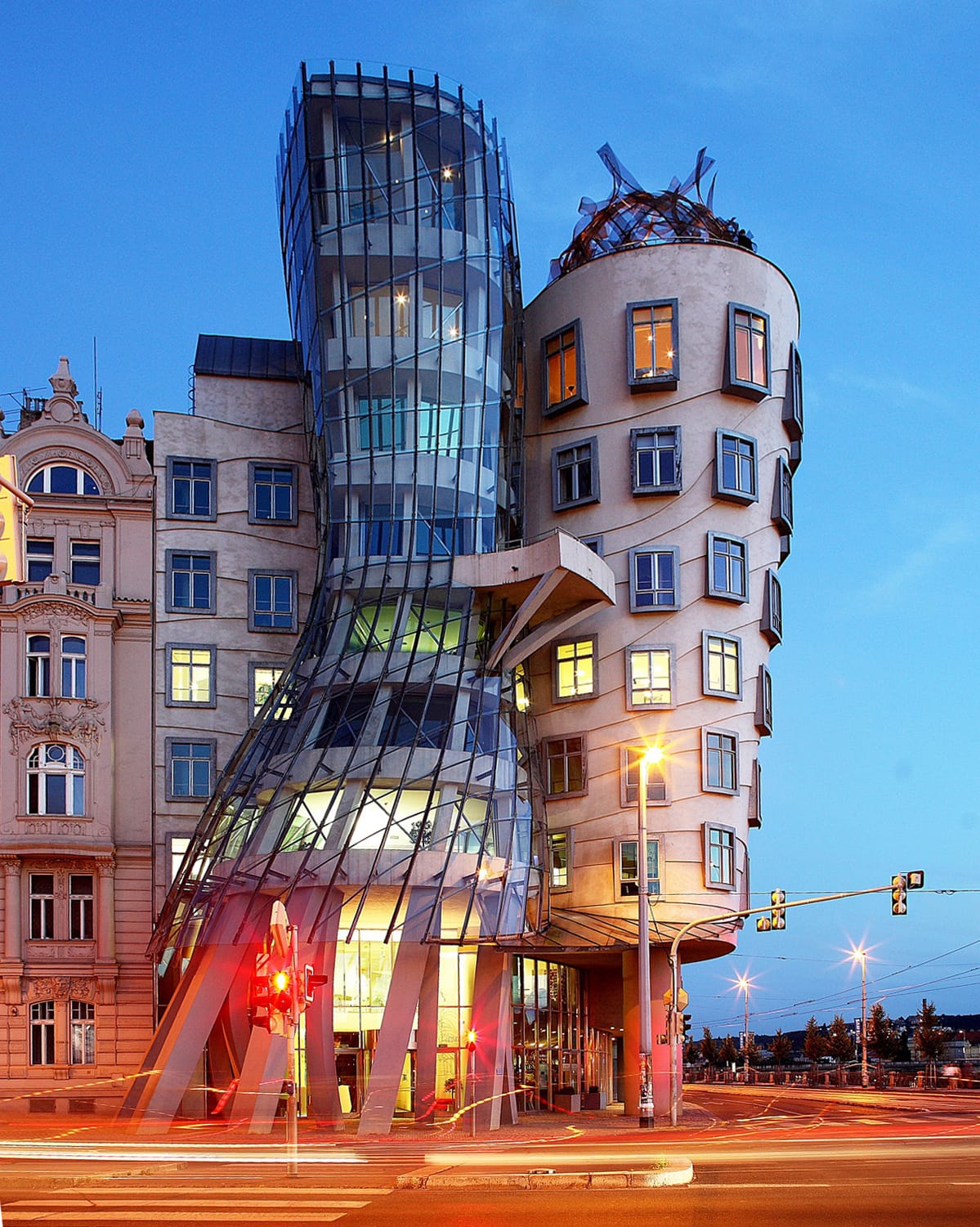
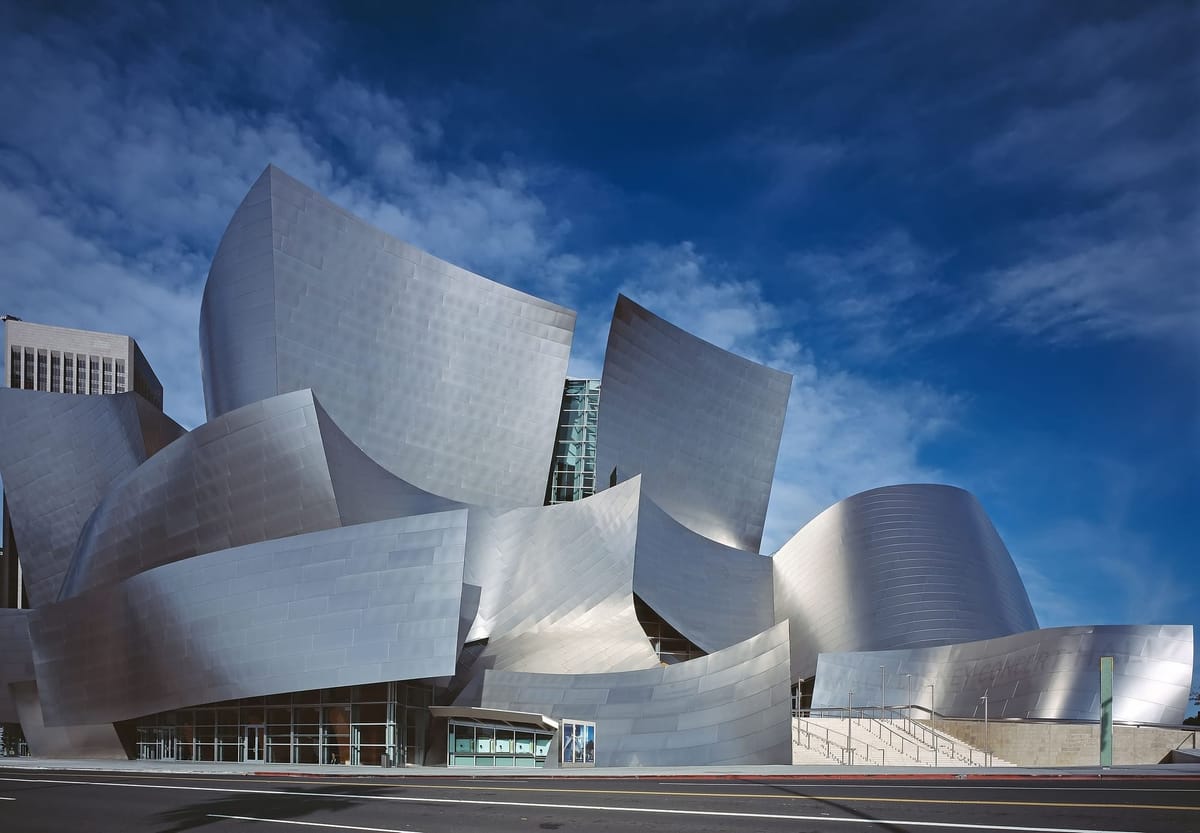
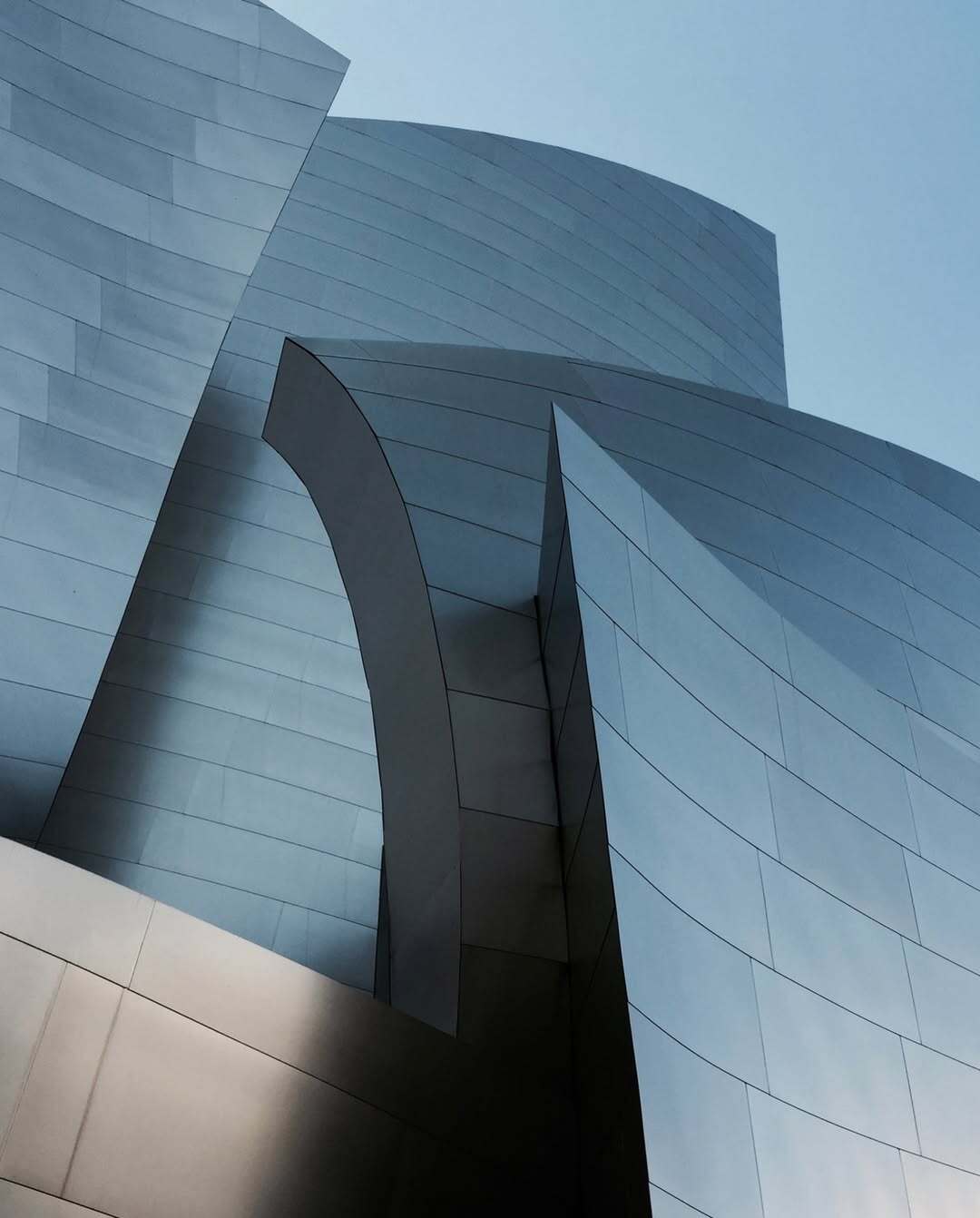
The Walt Disney Concert Hall carried that philosophy inward. While its exterior drew attention, its real achievement lived inside the room. Gehry obsessed over acoustics, sightlines, and the relationship between performers and listeners. Musicians shaped the building as much as drawings did. The result wasn’t domination of downtown Los Angeles, but generosity within it.
Gehry’s work was disciplined, collaborative, and precise. His use of aerospace software to model complex forms wasn’t indulgence; it was necessity. Clients often spoke less about what his buildings looked like than about how attentively he listened, how relentlessly curious he remained.
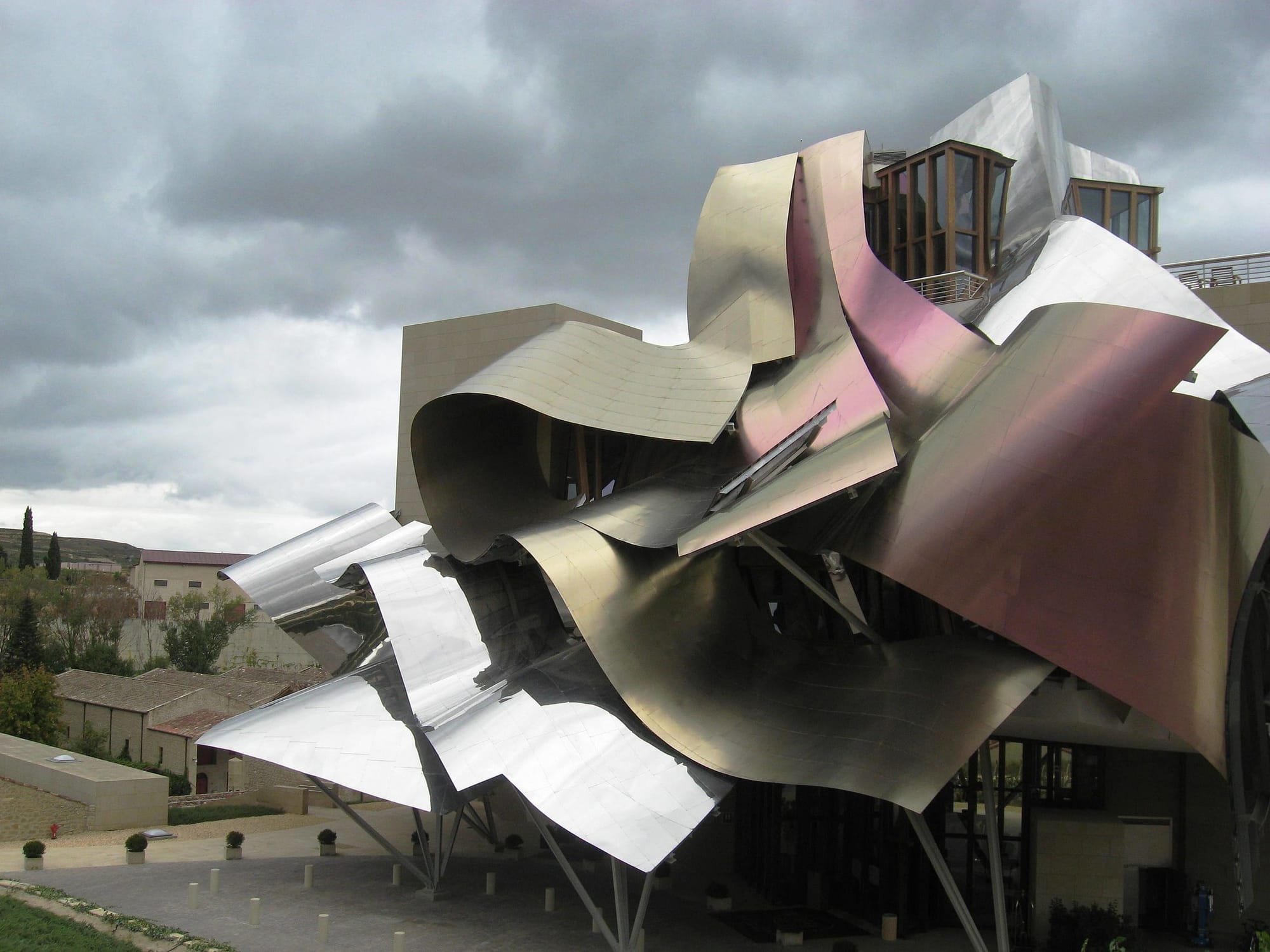
That intensity had edges. Gehry could be demanding, and not every collaborator felt comfortably held within his orbit. Yet that drive coexisted with a belief that architecture should serve people. In his later years, he increasingly designed projects free of charge, including facilities for the Youth Orchestra of Los Angeles, cancer care centers like Maggie’s in Dundee, and the Children’s Institute campus in Watts. These buildings carried no less ambition, only more care. The Watts campus fragments space to protect it, opening light and air without imposing scale. It feels attentive rather than monumental.
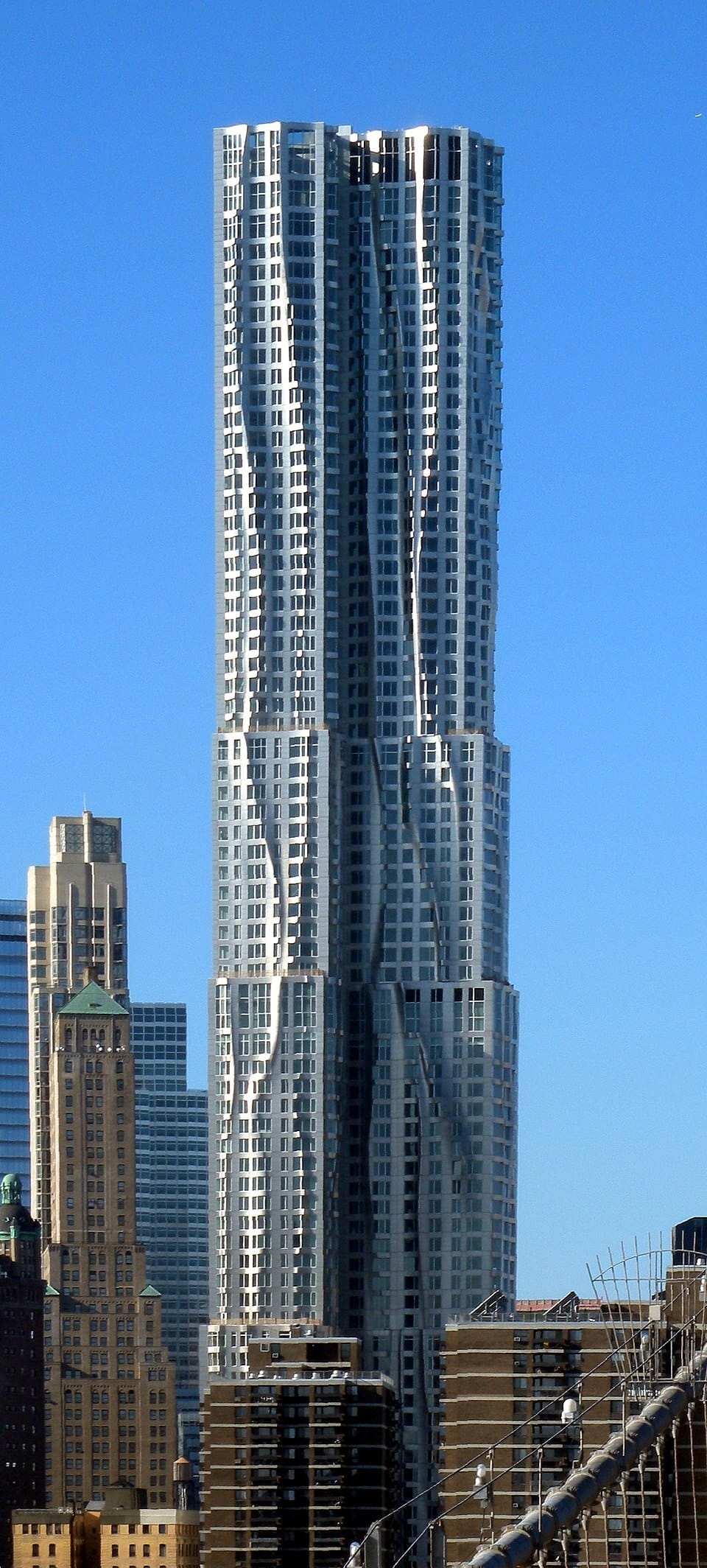
Joy runs through Gehry’s work. His buildings invite touch, movement, and discovery. People want to sit on them, walk through them, return to them. Even at their most radical, they never drift into abstraction for abstraction’s sake. Complexity remains welcoming.
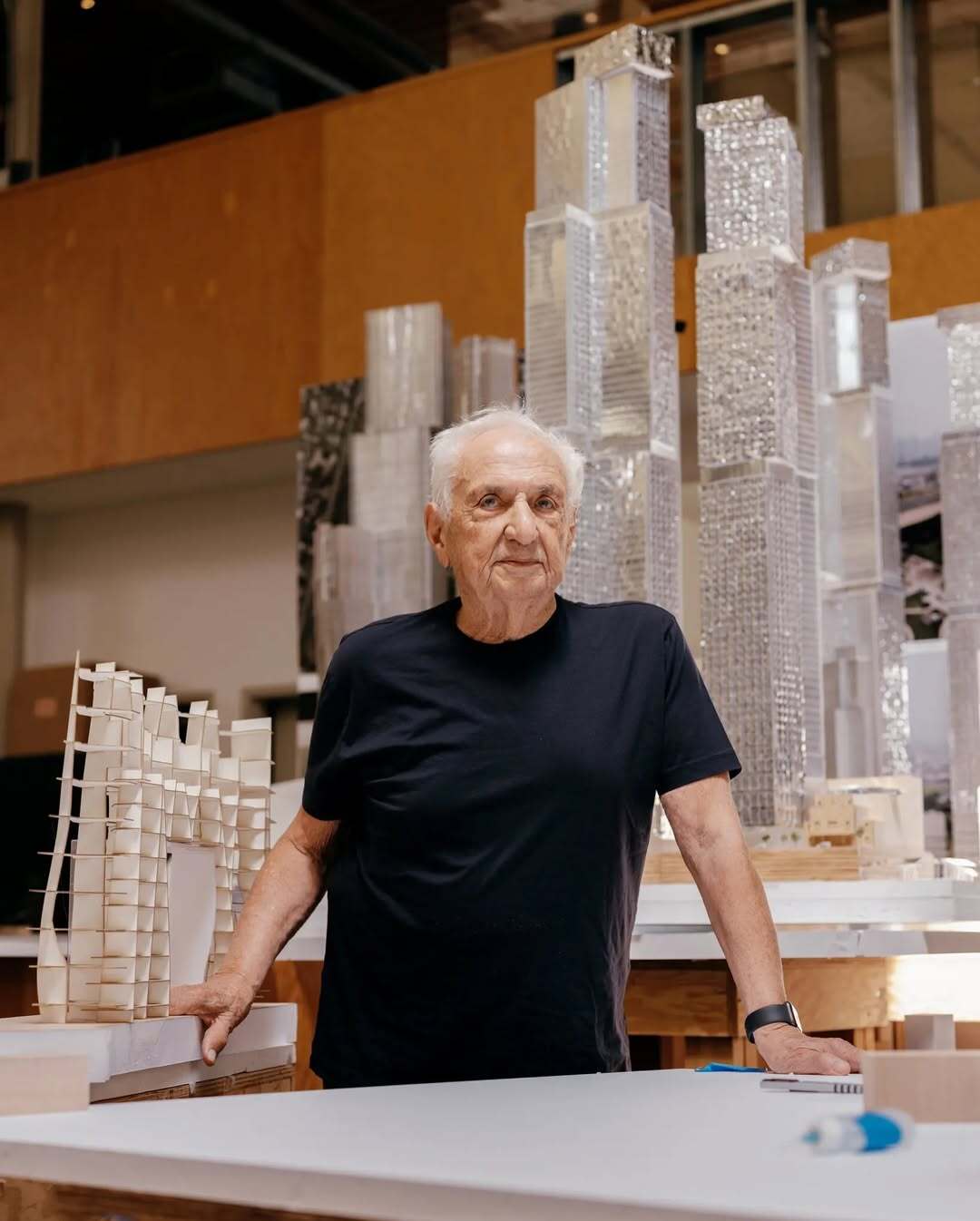
Frank Gehry passed away in 2025. His legacy does not reside in a single silhouette or landmark. It lives in the confidence he gave the discipline itself. There was no style to inherit.
What remained was permission.
Once architecture remembered how to feel, there was no returning to silence.