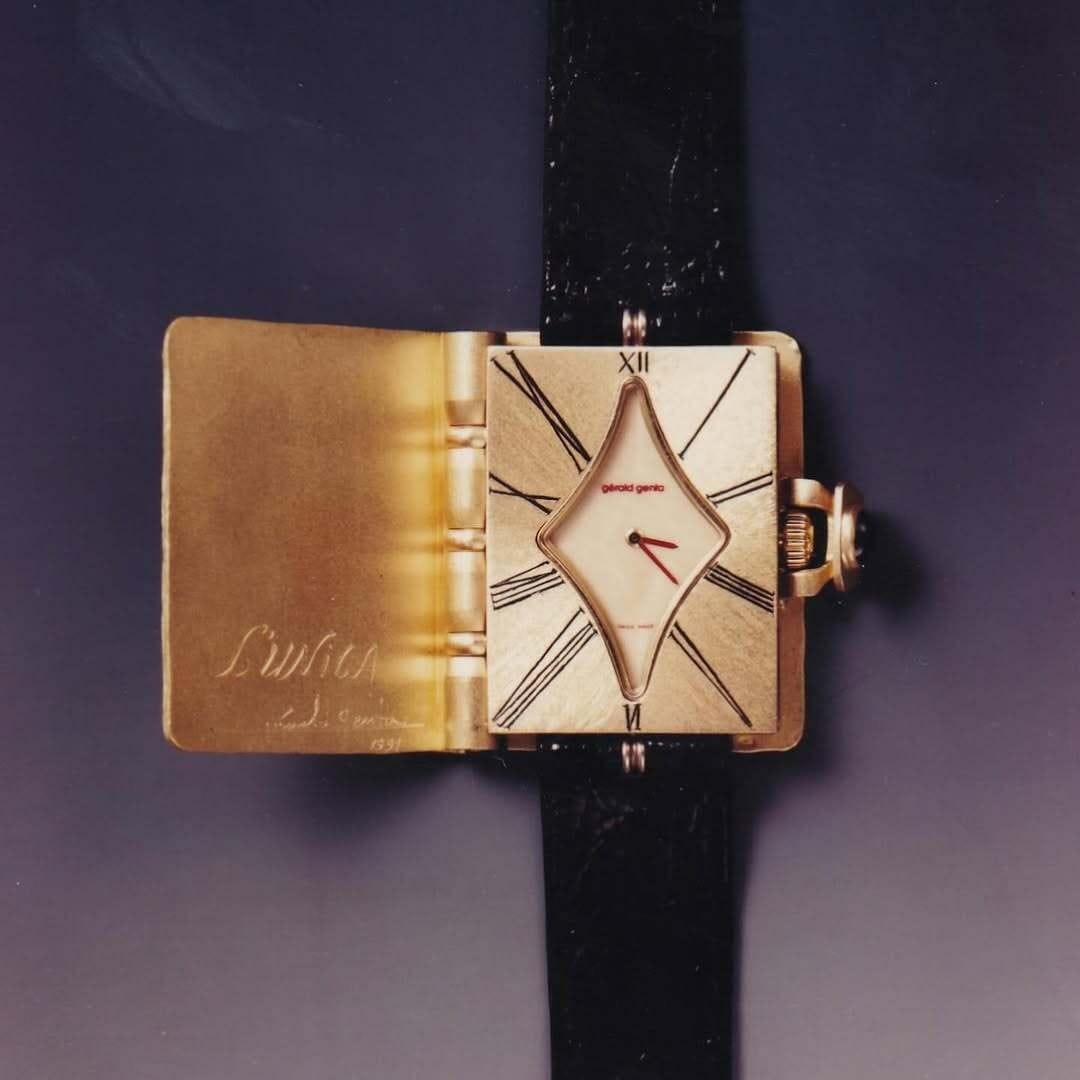
The Watch Designer Who Probably Got You Into Watches
Most people don’t get into watches because of movements, tolerances, or heritage. They get into watches because something looks different on a wrist and refuses to explain itself. Gérald Genta is why that moment exists.
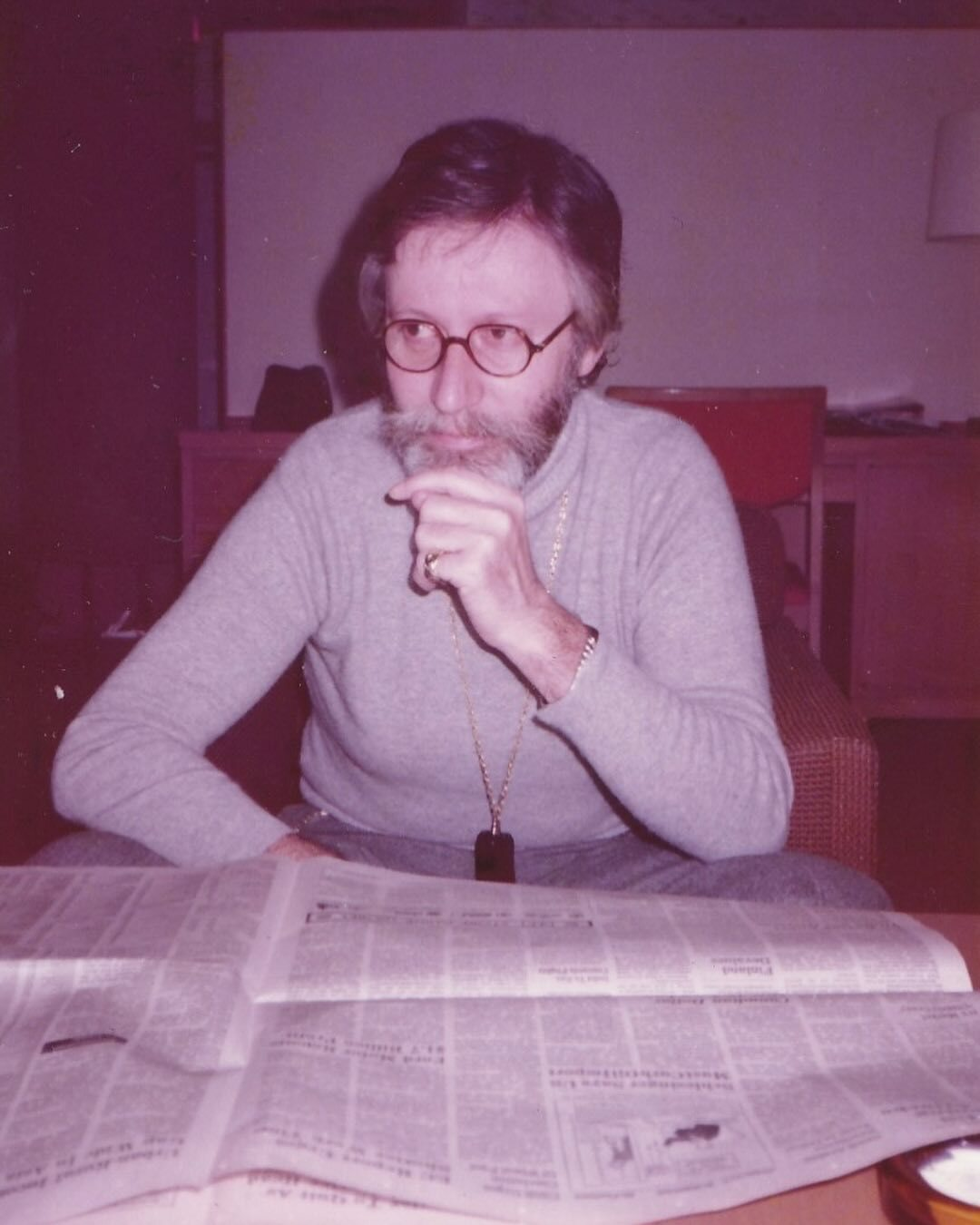
Born in Geneva in 1931, Genta trained as a jeweler and painter, not as a traditional watchmaker. He sketched constantly. He treated watches as objects first, systems second. Long before his name became shorthand inside collector circles, his designs were already shaping how people related to timepieces without knowing who drew them.
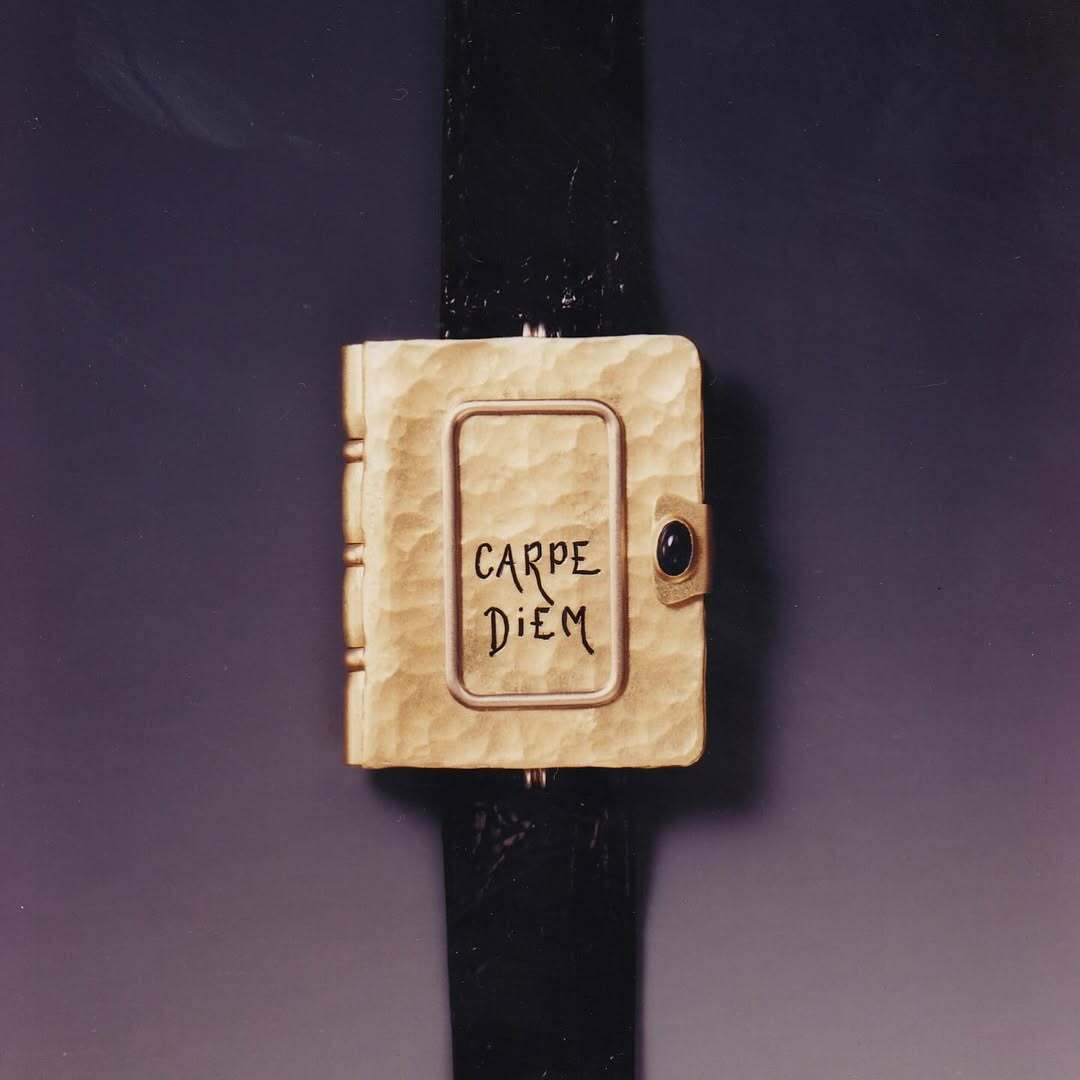
If you’ve ever stared at a steel watch and thought it felt expensive without understanding why, you’ve already met him.
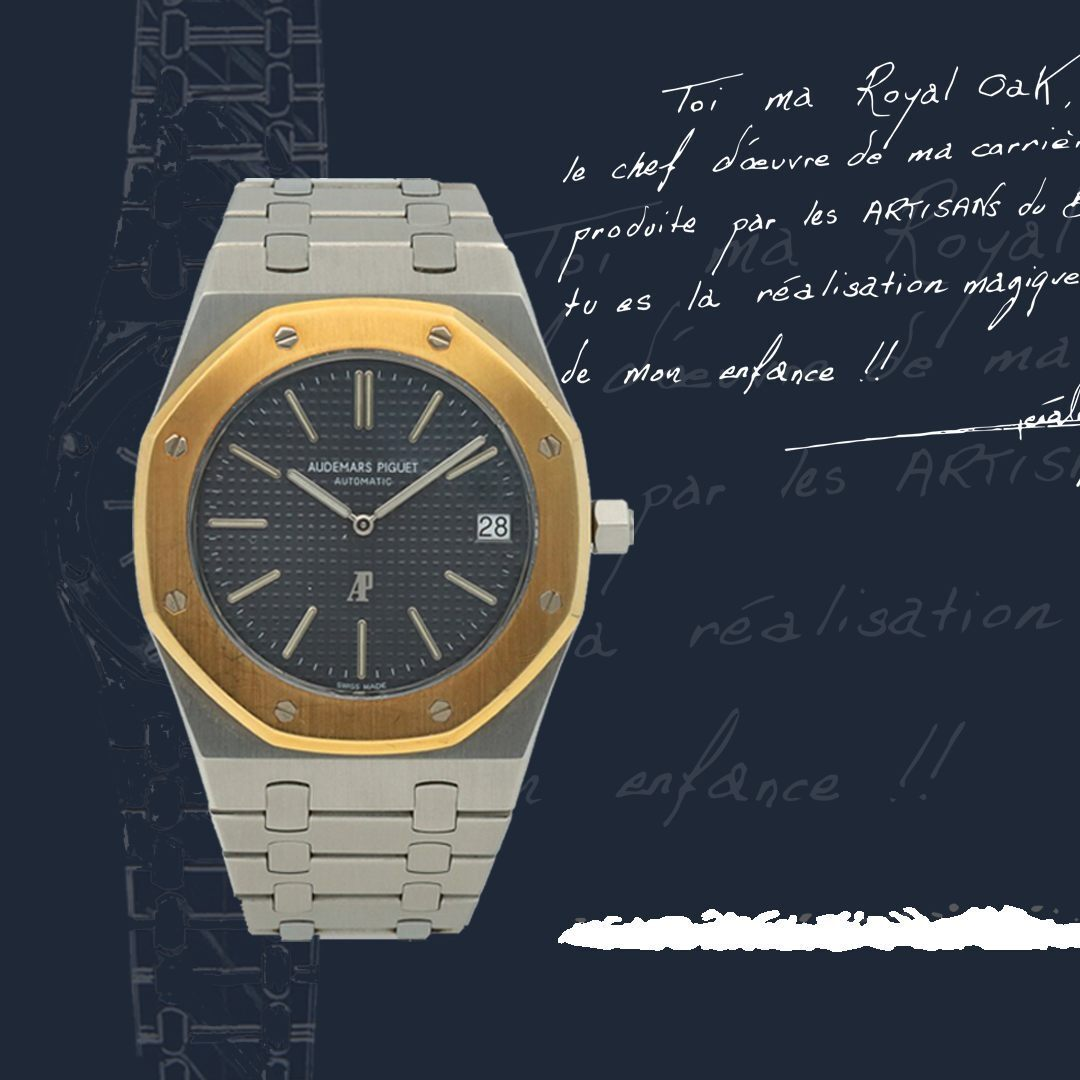
In 1972, Audemars Piguet released the Royal Oak. A stainless steel watch priced higher than many gold ones, with exposed screws, a flat industrial bracelet, and a case that looked closer to diving equipment than jewelry. It confused people. It upset retailers. It quietly rewired expectations. Luxury was no longer tied to material alone. It could come from design confidence.
Four years later, Patek Philippe followed with the Nautilus. Softer edges. Nautical cues. The same refusal to behave like a traditional dress watch. Genta sketched it in minutes, but the effect has lasted decades. These watches didn’t just succeed. They created a language other brands still speak fluently.

Genta never treated watches as sacred objects. He designed cartoon characters performing jump hours. He built minute repeaters shaped like architecture. He created complicated watches meant to be worn loudly by people who understood exactly what they were buying. He was as proud of his work for Timex as he was of anything sold to royalty.
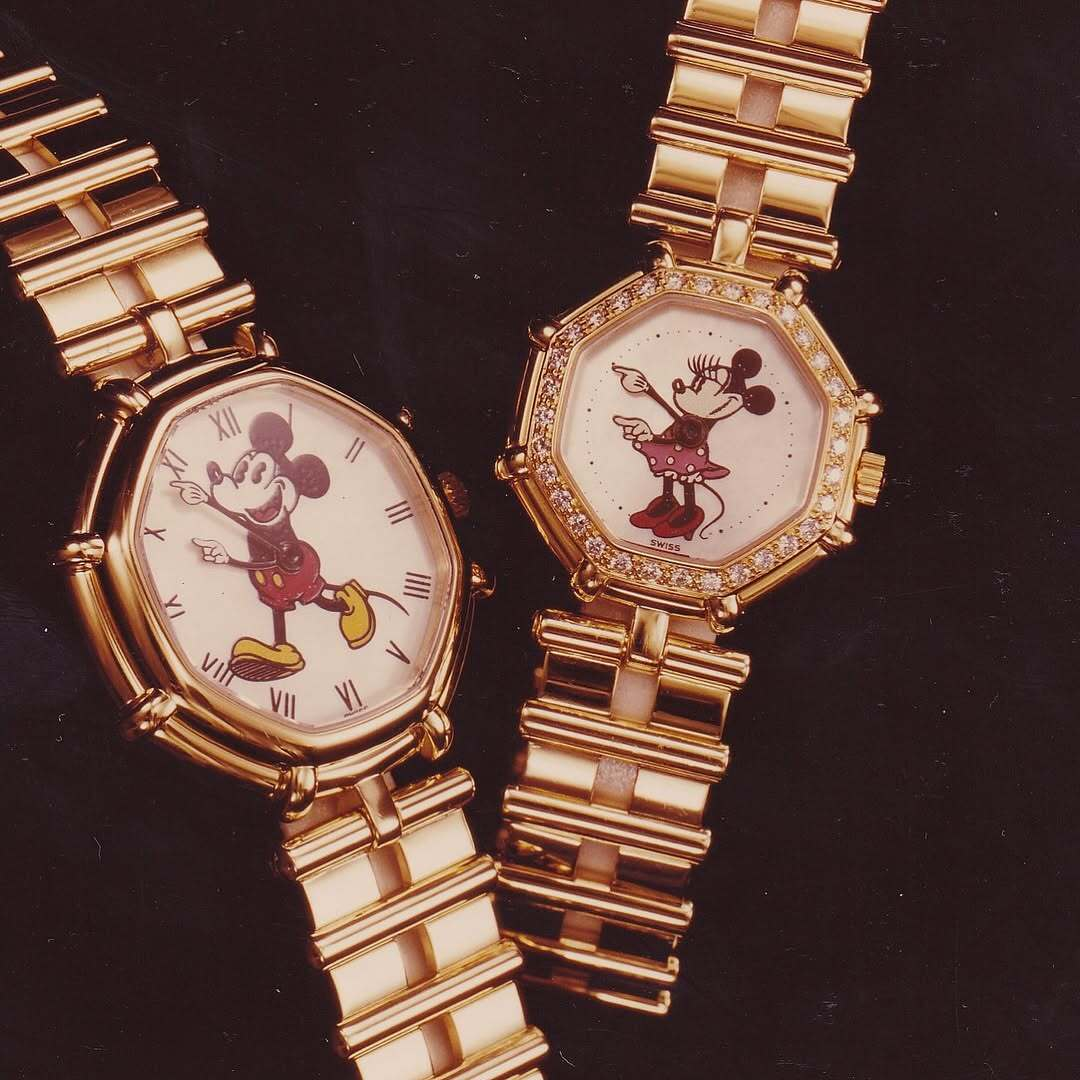
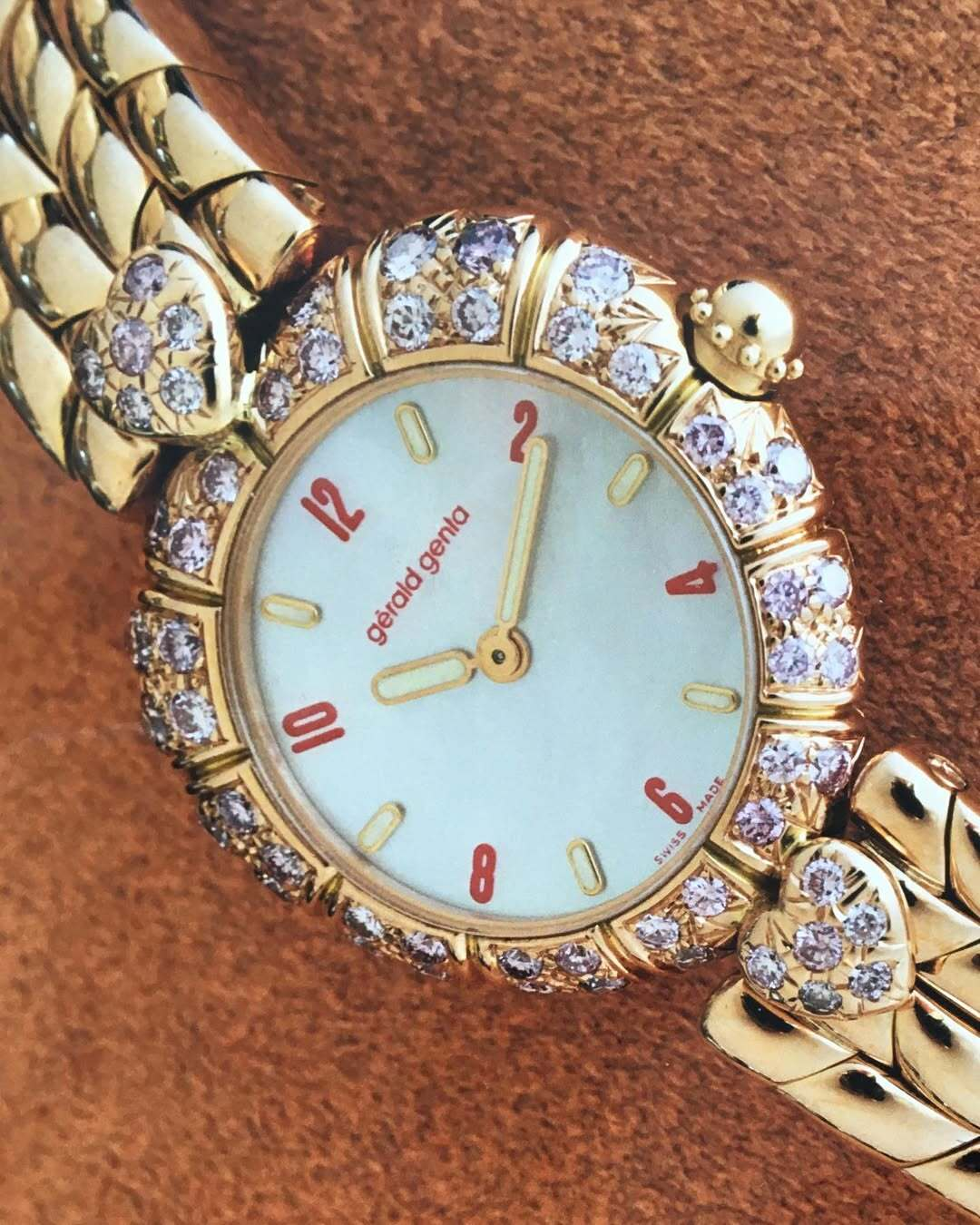
What made Genta different wasn’t range. It was conviction. He designed for himself, then trusted the world to catch up.
Today, his influence sits everywhere, often unnoticed. Integrated bracelets. Sport watches treated as cultural symbols. Steel worn as status. Even the current revival of his namesake brand under LVMH points forward, not backward. The goal isn’t to recreate old hits. It’s to keep using design to change behavior.
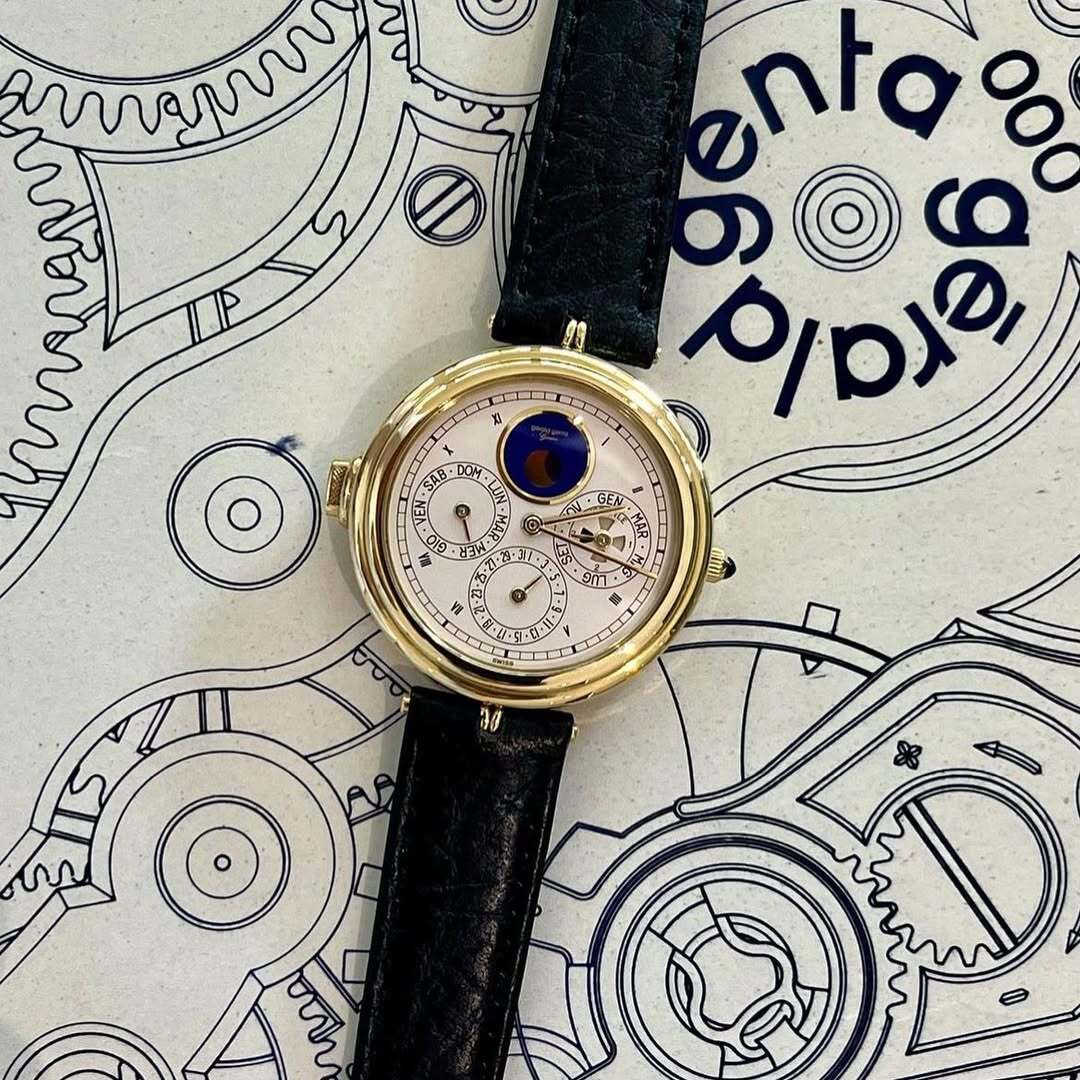
Gérald Genta didn’t make watches easier to understand. He made them harder to ignore. If you ever found yourself caring about what was on someone’s wrist before knowing what it was, the introduction probably came from him.
Not through explanation. Through recognition.