The Cultural Codebreaker Who Proved Subtlety Beats Hype
There’s a theory that runs through Tokyo’s creative circles: if you trace almost any modern streetwear idea back far enough, the line eventually hits Hiroshi Fujiwara. Not because he invented them, but because he refined how culture edits itself.
Fujiwara’s influence is built on restraint. He came back from London and New York in the 1980s with punk attitude, hip hop references, and an almost forensic eye for American design that most Americans had forgotten they ever cared about.
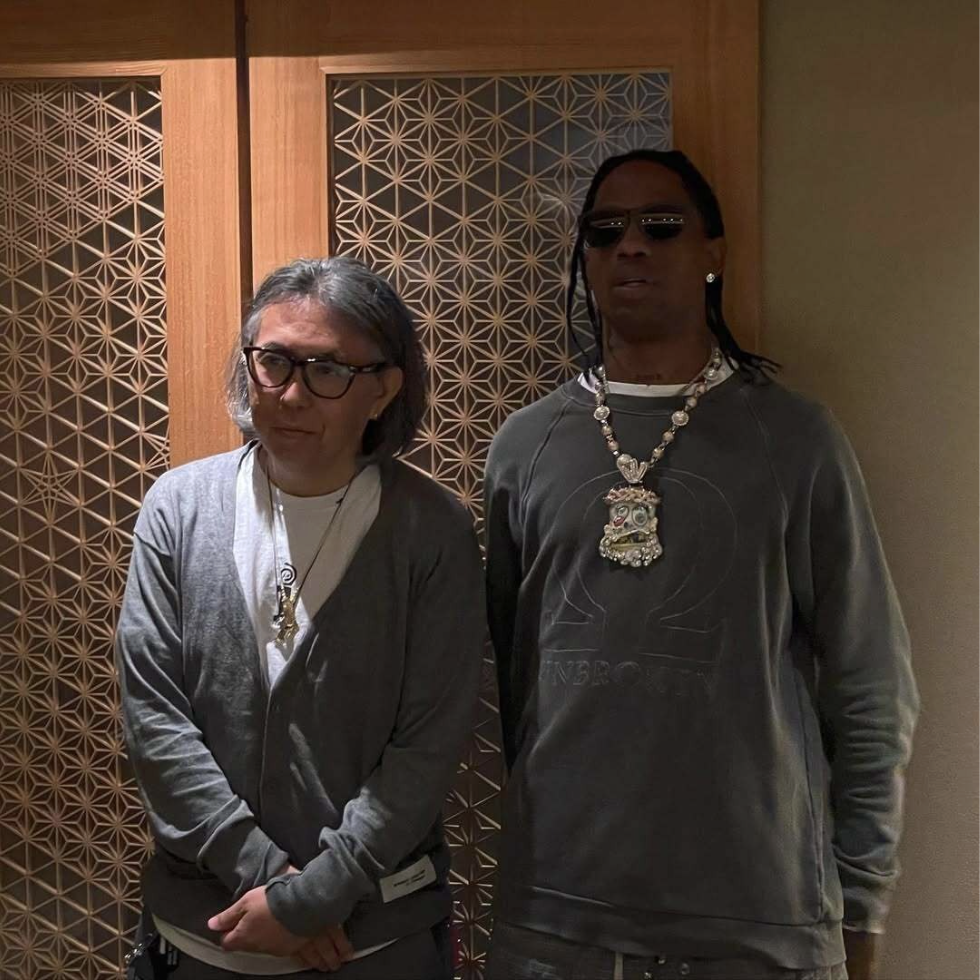
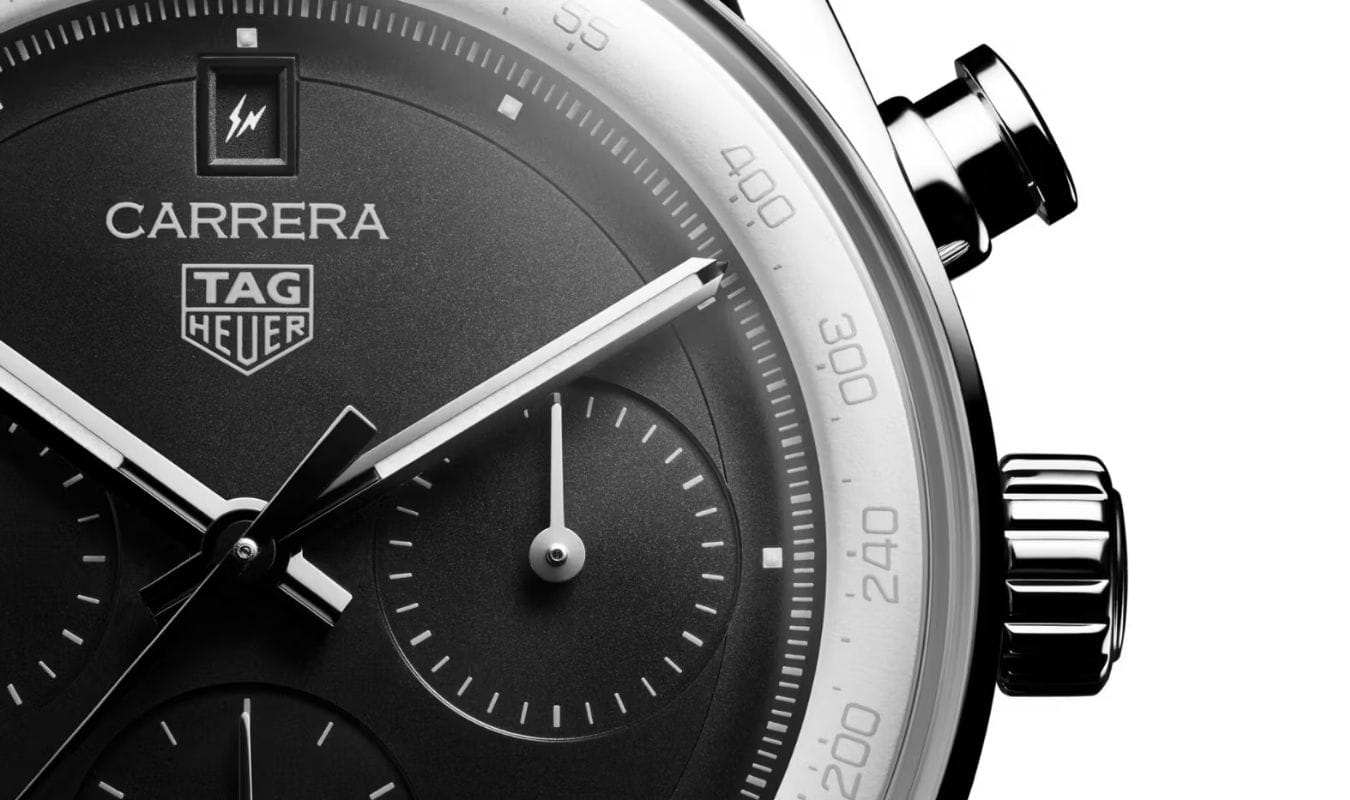
Instead of loud manifestos, he spent four decades nudging familiar objects off center until people felt something. A pair of Nikes reissued with quieter proportions. A TAG Heuer Carrera dial reduced to monochrome. A Fujifilm GFX100RF polished to a mirror black and coded with its own film simulation. His work treats culture like circuitry: move one wire and the current runs differently.
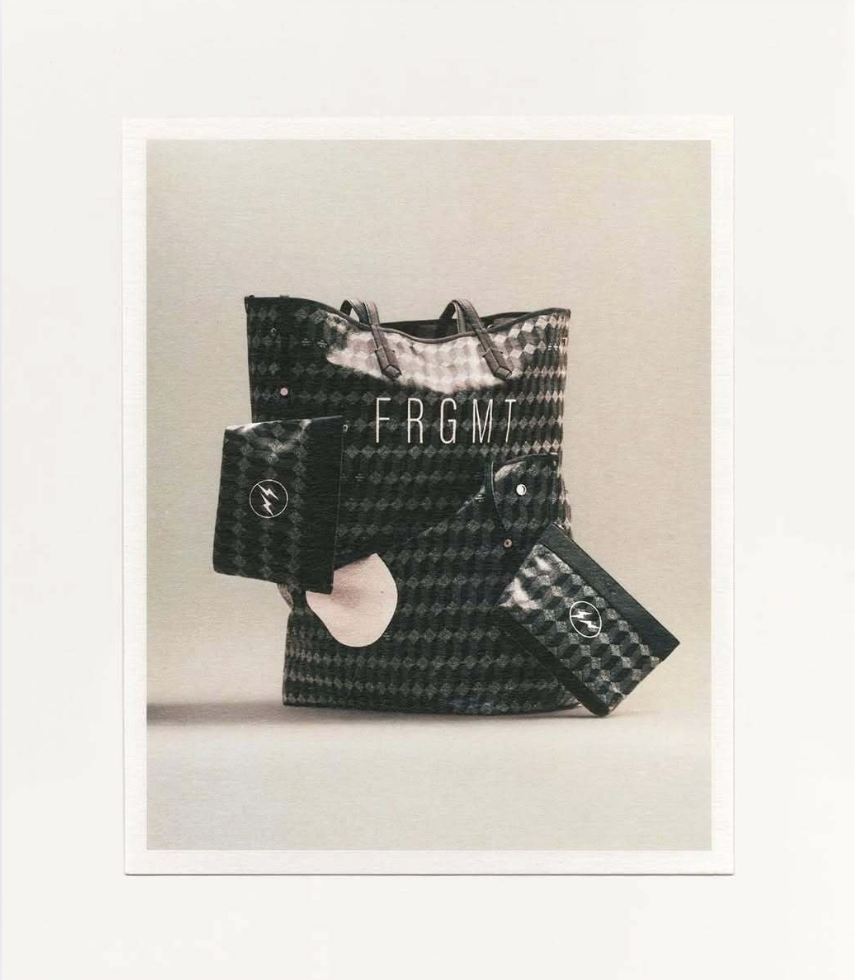
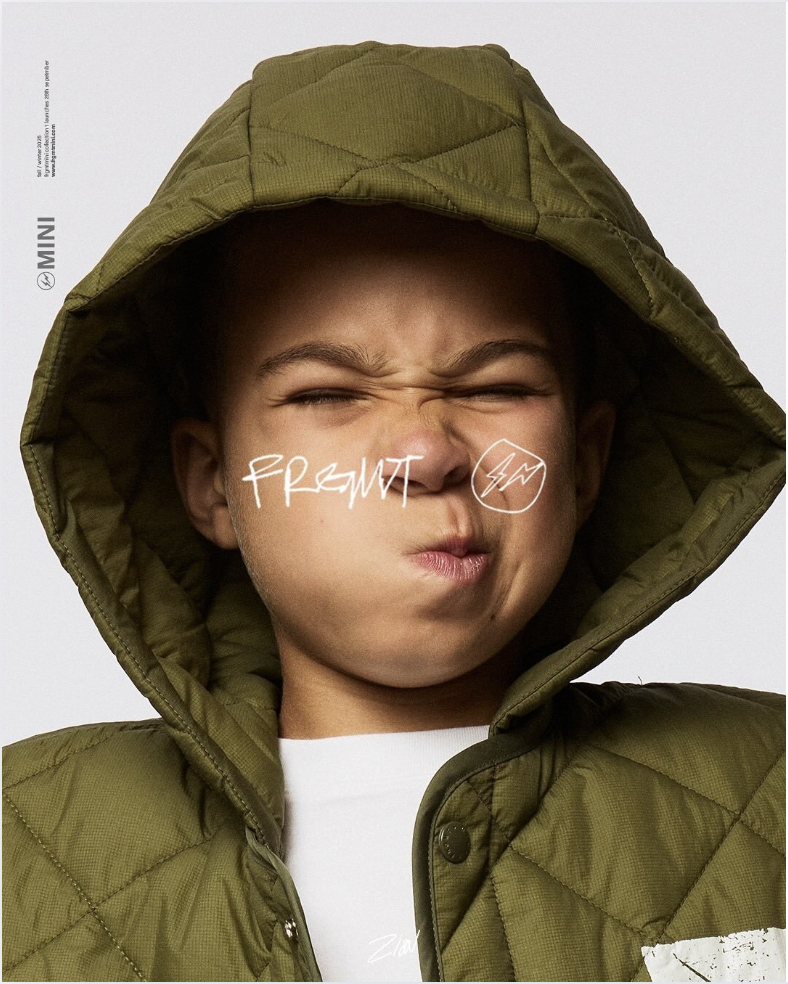
That instinct became Fragment, a roaming design imprint that moves between sneakers, fashion, watches, tech and everyday objects, applying minimal interventions that shift their cultural reading rather than rewrite them. Not a brand. A signal. A precise calibration of taste.
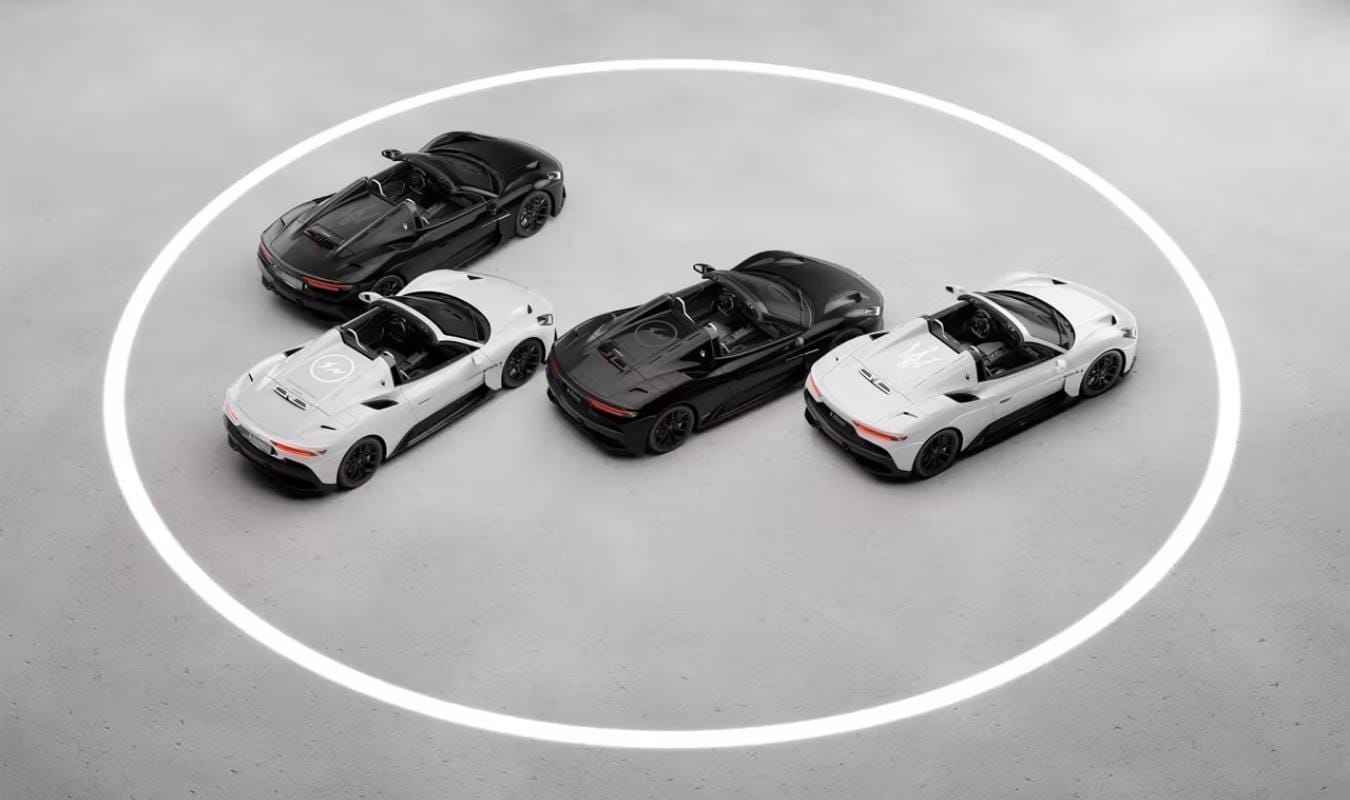
Place the lightning bolt and you are not changing the form, you are changing the context it occupies. Early HTM sneakers. The Jordan 1s that reset the resale economy. Moncler puffers. Levi’s runs. Watch cases. Starbucks mugs. A guitar handed to Eric Clapton. They all use the same logic. Do not overtake the host. Tune it. Introduce discomfort instead of perfection. Make the familiar feel newly charged.
This is why Fujiwara sits quietly at the root of so many modern movements. Nigo, Jun Takahashi, and Virgil Abloh all borrowed the lesson that iteration is the real engine of culture. Abloh admired Duchamp because Fragment had proven the idea already: anything can become coveted if context is rewritten. Culture is collage. Originality is choosing what to tighten and what to leave alone.
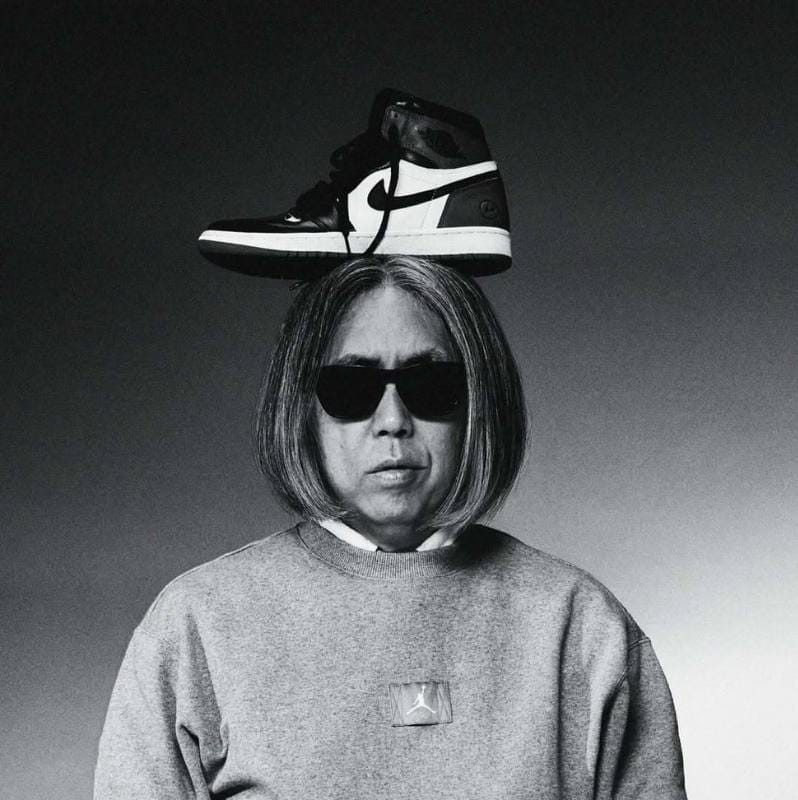
He also helped shape the crossover between hip hop, streetwear and luxury long before watch houses, fashion labels and tech brands began studying rap for cultural relevance. And when Nike still wasn’t mining its archive, he was reviving silhouettes that would become their future billion dollar pillars. Japan’s obsessive eye for American classics taught the West to value what it had discarded.
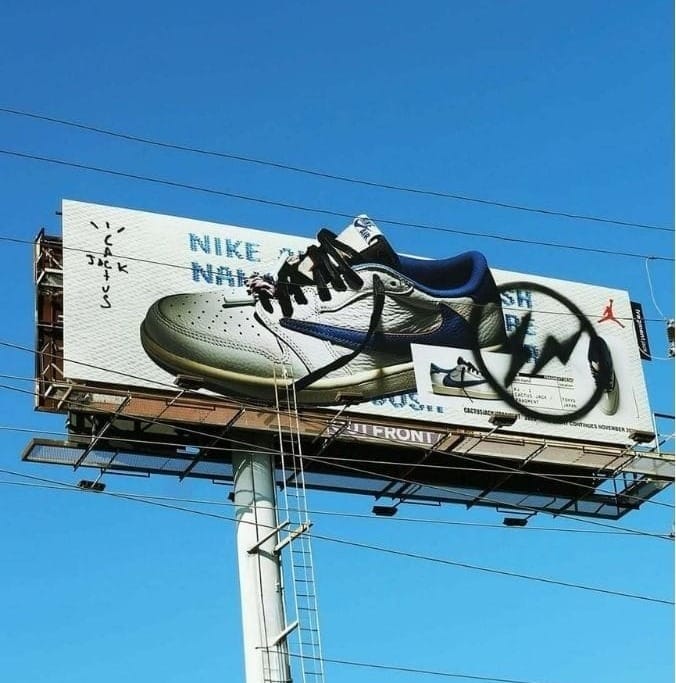
Before luxury houses built entire departments dedicated to collaboration strategy, Fragment had already made that philosophy normal. No empire. No stock. Just shared authorship and the belief that the right co sign can reroute desire.
Look again at the Fragment x TAG Heuer Carrera. No takeover. Only subtle decisions that shift the emotional grammar of the watch. Same with the Fujifilm GFX100RF. Finish. Proportion. Feel. Context. Minimal intervention. Maximum consequence.
Fragment never needed to scale into a giant house because the house had already absorbed the logic. Watches, sneakers, tech objects and apparel all learned the same lesson from Fujiwara: change the calibration, not the core.
People call him the godfather of streetwear. True. But the more honest version is this: Hiroshi Fujiwara is the clearest case study of how modern culture actually moves. Less invention. More editing. A single lightning bolt placed exactly where it matters.