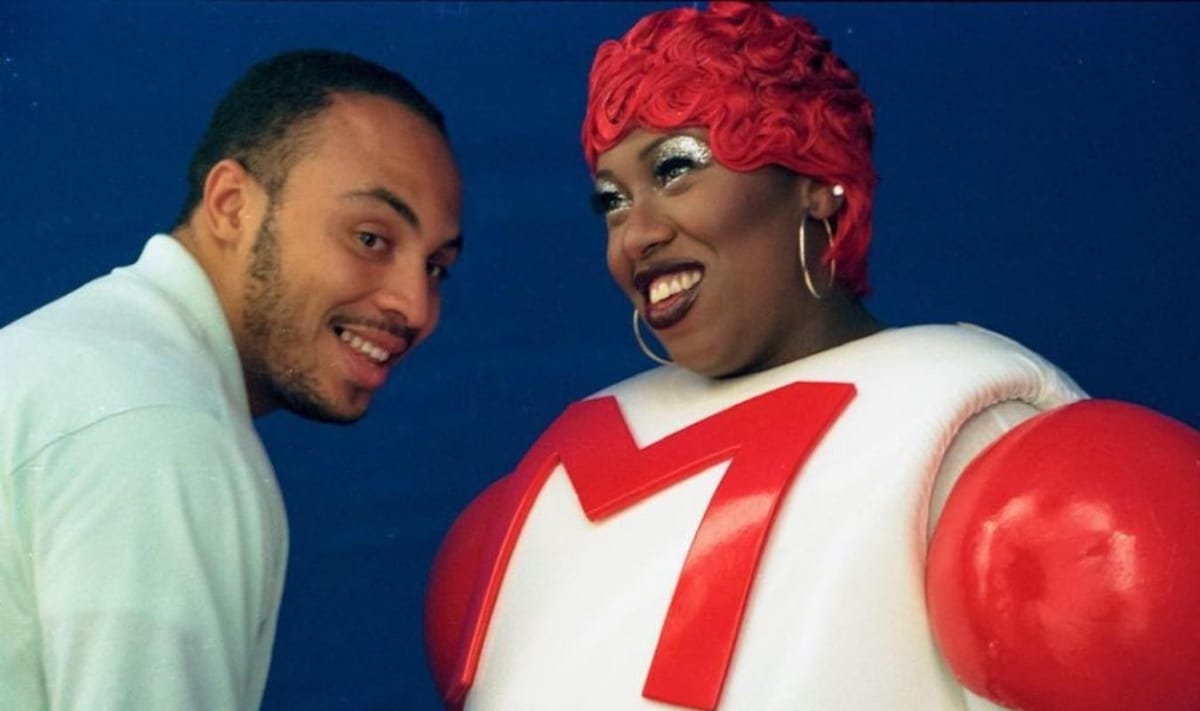
We still believe the Hype
Hype Williams shaped an era long before people realized they were watching history happen in real time. His rise in the early 90s aligned with the MTV and BET era, a moment when hip hop was shifting from regional movement to global culture.
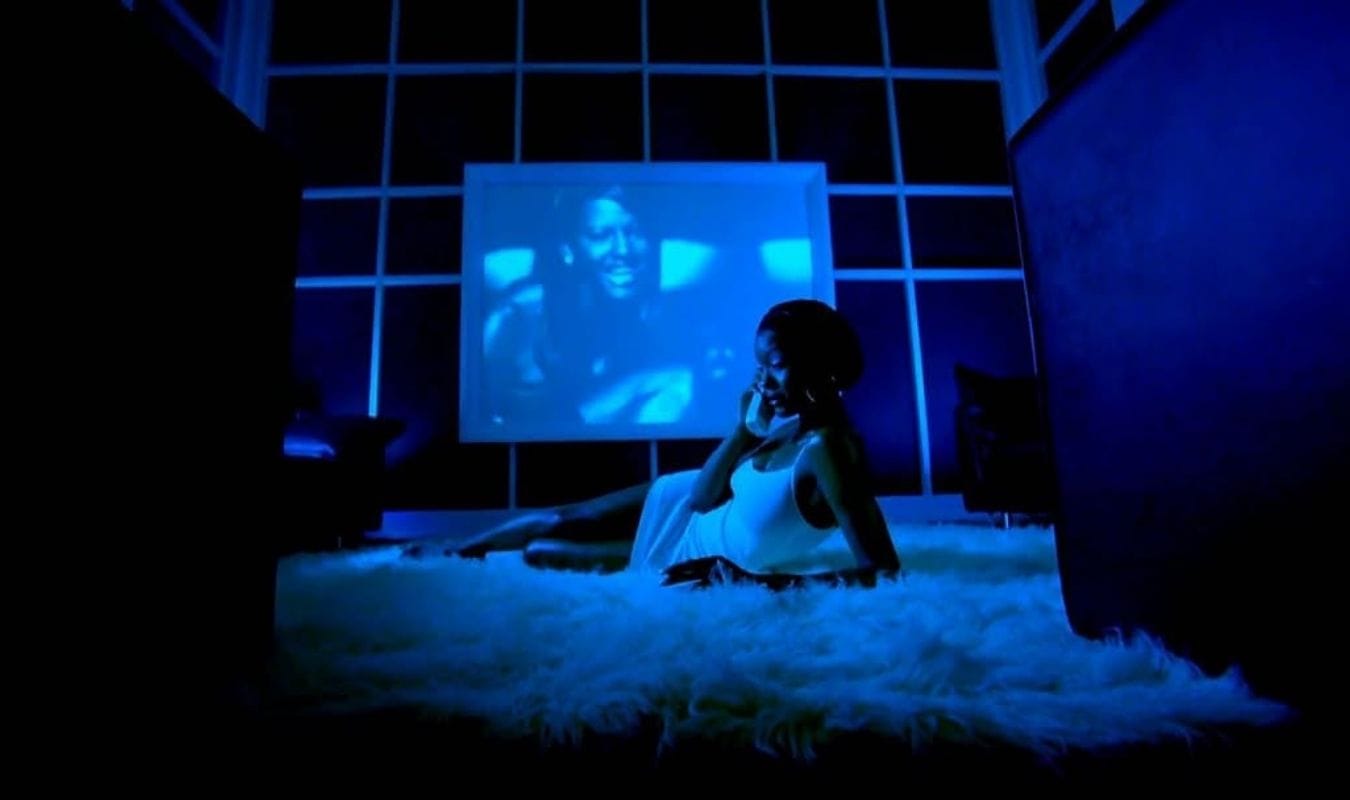
He became the filmmaker who gave that shift its visual language. His world was wide-angle, high-color, dreamlike, and unapologetically Black. He made artists look larger than life because that is how they deserved to be seen.
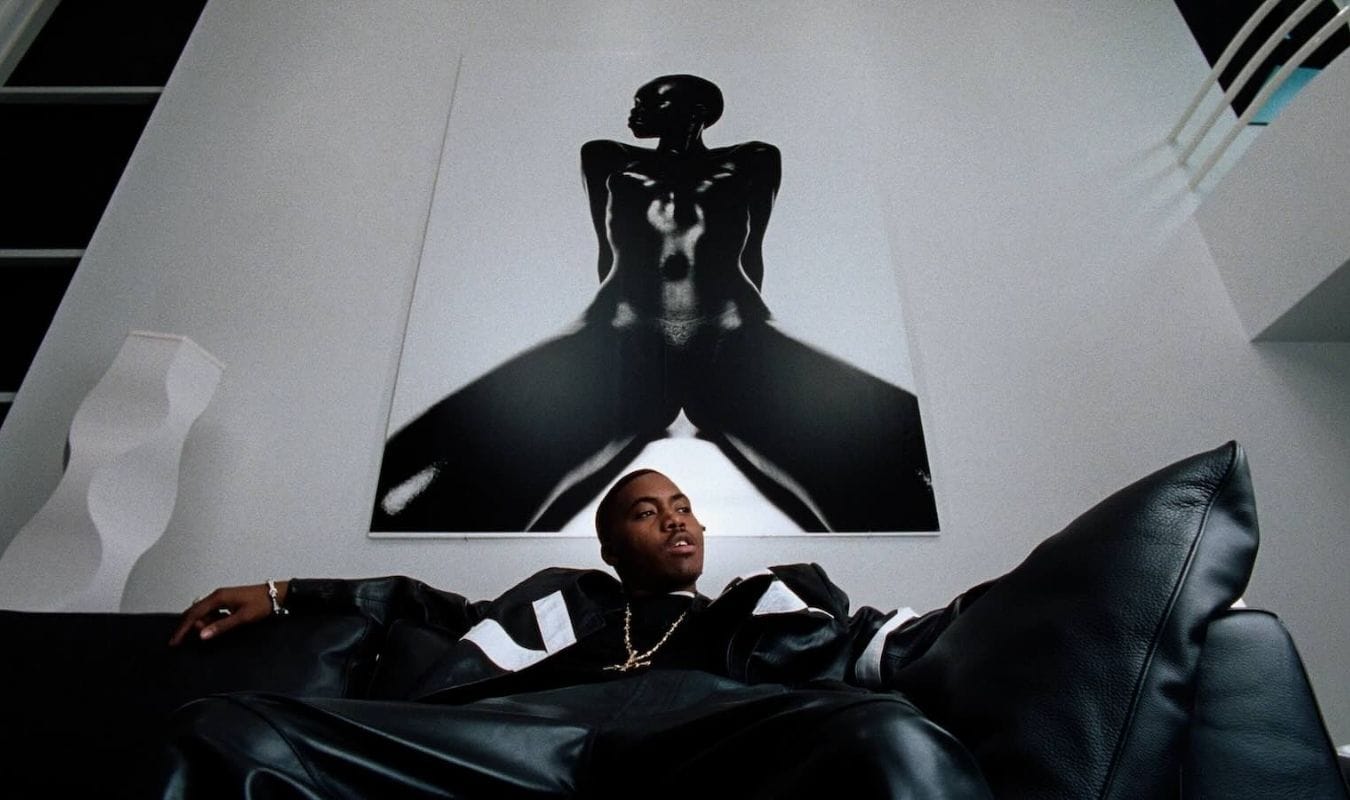
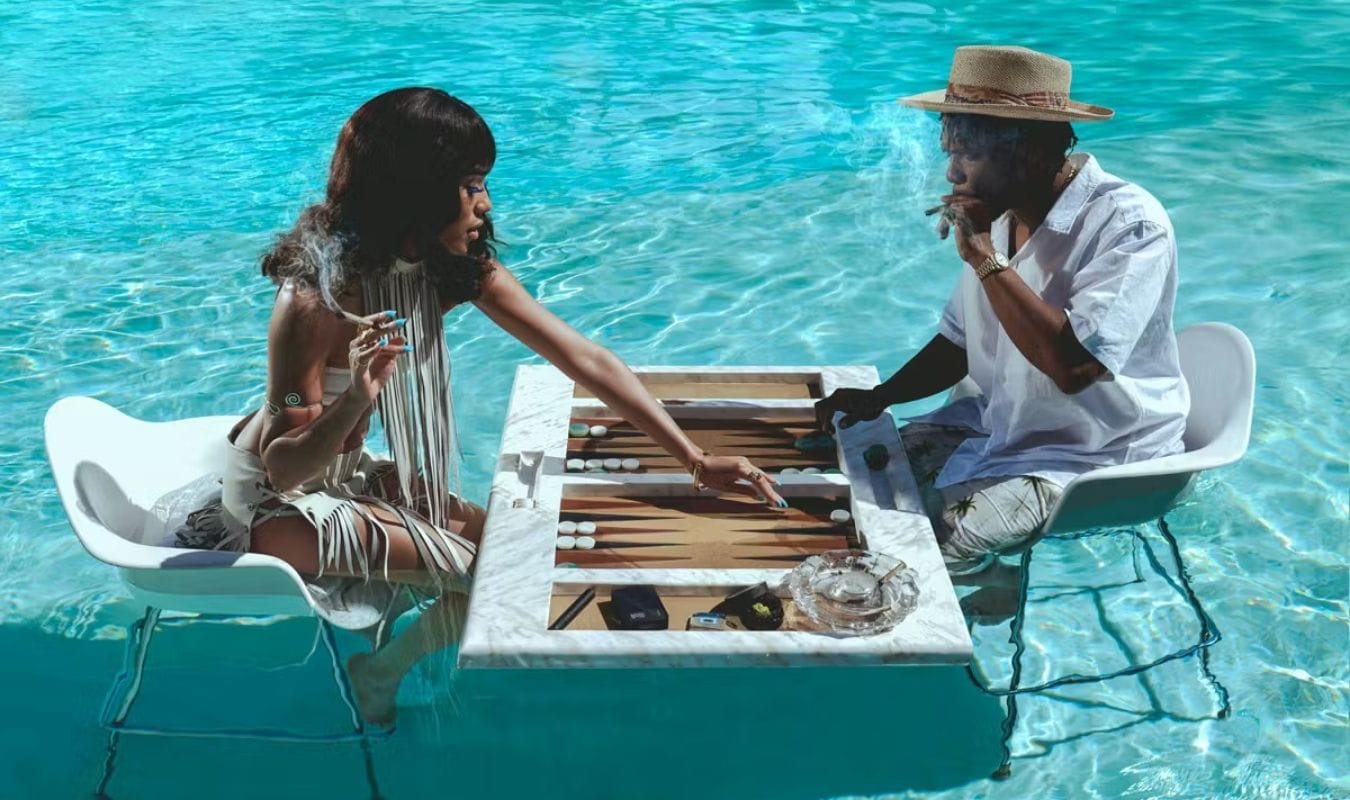
At a time when music videos were treated like simple promotional tools, Hype approached them like cinema.
Williams refused the idea that rap visuals needed to be literal or low effort. Instead, he brought ambition and surrealism into a space that had never been granted that kind of intention. The fisheye lens. The saturated hues. The glow on skin. The sense that every frame was its own world. Those choices became the foundation for how hip hop learned to see itself.
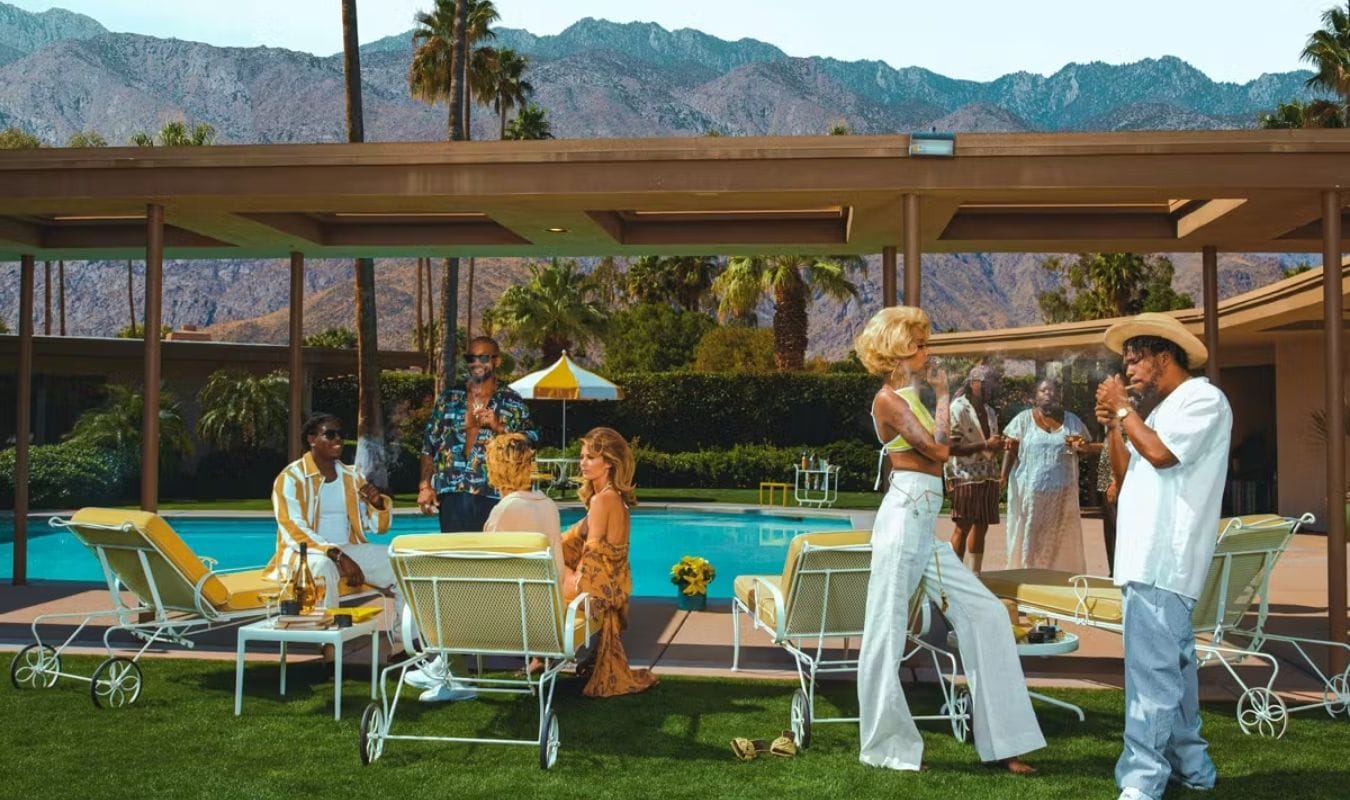
Some moments can only be understood if you lived through them, and the Hype era is one of them. There was a point in the late 90s when a Hype Williams video could swallow an entire budget, and nobody questioned it. Artists trusted him with their biggest records because he turned sound into spectacle. He made hip hop look like the future long before anyone used that word.
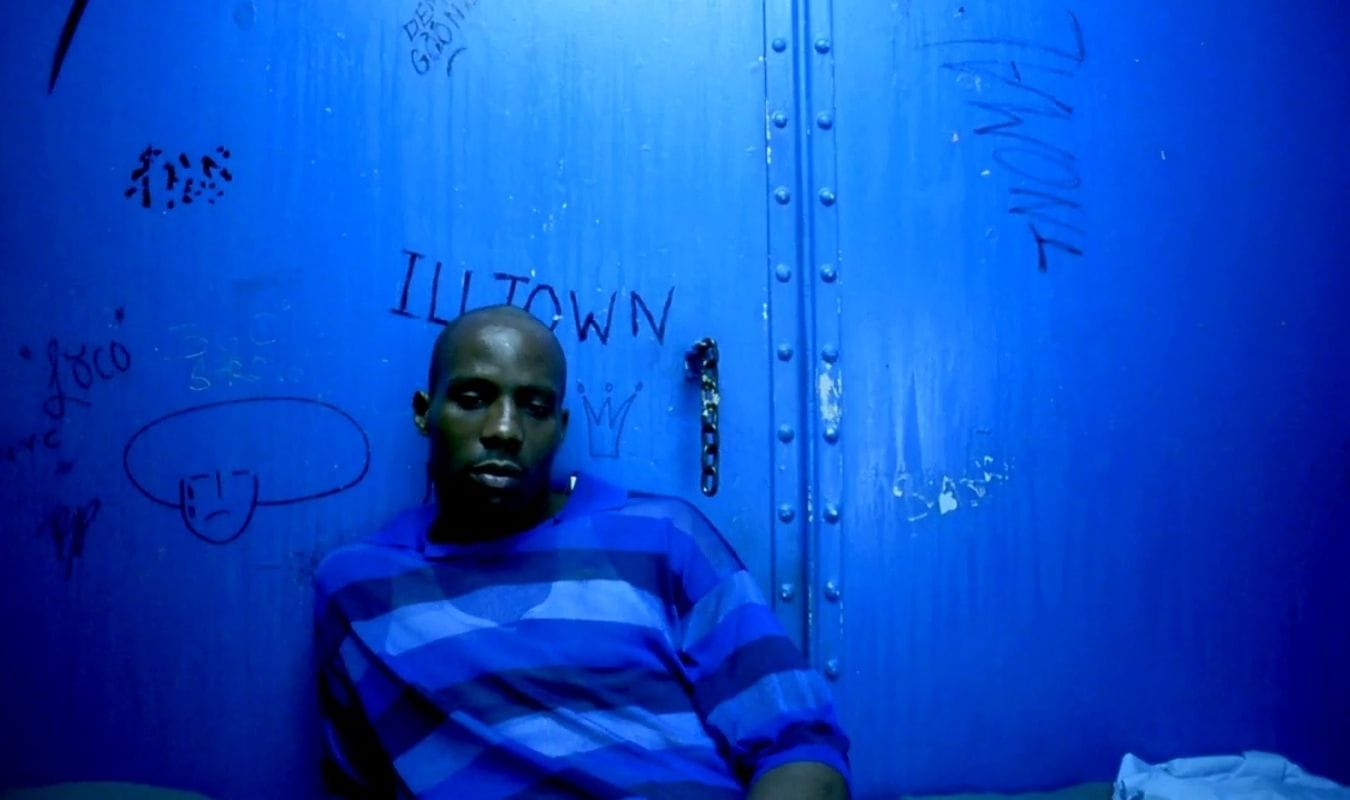
William’s style also carried a different weight for Black audiences. Hype lit skin and framed artists with a level of intention that felt rare. He built imagery that was proud, mythic, playful, spiritual, and deeply rooted in the realities of the culture. The way he shaped worlds around Wu-Tang’s philosophies, Missy Elliott’s futurism, Aaliyah’s elegance, and the raw tension between Nas and DMX in the blue glow of Belly showed a range rarely granted to Black storytellers at the time.
He represented a kind of freedom that felt radical. The industry expected directors to stay in one lane, but he refused. Graffiti writer. Photographer. Music video auteur. Feature filmmaker. He moved through disciplines with the confidence of someone who knew the industry’s lanes were never built for him in the first place. That approach became a blueprint for a generation trying to be more than what they were told they could be.
His influence remains everywhere. Directors borrow his palettes, his framing, his surrealism, and his ability to merge fantasy with lived truth. Artists like Beyoncé, Travis Scott, and countless others still trace lines back to his visual language, whether they name it or not. The digital era only makes it clearer how far ahead he was. What feels modern today was instinct for him decades ago.
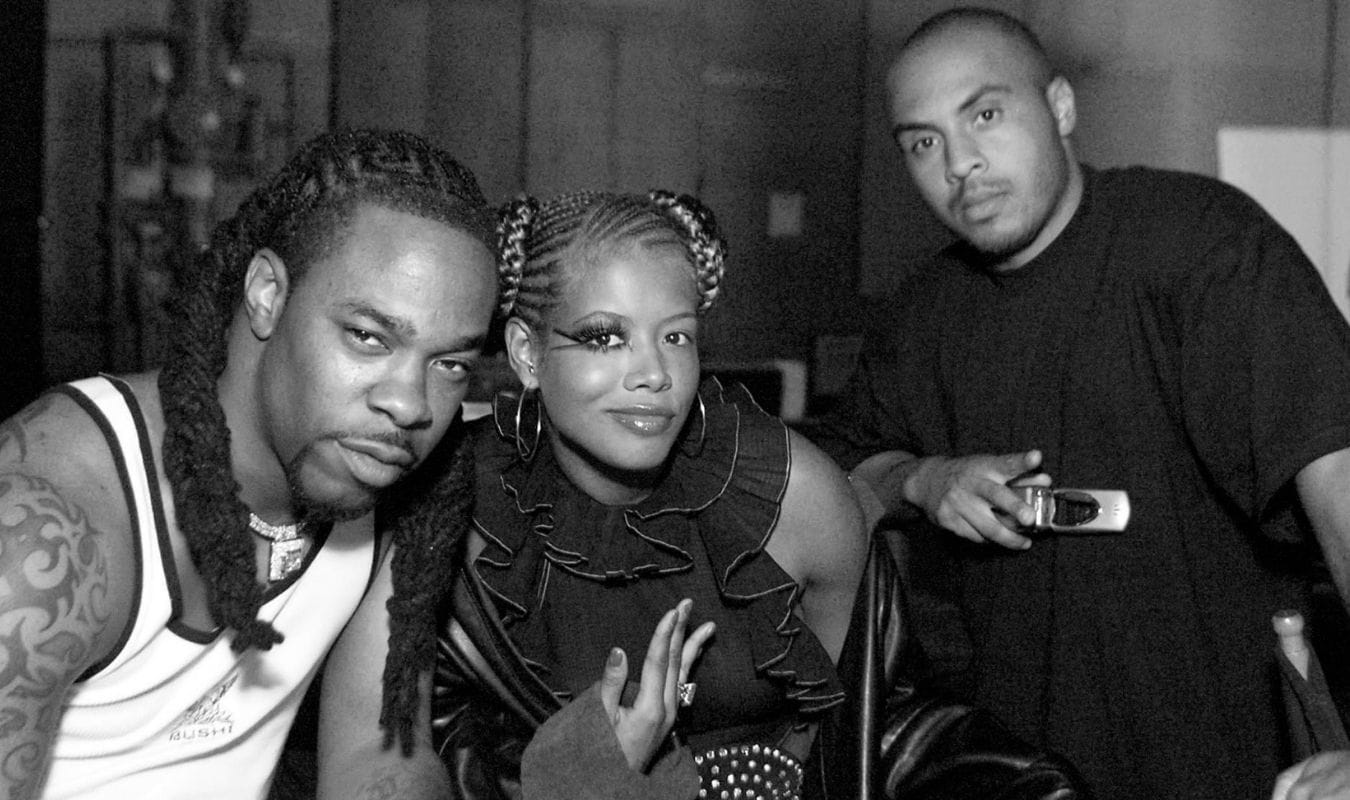
Hype Williams is still young. Still building. Still expanding what Black visual culture can look like. He remains proof that Black excellence is not an aesthetic. It is a point of view. A commitment to making your people look monumental, even in a world that prefers the opposite.
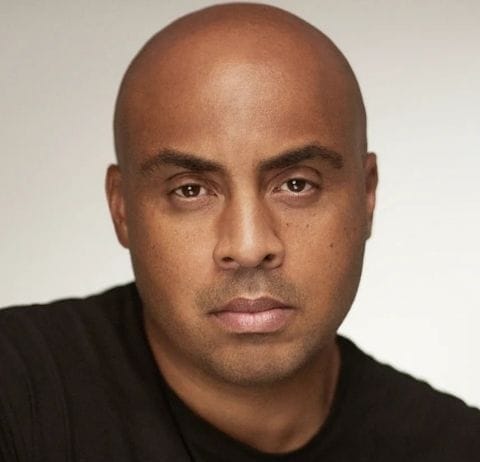
That is why he matters. That is why he lasts. That is why the culture still believes the Hype.