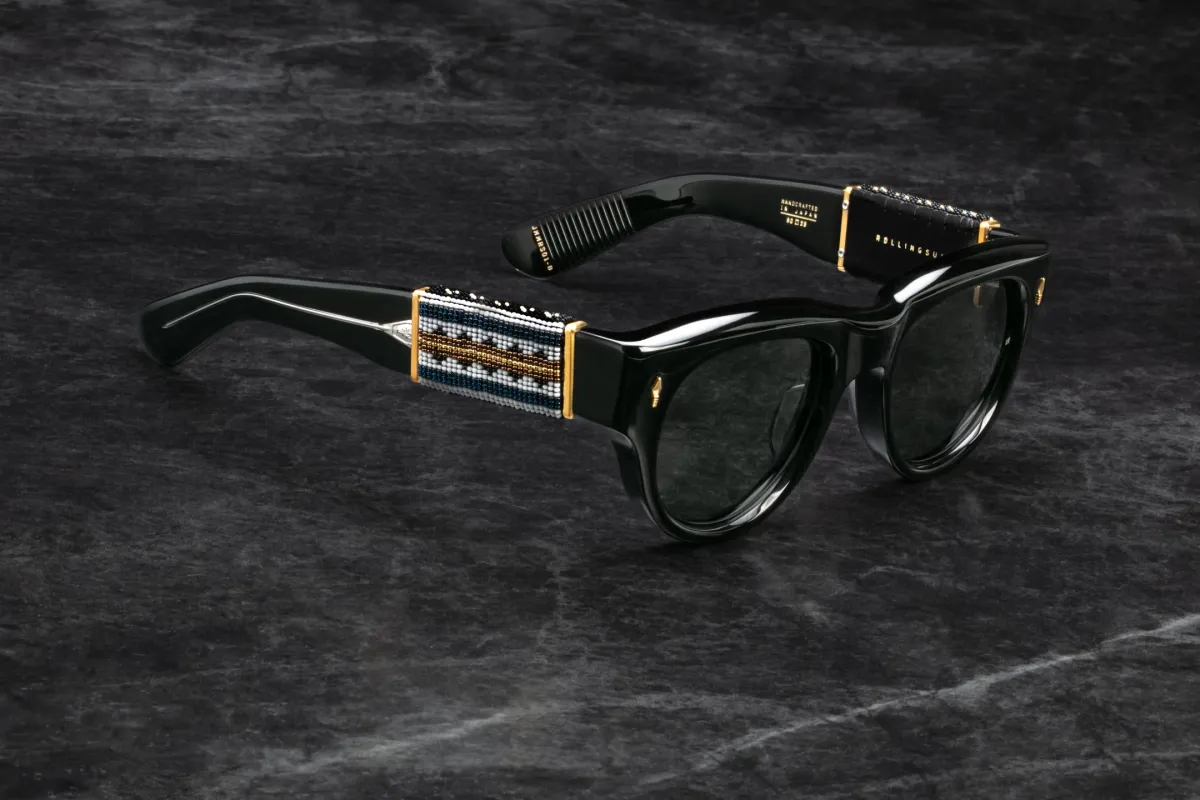
Is Jacques Marie Mage Really the “Birkin” of Sunglasses?
Calling Jacques Marie Mage the “Birkin of glasses” has become a familiar shortcut. It shows up on TikTok, in group chats, and whenever a new celebrity steps out in thick acetate frames that look more artifact than accessory. The comparison isn’t wrong. It’s just incomplete.
Jacques Marie Mage was founded in Los Angeles in 2014 by French designer Jérôme Mage, an outsider by temperament and training. Raised in central France, educated in Paris, and creatively formed in Southern California, Mage built the brand as a response to what eyewear had become. Safe. Thin. Disposable.

In the early 2010s, he noticed that most investment was flowing into marketing and scale, not into design or making. His answer was to go the other way.
From the start, Jacques Marie Mage treated sunglasses less like seasonal accessories and more like collectible objects. Frames are handcrafted in Japan and Italy using thick Japanese acetate, custom rivets, and seven-barrel hinges. Each pair takes hundreds of steps to complete and is produced in tightly controlled quantities, often capped at a few hundred pieces, sometimes far fewer.

Once a style is gone, it does not return in the same form.
This is where the Birkin comparison begins to hold. Rarity matters. Scarcity creates attachment. But unlike handbags, Jacques Marie Mage is not built around status signaling alone. The frames ask to be worn, not stored. They sit heavily on the face. They encourage repetition. Owners talk about them the way watch collectors talk about mechanical movements, not resale value.

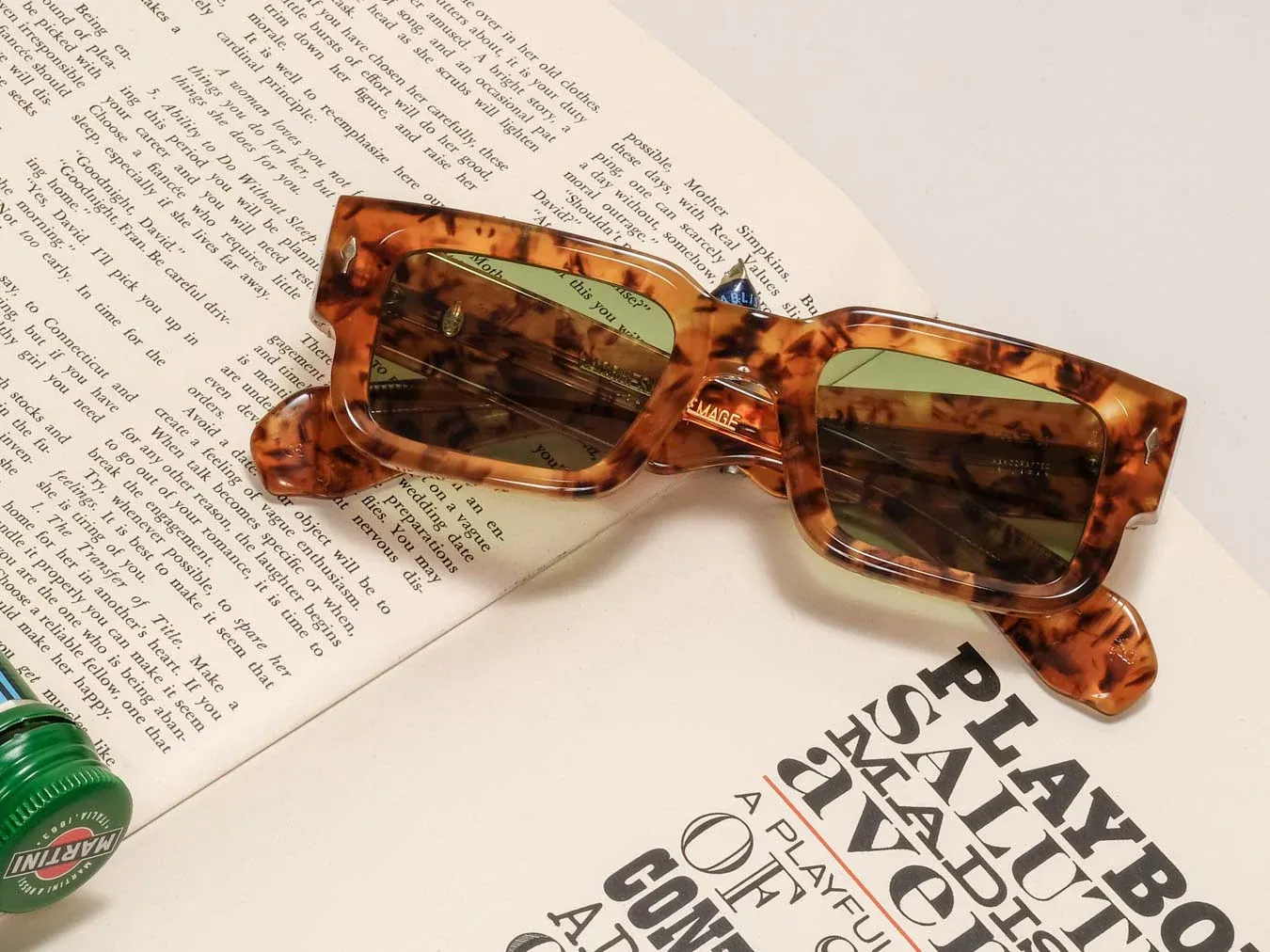
The emotional pull goes further than craft. Mage designs through storytelling, drawing from cultural figures, historical eras, and mythologies that range from Bob Dylan’s London years to Napoleonic France and American frontier legends.
A pair of Jacques Marie Mage glasses is meant to feel like an extension of the wearer’s inner life, something you put on and recognize yourself more clearly in.

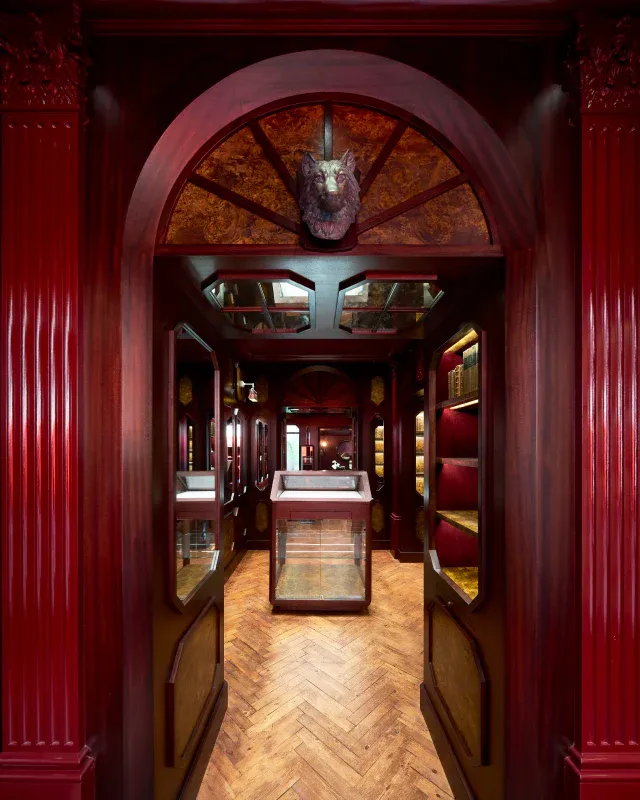
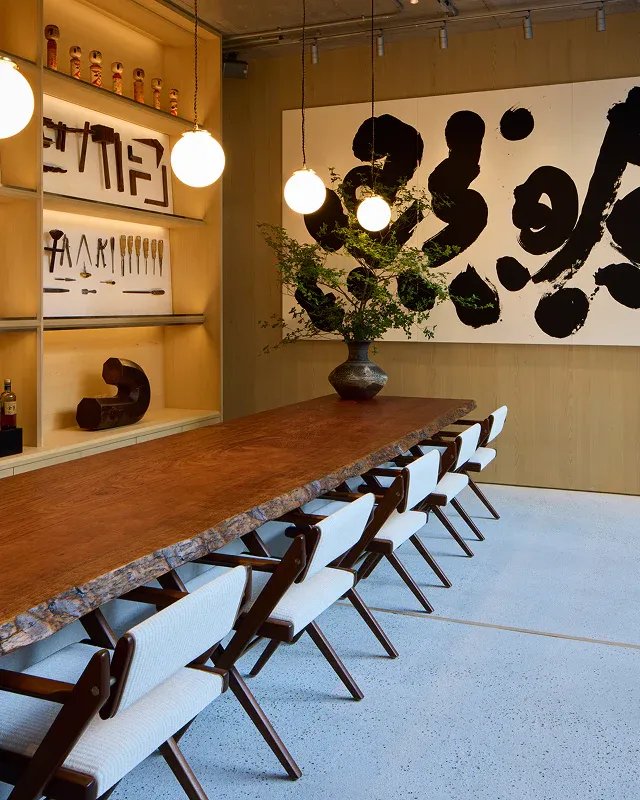
That philosophy extends to how the brand shows up in the world. Jacques Marie Mage does not open stores. It opens galleries. Each location is designed as a fully realized environment, often in collaboration with architects and interior designers, and no two are alike. London leans into old-world intimacy.
Tokyo favors restraint and ritual. Paris filters French history through an American lens. The spaces slow the act of trying on eyewear until it feels deliberate, almost ceremonial.
What this says about us is perhaps the more interesting question. Sunglasses are not supposed to matter this much. They are easy to lose. Easy to replace. Jacques Marie Mage resists that logic entirely.
It proposes that even the most utilitarian objects can carry weight, memory, and consequence if treated seriously enough.
So is Jacques Marie Mage the Birkin of glasses? Only if the Birkin were designed to be worn daily, never scaled up, and built by someone actively uncomfortable with ubiquity. The better answer is simpler. Jacques Marie Mage succeeds because it refuses to behave like eyewear at all.