Jaeger-LeCoultre Is Letting Collectors Handle Reverso History (and Wear It)
Jaeger-LeCoultre has played a major role in shaping watchmaking across multiple categories.
Through design, engineering, and technical development, the brand has contributed to advancing the craft in ways that still influence how watches are made and understood today.
After sitting down with Matthieu Sauret, Product and Heritage Director at Jaeger-LeCoultre, and spending time with pieces from the latest Collectibles capsule, I came away with a clearer understanding of why this initiative matters within the industry.
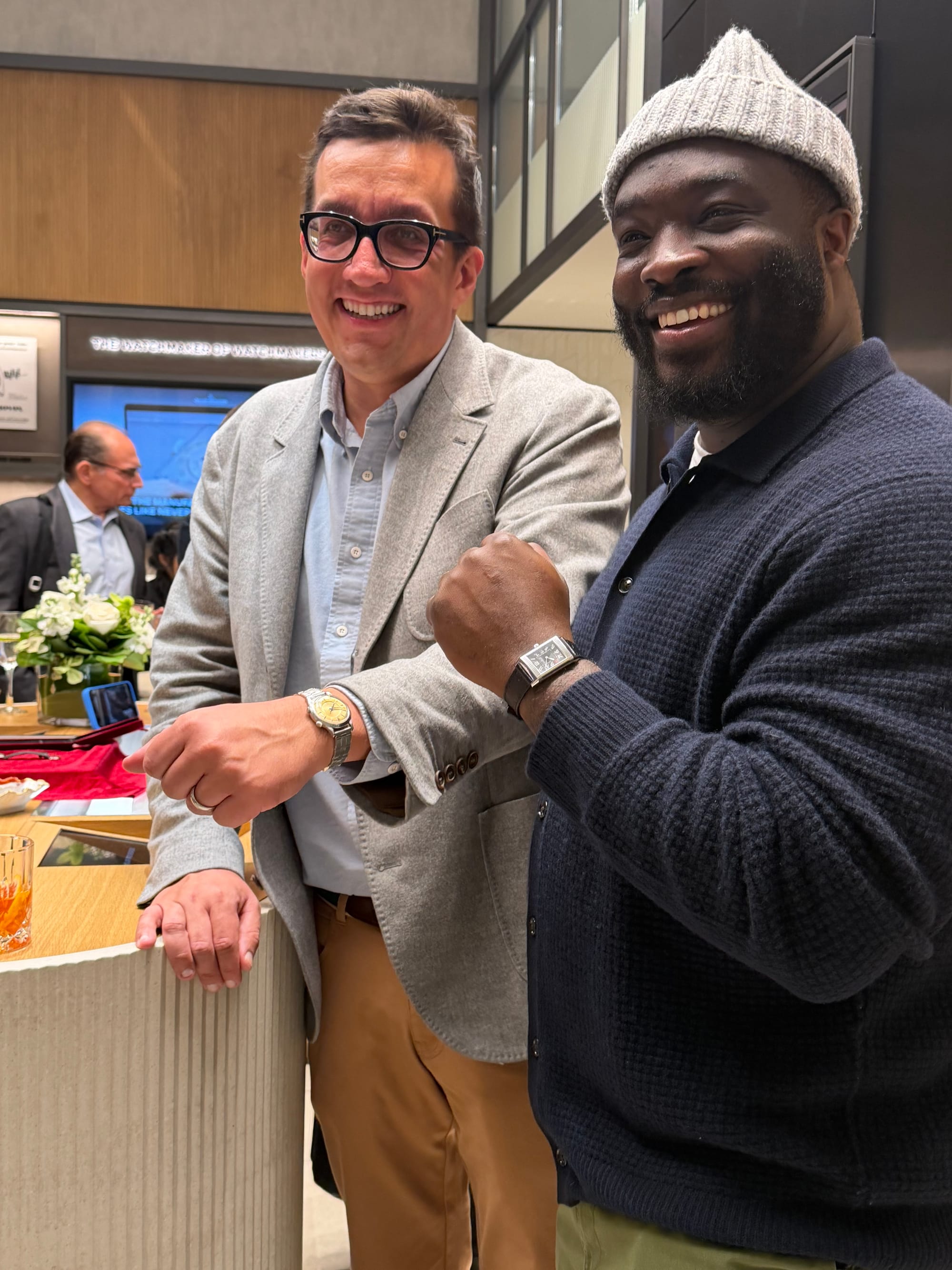
Jaeger-LeCoultre invited the Super Niche Wrist Check Podcast team to preview the collection during its presentation in New York, allowing direct access to the watches and a deeper conversation about how the program operates.
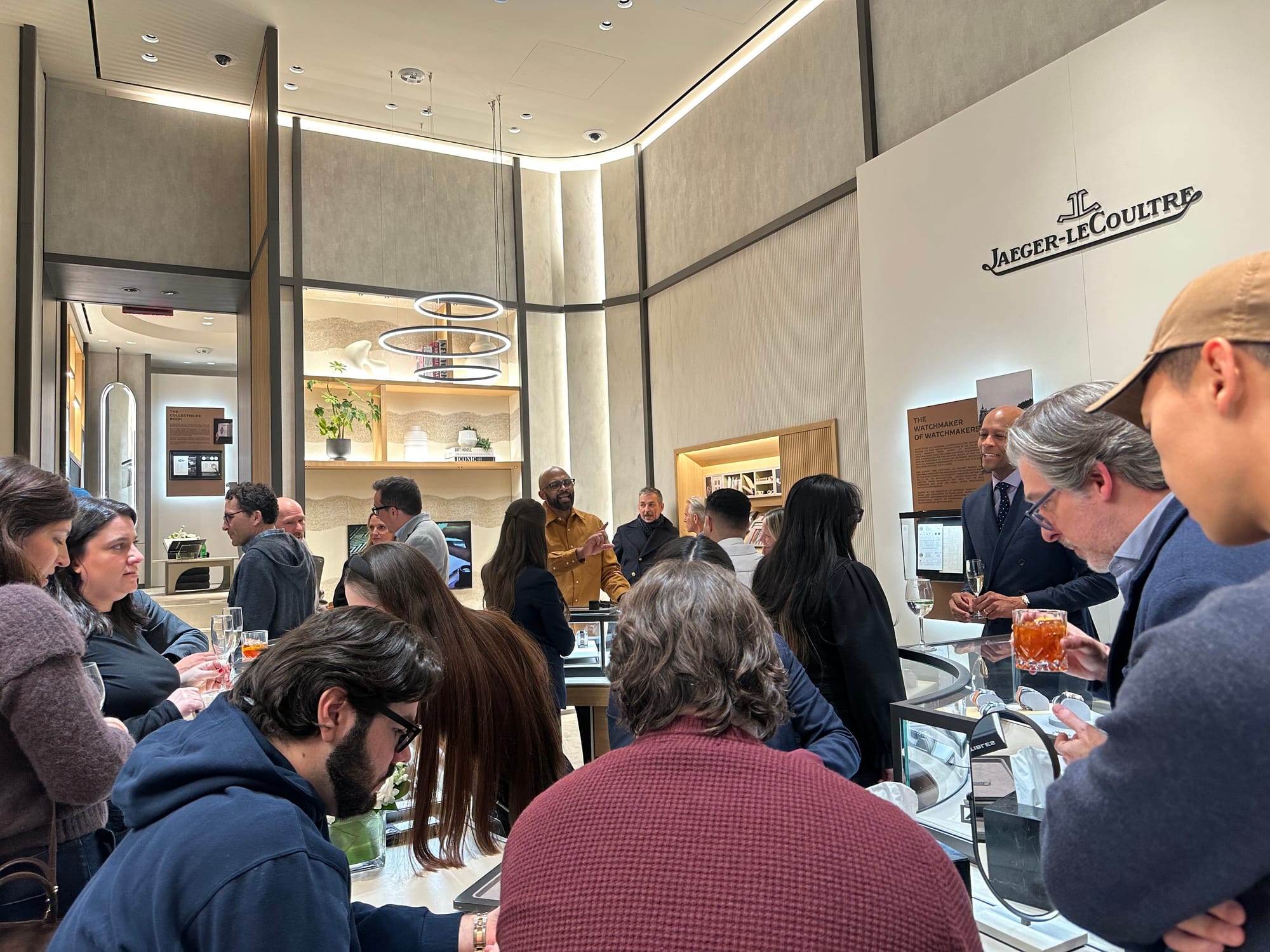
The fifth edition of The Collectibles focuses on eight Reverso references produced between 1931 and 1937 and was unveiled February 5 at the brand’s Madison Avenue boutique, where it remains on view through February 23 before broader global availability.
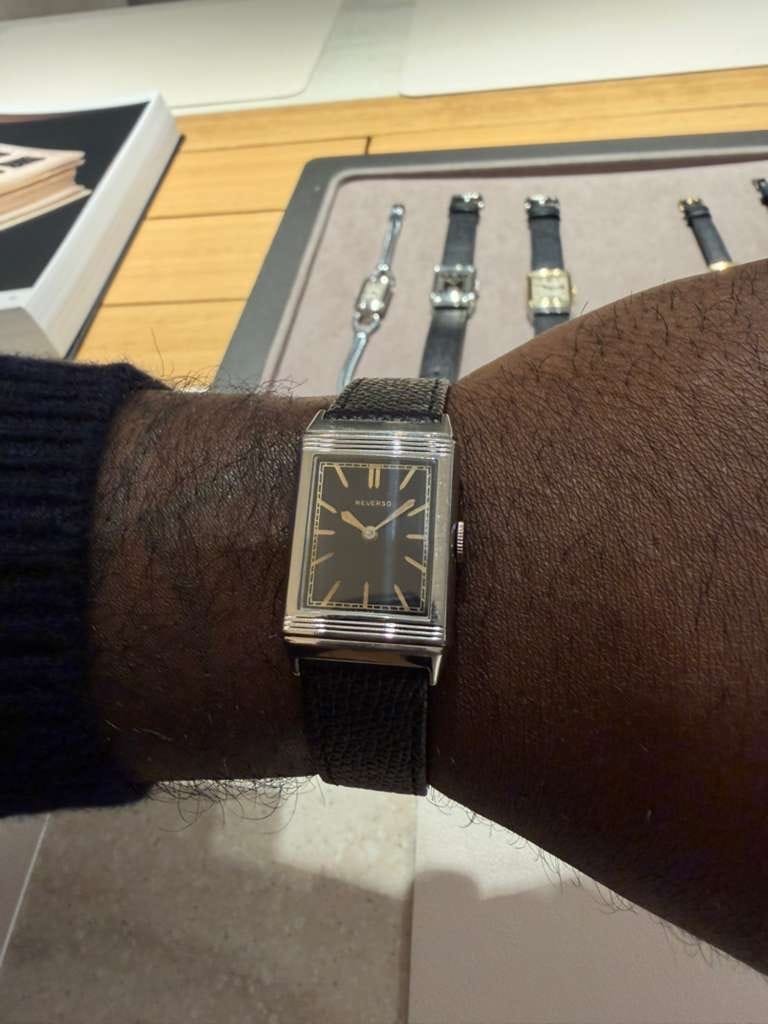
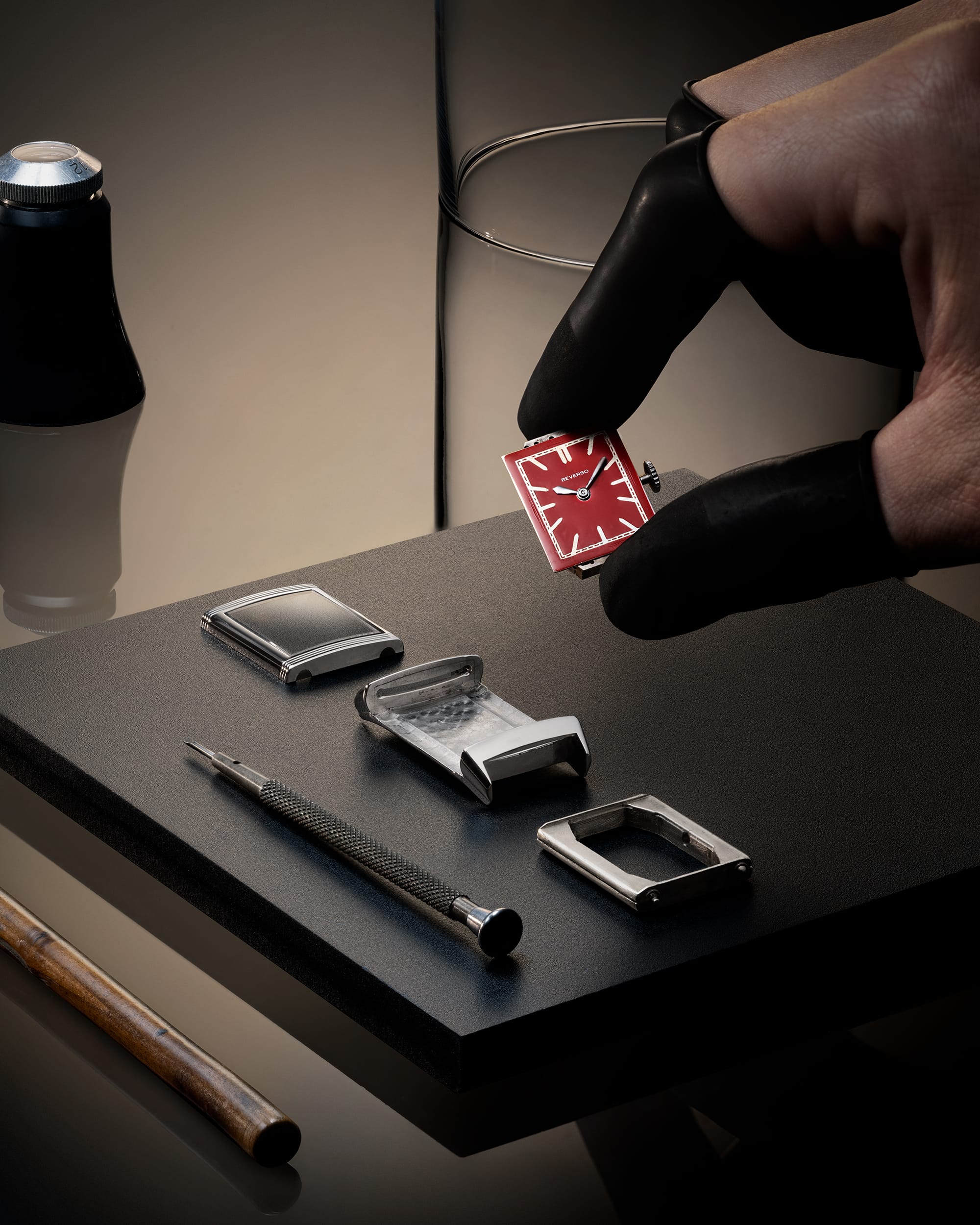
The program centers on sourcing historically strong examples from the open market, authenticating them, and restoring functionality through the manufacture’s dedicated workshop while preserving original character wherever possible.
Movements are serviced, missing components rebuilt using archival drawings and heritage components, and visible ageing on cases and dials is intentionally maintained.
Each watch is delivered with archival documentation and a copy of The Collectibles book, which helps frame them as watches meant to be worn and understood, not over-restored.
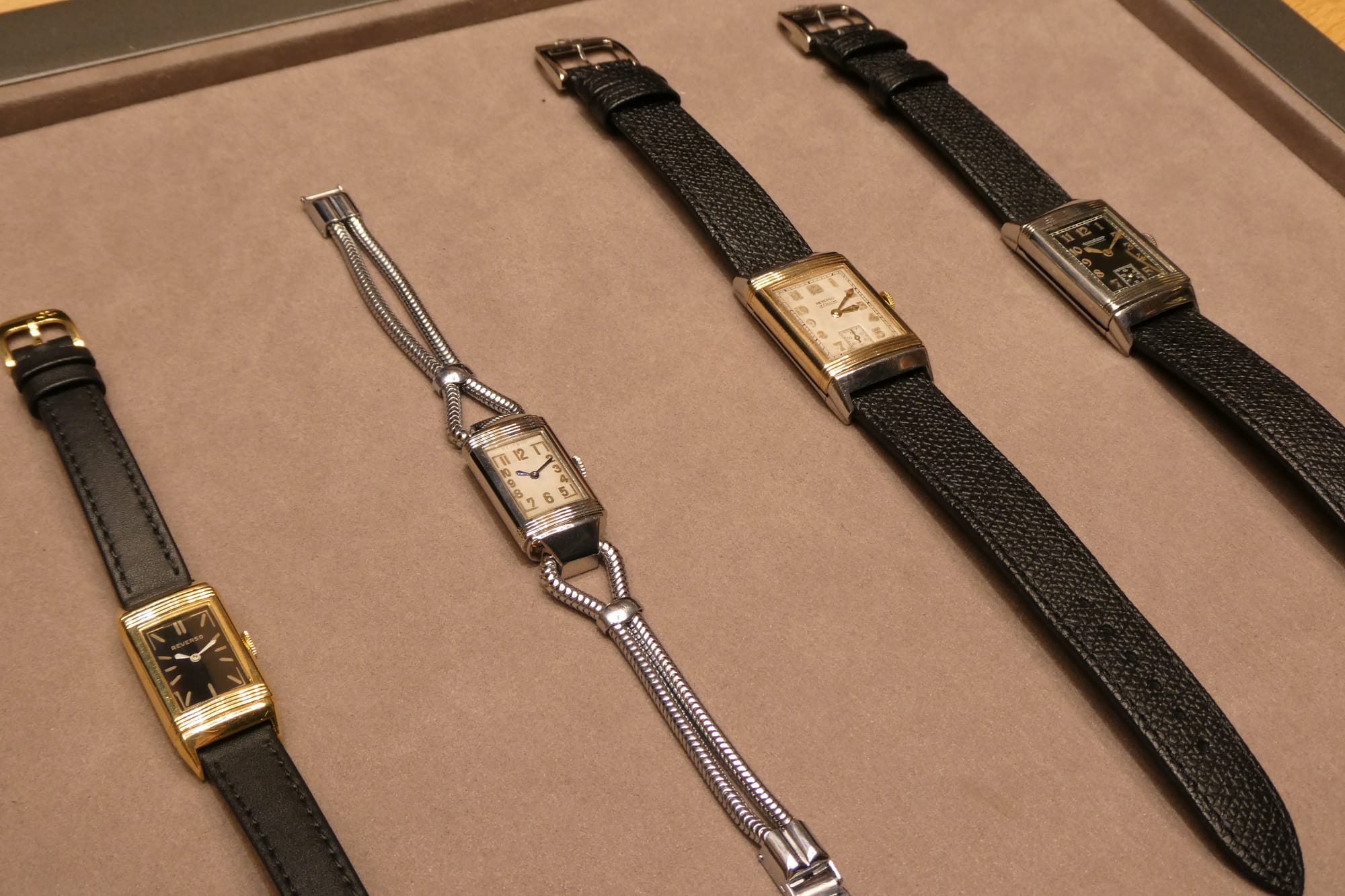
The initiative itself spans 17 historic model families dating from the mid-1920s through the early 1970s and is supported by a dedicated restoration workshop staffed by ten master watchmakers, something very few manufactures maintain internally today.
Seeing how that effort translates into physical objects becomes clearer when handling the watches directly.
Case proportions, dial texture, and finishing details carry presence that photographs rarely communicate, and the early design language reads immediately familiar within the context of modern Reverso production.
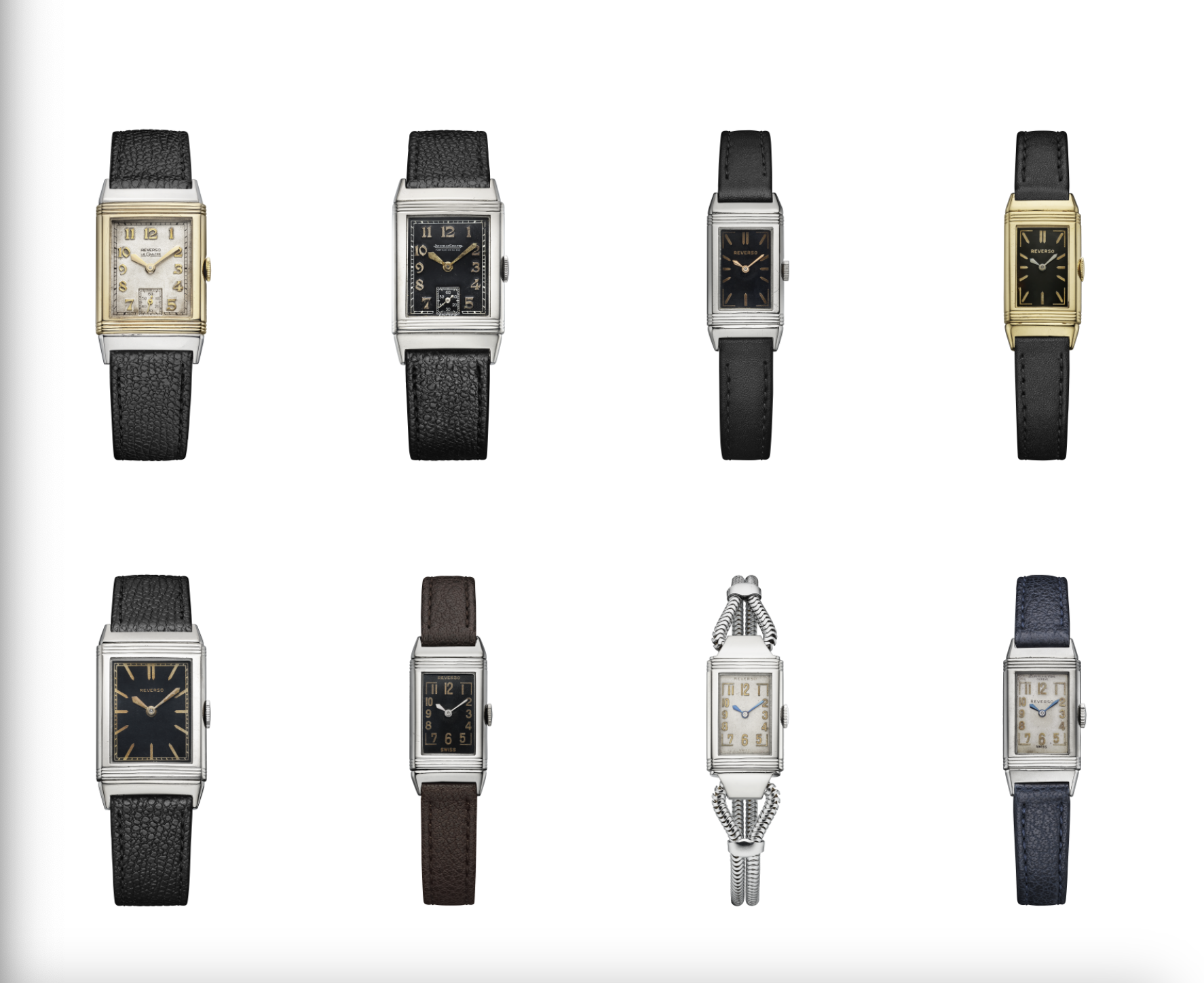
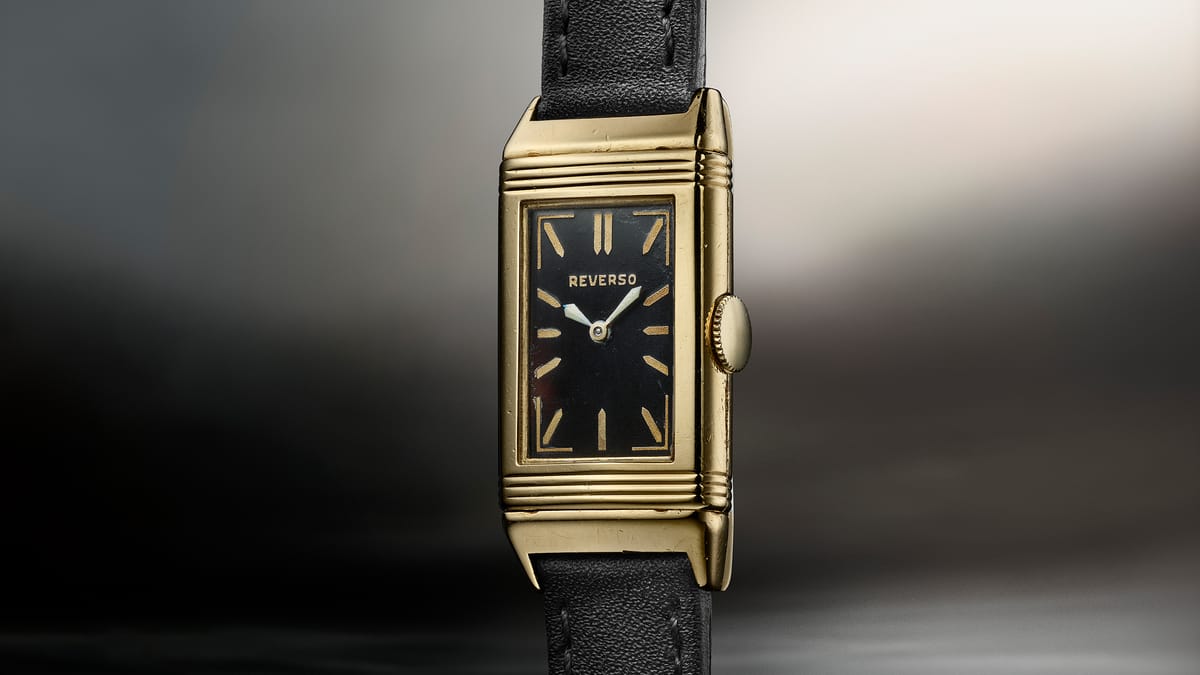
Several references highlight the foundational traits that still define the line. One early example carries a black dial described at the time as “the dial of the future,” paired with a railroad minute track and trapezoidal indexes that continue to inform contemporary Tribute executions.
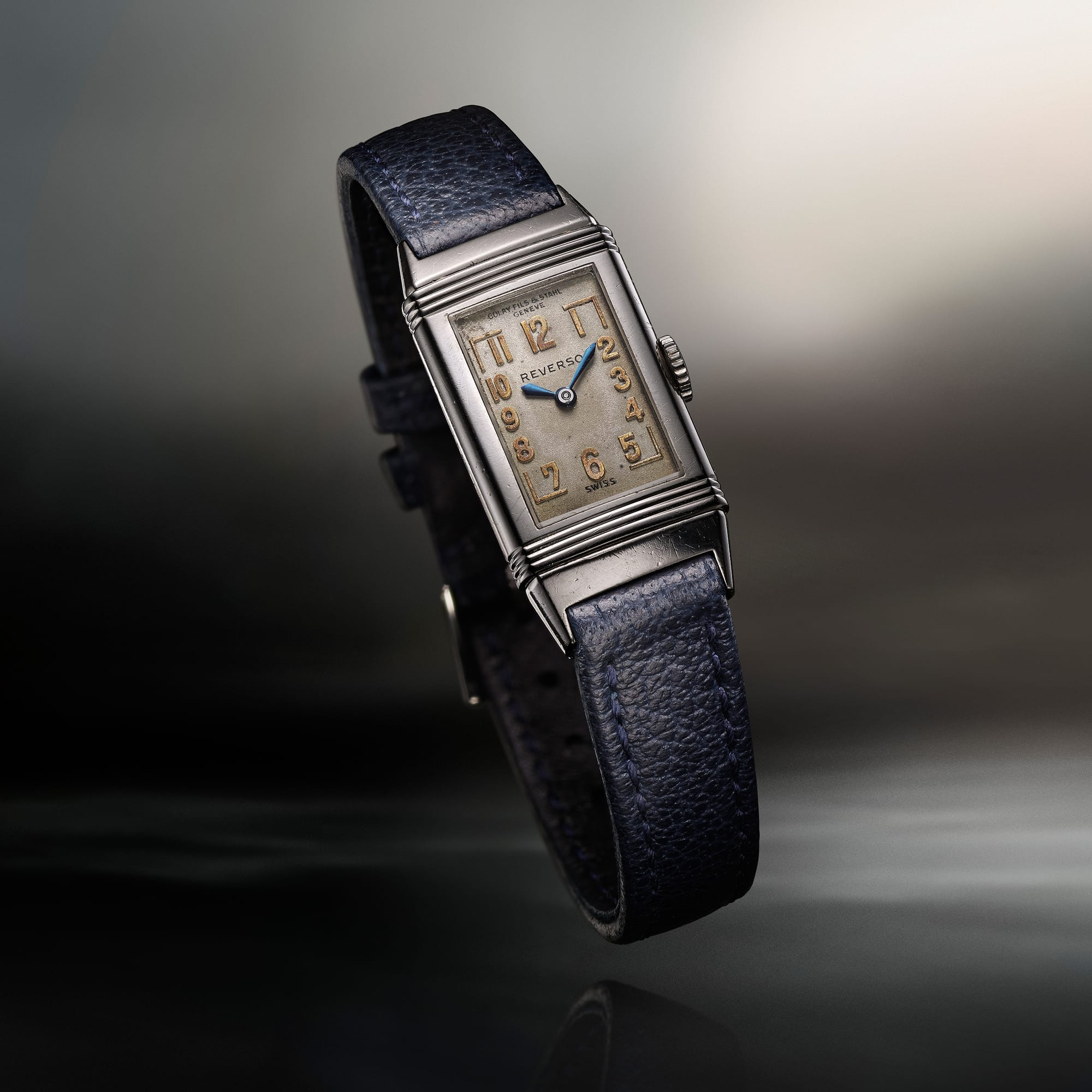
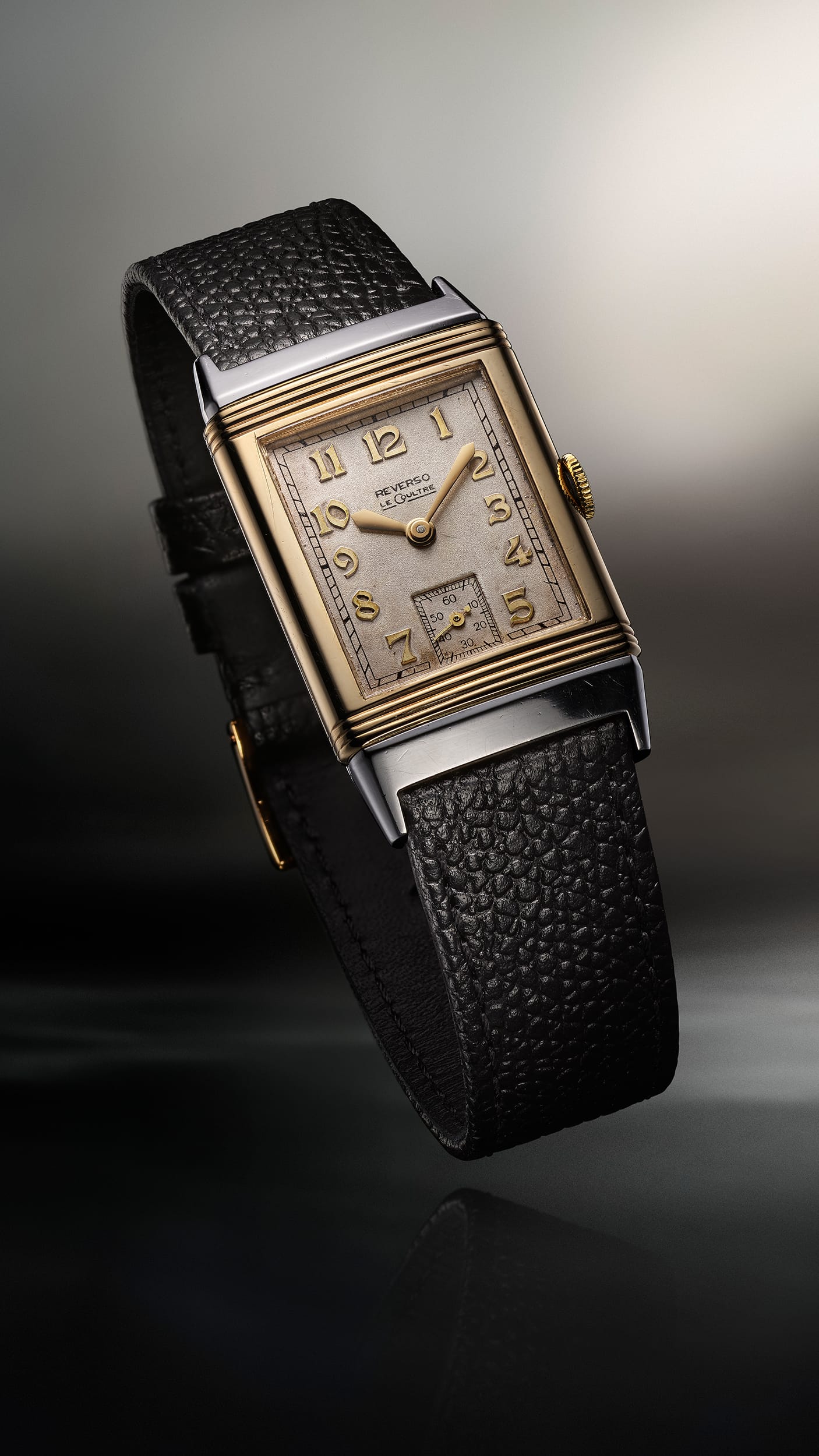
A 1936 two-tone piece powered by Calibre 410 reflects the shift toward in-house Reverso movements, while a 1937 example bearing the Jaeger-LeCoultre name marks the historical merger of the two maisons.
Women’s models in the capsule demonstrate how quickly the format expanded across audiences, from double-signed retailer dials to uncommon cordonnet bracelet executions rarely encountered today.
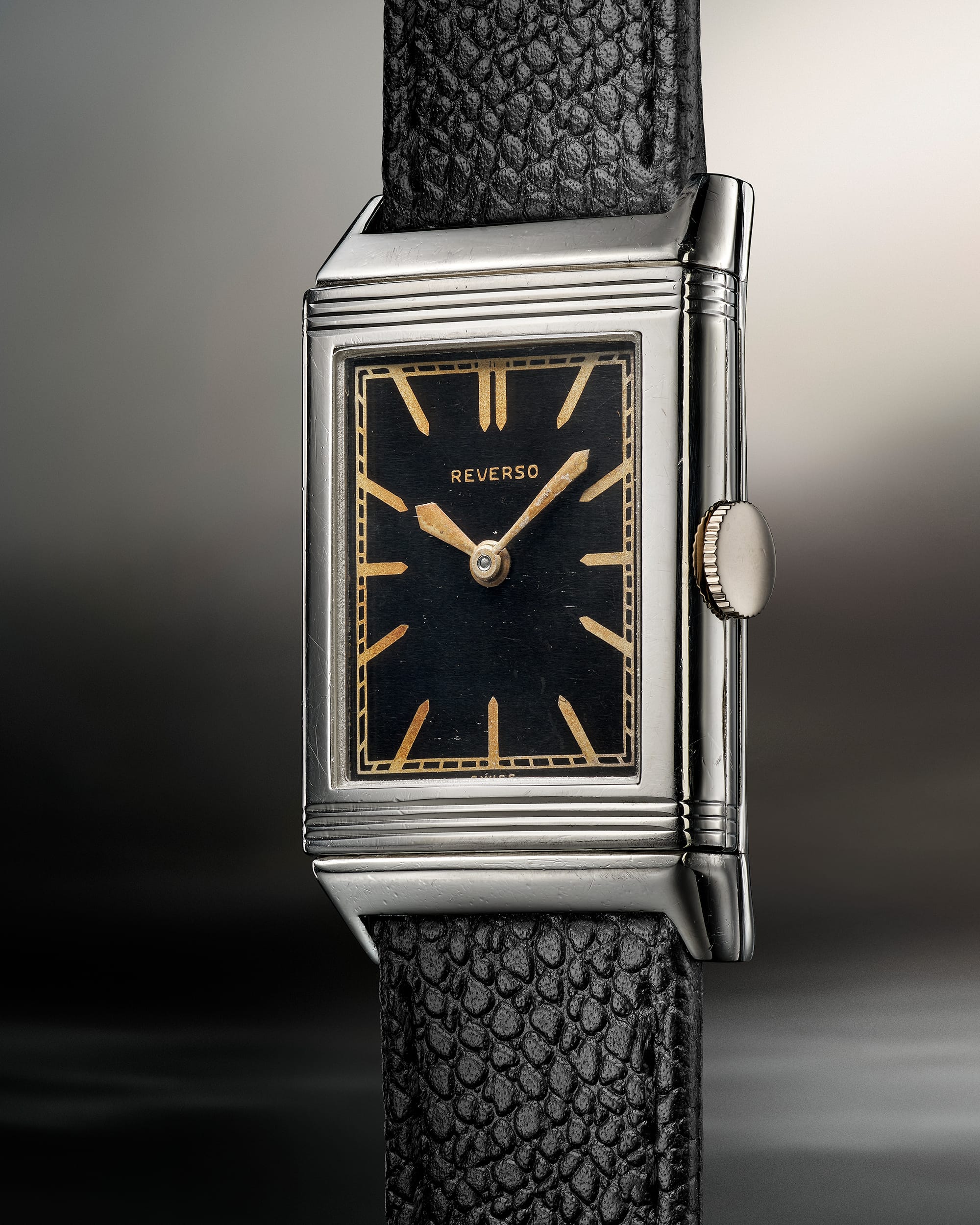
One reference that stood out to me measured 39 by 23 millimeters and distilled the core logic of the design into a straightforward layout built around a black dial and two-hand display.
Watching people encounter the reversible case in person remains a reminder that physical interaction can spark curiosity immediately.
The flipping mechanism consistently opens conversation around watch history and construction, even among viewers encountering the format for the first time.
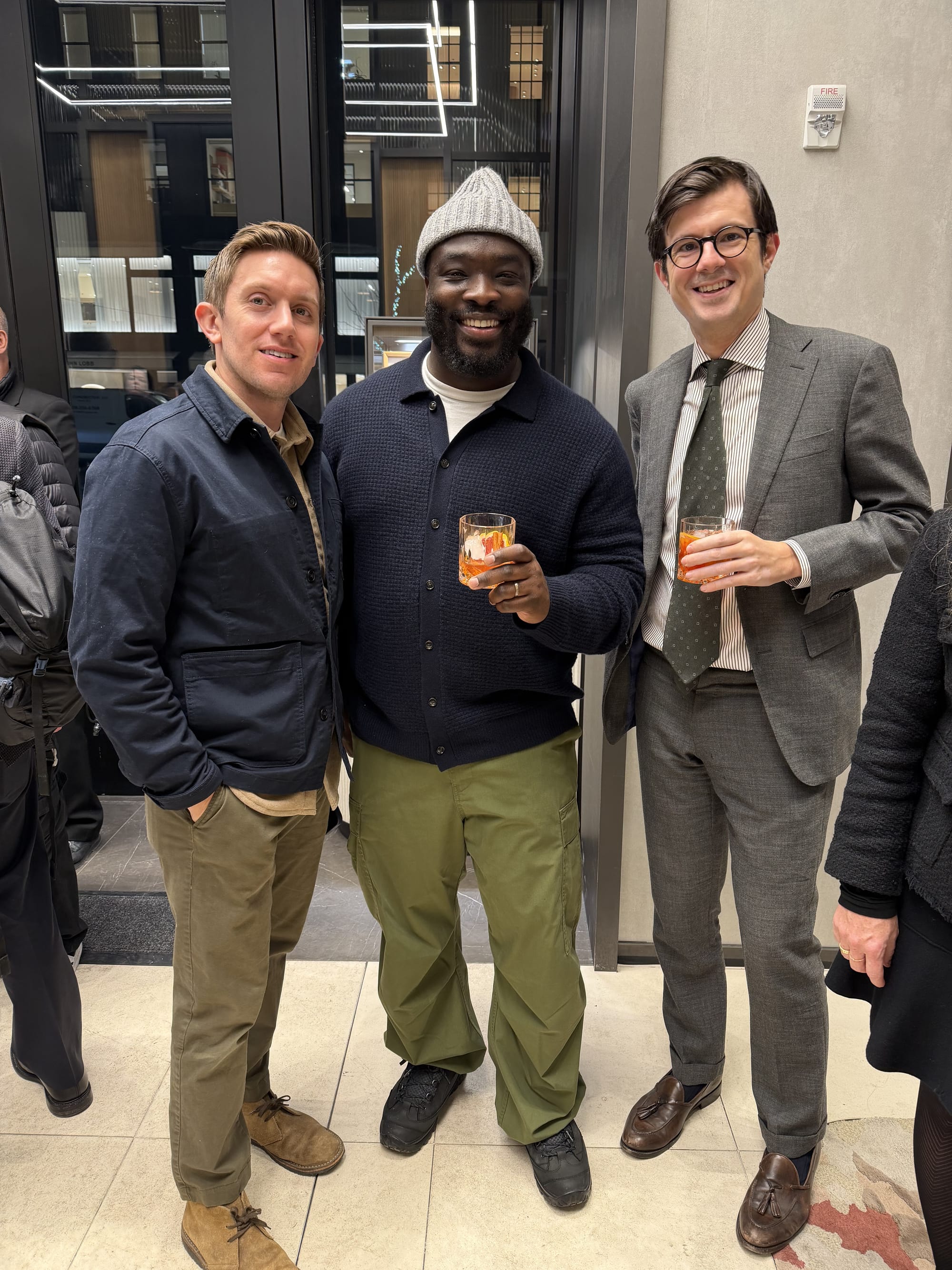
Presented in New York, a city long associated with the architectural vocabulary that shaped the watch’s proportions and graphic structure, the capsule places these pieces within a cultural context that feels natural rather than staged.
Experiencing them together reinforced how preservation, context, and physical engagement contribute to understanding mechanical design as an ongoing continuum rather than a fixed archive.
See the full collection on Jaeger-LeCoultre's website and watch the deep dive on Super Niche's Instagram.