Kickstarter’s CEO Doesn’t Do Performative Taste
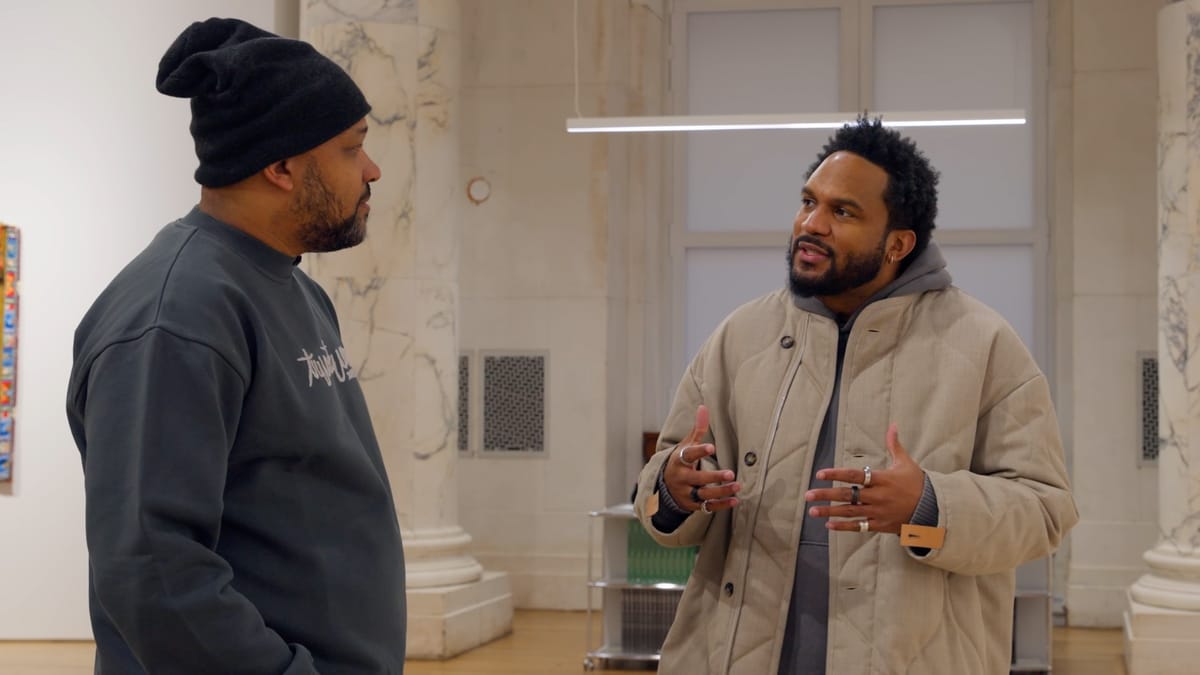
Late one Friday morning in January, I spent a few hours gallery hopping with Everette Taylor, starting at Jack Shainman Gallery to see the Faith Ringgold exhibition and talk through his relationship to collecting.
Everette, the CEO of Kickstarter, carries a title with real gravity. Leading a platform built on backing ideas before they’re proven comes with its own weight.
What struck me most, though, wasn’t the authority of the role but how intact he felt within it. There was an immediate sense of kinship, cultural and generational, rooted in a shared understanding of where we come from and how that informs what we value.
Everette is kind and thoughtful, but he’s also unapologetically proud of what he’s built. His accomplishments aren’t softened or downplayed.
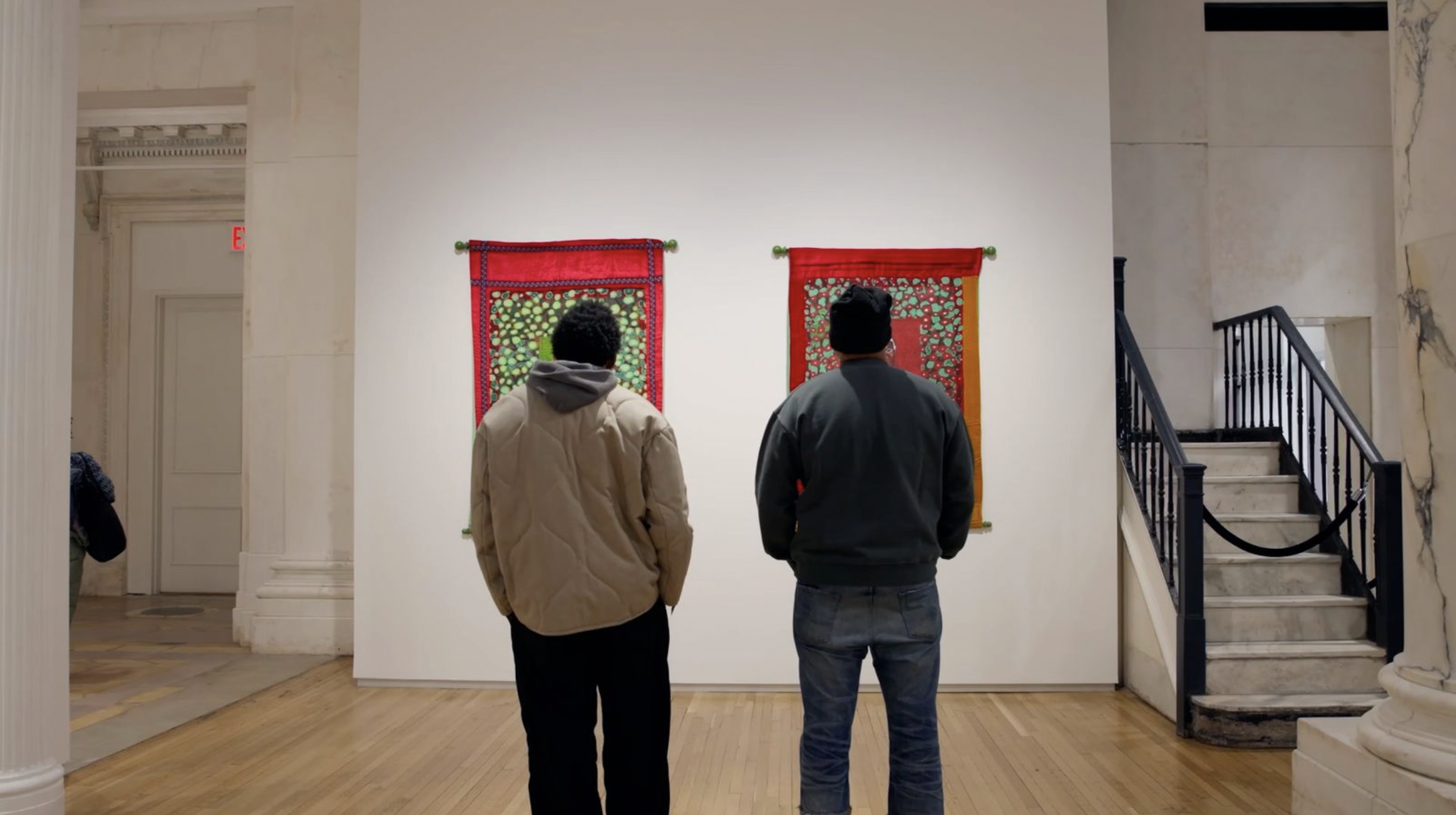
They’re carried as earned markers of success. The grounding I noticed wasn’t humility in the traditional sense but alignment, a commitment to stay close to the people, references, and environments that shaped him.
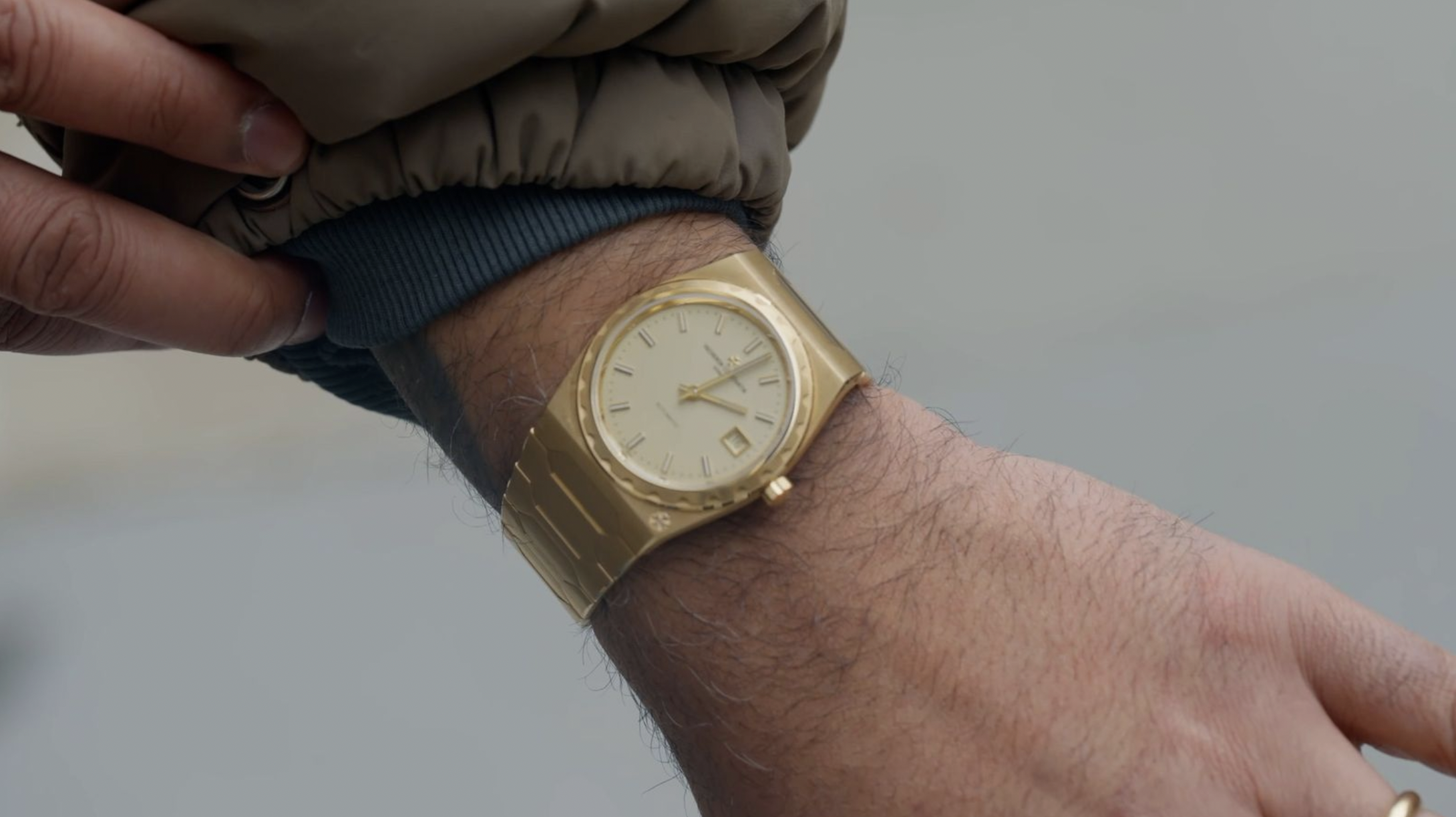
That alignment shows up clearly in how he collects. Everette gravitates toward what resonates rather than what signals. His taste feels tuned, not trendy, refined over time but still tethered to its origins. It evolves and sharpens, but the breadcrumbs remain.
There’s continuity in the choices, the way a contemporary song might carry a sample from a track you haven’t heard in decades.

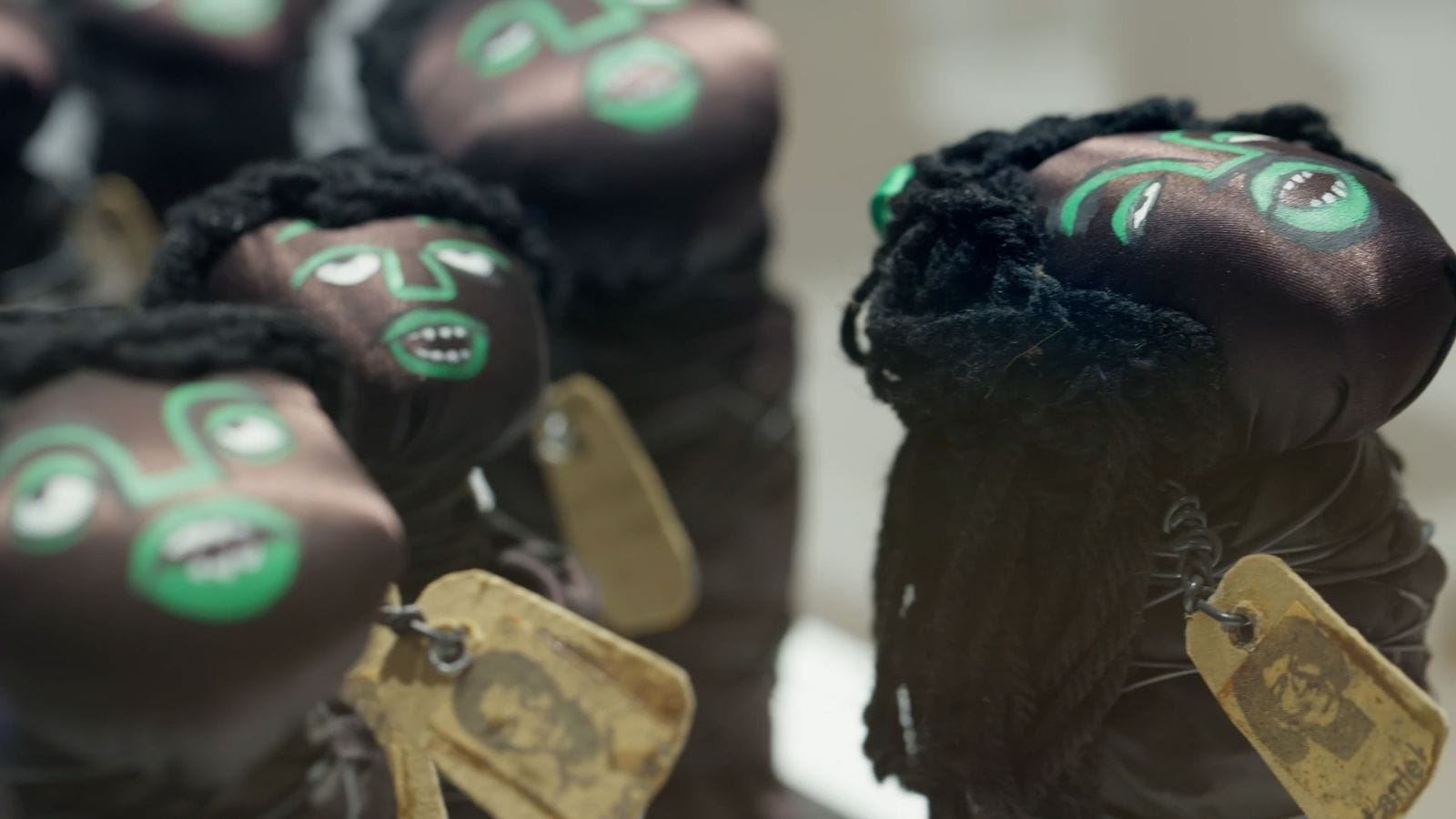
Standing among Ringgold’s quilts and tapestries, the idea of discernment came into focus. Her work carries history through material, ancestors rendered in fabric, narratives sewn rather than spoken. Quilting, once dismissed as craft, functioned as coded language, with patterns guiding those fleeing bondage toward freedom when time was of the essence.
Ringgold’s mastery across painting, sculpture, and textile made me think about how long it takes to develop a language so precise it can be understood instantly. How much repetition and lived experience are required before taste becomes instinct
In Everette’s view, experience cultivates taste. Speed is usually treated as the enemy of discernment, but here it felt more like its proving ground.
Knowing something immediately is only possible after years of looking, learning, and refining, especially when the subject is as personal as what genuinely moves you.
We later headed to Craig Starr Gallery to see works by Stanley Whitney and Henri Matisse. Riding together in the back of an Uber, we talked mostly about film. Then Everette paused and asked a question.
“What is your relationship to wealth? Whatever comes to mind.”
It was disarming, not because it demanded an immediate answer, but because it revealed how rarely wealth is discussed outside of accumulation or outcome. In the context of the day, the question felt connected to everything we had seen and talked about.
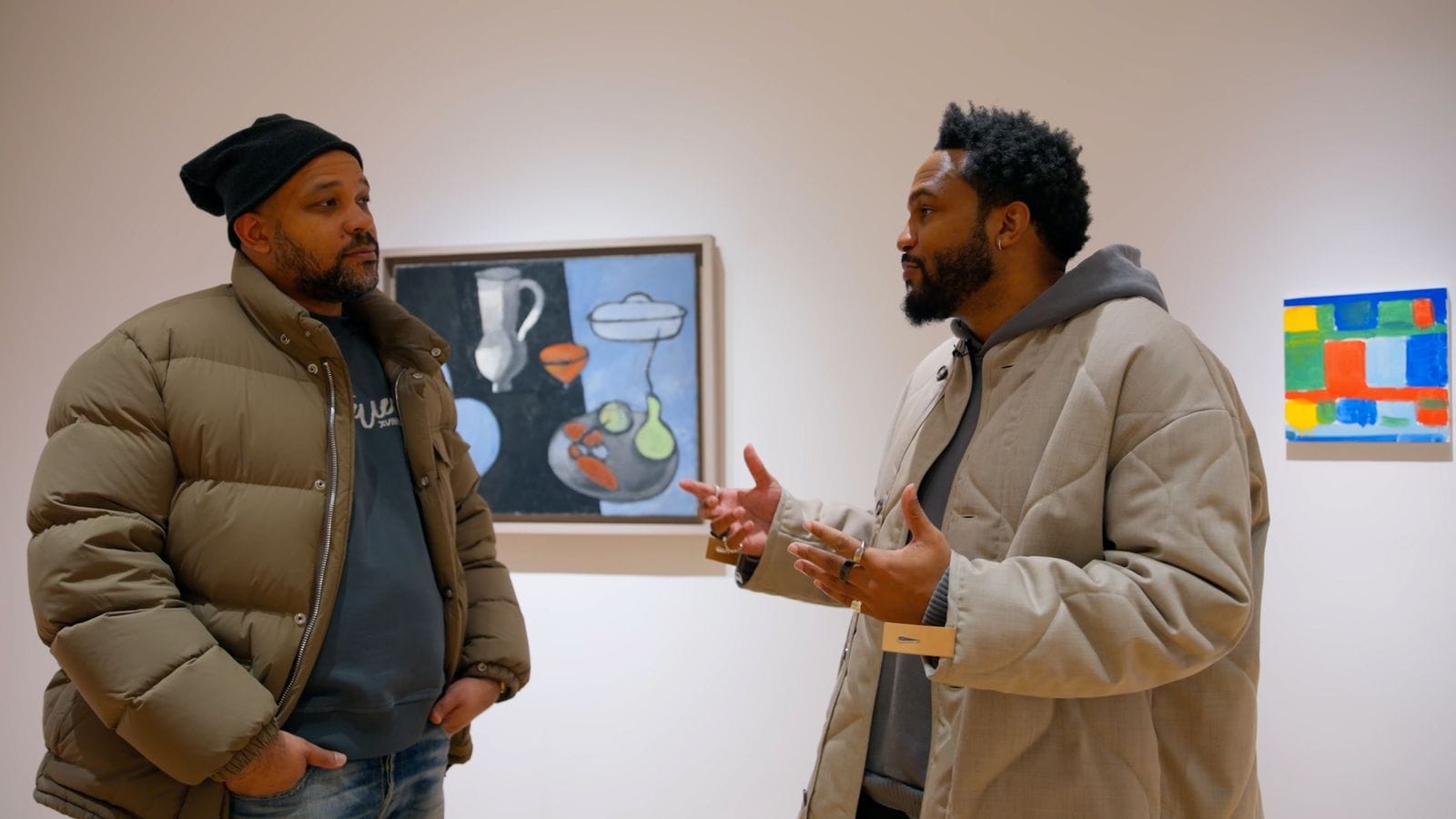
Collecting, like backing ideas, is an exercise in judgment. It reflects what you’re willing to stand behind without guarantees, what you return to over time, and what you’re prepared to live with once the noise fades.
What I took away from my time with Everette is that taste isn’t performative. It’s cumulative, shaped by repetition, restraint, and memory. It’s less about how quickly you move and more about whether you’re moving in alignment.
And wealth, viewed through that lens, becomes less about what you acquire and more about what you choose to sustain. The people, the ideas, the culture you keep close. Those are the real holdings. Everything else is just inventory.