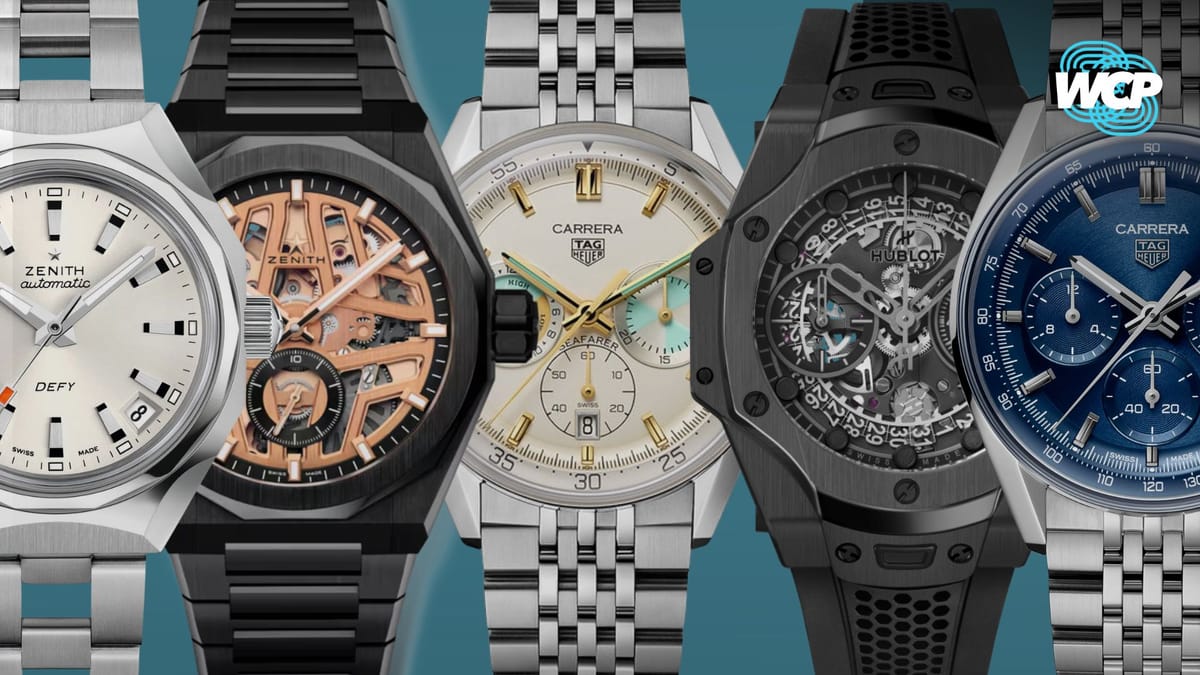
TAG, You’re It: Our Favorite Watches From LVMH Watch Week 2026
If LVMH Watch Week used to be about discovery, 2026 made something else clear: this is now a calibration exercise. Not a race to out-innovate, but a moment where the group’s brands show how confident they are letting their identities speak without explanation.
That confidence came through across the board, but three watches in particular kept pulling us back in. Not because they were the loudest, or the most expensive, or the most technically maximalist. But because each felt settled in its own logic. TAG Heuer, Zenith, and Hublot didn’t feel like they were trying to prove relevance this year. They felt like brands choosing their lane and refining it.
For the uninitiated, LVMH Watch Week (Moët Hennessy Louis Vuitton) is the group’s early-year showcase, bringing together releases from Louis Vuitton, TAG Heuer, Daniel Roth, Gérald Genta, Bvlgari, Tiffany & Co., Hublot, and Zenith. This year, Super Niche’s Wrist Check Podcast was invited to an exclusive LVMH tasting in New York City, spending time with the watches away from the noise of a traditional fair. What emerged wasn’t a dominant trend so much as a shared ease. These brands know who they are right now.
It would be easy to overread that confidence as a turning point. Watch Week rarely works that way. What it does reveal, more quietly, is how brands behave once they stop chasing permission.
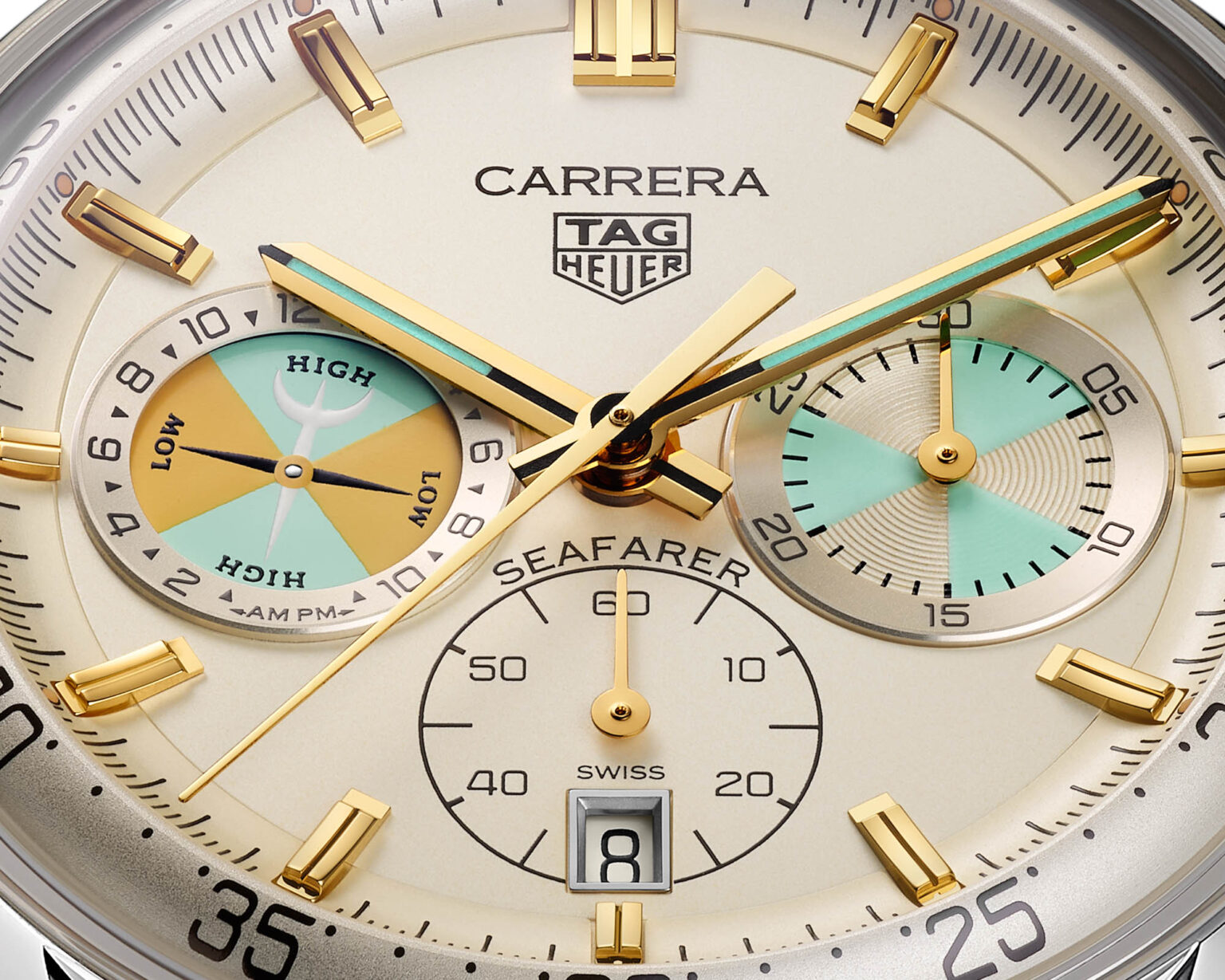
There’s something quietly subversive about the official Formula 1 timekeeper releasing a sailing chronograph. The TAG Heuer Carrera Seafarer Chronograph doesn’t chase lap times or speed records. It rides a different rhythm entirely.
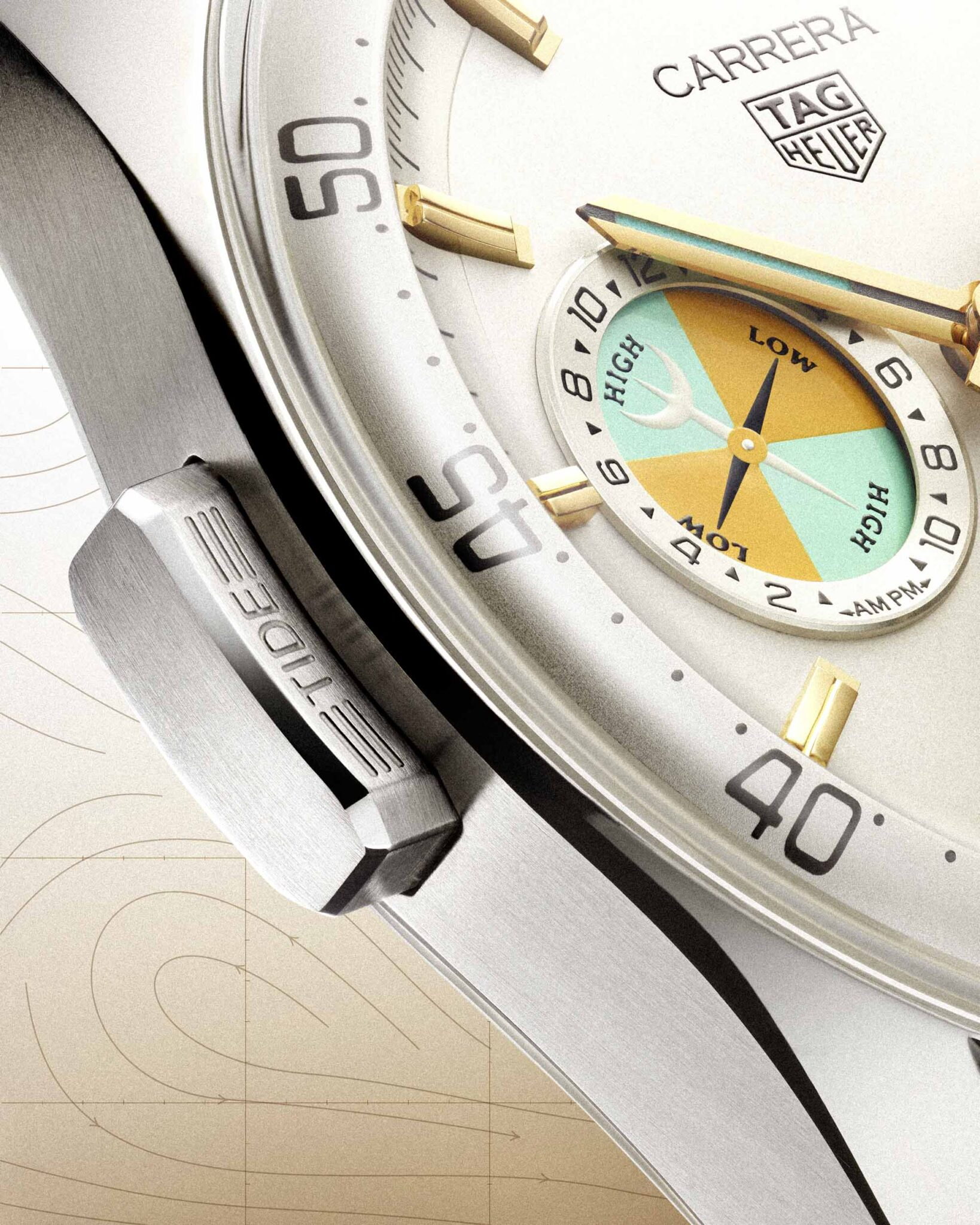
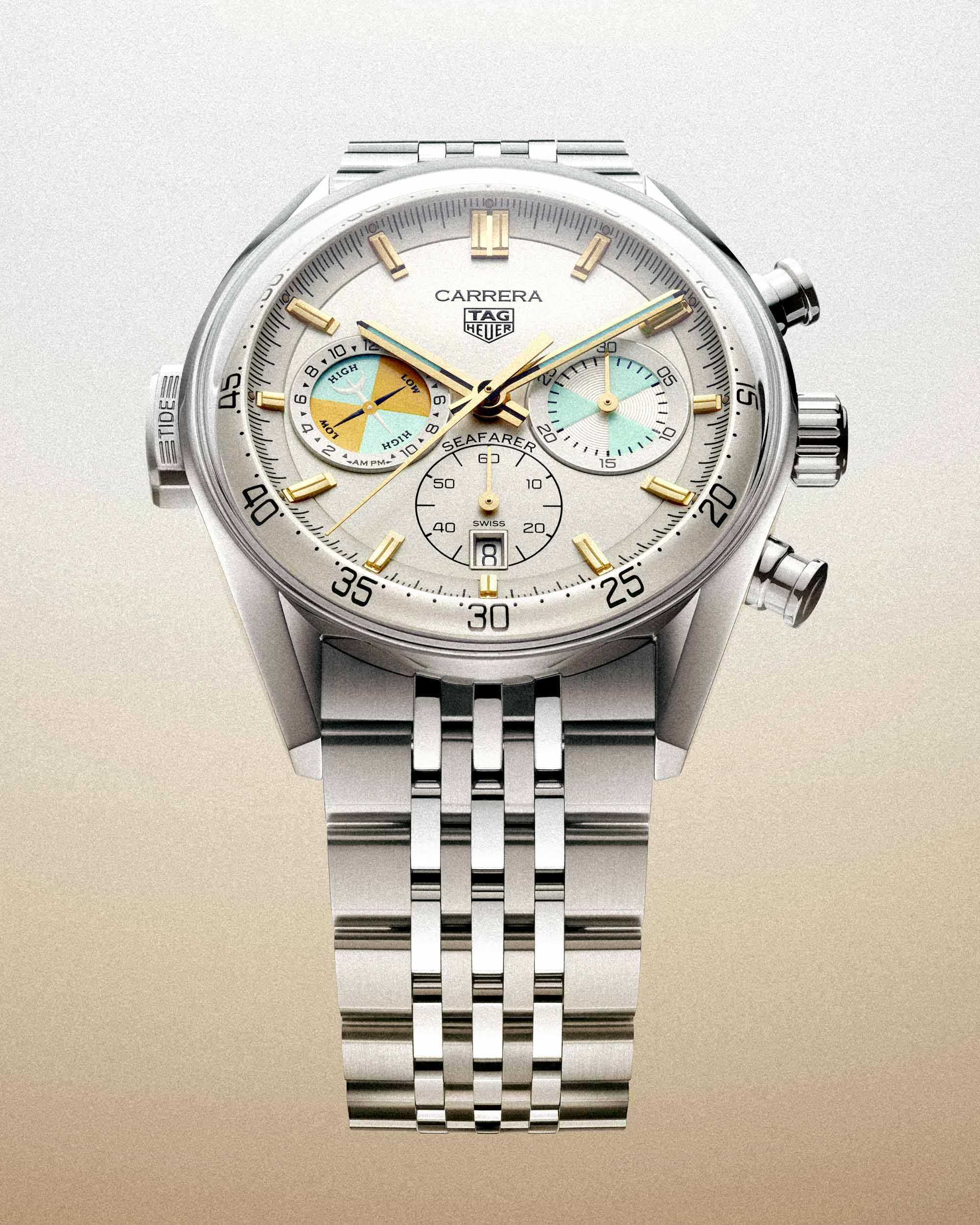
We saw the Seafarer as part of TAG Heuer’s broader LVMH Watch Week presentation, where it immediately stood apart. The watch traces its origins back to a 1949 chronograph developed for Abercrombie & Fitch, refined by a young Jack Heuer at a moment when tool watches were still being shaped by leisure and performance.
That lineage comes through instantly. The dial doesn’t feel designed so much as discovered, like it’s been pulled from a very good vintage store and left mostly alone. The off-white, champagne-leaning tone plays straight into the kind of patina collectors obsess over, while also tapping into a broader appetite for vintage-coded design circulating well beyond watch circles.
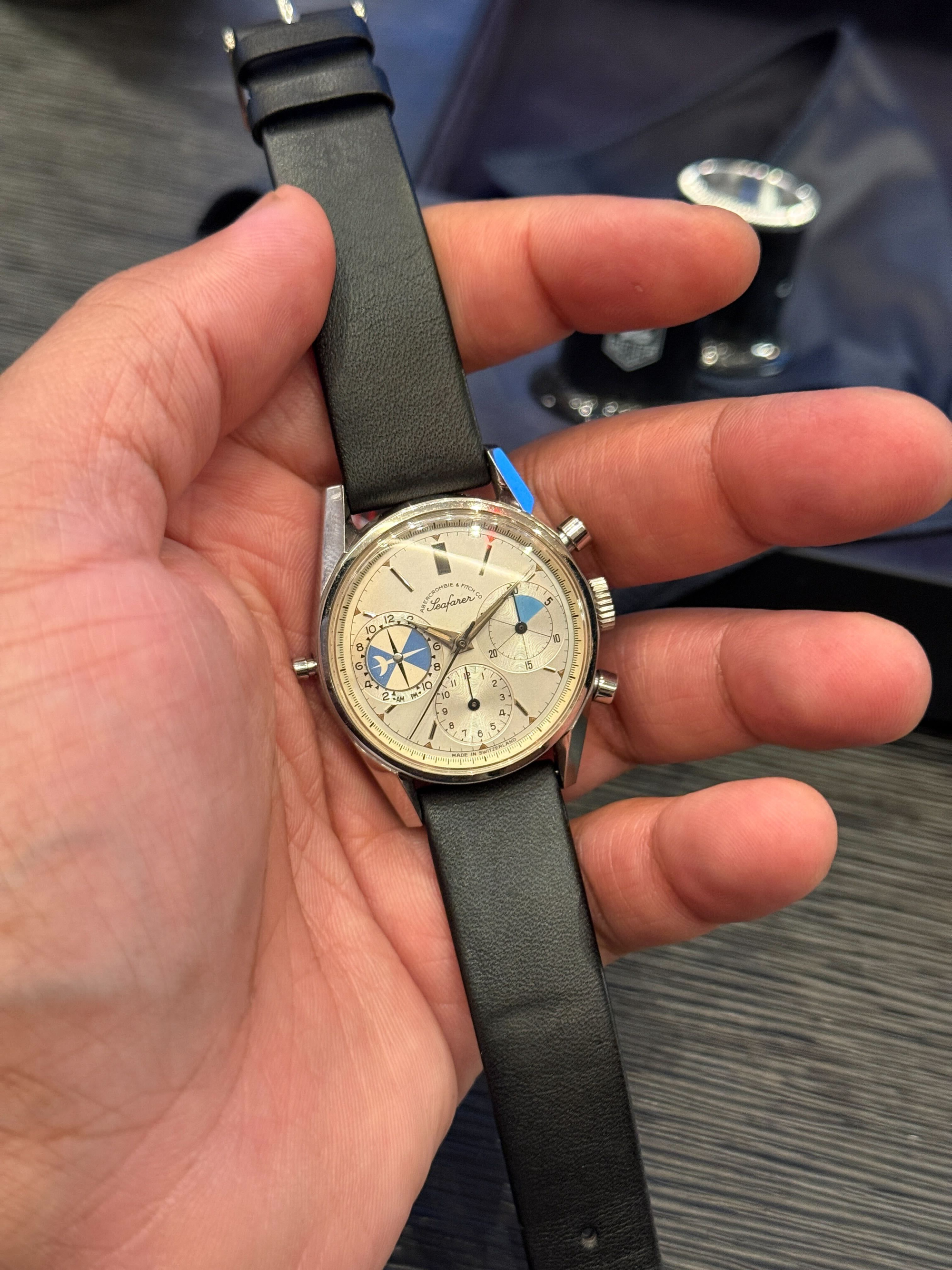
The modern execution keeps things practical without overplaying it. A 42mm stainless-steel case uses TAG Heuer’s glassbox Carrera architecture, with a domed sapphire crystal and bezel-less profile that keeps the dial open and legible. The tide indication at nine o’clock, adjusted via a dedicated pusher labeled “TIDE,” feels almost anachronistic in the best way. Useful if you’re actually near water, but just as compelling as a reminder that not every complication needs to justify itself through daily utility.
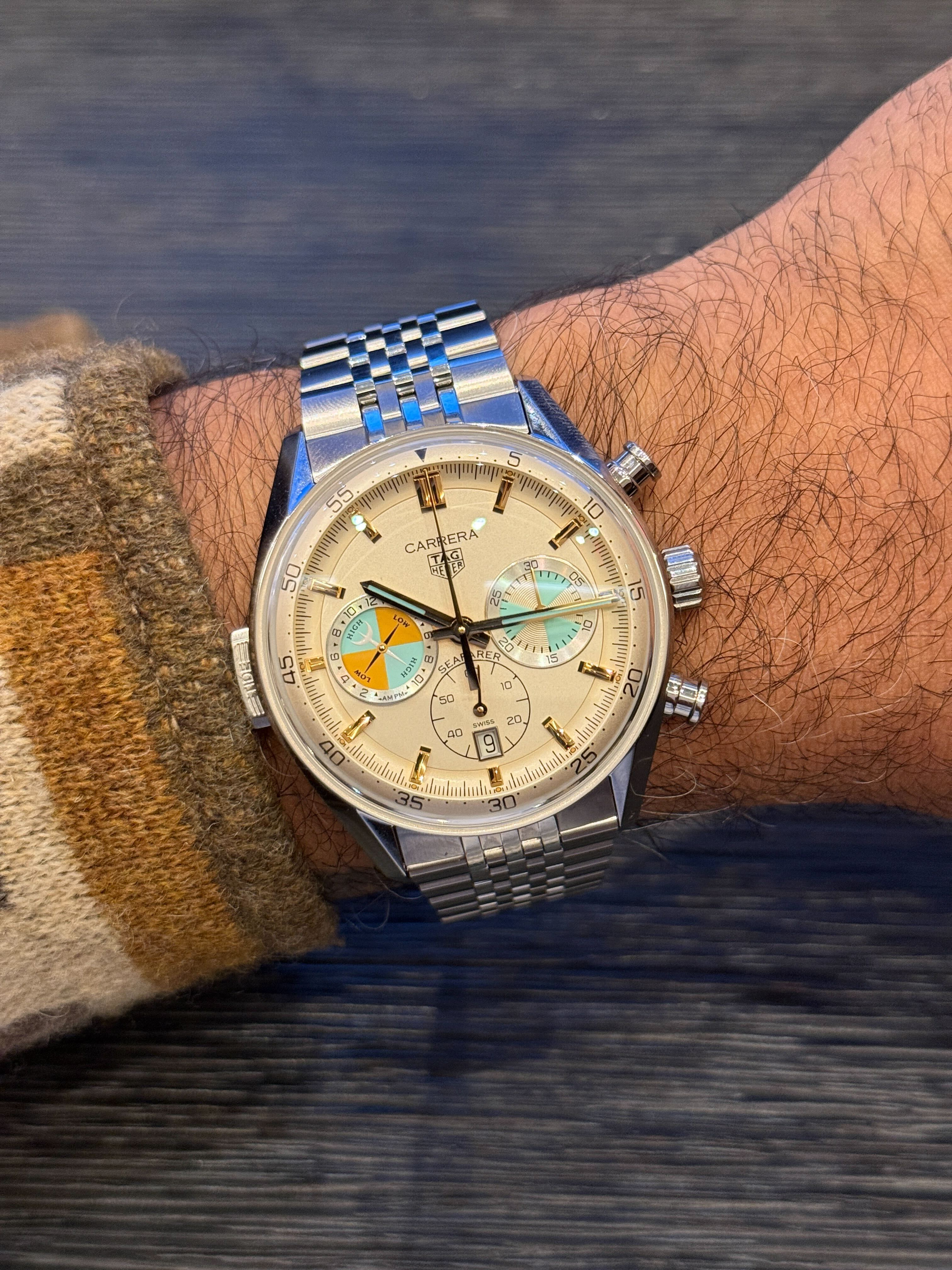
On the wrist, the seven-row beads-of-rice bracelet does a lot of the work. It grounds the watch in a specific visual language that feels more Nantucket than paddock. This is the kind of watch you could wear sailing, but just as easily nowhere near a boat. With a knit polo. Maybe an old Abercrombie reference tee. The point is that TAG Heuer isn’t chasing performance credibility here. It’s leaning into lifestyle, and doing so with enough historical backing that it never feels forced.
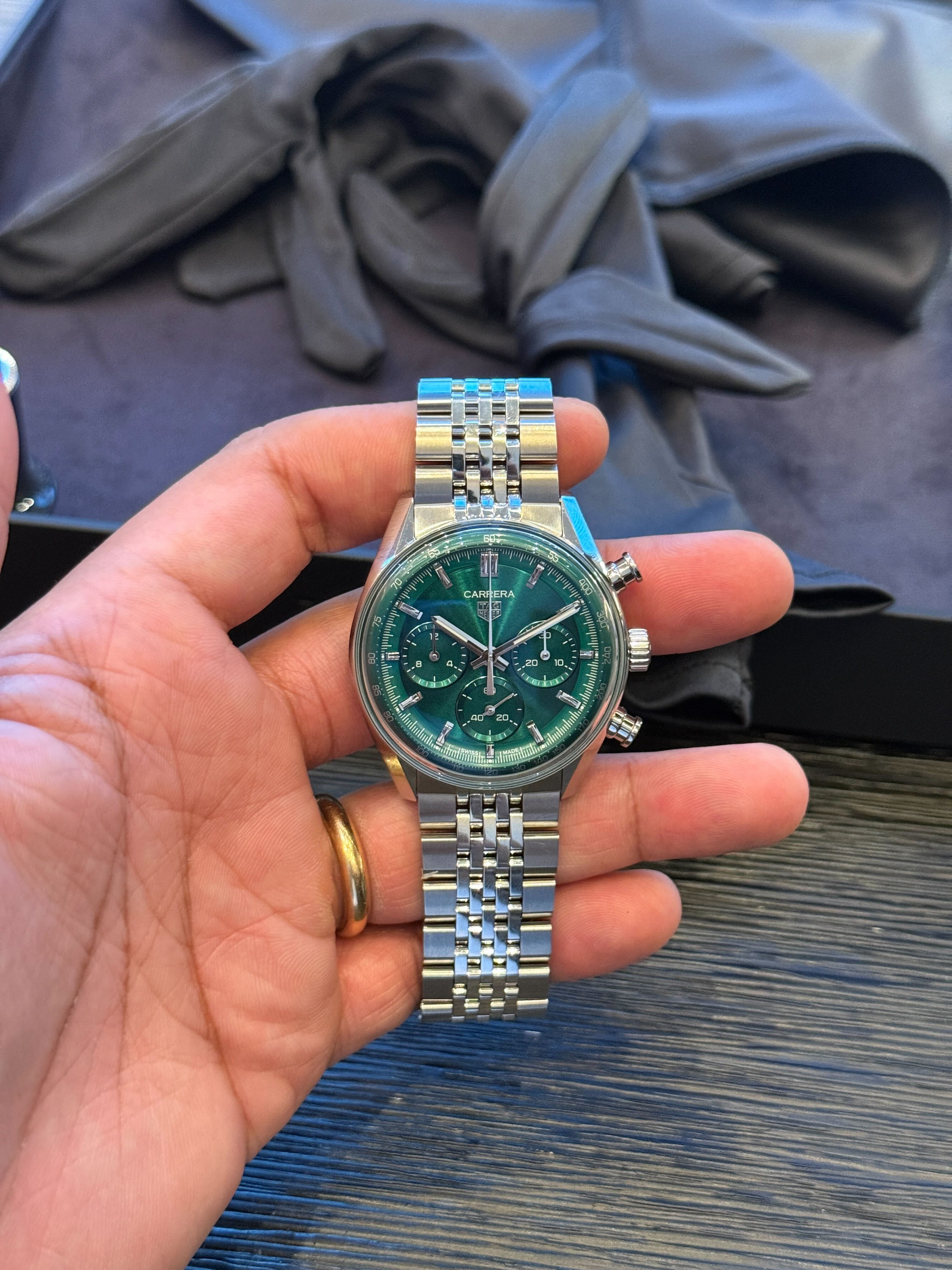
That confidence feels earned. Between the Formula 1 Solargraph reissues, the Fragment collaborations, and now the Seafarer, TAG Heuer’s recent run reads less like a comeback narrative and more like consistency finally clicking into place. Archive pulls, modern partnerships, and everyday wearability aren’t competing with one another anymore. They’re aligned.
If TAG Heuer’s strength this year was comfort, Zenith’s was restraint. The brand remains one of the most quietly undervalued players in modern watchmaking, not because it’s subtle, but because it refuses to over-explain itself.
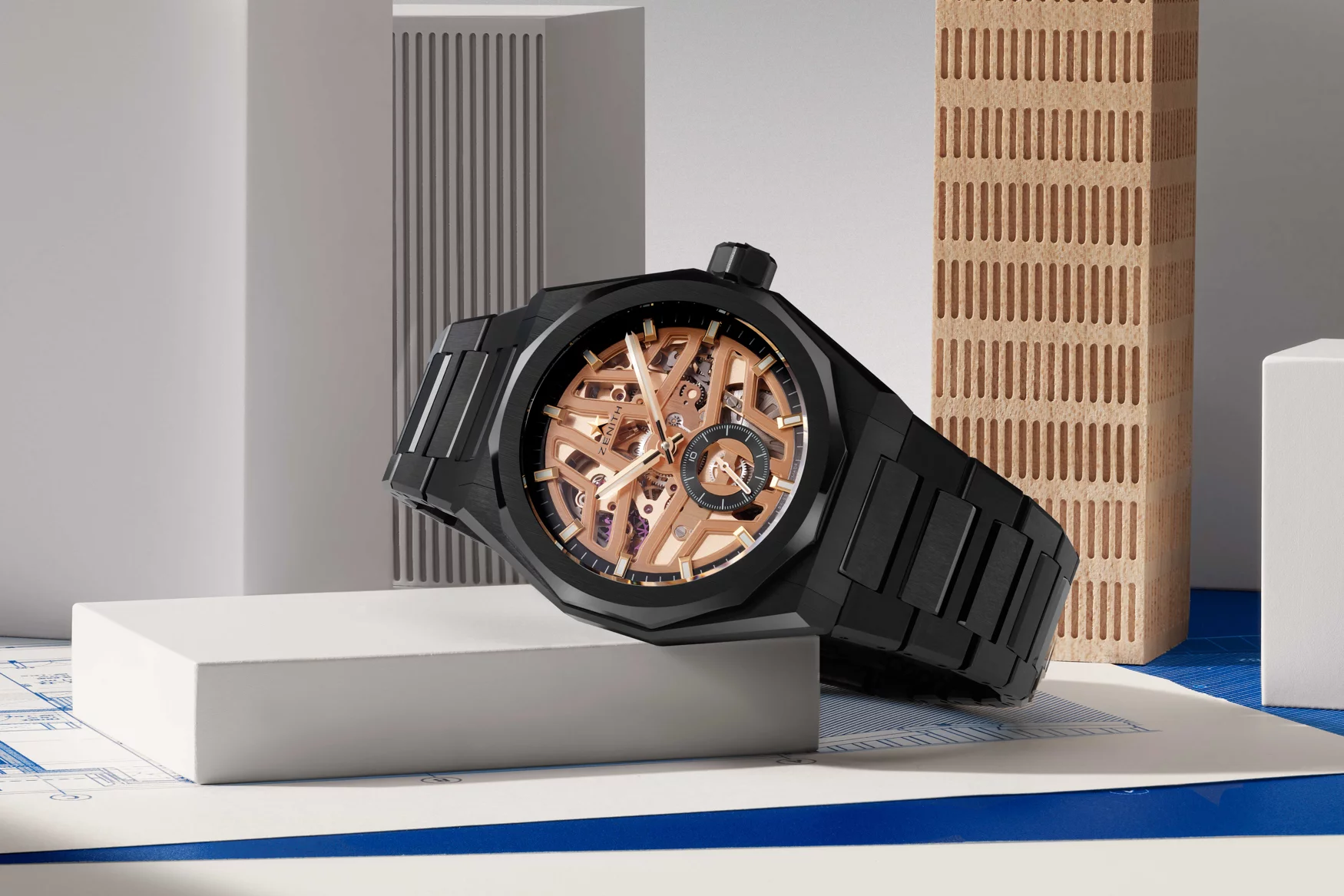
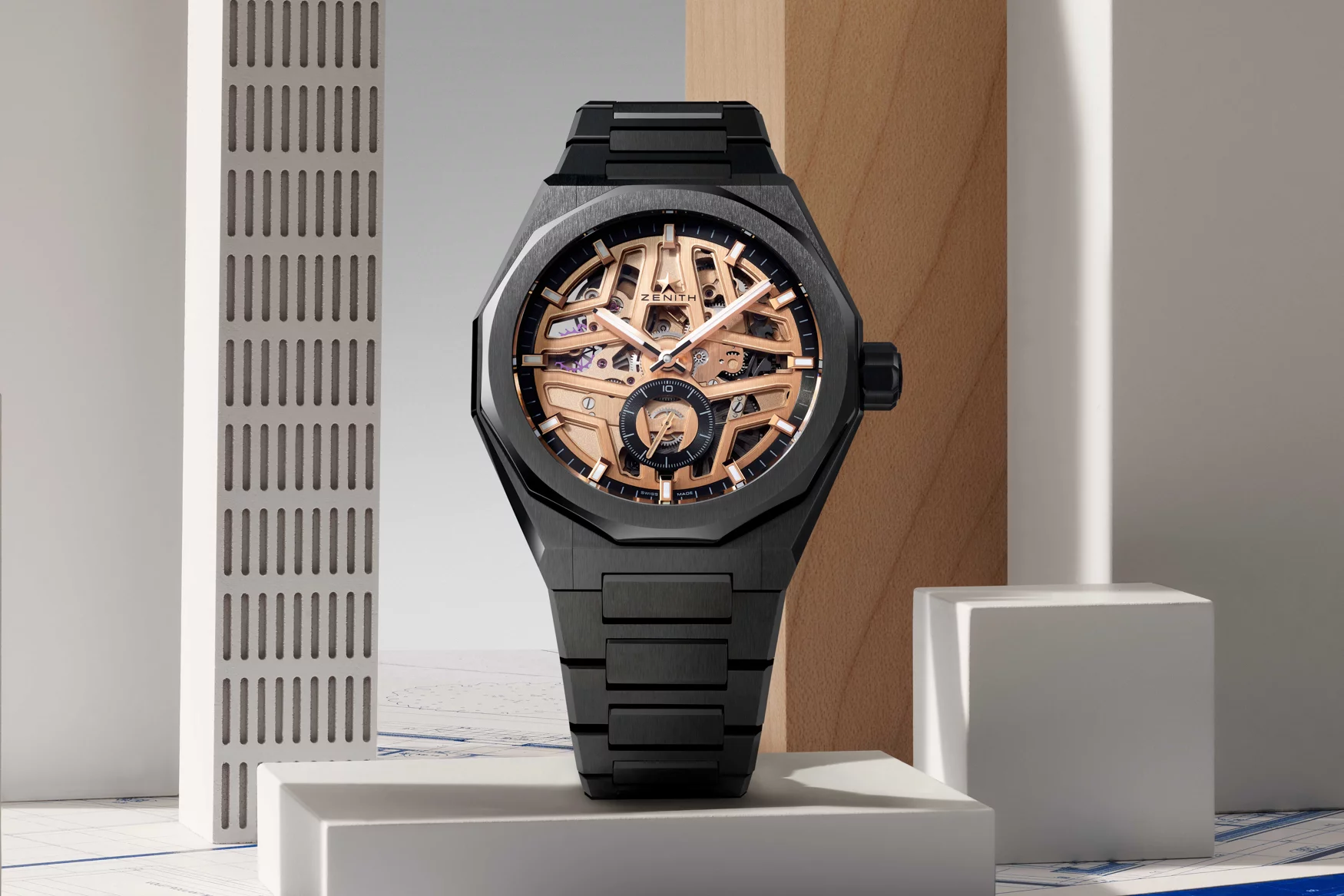
The Zenith Defy Skyline Skeleton in black ceramic crystallizes that approach. Black ceramic has a way of draining excess drama out of a watch, and here it turns what could have been pure spectacle into something architectural. The 41mm case and integrated bracelet feel deliberately monolithic, almost moody, while the gold-toned openworked movement underneath introduces contrast without noise.
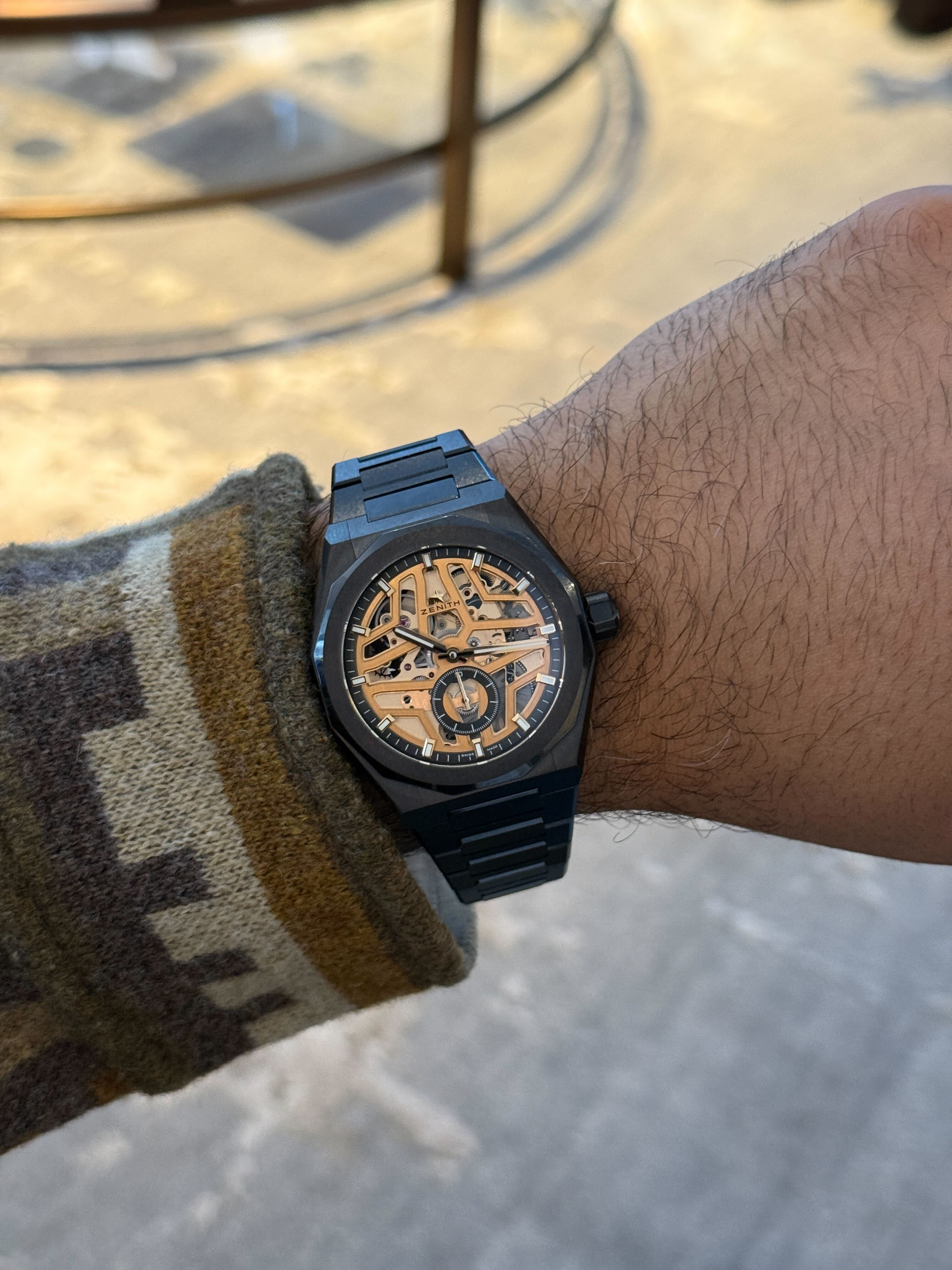
It’s tempting to pull Audemars Piguet into any conversation about integrated sports watches, but that comparison does the Skyline a disservice. This isn’t imitation. It’s parallel evolution. The skeletonization doesn’t read as generic because Zenith refuses to let it. The cut-outs follow the brand’s four-pointed star motif, turning mechanics into identity rather than decoration. Even the constant 1/10th-of-a-second indicator, a Zenith hallmark, adds motion without asking for attention.

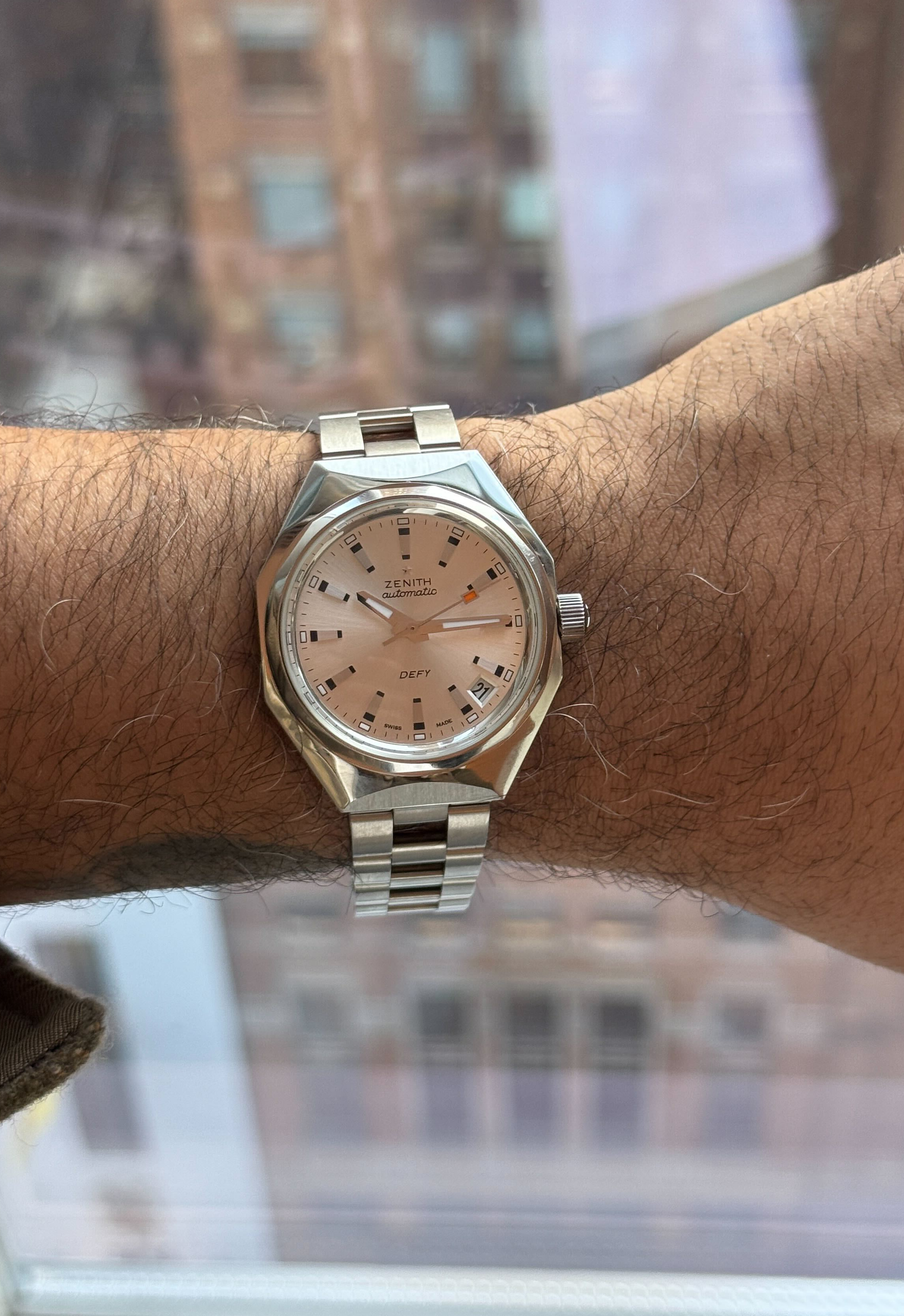
In person, the broader Defy lineup reinforces the same point. The Defy Revival A3643 pulls directly from Zenith’s late-’60s design language, all sharp geometry and bank-vault solidity, while the Defy Skyline Tourbillon Skeleton pushes visibility and precious metal without losing coherence. Across the range, Zenith isn’t trying to convince anyone. It’s building a world and trusting people to meet it where it is.
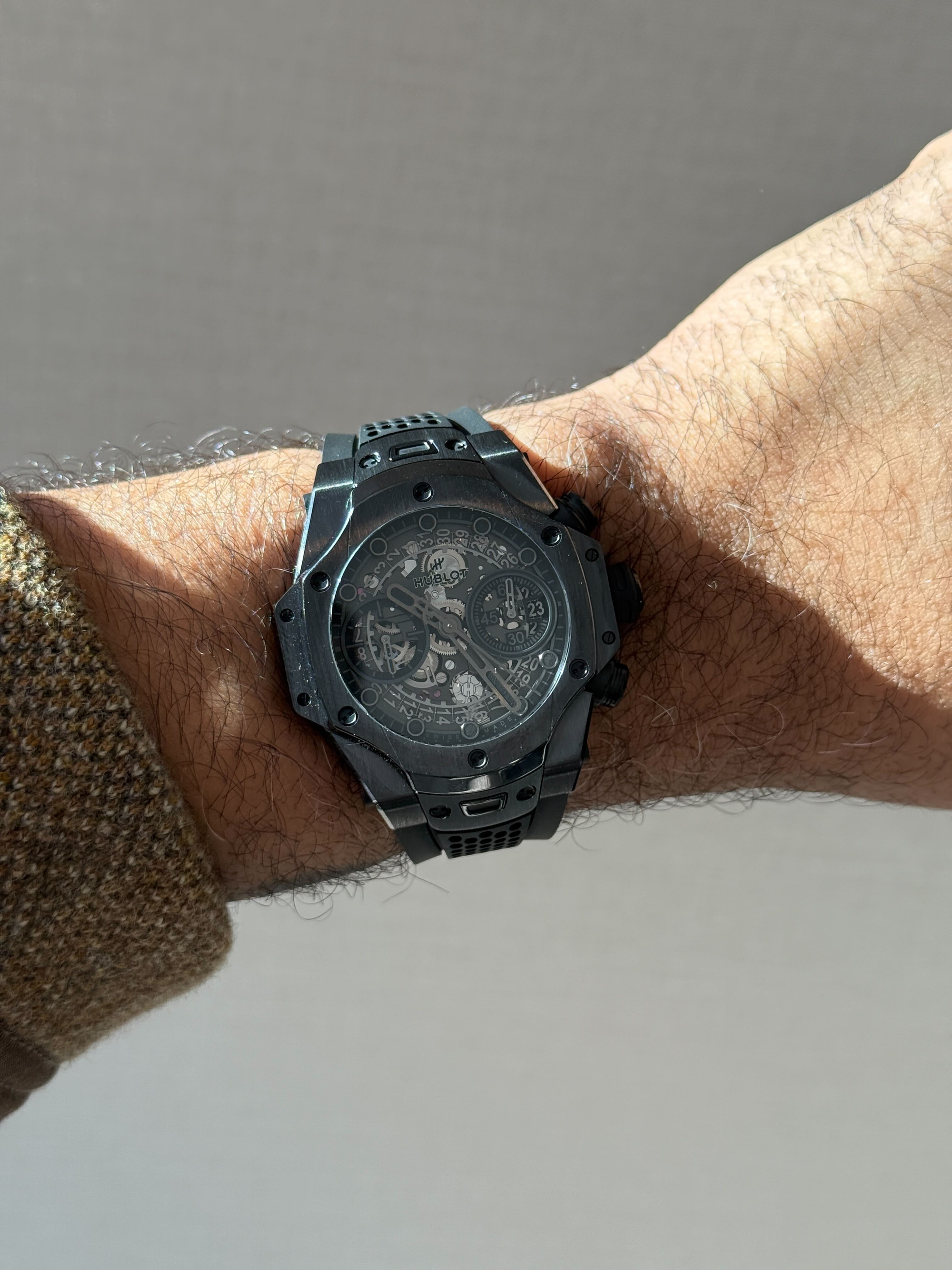
Hublot’s moment came from a different place entirely. The Hublot Big Bang Unico SR_A, limited to 200 pieces, marks the fourth collaboration between the brand and Samuel Ross, and the first to bring his design language down from six-figure tourbillons to a flyback chronograph that feels genuinely wearable.
Ross doesn’t design objects so much as systems, and that mindset translates unusually well to watchmaking. The 42mm black ceramic case carries over the elongated, layered silhouette he established with the earlier tourbillons, but strips back some of the visual theatrics in favor of clarity. The honeycomb motif shifts from the case to the structured rubber strap, reducing visual weight while keeping the design coherent.
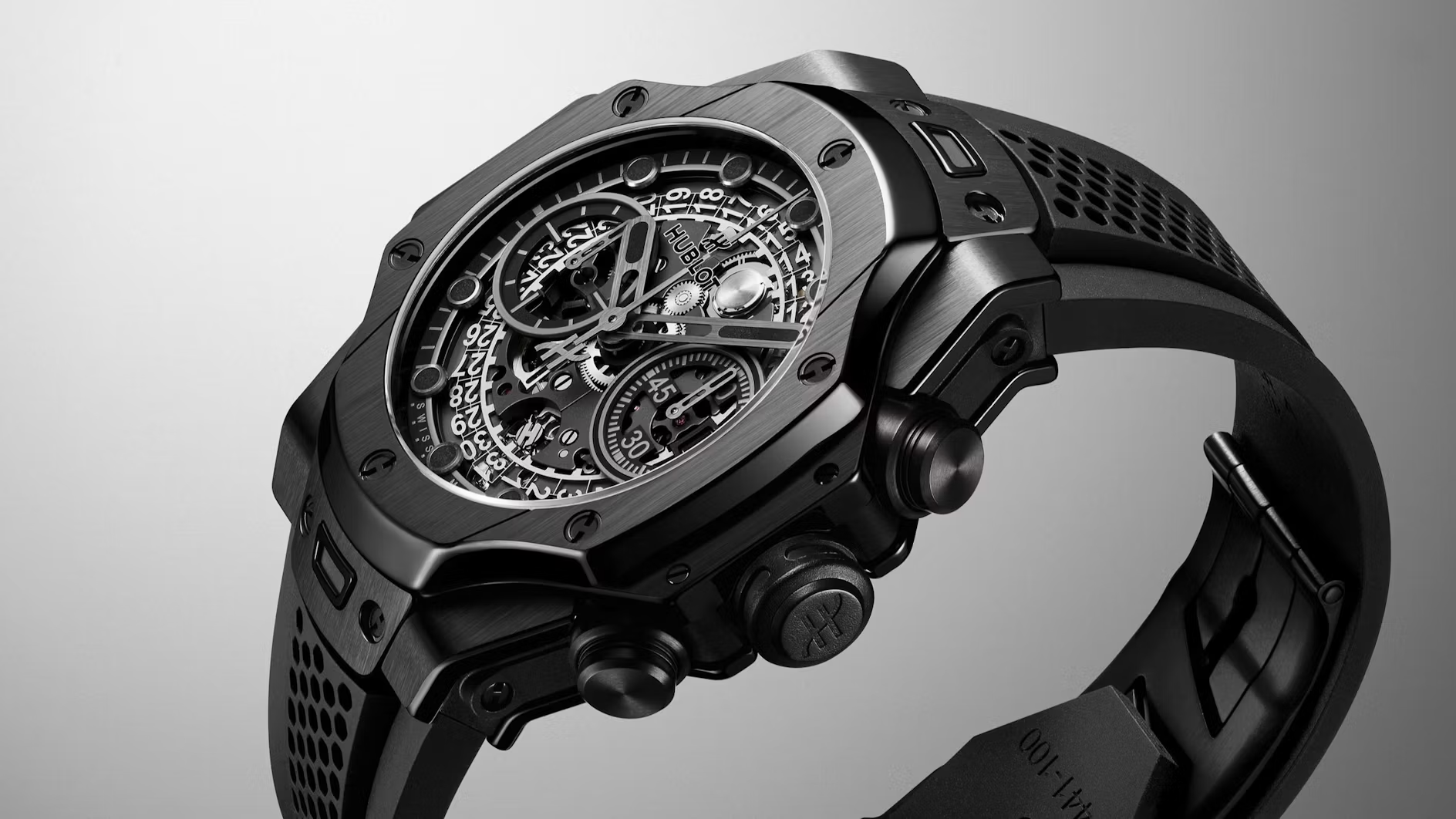
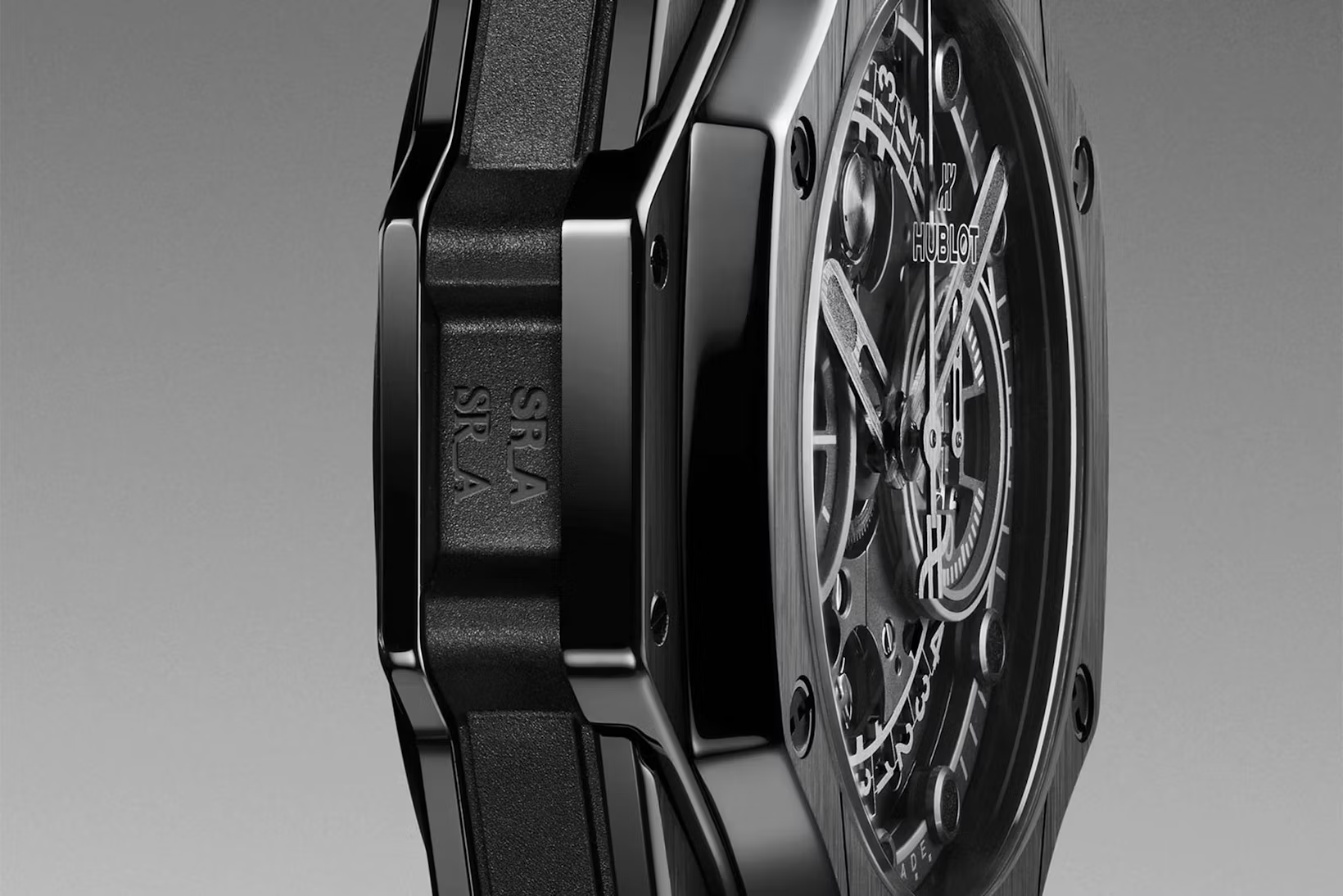
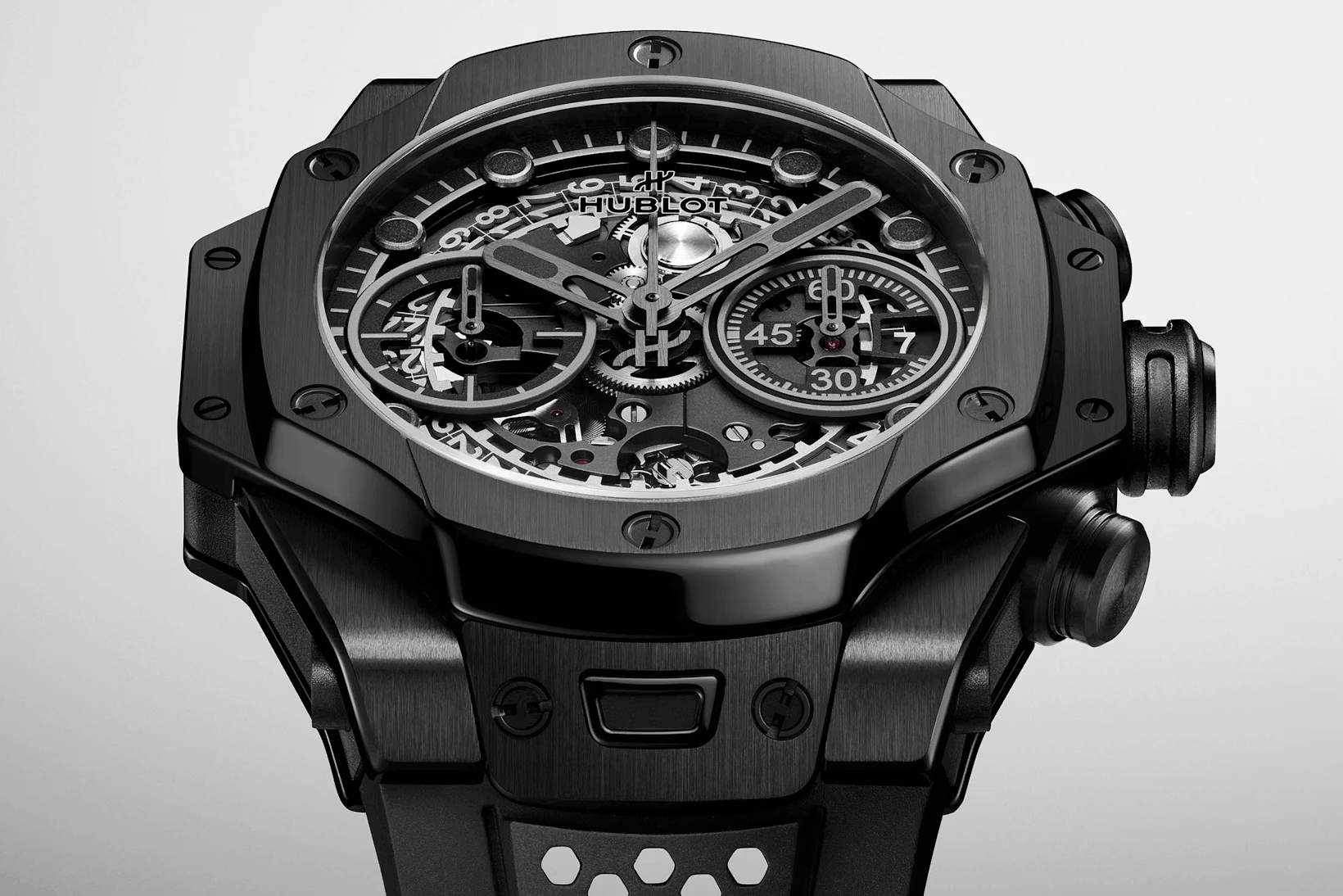
Inside, Hublot’s HUB1280 Unico flyback chronograph is skeletonized with intention. The column wheel is visible from the dial side, the date track is integrated rather than imposed, and the overall effect feels engineered rather than styled. At $31,200, the watch still sits firmly in luxury territory, but it no longer reads like a concept car. It reads like something Ross would actually wear, which is exactly why it works.
Taken together, these watches underline what LVMH does particularly well when it’s at its best. Scale doesn’t have to mean sameness. This isn’t about forcing a shared aesthetic or chasing a single trend. It’s about giving each brand enough room to behave like itself, and trusting that clarity will carry.
A lot of watches looked good at LVMH Watch Week 2026. A few felt genuinely resolved. Until the next round, it’s the Seafarer we keep coming back to, already penciled in as a summer watch.