Nadine Ghosn Makes Serious Jewelry Out of Play
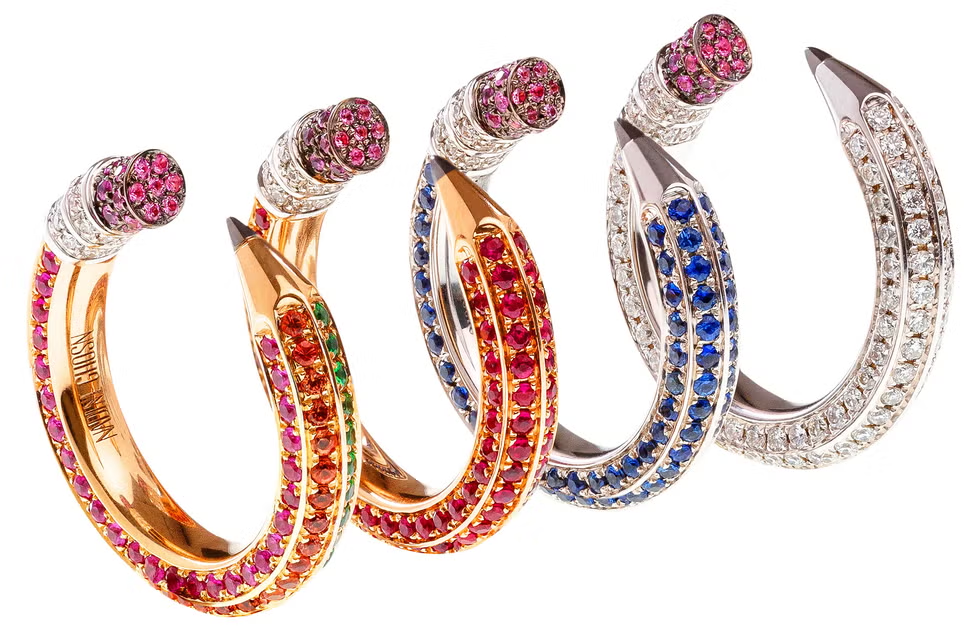
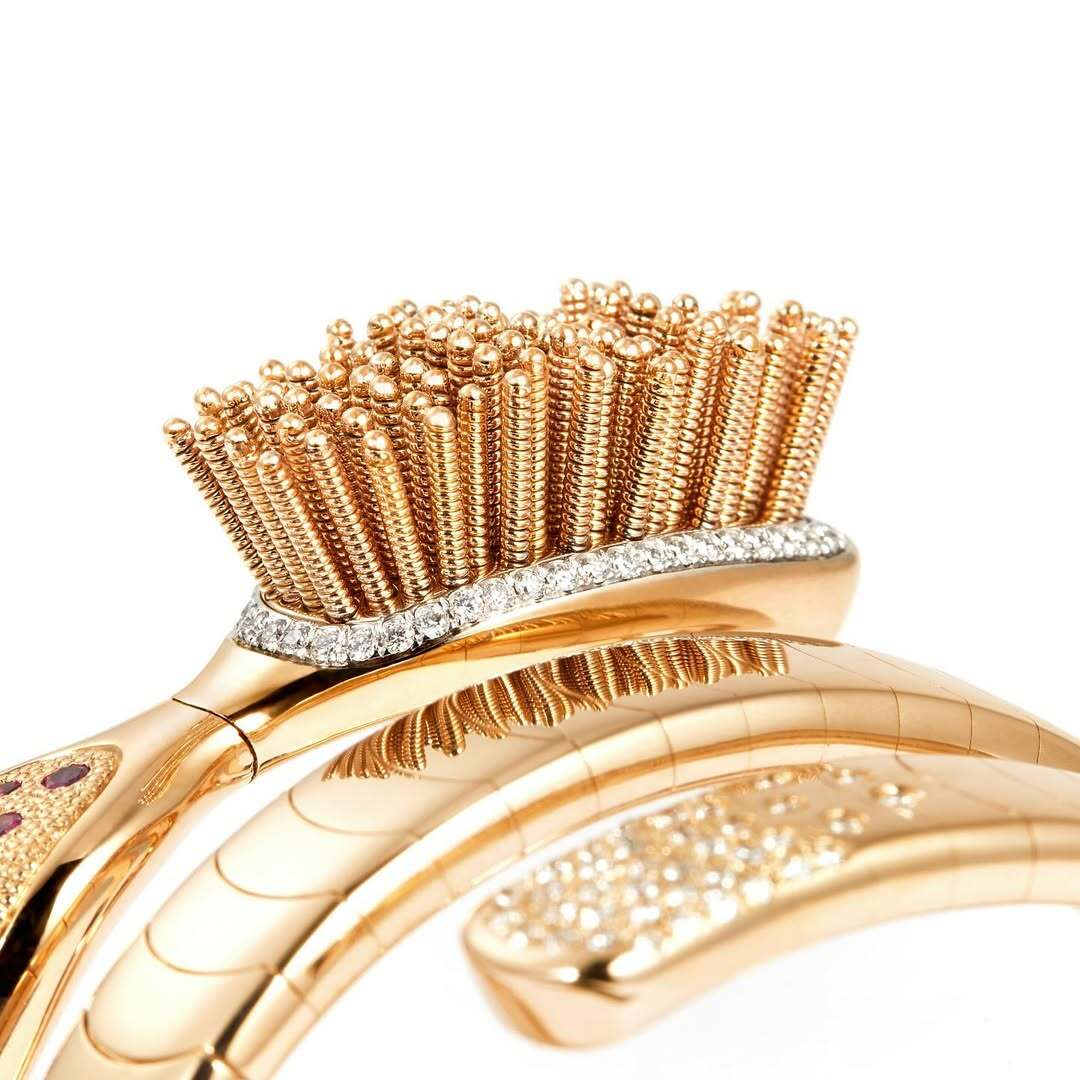
Nadine Ghosn makes fine jewelry out of pencils, Lego bricks, burgers, paper clips, and rulers. The materials are serious: eighteen-karat gold, diamonds, sapphires. The references are not. That tension is the point.
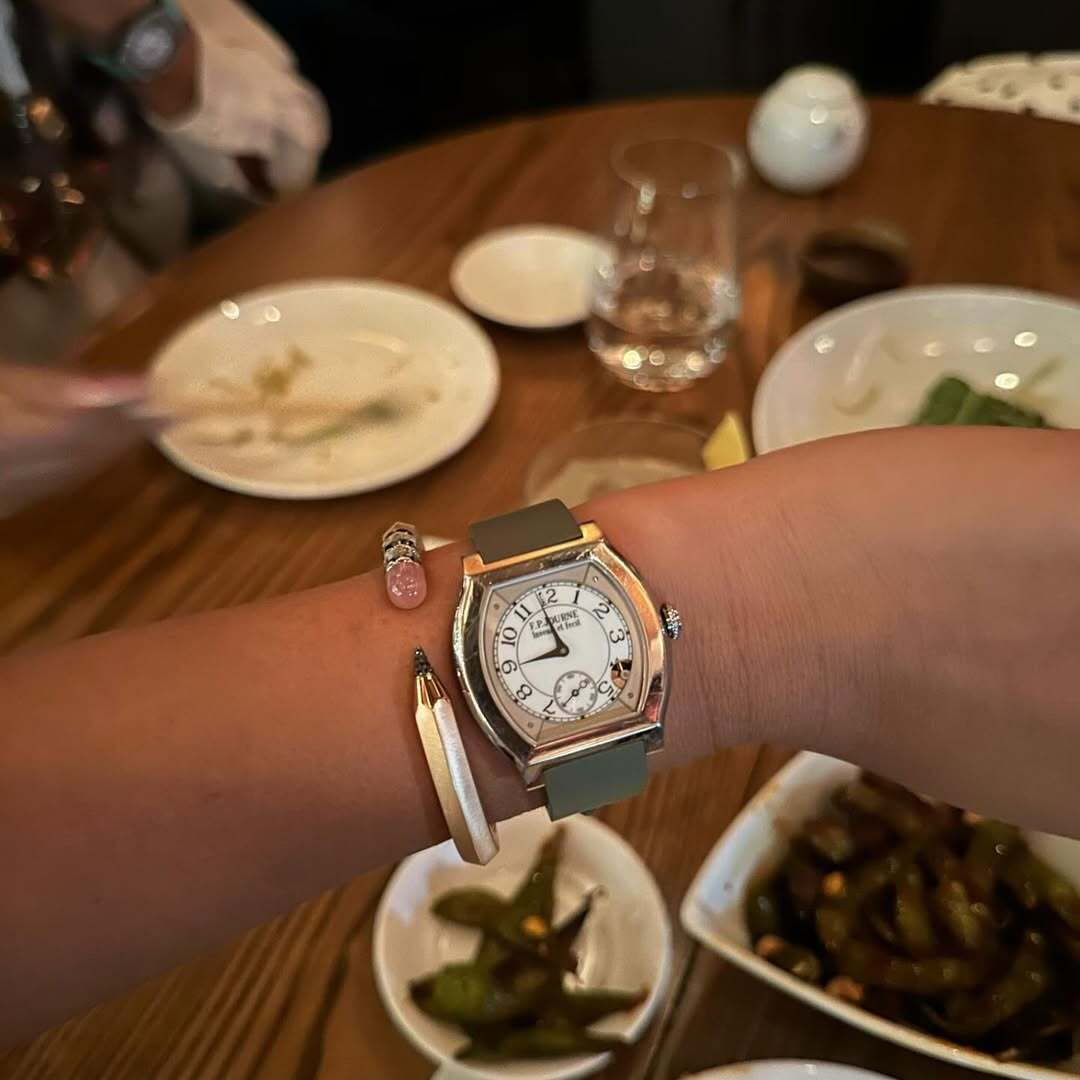
Founded in 2016, Nadine Ghosn Fine Jewelry occupies a strange and increasingly rare space within luxury. It is playful without being ironic, personal without being precious, and deeply crafted without leaning on the usual language of heritage or restraint. Her pieces do not ask to be decoded as symbols or statements. They ask to be worn, handled, lived with.

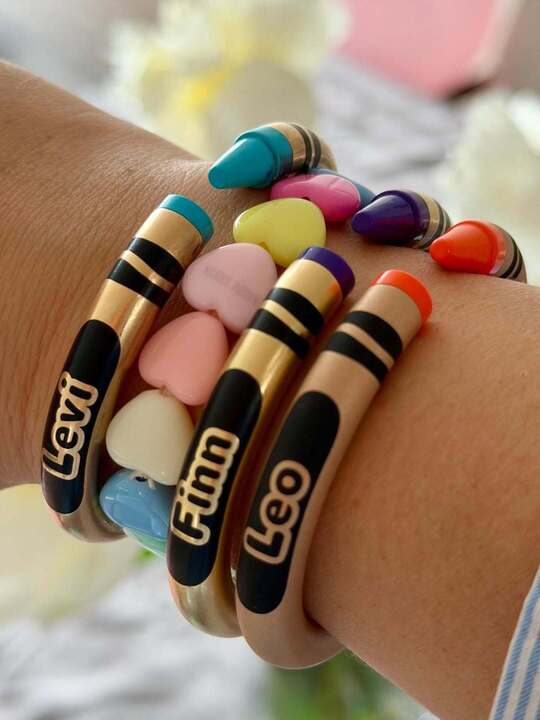
What connects the work is not nostalgia in the soft-focus sense, but familiarity. These are objects most people have held, used, or obsessed over at some point. A pencil chewed during homework. A Lego brick stepped on barefoot. A burger customized exactly right. Ghosn does not treat these memories as jokes or novelties. She treats them as evidence of how we once assigned value before taste became performative.
Raised between Beirut and Paris and trained inside Hermès’ fine jewelry department, Ghosn understands traditional luxury fluently and where it often loses people. Her response was not to reject craftsmanship, but to redirect it. Childhood objects become the framework through which she talks about authorship, routine, obsession, and care. The same qualities luxury claims to honor, just without the distance.


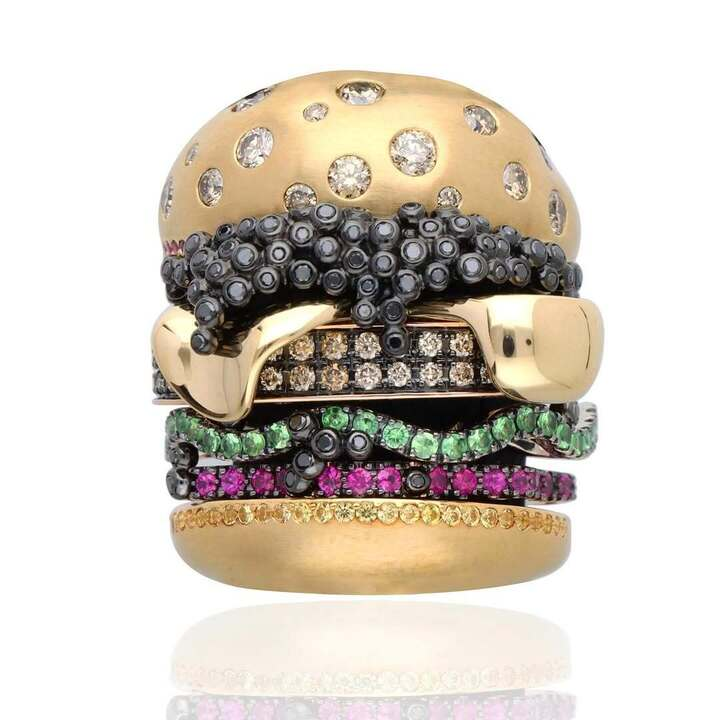
This approach has made her work instantly recognizable and quietly influential. Beyoncé wore her “Shut Up” earrings early on. Karl Lagerfeld became a client and supporter. Drake commissioned her to create the diamond dog-leash chain for For All the Dogs. NIGO championed her burger ring years before playful jewelry felt culturally acceptable again. These moments read less like celebrity endorsement and more like alignment. People who build worlds for a living tend to recognize it when they see it.
Recent projects have only sharpened the idea. Her collaboration with Wristcheck reimagined watch hands as a ruler, a pencil, and a squiggle, turning one of horology’s most sacred components into something intimate and quietly philosophical. Time, in her hands, becomes personal again, measured but not fixed.
What her jewelry consistently returns to is a way of caring that most adults are trained out of. Children value color without apology. They assign meaning through repetition and attachment. They do not separate play from seriousness. Ghosn does not dress these instincts up as luxury. She gives them materials that last.
In a market crowded with irony, logos, and retro shorthand, her work stands apart by being direct. It does not ask you to remember childhood. It assumes you never stopped understanding it, only forgot you were allowed to trust it.
That is why the pieces connect. Not because they look playful, but because they behave honestly. And in luxury, that remains rarer than it should be.