Nasomatto Makes Niche Perfume for People Who Are Over “Smelling Nice”
Fragrance culture has grown up. People no longer just want to smell good. They want to smell like themselves. In that landscape, Nasomatto feels less like a perfume label and more like a natural destination for anyone chasing individuality.
Spend enough time falling down the bottomless rabbit hole of fragrance and the pattern becomes familiar. You start with the designer staples before drifting toward niche houses and eventually something stranger.
Somewhere between a late-night Fragrantica thread and a TikTok deep dive, Nasomatto inevitably enters the conversation, usually spoken about with the kind of reverence normally reserved for watches or wine.
For many fragrance enthusiasts, the Amsterdam-based brand is what appears once the usual suspects from Sephora stop scratching the olfactory itch.
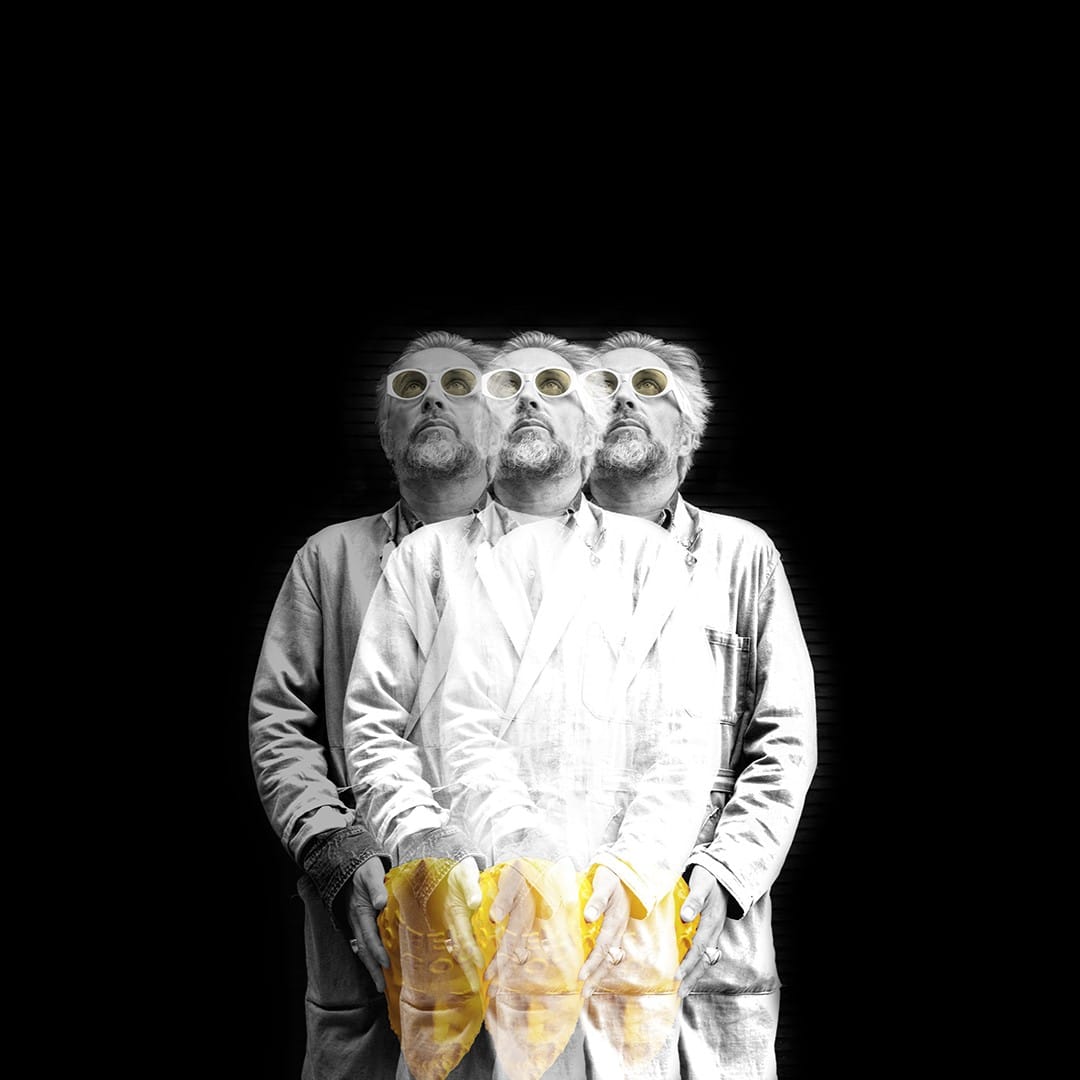
Founded by Italian perfumer Alessandro Gualtieri, the brand operates on instinct rather than explanation. Most fragrance houses love to tell you exactly what you’re smelling: top notes, heart notes, base notes, marketing copy about Mediterranean sunsets and midnight seduction.
Nasomatto largely refuses that game. Gualtieri prefers ambiguity, often leaving fragrances deliberately under-explained so the wearer can interpret the experience themselves.
That philosophy alone sets Nasomatto apart. Its fragrances behave less like beauty products and more like moods you wear.
They’re dense, expressive, occasionally strange in ways that feel deliberate rather than gimmicky. A scent might evoke cannabis resin, smoky woods, or boozy warmth, but the point isn’t simply smelling pleasant. The point is creating a feeling.
Take Black Afgano, the scent that turned the brand into a cult object among fragrance collectors. Dark, resinous, and mysterious, it moves through a room before its wearer does and lingers long after they’ve left. For many enthusiasts, discovering it marks the moment when perfume stops feeling like grooming and starts behaving like art.
Gualtieri’s path to that philosophy wasn’t accidental. Before launching Nasomatto in 2007, he composed fragrances for fashion houses including Versace, Helmut Lang, Diesel, and Valentino.
His more radical ideas often struggled to survive the commercial machinery of the fragrance industry, so he built a space where those instincts could exist without compromise.
The result is a brand that feels closer to an independent creative project than a traditional perfume house.
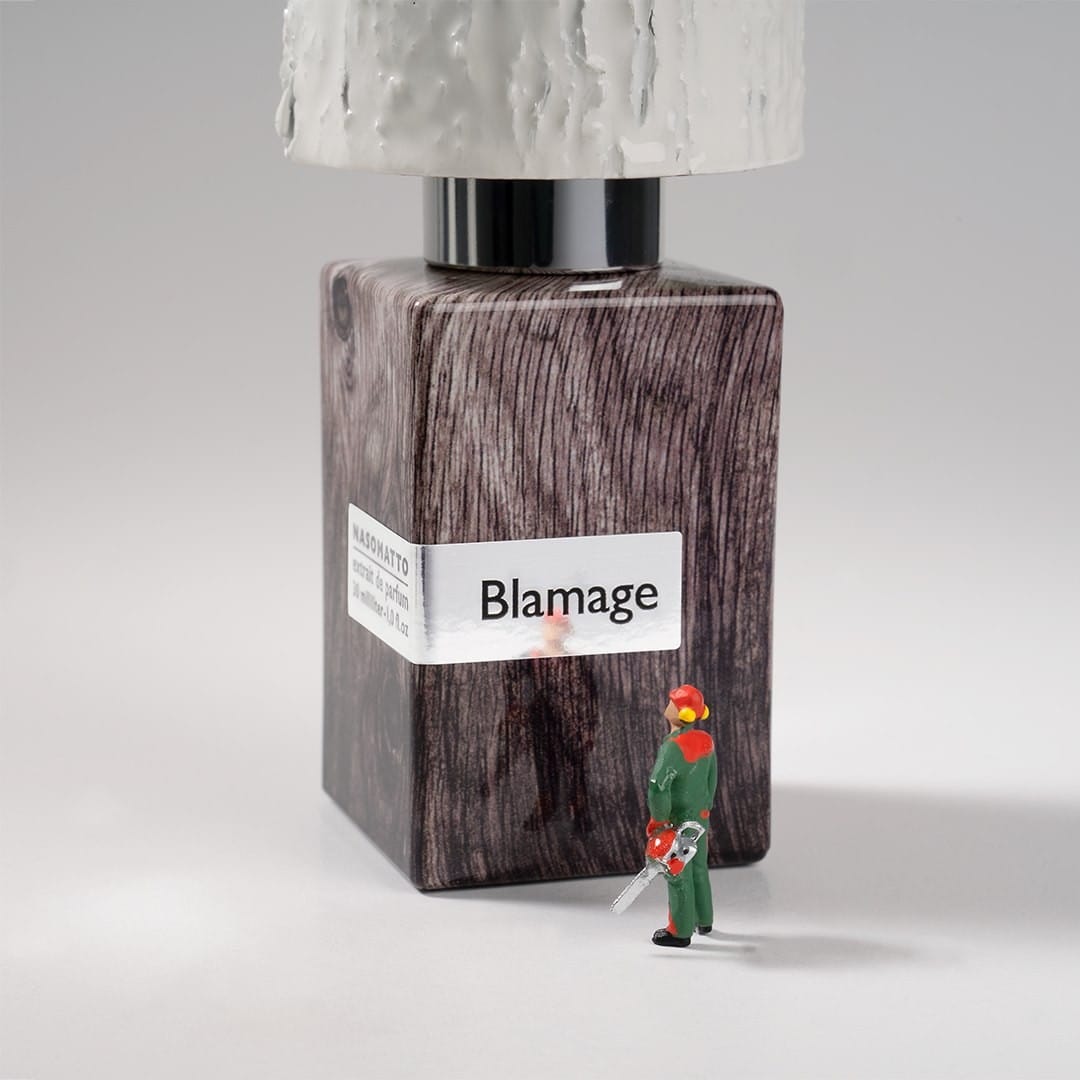
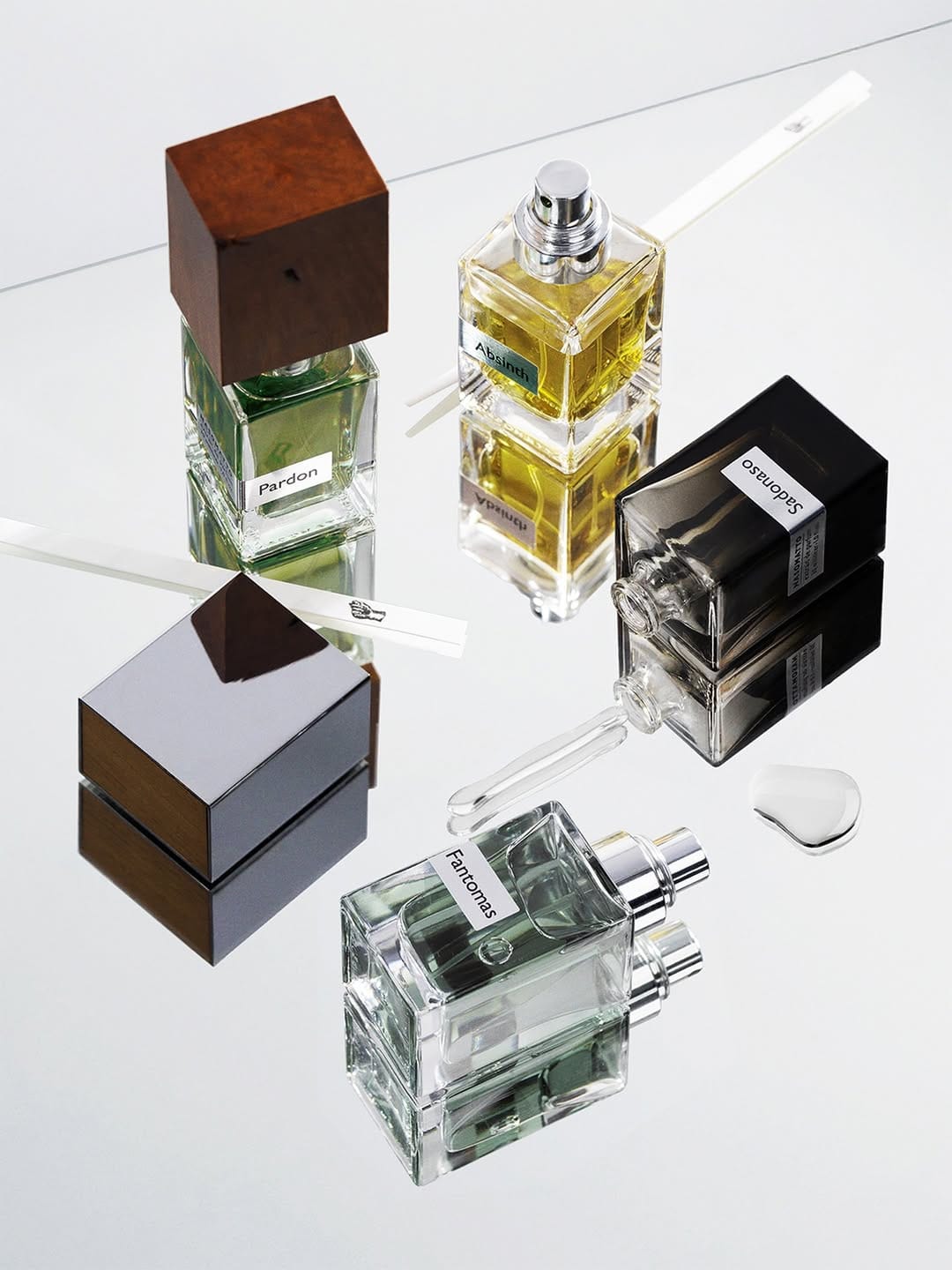
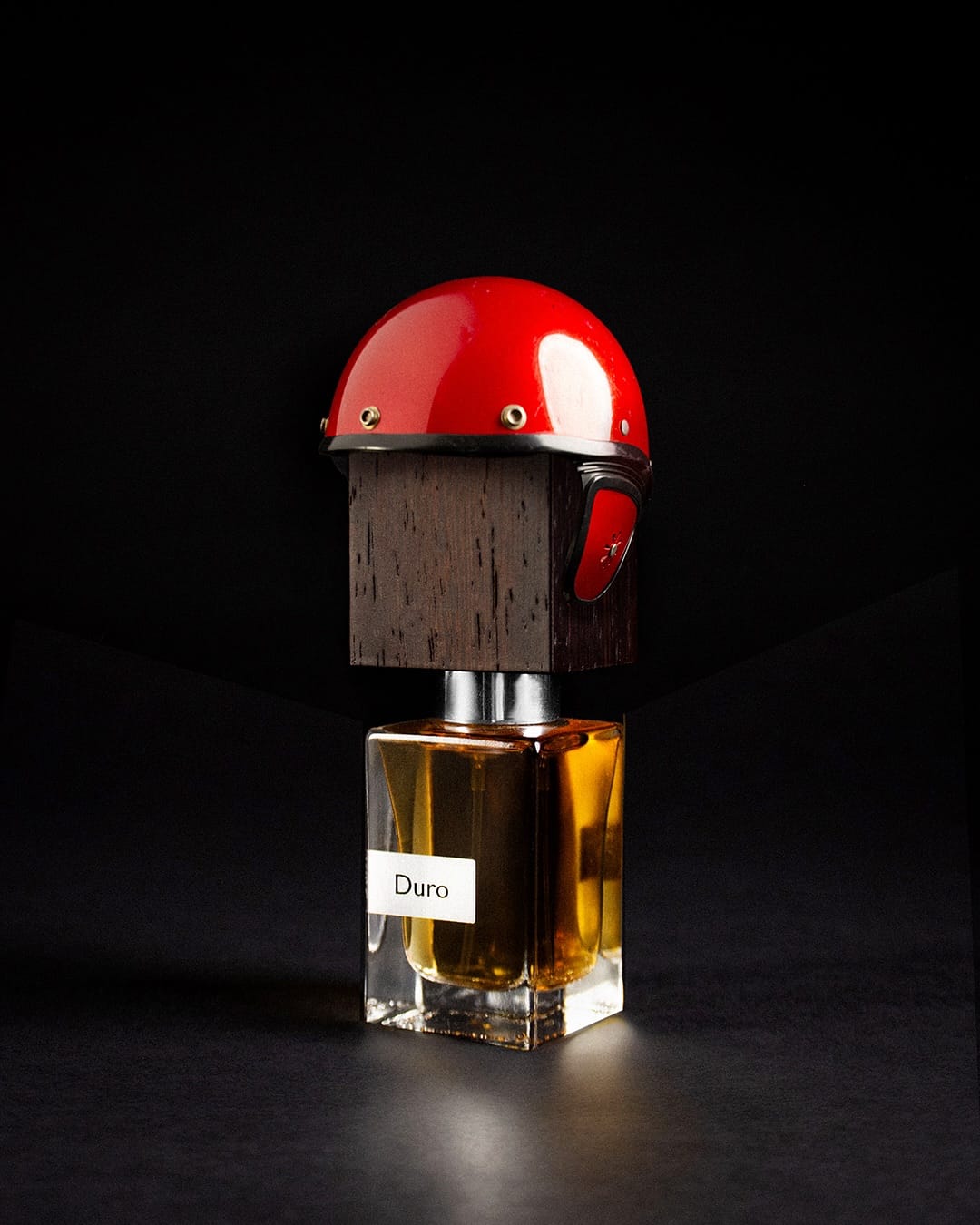
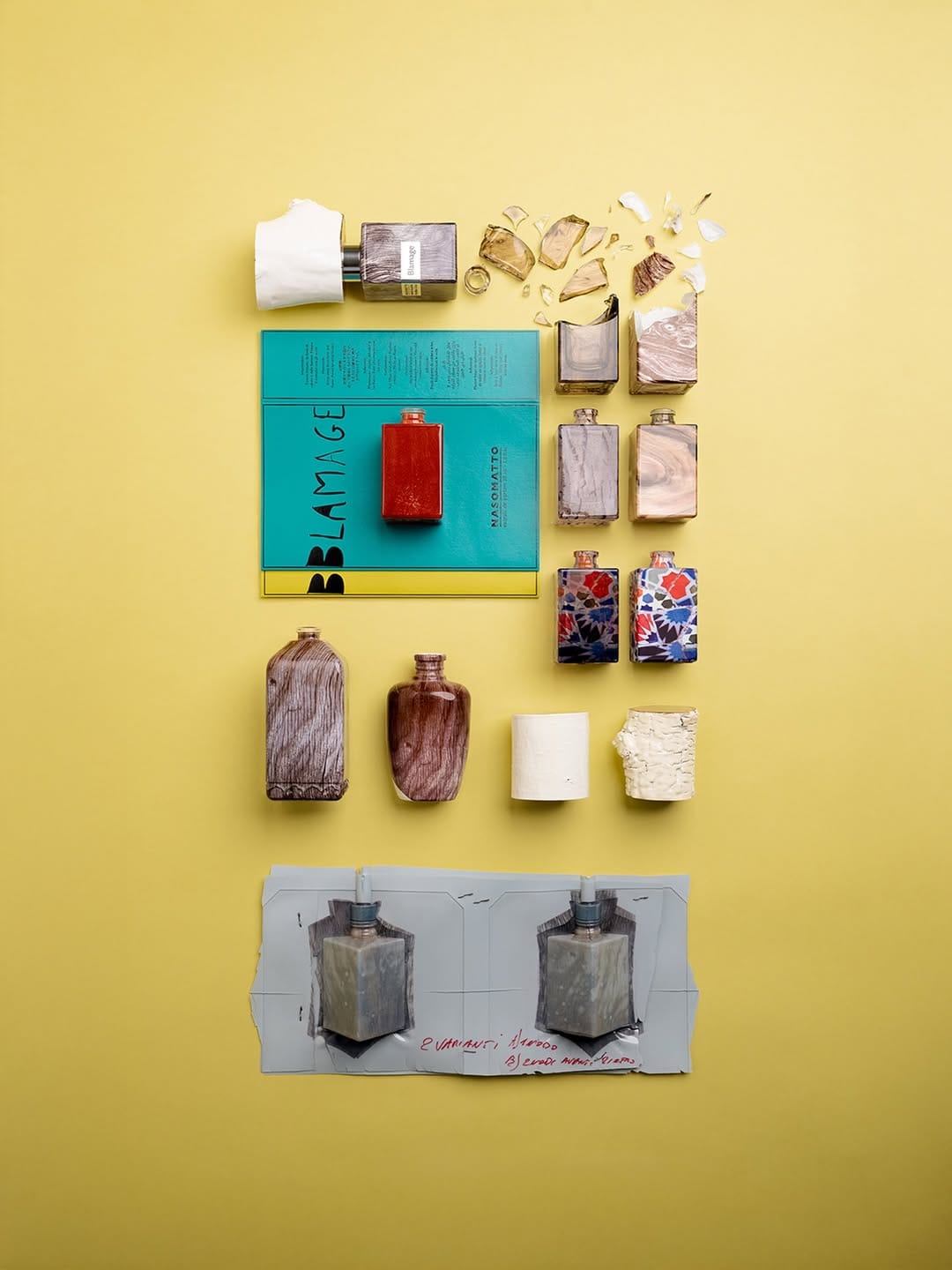
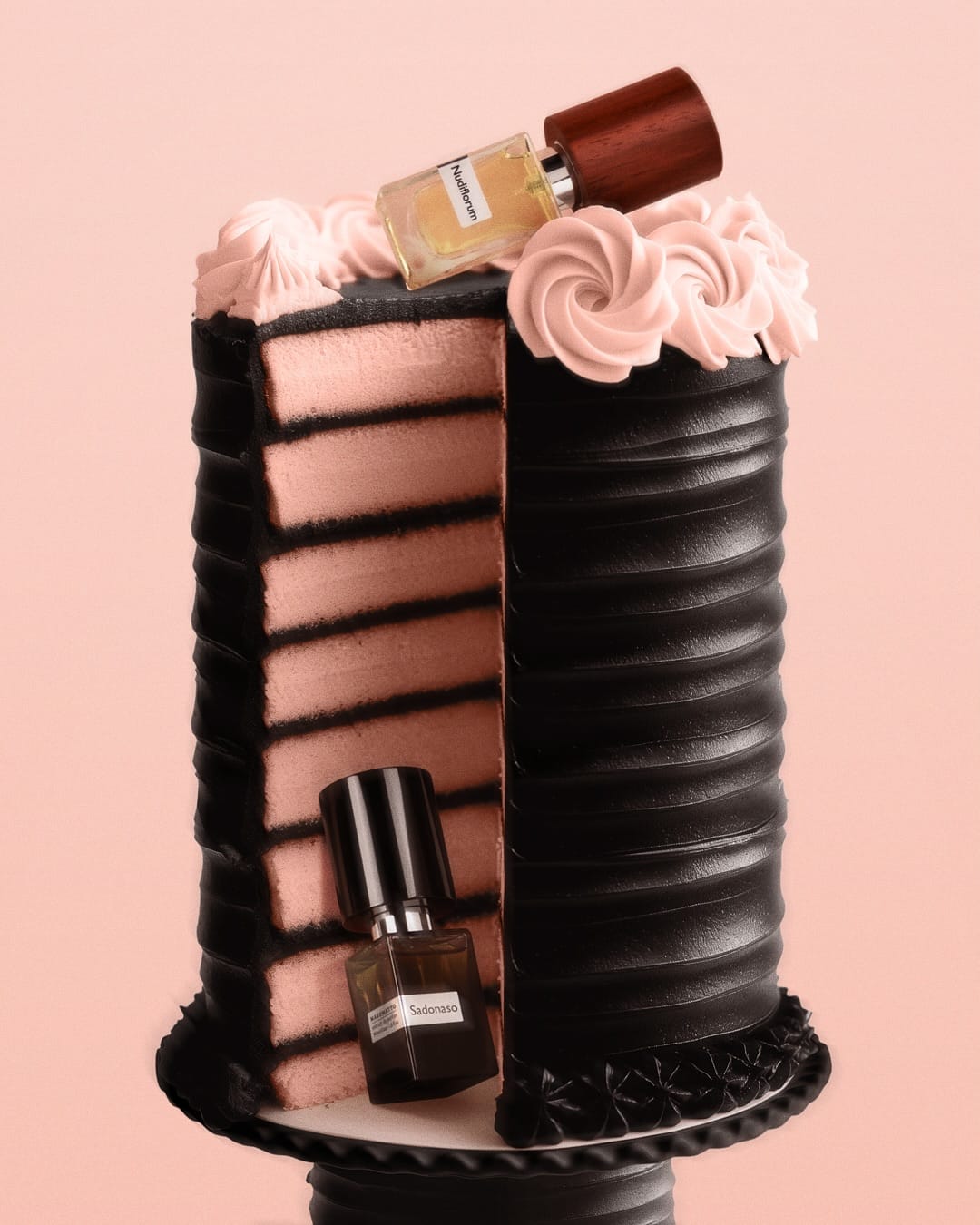
Nasomatto fragrances are bottled as highly concentrated extrait de parfums and topped with sculptural wooden caps that resemble small design objects more than packaging.
Even the bottles feel intentional, like objects meant to live on a shelf rather than disappear in a bathroom cabinet.
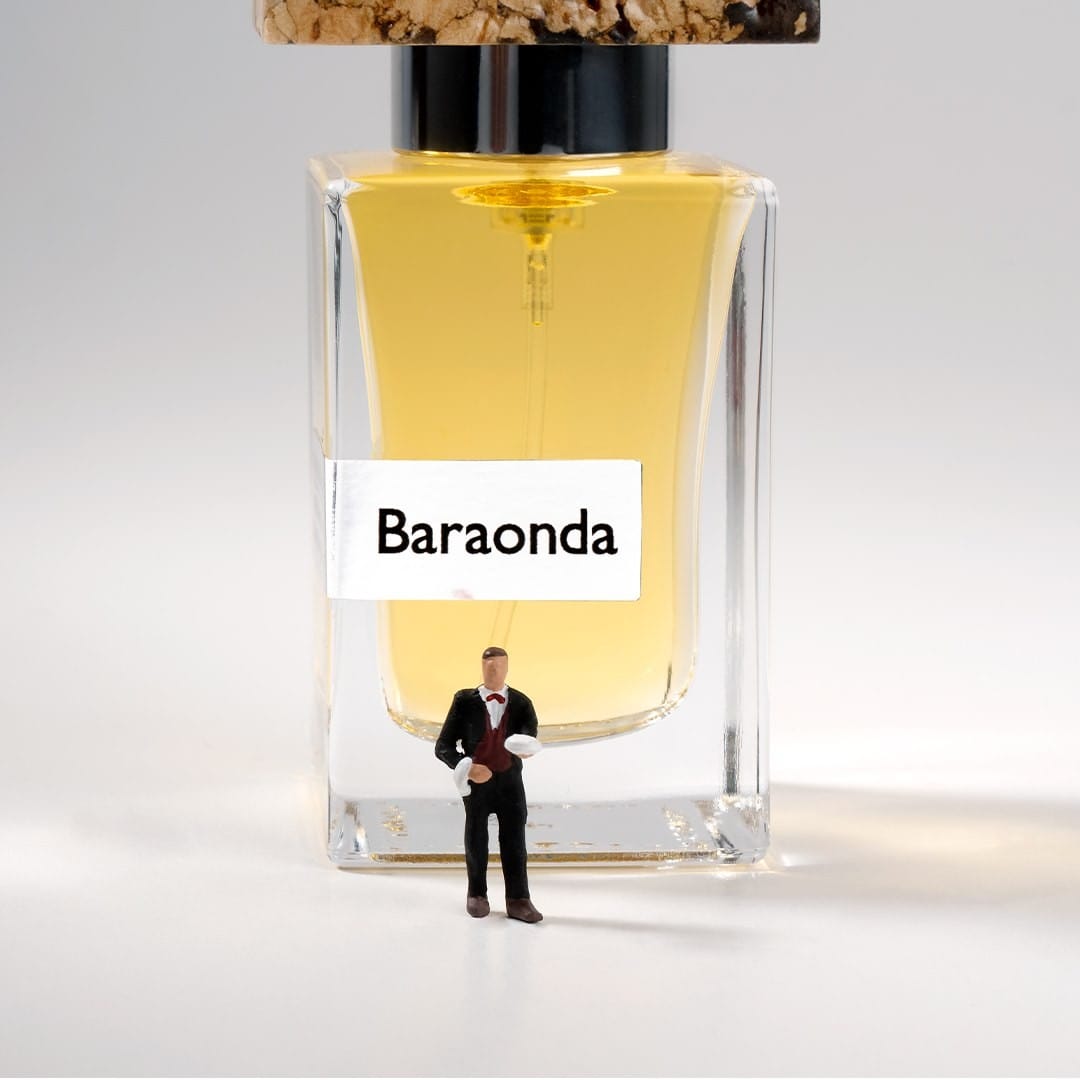
The scents themselves read like characters rather than products. Baraonda drifts through the air like whiskey and polished wood. Pardon leans smoother and more restrained, while Narcotic V turns lush white florals into something hypnotic and slightly surreal.
In an industry once dominated by celebrity endorsements and glossy seduction campaigns, Nasomatto feels refreshingly uninterested in mass appeal.
The brand releases scents sparingly and rarely explains them in detail. Gualtieri has even said that people are too eager to categorize fragrance when sometimes it’s better to simply feel it.
That attitude resonates with a new generation of fragrance enthusiasts who treat perfume the same way collectors treat watches, wine, or art. The goal isn’t just luxury, it’s personality.
In a culture increasingly interested in expressing individuality rather than broadcasting prestige, that kind of olfactory character feels exactly right.