New York Watch Week Found Its (Super) Niche
For one week every fall, New York pretends it’s Geneva. Only this year, it kind of pulled it off. The Swiss still see New York as a commercial hub, not a cultural one, but that might be changing. What started as a single trade show in a marble hall has turned into a full-on watch ecosystem.
Before the doors even opened, Gotham Hall was being dressed for WatchTime’s tenth anniversary. WindUp was loading in four floors of microbrands, and hundreds of brands and thousands of visitors were already in town from all over the world. For one week a year, New York gets to play Switzerland, and somehow, it fits.
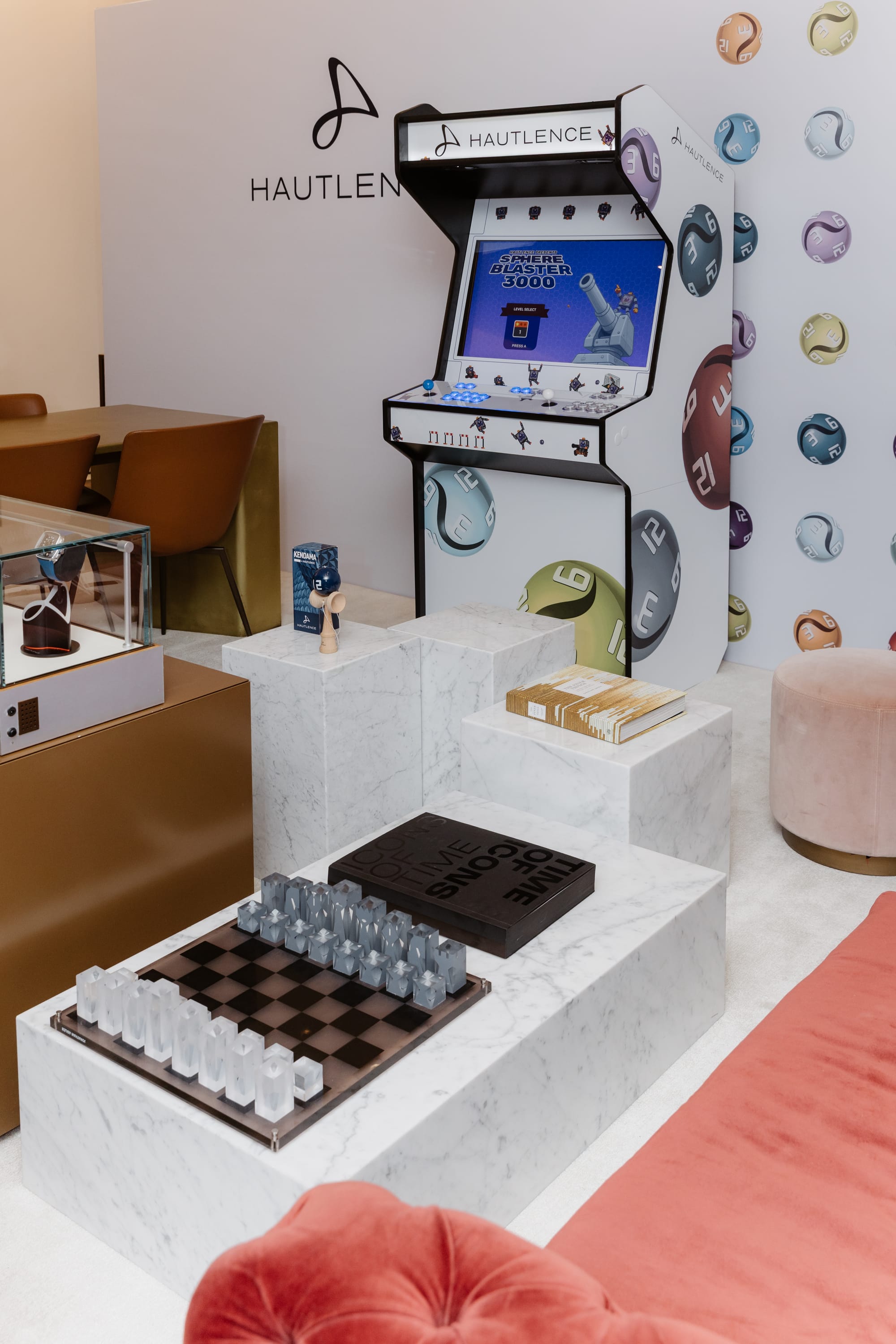
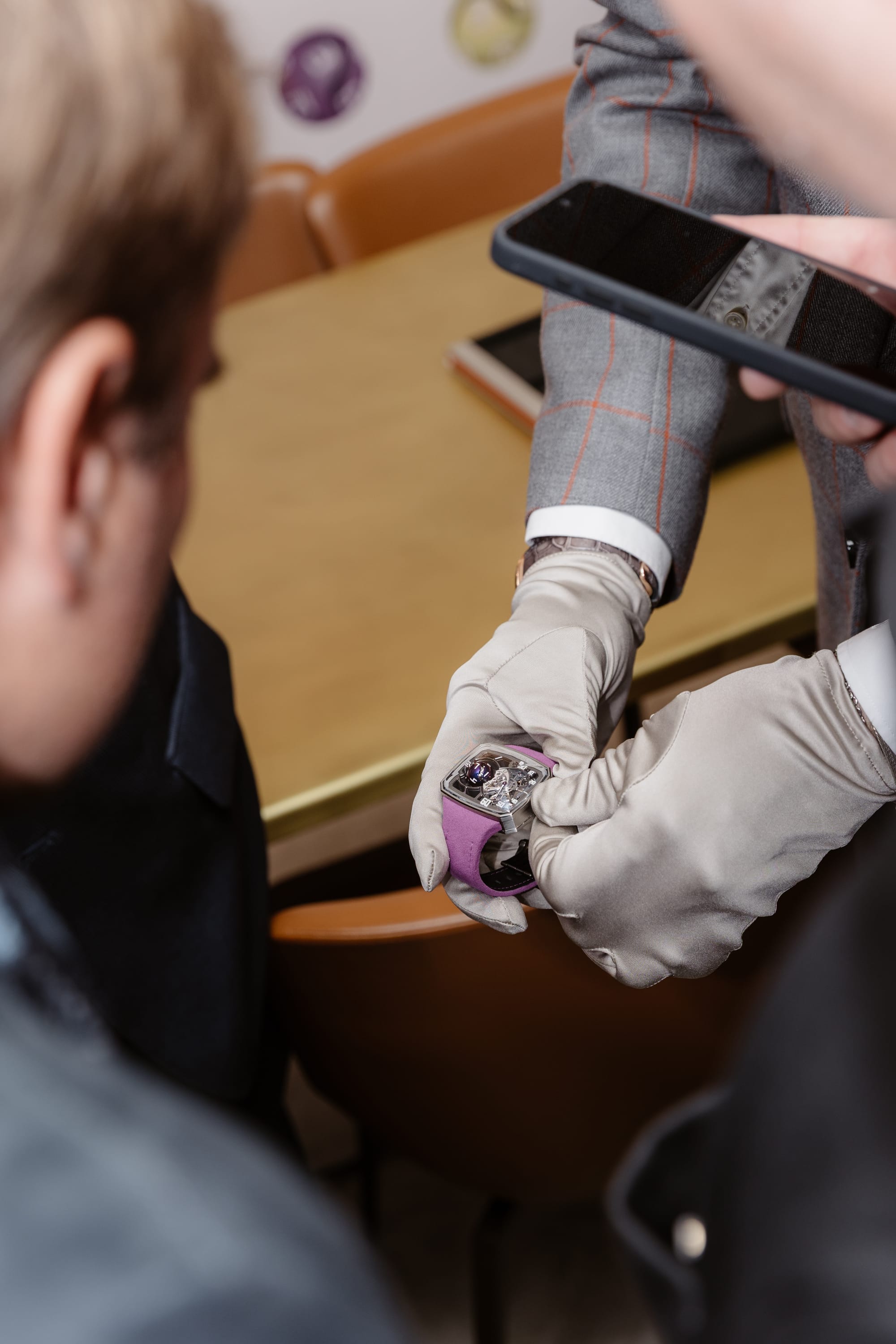
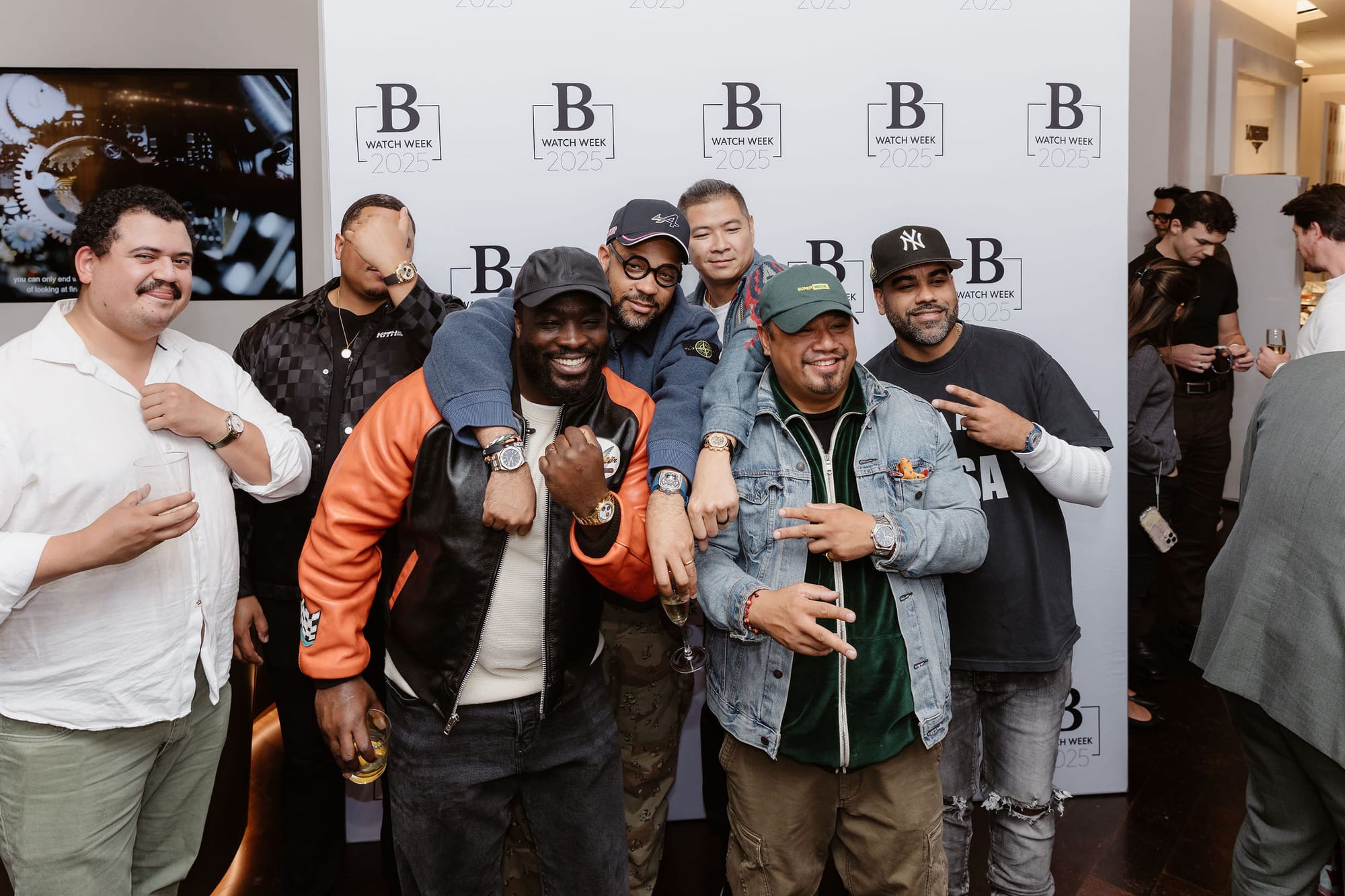
We decided to start the week our way. On Tuesday night, with our friends at Bucherer and Hautlence, we set up a gaming lounge dedicated to independent watchmaking. Nothing fancy. Just a space to hang, play, and actually talk. Haute horology pieces sat on tables next to controllers and drinks. You could feel people exhale. No one was reciting specs or chasing meetings. It was about being there, laughing, and remembering that watches are meant to be lived with.
By Friday, the big shows had taken over midtown, but the best energy came after hours. Pebble Bar was the heartbeat of the week. More than a hundred people packed the second annual Ulysse Nardin x Super Niche after party, celebrating two new Freaks and a city full of them.
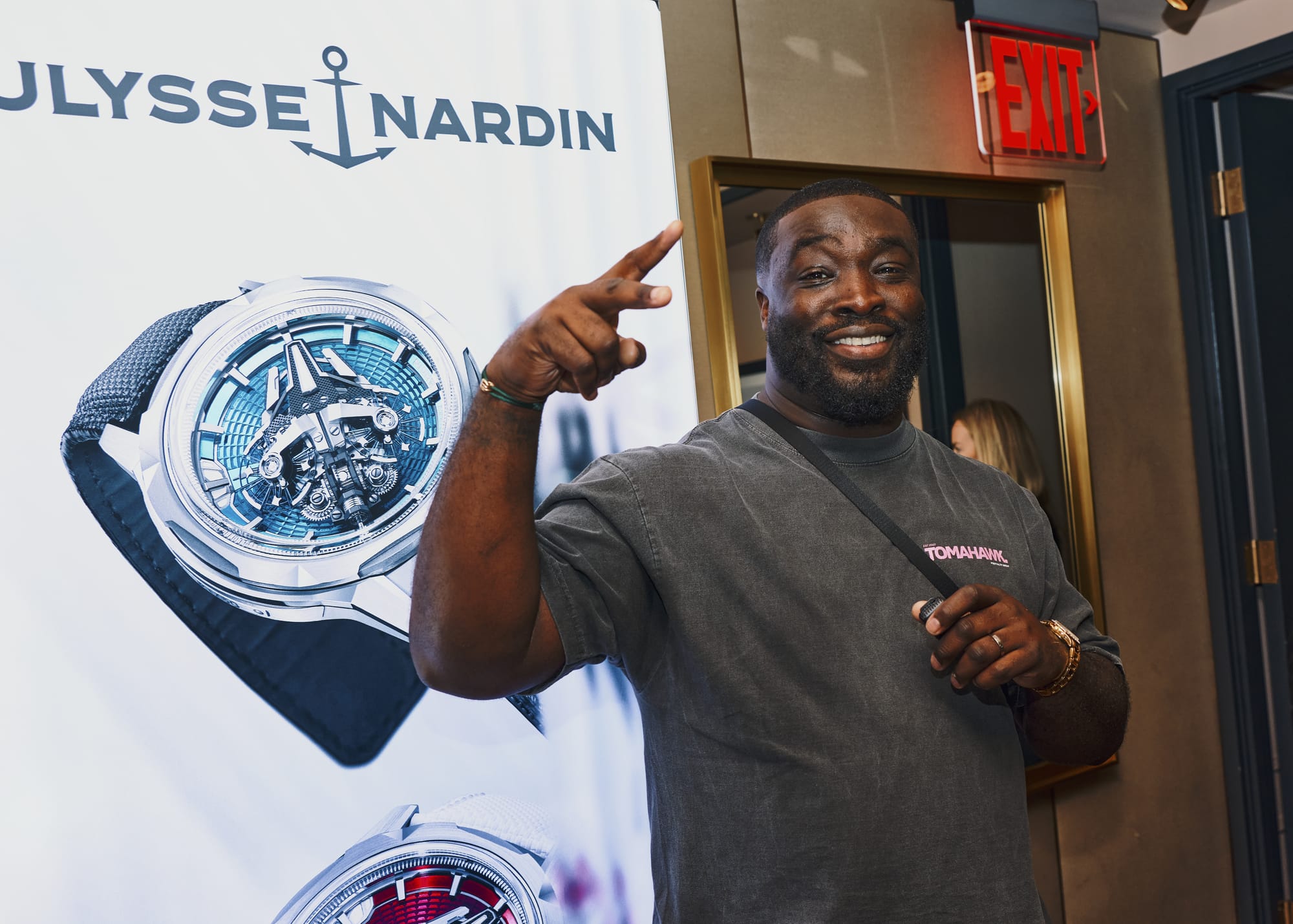
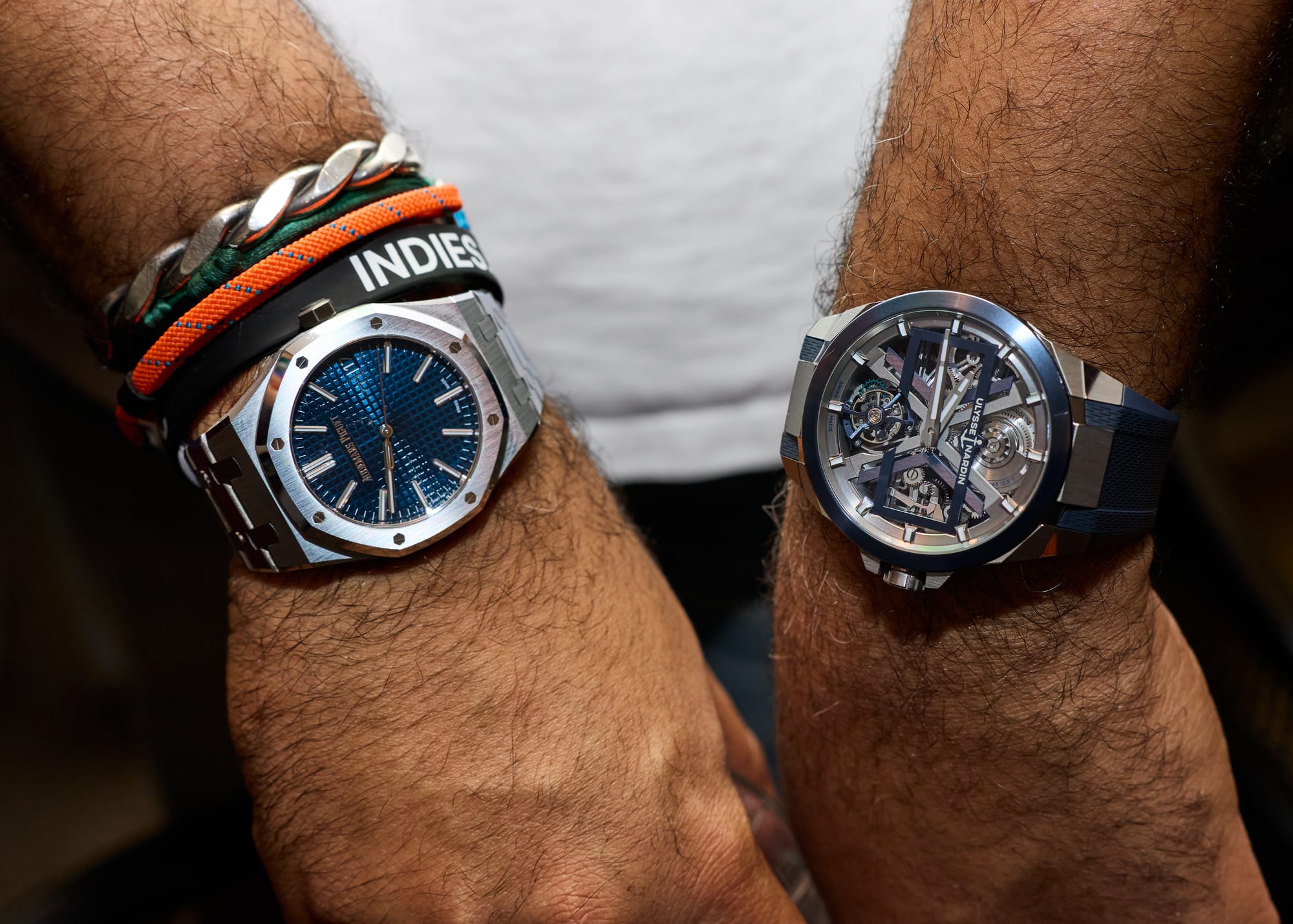



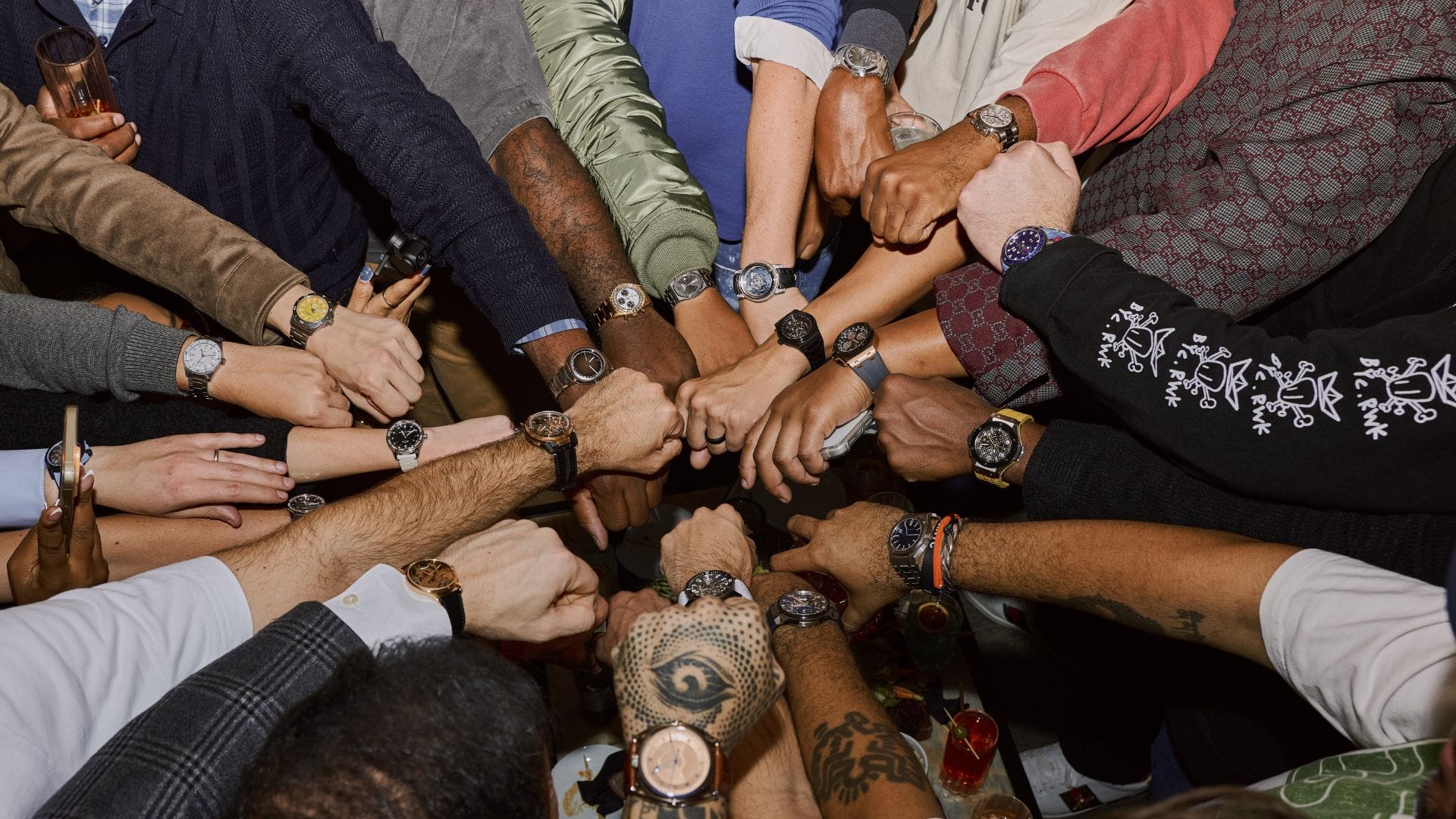
The room felt alive in that effortless way when everyone knows they’re part of the same weird little world. Collectors, journalists, designers, and friends who just like good objects all in one place. Nobody cared about wrist checks. People were swapping stories instead of references.
That is what makes New York Watch Week special now. The trade shows are fine, but the real community starts when the lights go down. That is when the hierarchy fades, the sharp edges soften, and connection becomes the point.
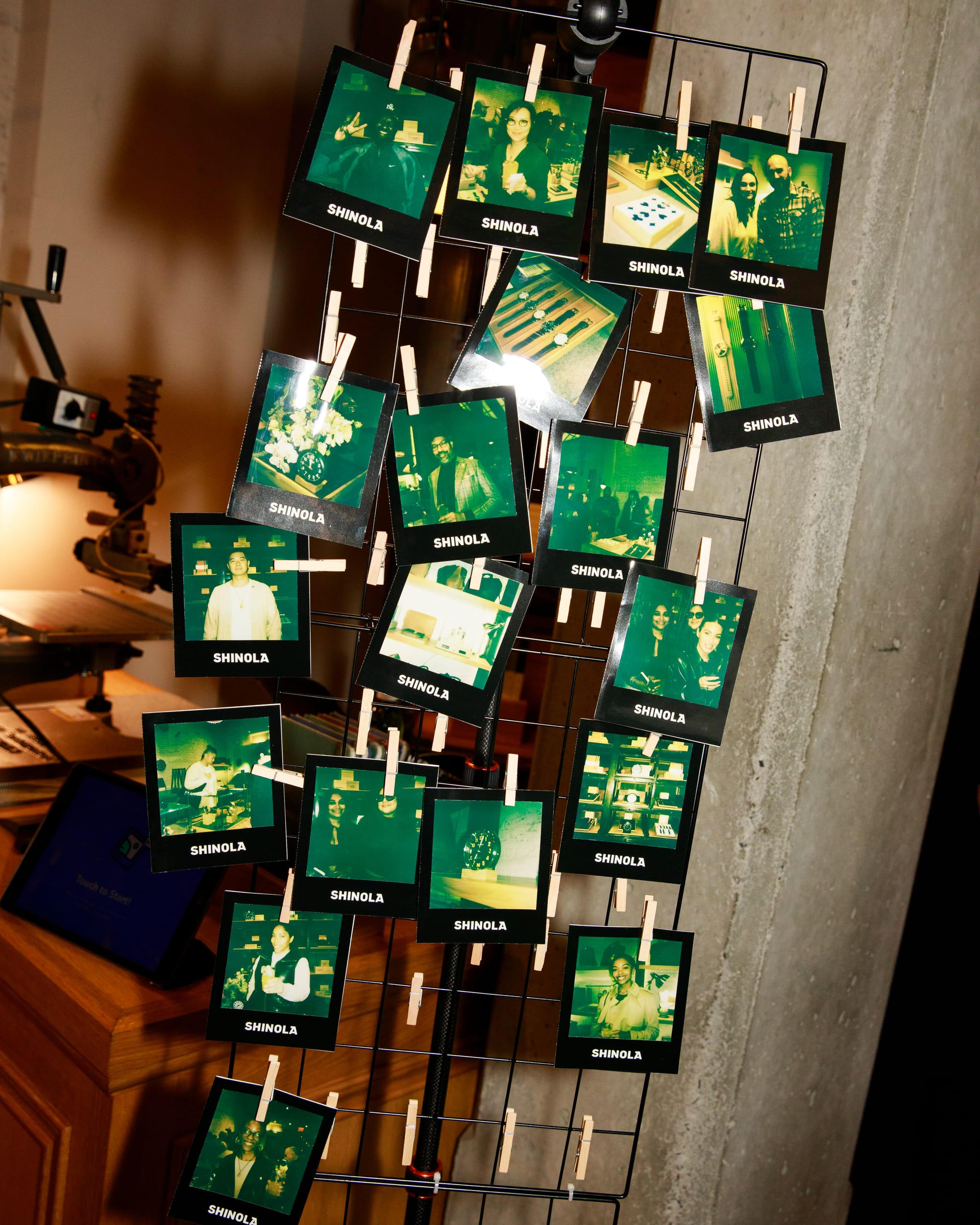
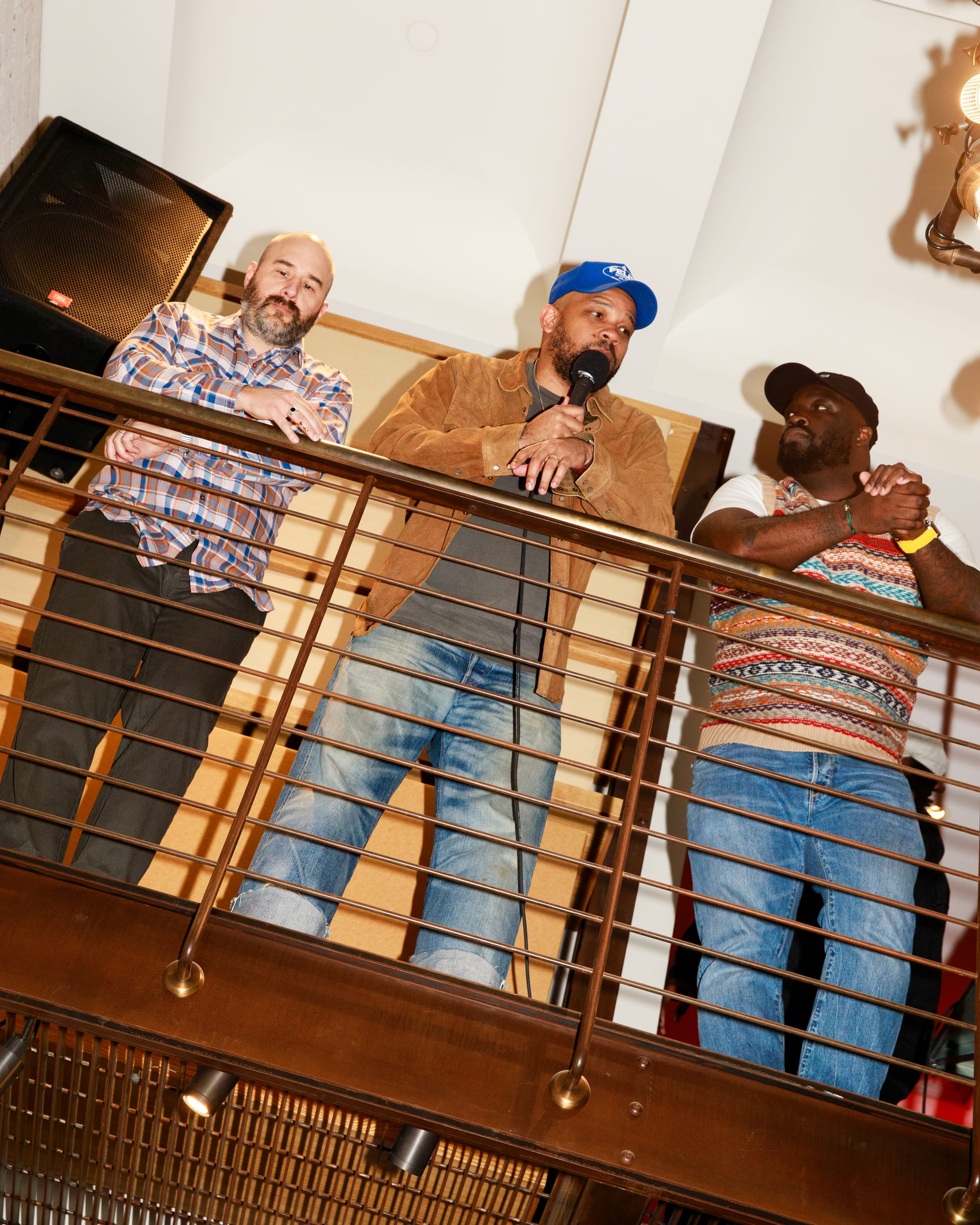
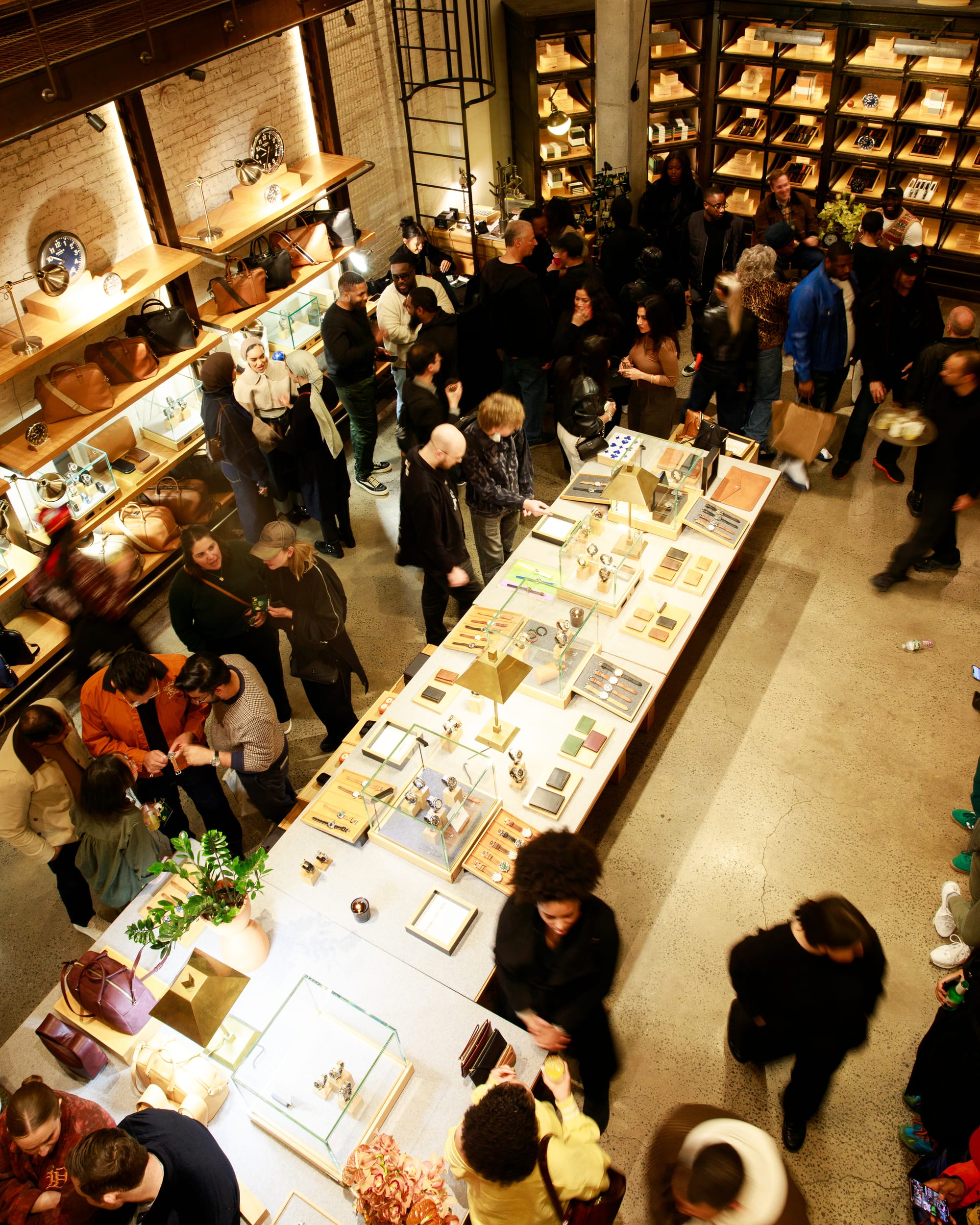
Later in the week we closed things out with Shinola. It felt more like a homecoming than a brand event. Designers, editors, and the curious drifted through, talking watches one minute and furniture the next. Someone was sketching on a napkin. Someone else was explaining why a clasp felt like Detroit engineering. It was easy. It was real.
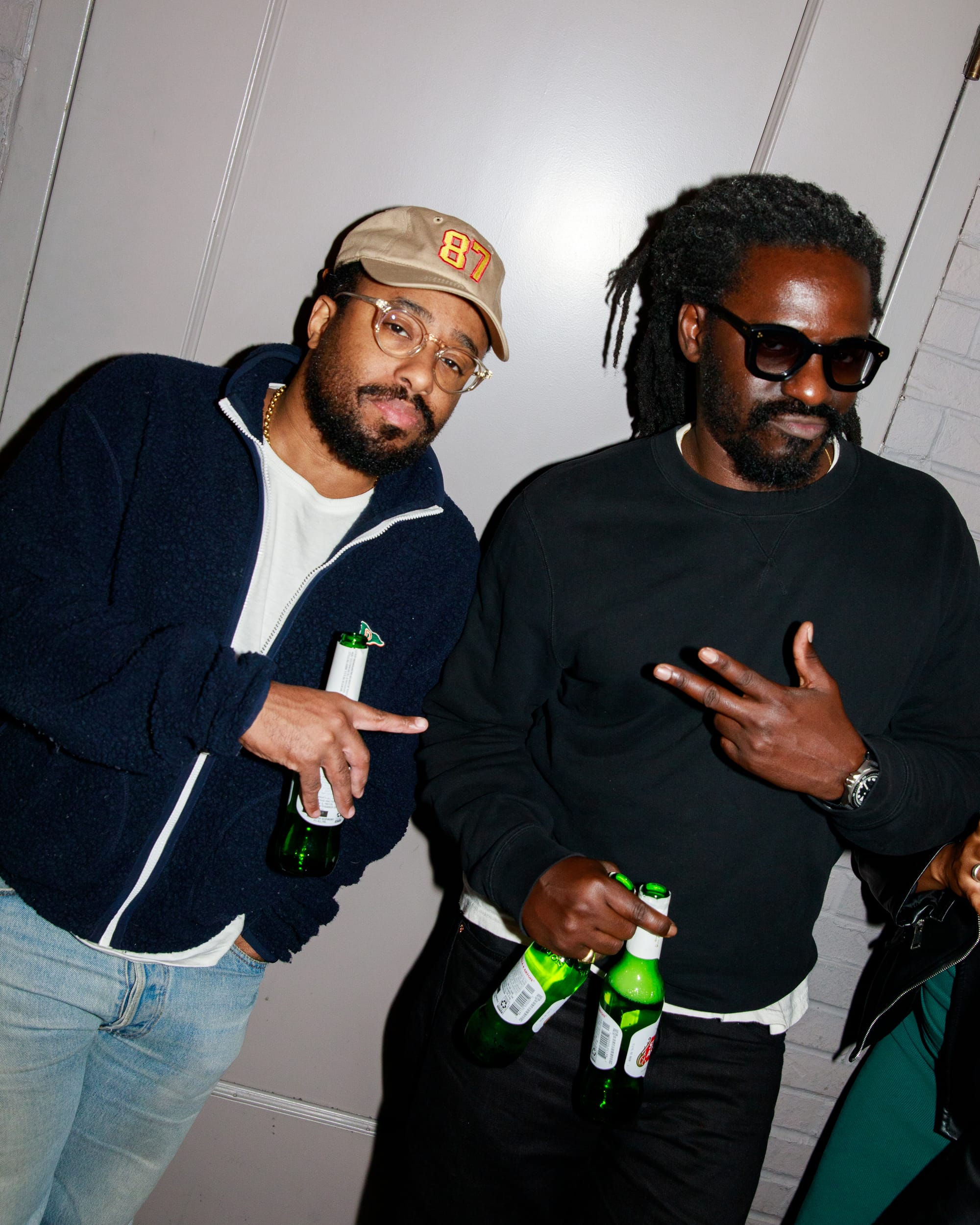

If this week proved anything, it is that watch culture does not need saving. It just needs better rooms. The kind where people share ideas, not status. Where the pace slows, bottles are passed, and the room itself starts to talk back.
New York Watch Week keeps getting bigger, but the best parts still happen in the smallest spaces.