The Coolest “New” Car Is a 50-Year-Old One
If it feels like we are still obsessed with cars from 40 or 50 years ago, it is because we are. And not out of nostalgia alone.
Something about that era produced machines that were instantly recognizable, emotionally legible, and culturally sticky. Shapes you did not need to explain. Cars that became shorthand for ambition, speed, freedom, or rebellion, even for people who did not care about cars. Time did not dilute their meaning. It clarified it.
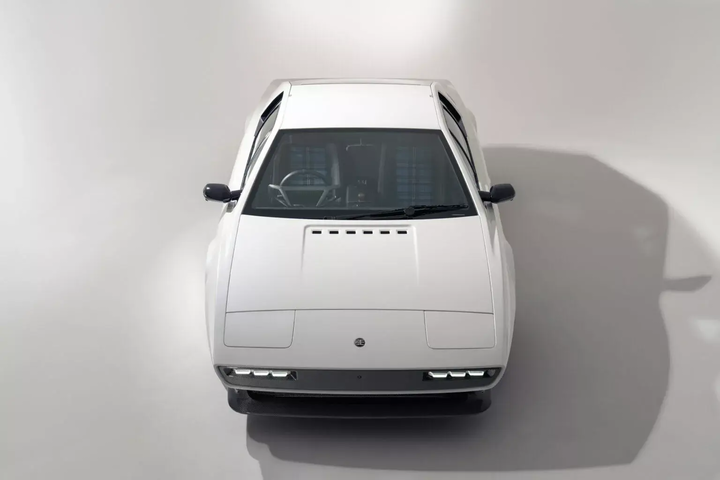
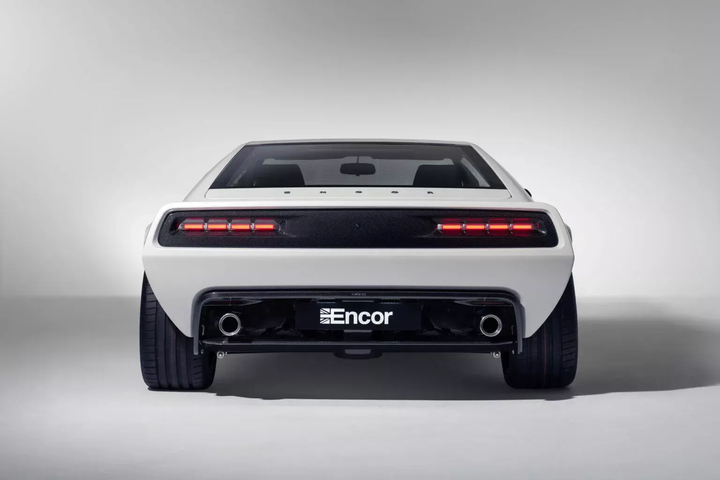
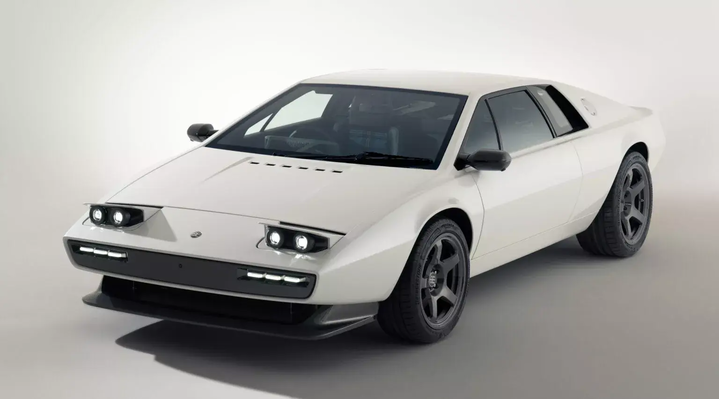
The Lotus Esprit is one of those shapes. Introduced in the mid 1970s and designed by Giorgetto Giugiaro, the Esprit arrived as a sharp wedge in a world still smoothing its edges. It often looked faster than it actually was, but that almost added to its mystique. The Esprit promised a future that felt cinematic. James Bond helped. So did the fact that nothing else looked quite like it.
That promise is what a new British outfit called Encor has returned to, deliberately.
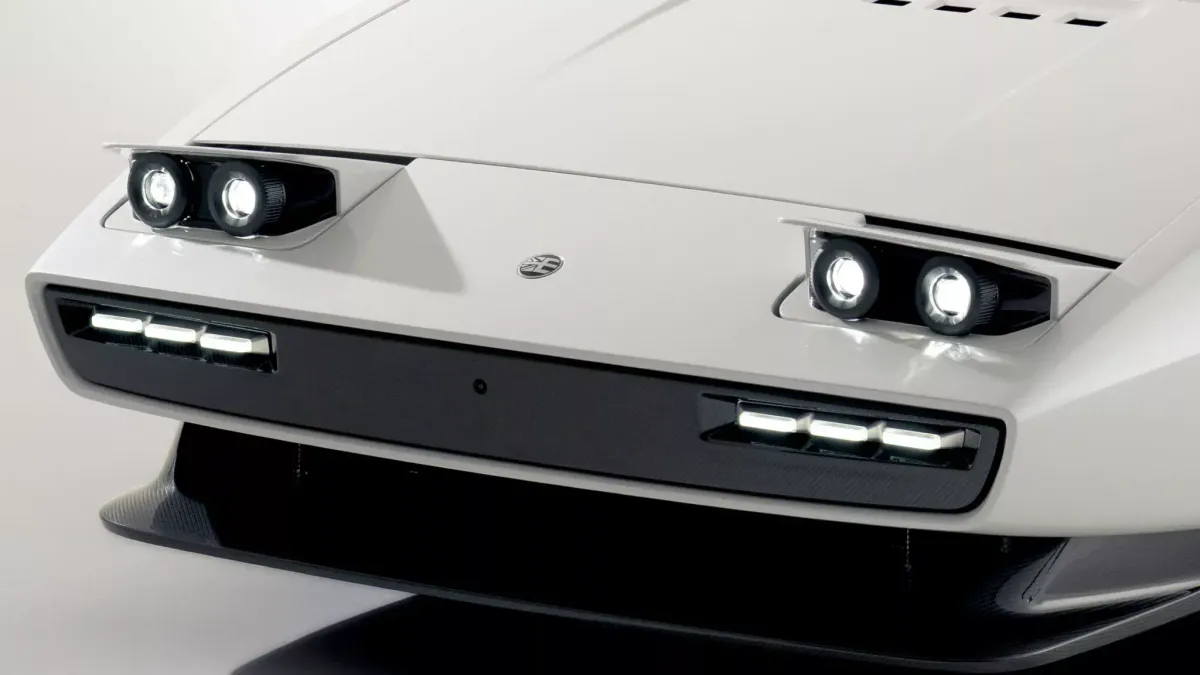
Rather than restoring the original Series 1 Esprit, Encor has reimagined it. The shape remains unmistakable, but the execution is entirely modern. A single carbon fiber bodyshell replaces the original fiberglass. Pop up headlights stay, now hiding compact LEDs. Underneath, a rebuilt twin turbo V8 delivers roughly 400 horsepower, giving the car the performance its silhouette always suggested. Only 50 will be made.
This is part of a growing movement. Companies like Singer have rebuilt classic Porsche 911s with modern engineering and obsessive craft, turning familiar shapes into objects of renewed desire. Jaguar has recreated its own historic race cars from scratch, not as replicas but as living artifacts.
Lamborghini revived the Countach name not as a reboot, but as a contemporary object built on memory. These projects are not about correcting the past. They are about honoring ideas that still feel unfinished.
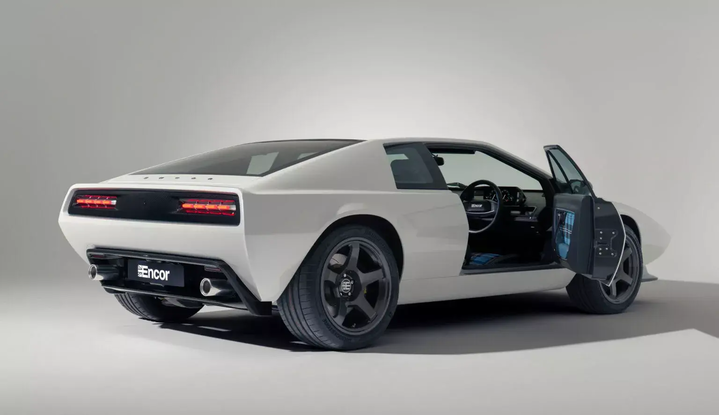
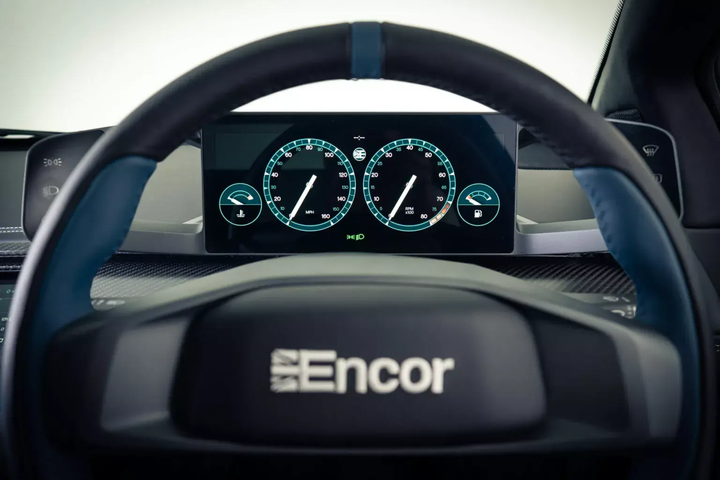
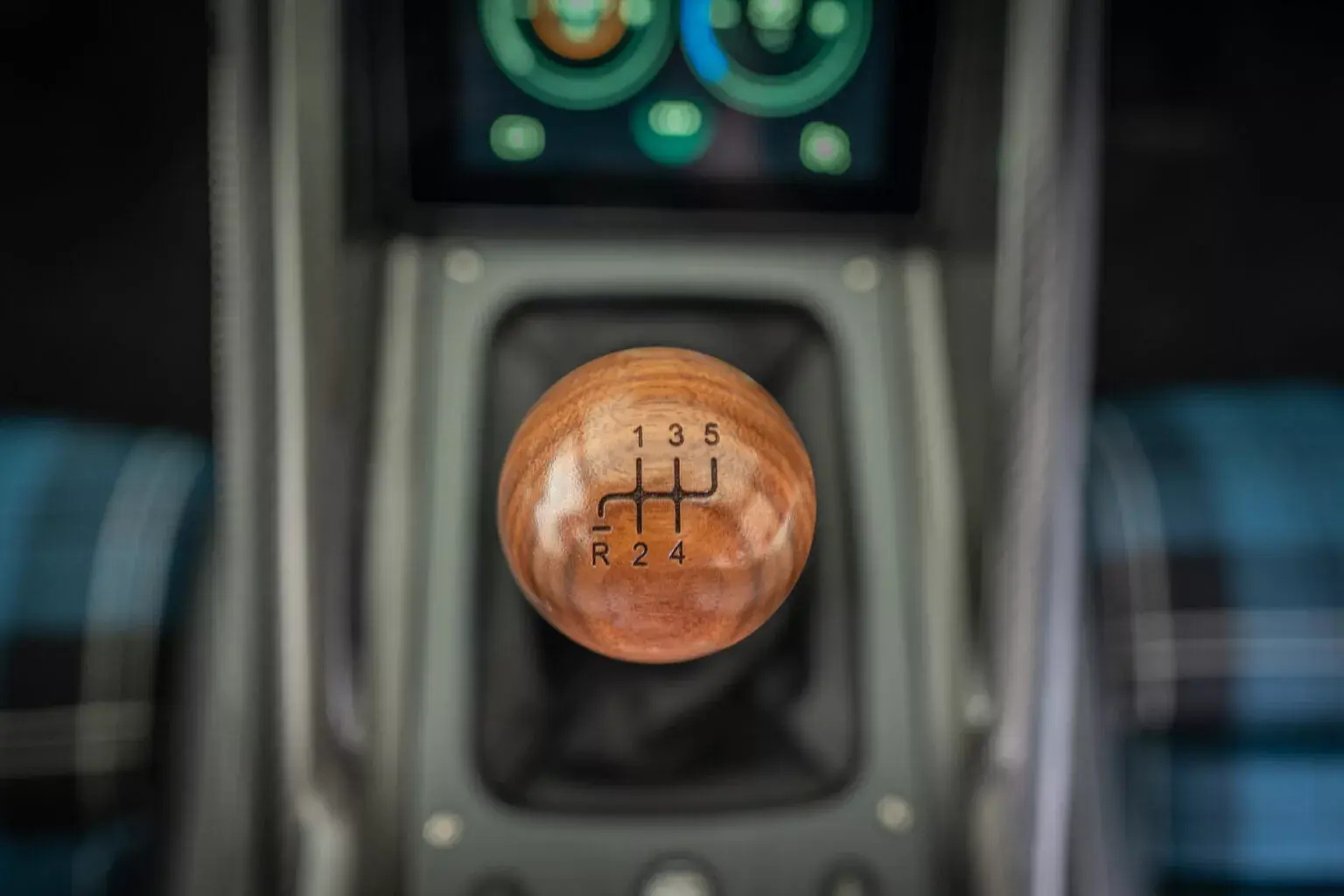
Encor’s Series 1 sits comfortably in that lineage. The interior keeps the Esprit’s low seating position and wedge shaped dash, but updates everything with modern materials and quiet digital integration. Tartan upholstery remains, but nothing feels retro for the sake of it. Everything feels resolved and intentional.
What makes this moment interesting is not the Lotus itself. It is the question it raises. Why are we still returning to these forms? The answer is not that nothing new exists. It is that very few new things feel as clear.
Maybe that is why these cars resonate so strongly now. Not because we want to go back. But because we are still waiting for something just as unmistakable to arrive.