Piaget’s ’70s Jet-Set Icon Just Got More Glamorous
Long before TikTok edits of St. Moritz and Gstaad romanticized alpine glamour, the 1970s saw designer Jean-Claude Gueit rethinking what a women’s watch could look like, stretching and sculpting the lugs into something elongated and fluid, a silhouette that felt less like a timekeeping device and more like an object meant to move with the body.
The Limelight Gala was never about restraint. It was about surface, movement, and presence, a watch that lived comfortably between cocktail hour and after-hours and one that has since built a healthy vintage following alongside its modern reinterpretations.
Today’s Limelight Gala Precious references double down on that idea.
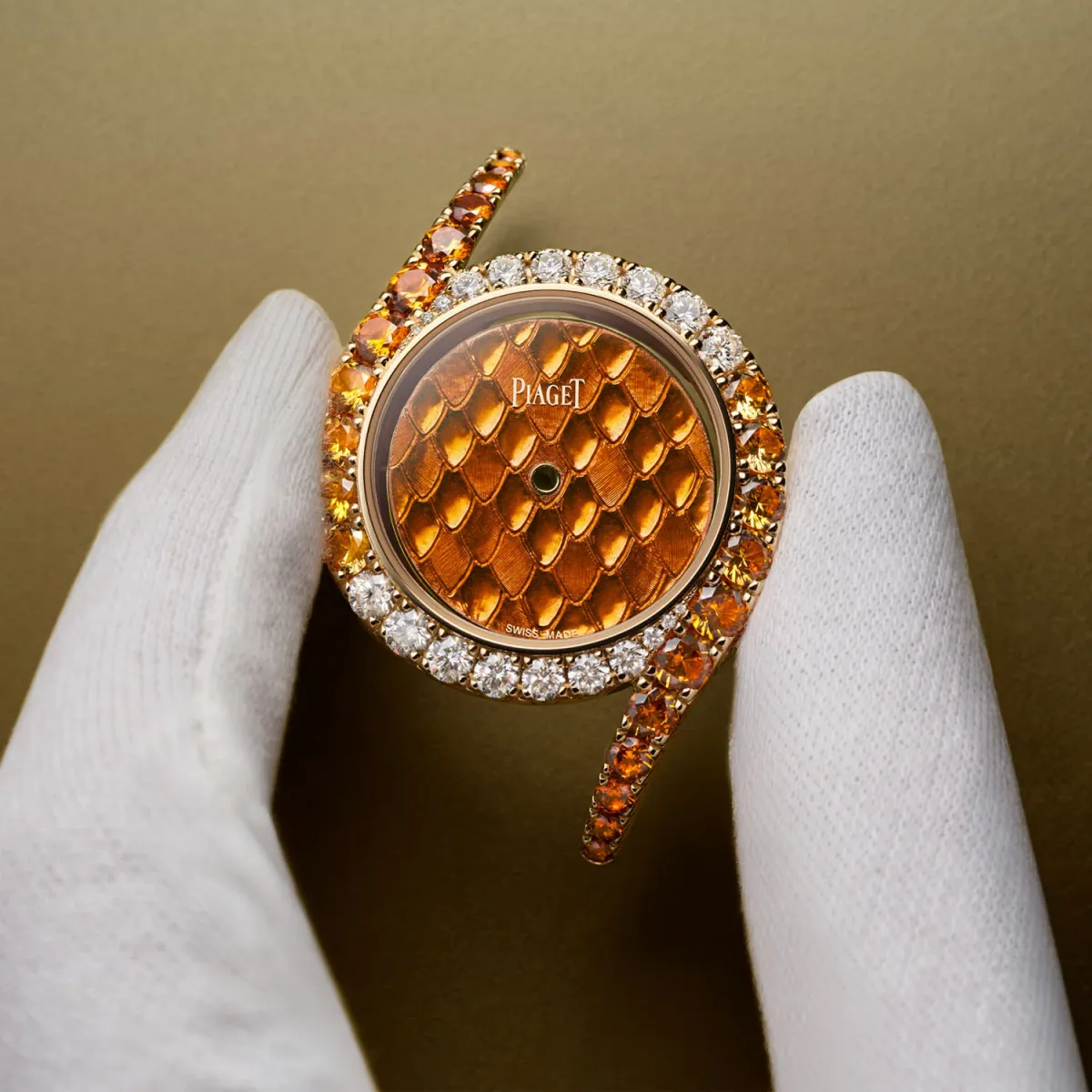
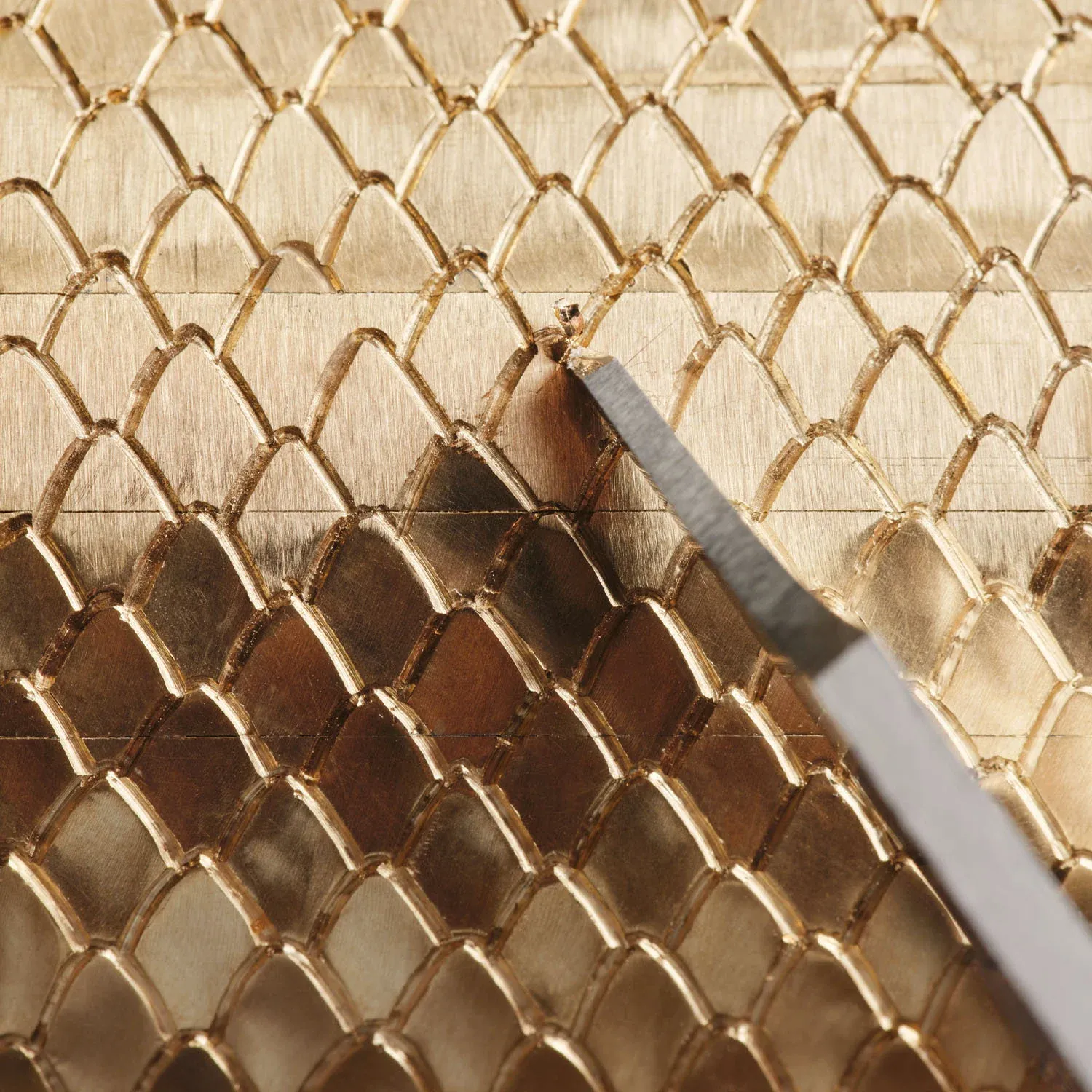
The Ref. G0A51188 leans into heat and texture, its etched gold dial sealed beneath translucent orange Grand Feu enamel that intensifies the scale-like engraving beneath it. Each individual scale is hammered into the gold by hand before enamel is applied and fired at high temperatures, a process where the slightest miscalculation can alter the final tone.
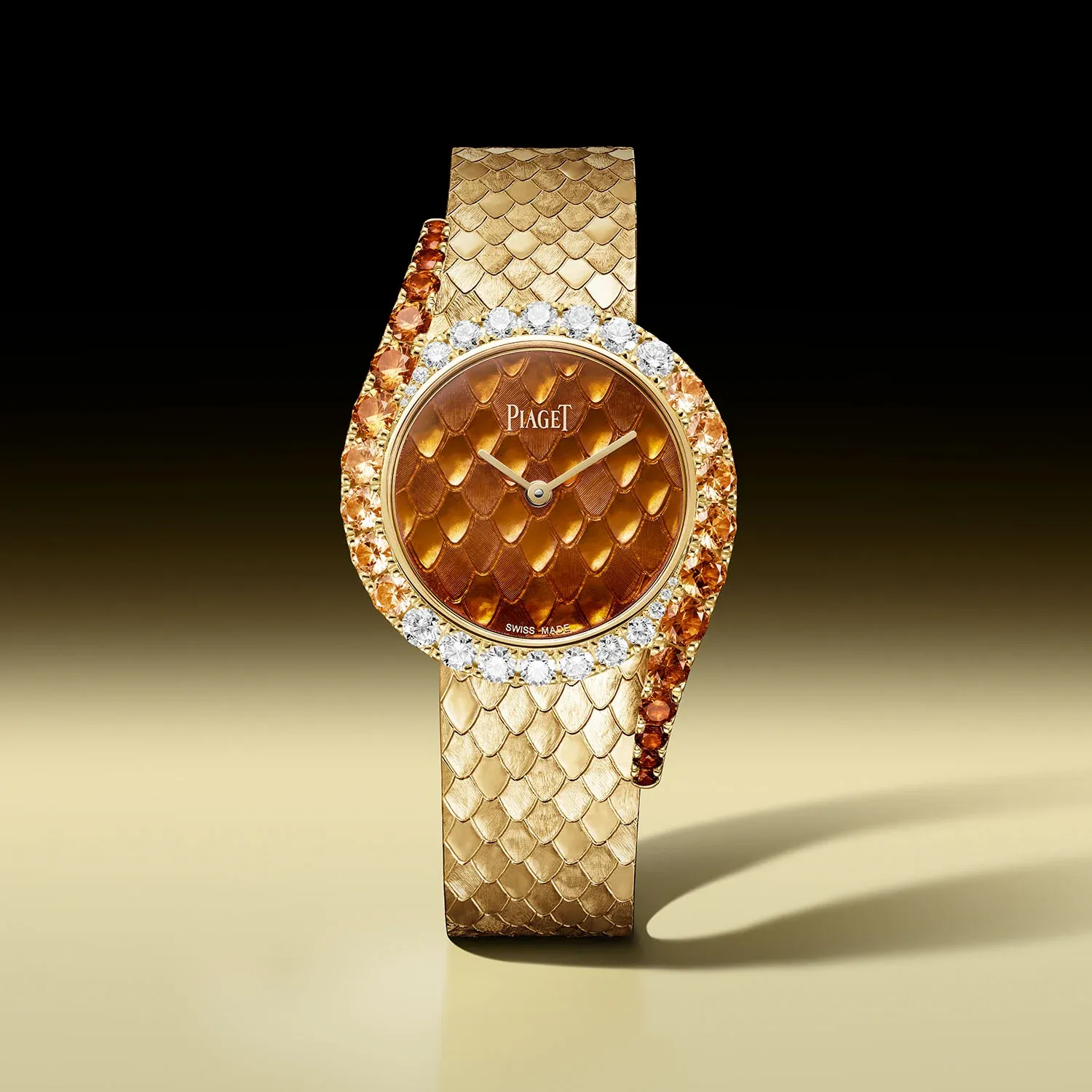
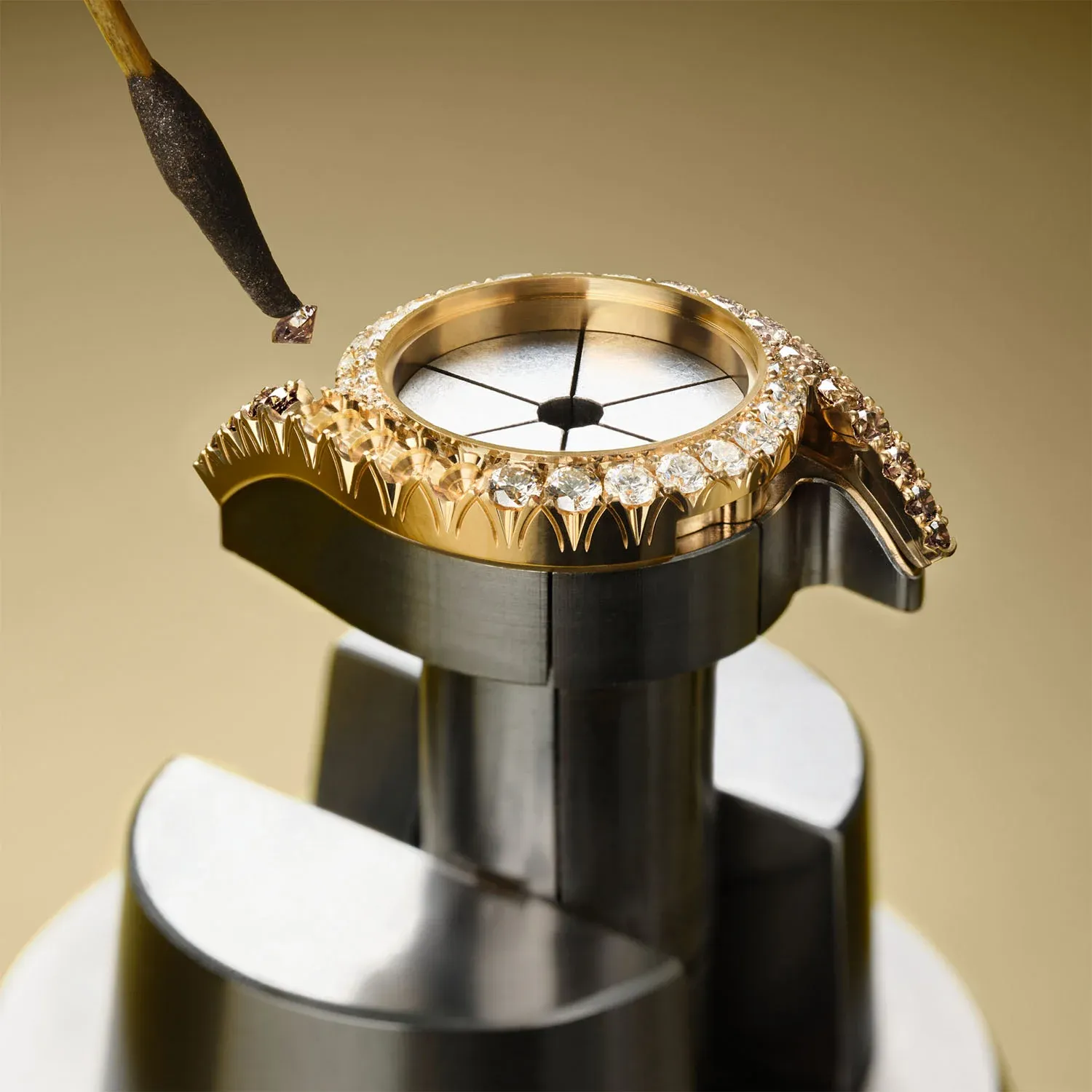
The 18K pink gold case is set with diamonds and spessartite garnets that move from sharp diamond-white into deeper amber sunset hues, a gradient that feels almost serpentine in motion.
Bulgari’s Serpenti may come to mind, but Piaget’s execution is less literal and more about material effect, powered quietly by the in-house 501P1 automatic movement that keeps the spectacle anchored in mechanical credibility.
Its counterpart, the Ref. G0A51187, leans into Piaget’s Decor Palace engraving, a technique first developed in 1961 that treats gold less like a polished surface and more like woven fabric.
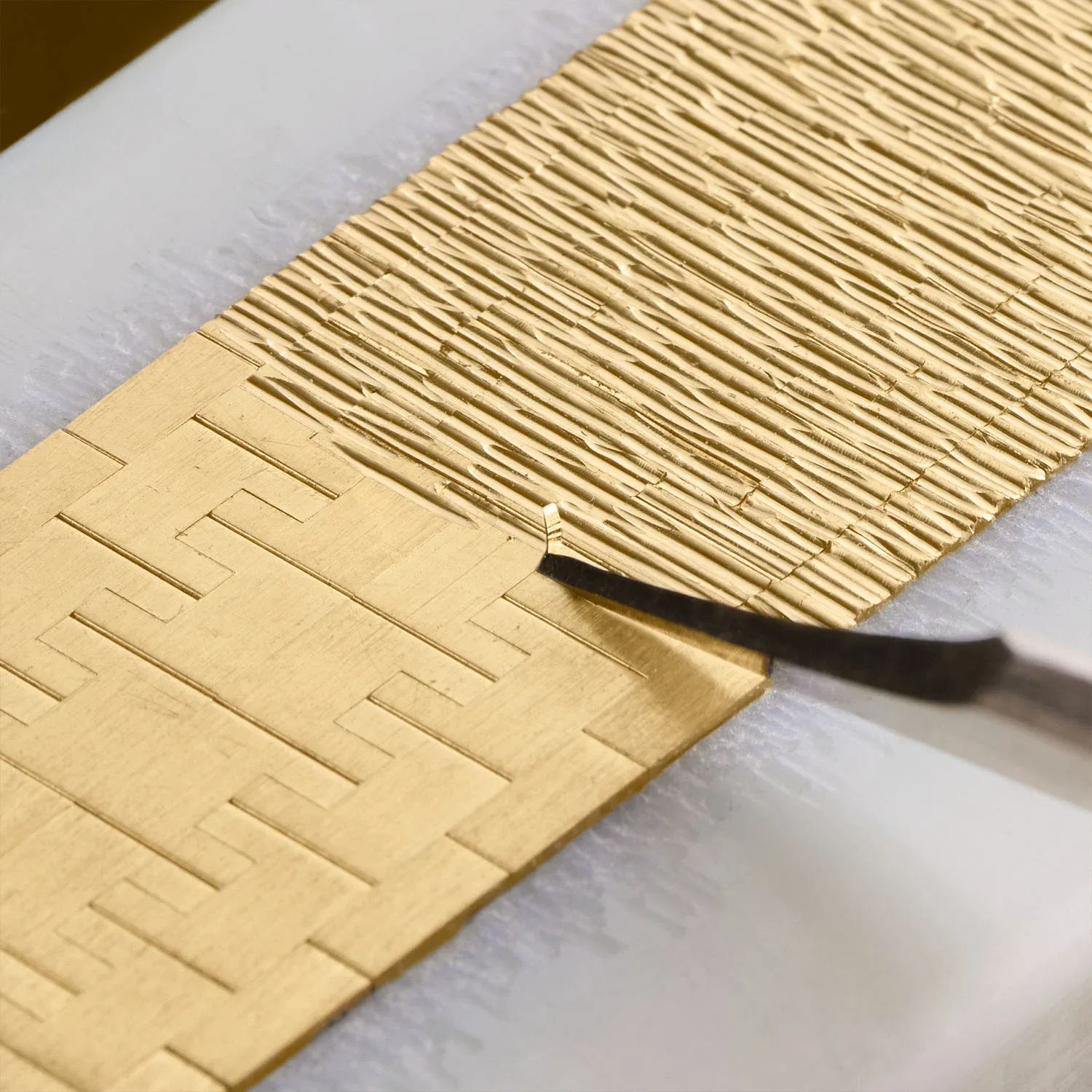
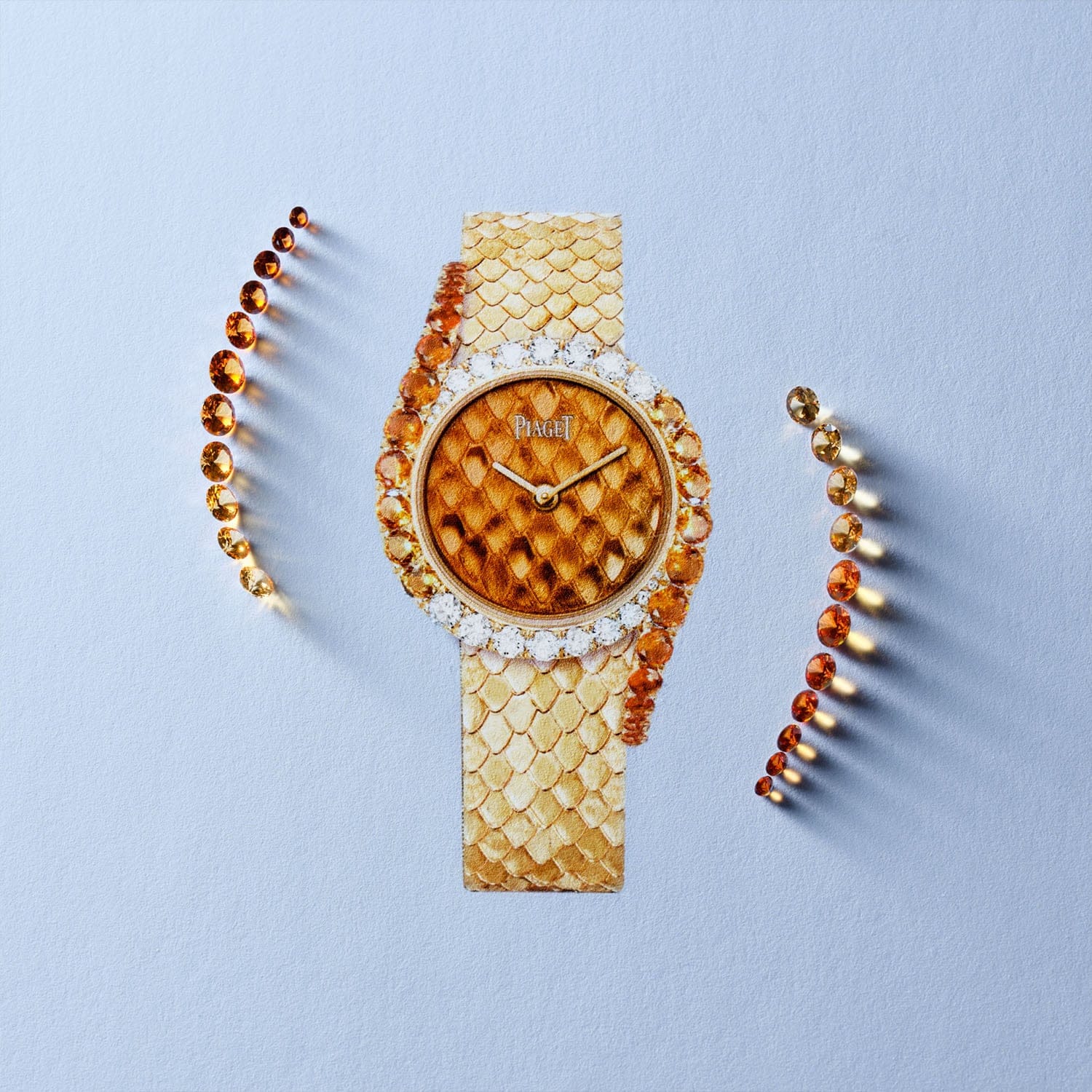
Using a burin, artisans cut each groove by hand, line by line, meaning no two surfaces will ever catch light in exactly the same way. Forty-two diamonds graduate from crisp white to cognac hues, framing the unmistakable asymmetrical case while the engraved bracelet carries the texture seamlessly across the wrist.
Decor Palace has long been standard language for Piaget, not an occasional flourish but a foundation, and here it reads as both heritage and flex.
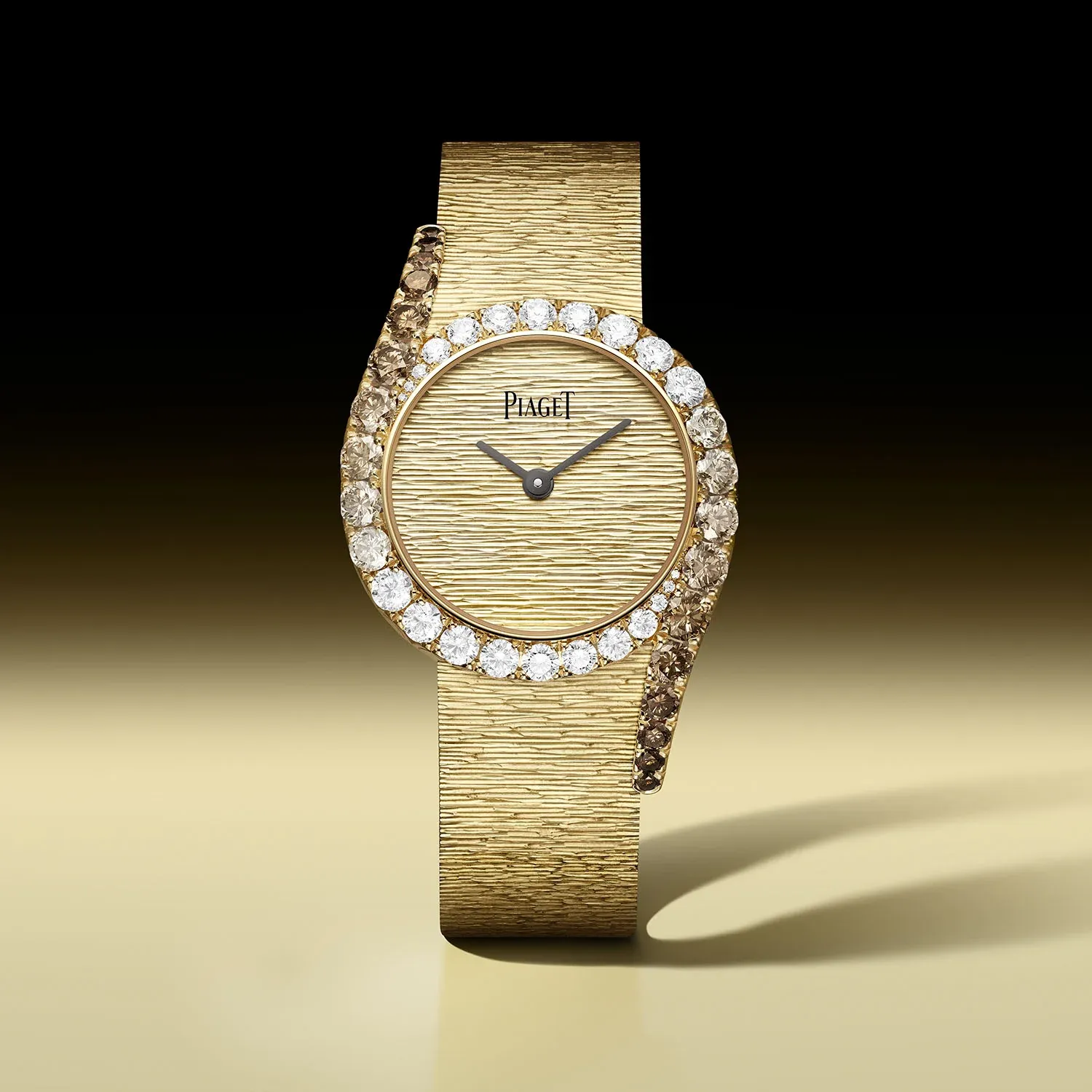
It, too, runs on the 501P1 calibre, part of the collection’s shift toward in-house mechanical movements in recent years after decades of quartz, adding horological weight without disturbing the jewelry-first identity.
These are watches designed to be seen across a dinner table at Hôtel du Cap, not hidden under a cuff in a boardroom.
A little wrist architecture, if you will. One speaks in the textile language of engraved gold, the other in full serpent fantasy, but both reinforce what Yves G. Piaget once made clear: a watch is first and foremost a piece of jewelry.
You see it in vintage tiger’s eye pendant watches from the ’70s, in diamond-drenched references that wouldn’t look out of place on Liberace, or, for a more modern parallel, on someone like Young Thug who understands that ornament can double as armor.
There is something enduringly glamorous about Piaget’s ability to merge watch design with just the right amount of bling, confident without veering into costume, expressive without apologizing for it.
If Studio 54 ever comes back, this is what you’d reach for. And if it doesn’t, the Limelight Gala makes a convincing case that glamour, when backed by craft, never really left.
Prices are upon request. More information at piaget.com.