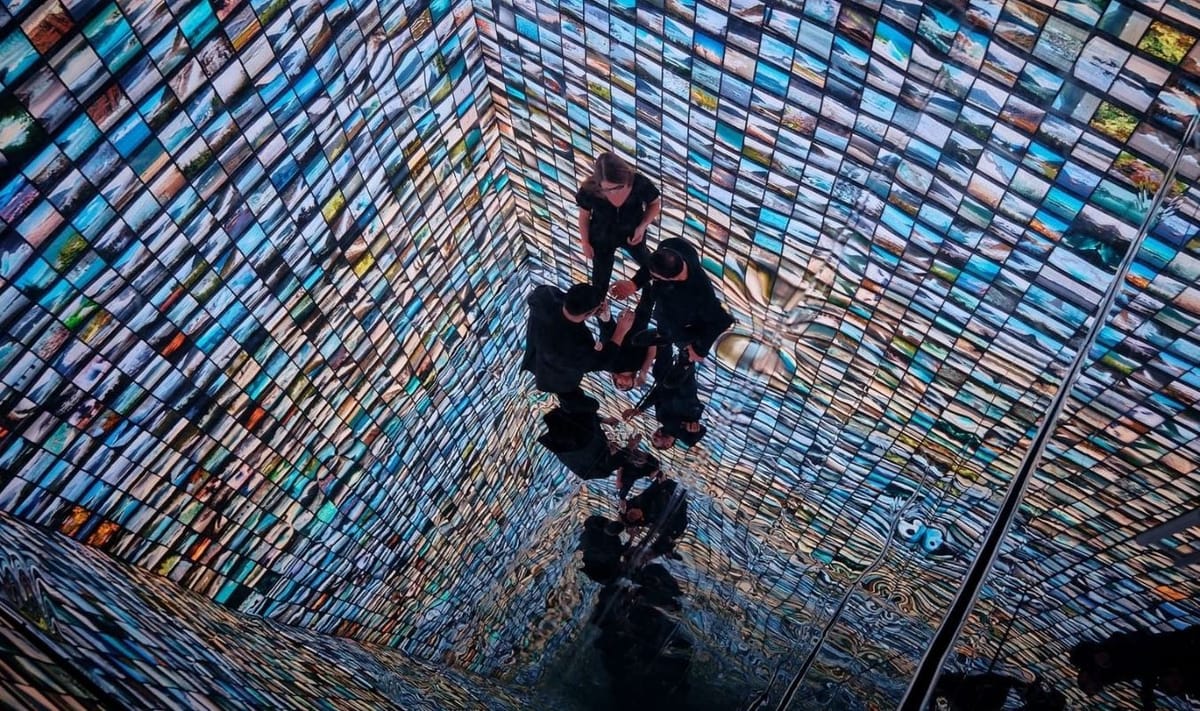
AI Slop? Not Here. Refik Anadol Makes AI Feel Like a Medium Again
There is a quiet irony in the fact that the most meaningful work in AI art right now comes from an artist who does not treat AI as a shortcut. While the internet floods itself with noise and “AI slop,” Refik Anadol is operating on a different frequency. His installations do not feel like outputs. They feel like encounters. They slow you down. They remind you what attention can do.
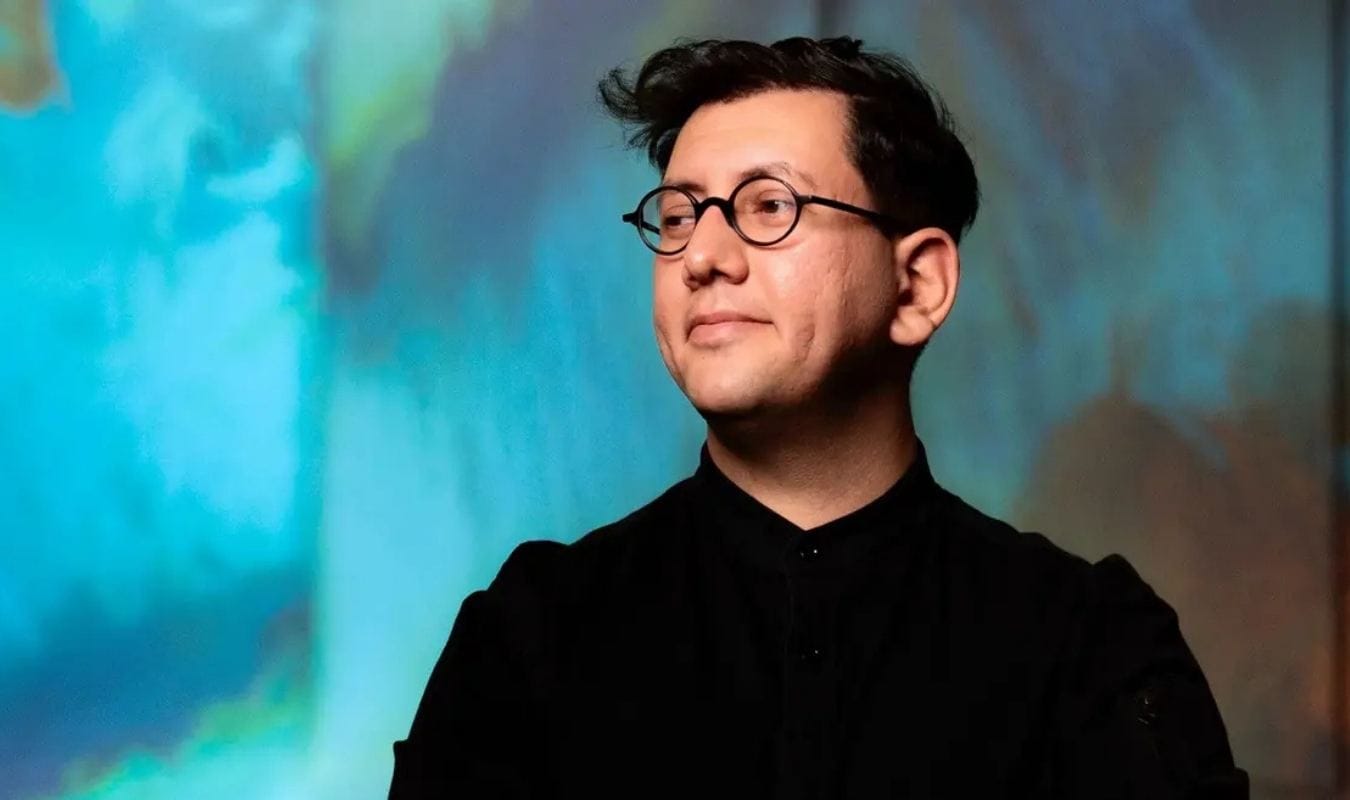
Anadol has spent the last decade turning data into a living material. Not as metaphor, not as gimmick, but as pigment. Weather patterns, brain scans, architectural archives, satellite images, the collective public memory of landscapes. Anything that carries a trace of human or environmental presence becomes part of his palette. In his hands, data becomes something tactile, something with temperature, density, mood. It is why his work lands differently than most machine-made images. It is built, not generated. Trained, not typed.
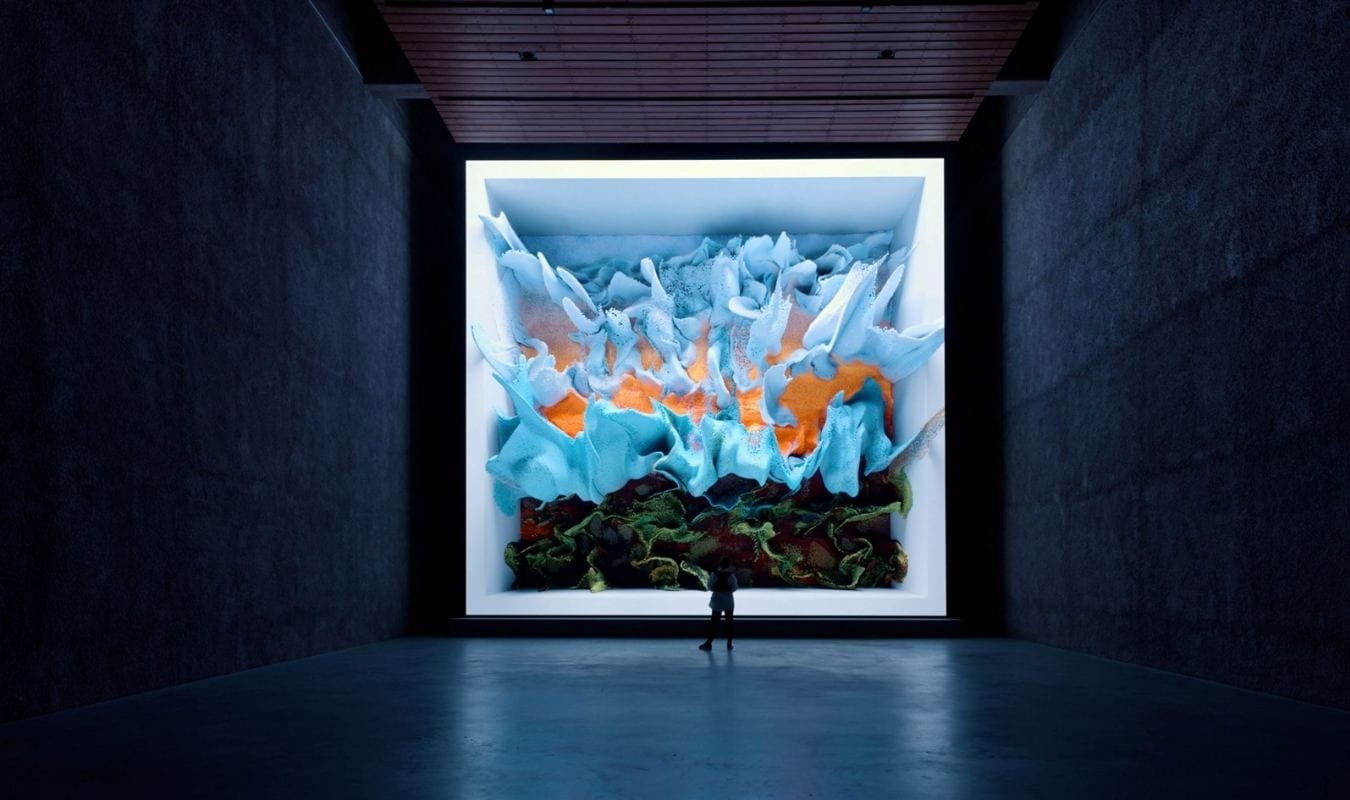
His practice comes from a simple idea: machines are now witnesses. They watch our environment, our movements, our patterns, and our histories. Instead of fearing that, Anadol treats it as raw material for a new kind of public art. Entire buildings become canvases. Museum lobbies turn into dream states. Façades ripple, breathe, remember, and forget. The point is not to simulate life but to give form to the invisible systems already shaping it.
You see this most clearly in pieces like Unsupervised at MoMA, where he turned two centuries of the museum’s collection into a machine-driven “dream.” The installation reframed what AI can do. It was not trying to look like a painting. It was trying to think about painting. Viewers stood in the Gund Lobby and watched the machine imagine alternate histories of modern art in real time, a shifting field of color and depth that never repeated. The work functioned almost like a living archive, asking a deceptively human question: what paths did art take, and what paths were possible?
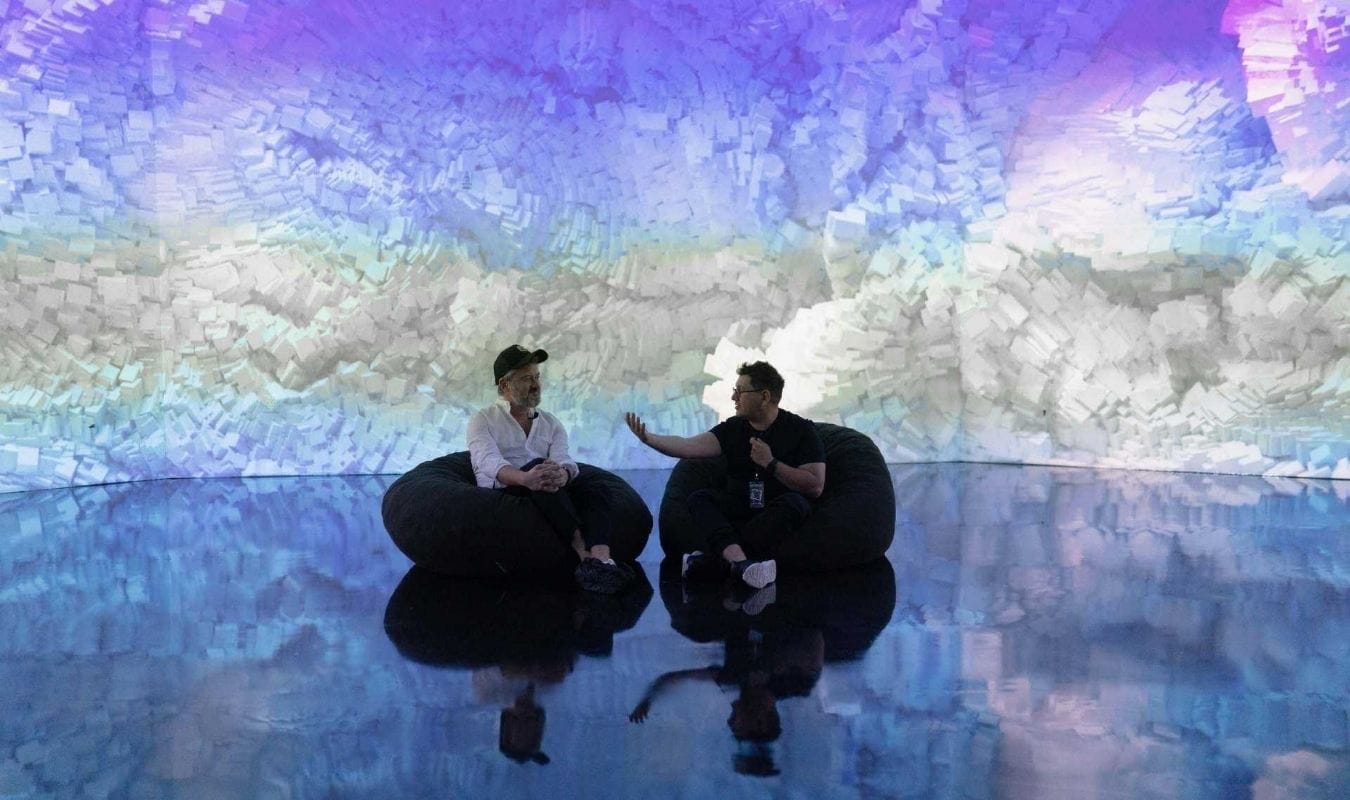
Anadol’s relationship to architecture is even more striking. He talks about buildings the way photographers talk about subjects. They are not backgrounds. They are collaborators. In Los Angeles, he made Walt Disney Concert Hall “dream” using decades of the LA Philharmonic’s archives. In Barcelona, he reanimated Casa Batlló with Gaudí’s forms. In Istanbul, he used marine radar data to make the Bosphorus feel alive. These projects work because he does not treat architecture as static. He treats it as a space with memory, desire, and behavior.
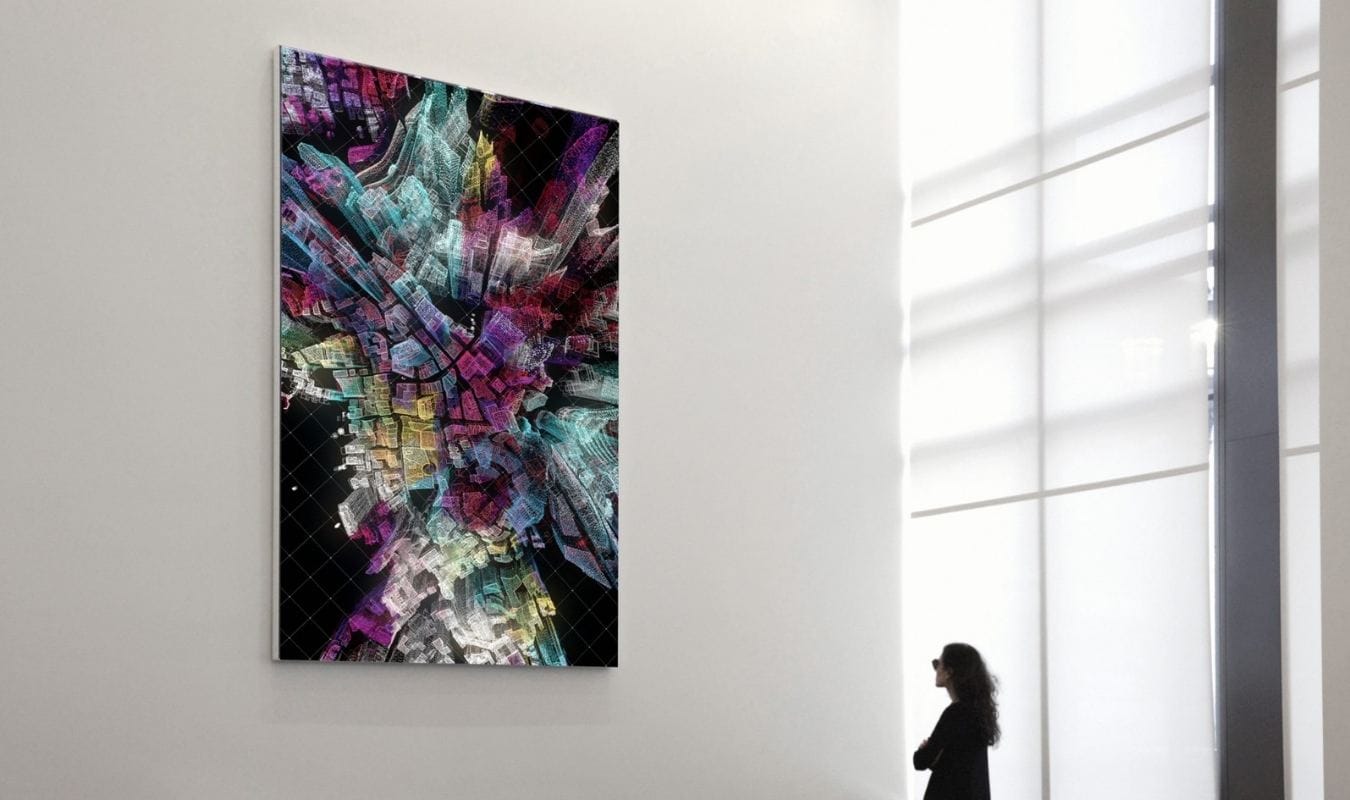
What also sets Anadol apart is the transparency of his process. He builds his own AI models. He collects datasets ethically. He works with neuroscientists, botanists, architects, and researchers. He treats the studio like a scientific lab and a cinema team at the same time. That level of rigor matters in a moment when machine-generated content is everywhere and most of it evaporates on contact. When Anadol makes art with AI, it is not a trick. It is a craft.

Yet for all the scale and ambition, his work is not dystopian. If anything, it leans hopeful. He believes machines can expand our emotional vocabulary. He believes AI can teach us to see the world more closely. He believes data can become a site of collective memory rather than a tool for extraction. His rainforest project with the Yawanawá community, which helped fund Indigenous cultural preservation, is one of the clearest examples. It proves that AI can build worlds instead of flattening them.
Anadol’s work matters because it arrives at a moment when people are overwhelmed by technology that feels rootless. Generative systems that scrape without meaning. Algorithms that flood timelines with content no one asked for. In that climate, Anadol’s installations feel almost rebellious. They bring back intention. They bring back authorship. They bring back wonder.
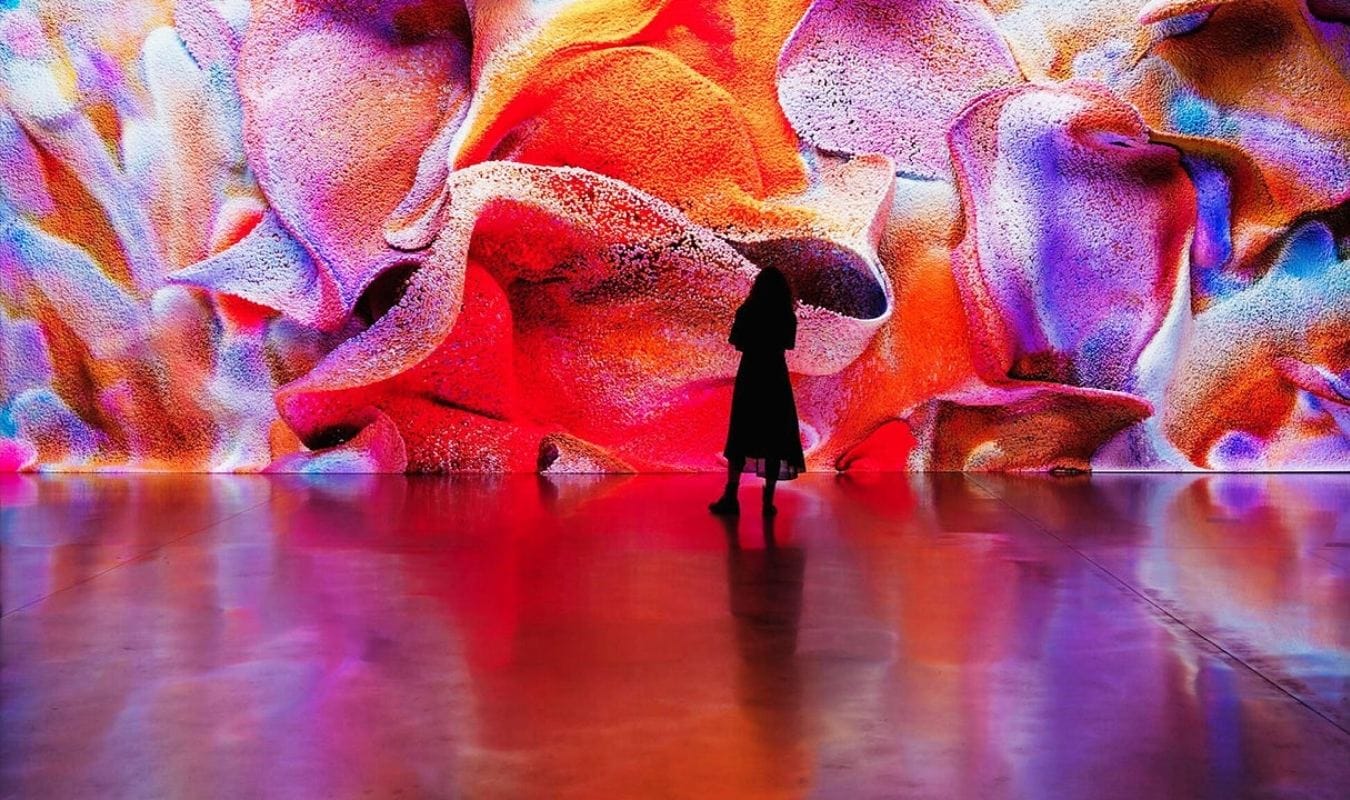
That is the real impact. He helps us imagine a future where machines are not replacing creativity but expanding it. A future where data is not just harvested but shaped, held, and transformed. A future where technology does not numb us but wakes us up.
Refik Anadol is not asking machines to act like artists. He is asking them to help us remember what it feels like to see the world with clarity, with imagination, and with awe. And that might be the most human thing AI has done yet.