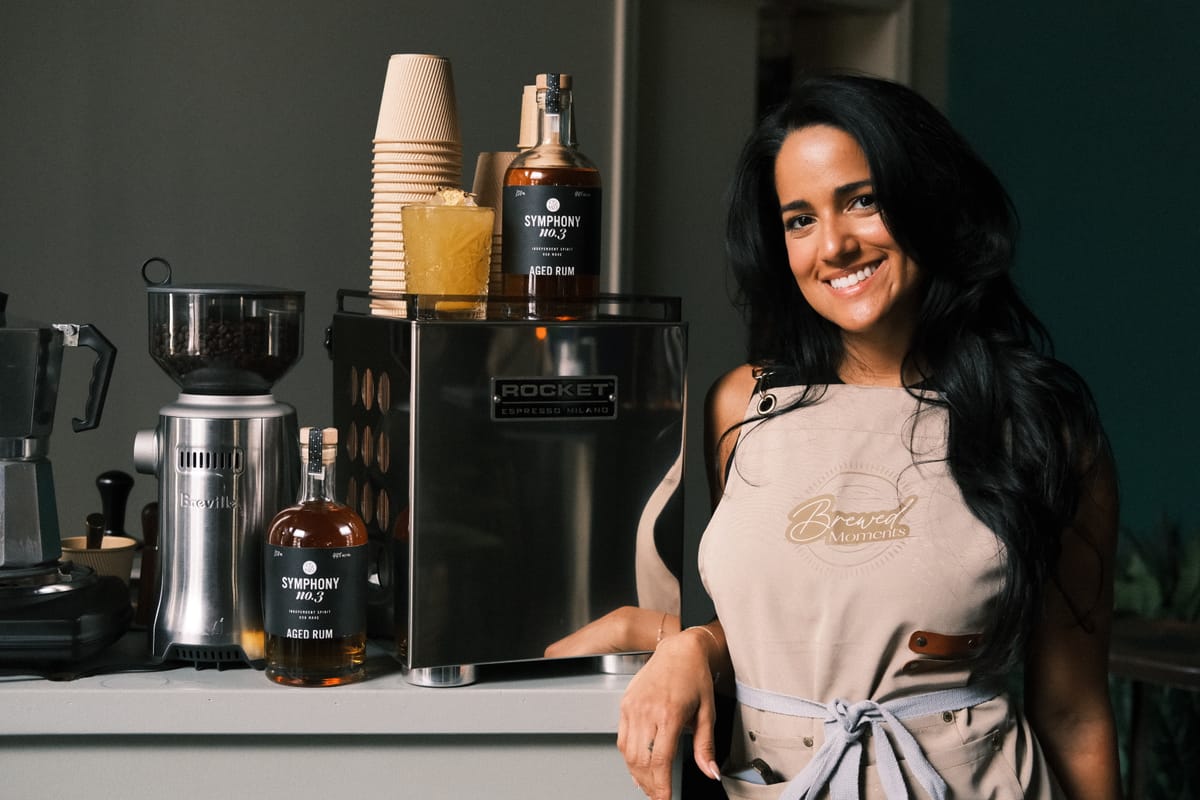
Symphony No. 3 Is What Rum Sounds Like When It’s Shaped by Its Own Community
Outside of sticky Miami nights or freezing New York dive bars, rum has always existed somewhere else entirely. Not as a shortcut to getting drunk, but as a companion to food, conversation, and long evenings that stretch on purpose.
That distinction matters now. What Symphony No. 3 understands is that rum’s original role was never escape. It was presence.
Rum began as a byproduct of sugarcane production in the Caribbean, born from agricultural necessity rather than luxury intent. Long before it became a category, it was a way of preserving excess, gathering people, and marking time.
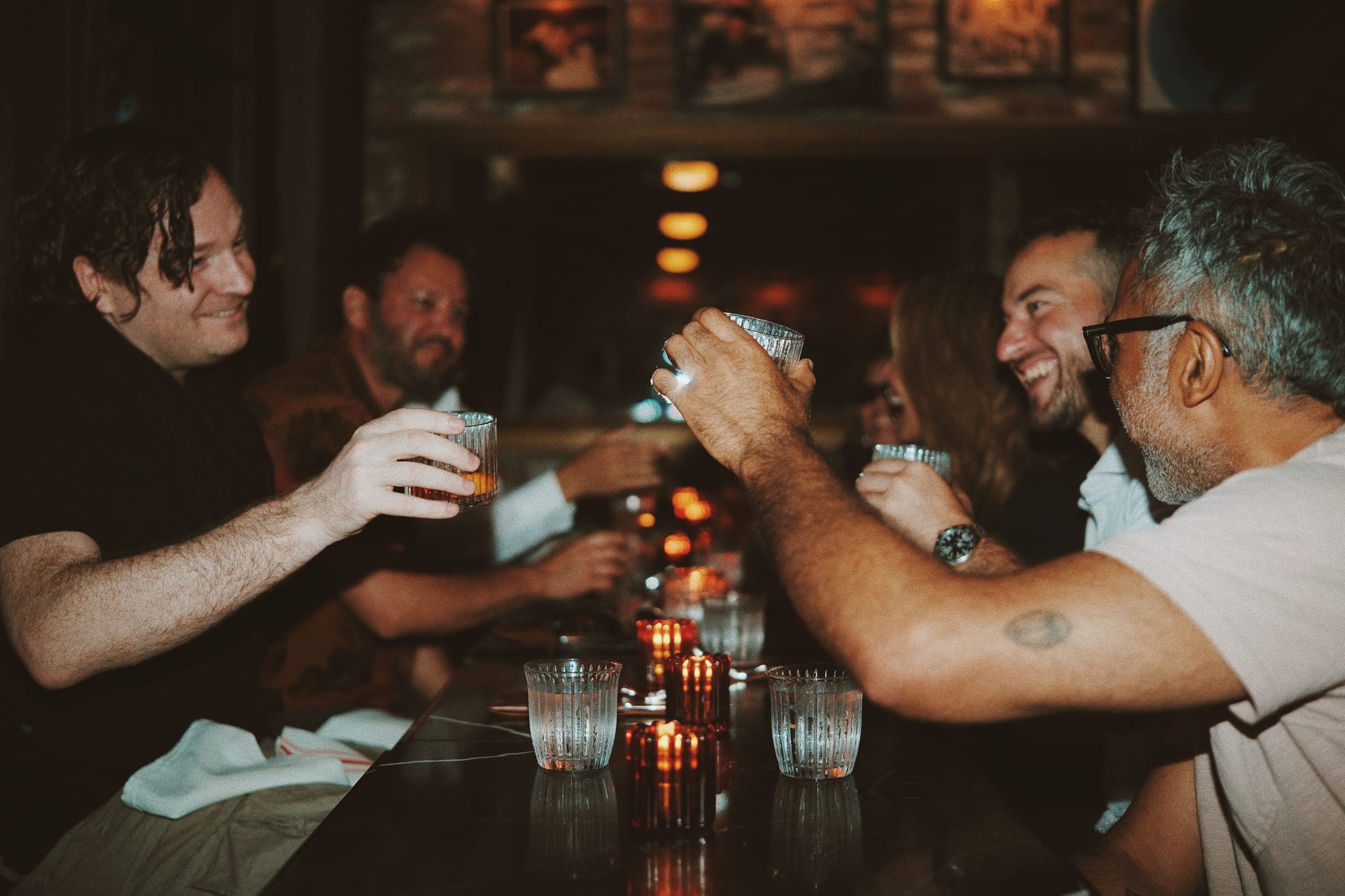
It lived close to the land, close to labor, and close to the table. That lineage still shapes how rum shows up across the Caribbean today, not as indulgence, but as something embedded into daily life.
In Jamaican households, it shows up in Christmas rum cake. In Puerto Rico, it lives in coquito, poured seasonally and passed between family members. In Trinidad, it threads through food, gatherings, and everyday life. Rum isn’t ornamental in these places. It’s connective.
This is the lineage Symphony No. 3 is deliberately stepping back into.
Founded by Jaaz De La Vega, Charles Genao, and Sam Hickman, Symphony No. 3 didn’t start as a branding exercise.
It started as lived memory. De La Vega traces his relationship with rum to Puerto Rico, where it was always part of the rhythm of the island. “Rum has always been prevalent in my life because I’m Puerto Rican,” he said during a conversation with Super Niche. “There’s this thing called coquito every year. It’s seasonal. It’s community.”
For Marlon Rowley, Symphony’s Director of Sales and Marketing, that connection runs through Trinidad. “During the holidays, we make a thing called rum cake that families kind of share,” he said. “It’s always been around in my family, in the community. It’s just part of life.”
That shared understanding shapes how Symphony operates, and why the brand remains skeptical of how rum is often marketed today. Over time, industrialization flattened the category. Mass-market white rums and celebrity-backed bottles turned something communal into something performative.
“We’ve been noticing the celebrity influence more than ever,” De La Vega said. “A celebrity attaches themselves to a brand and it becomes a fad. It takes away from the authenticity, the flavor in the bottle, the storytelling.” Then he cut to the point: “This is something like for the people, made by the people. Marlon joked the other night, ‘remember FUBU? For us, by us.’ That’s what we’re trying to build.”
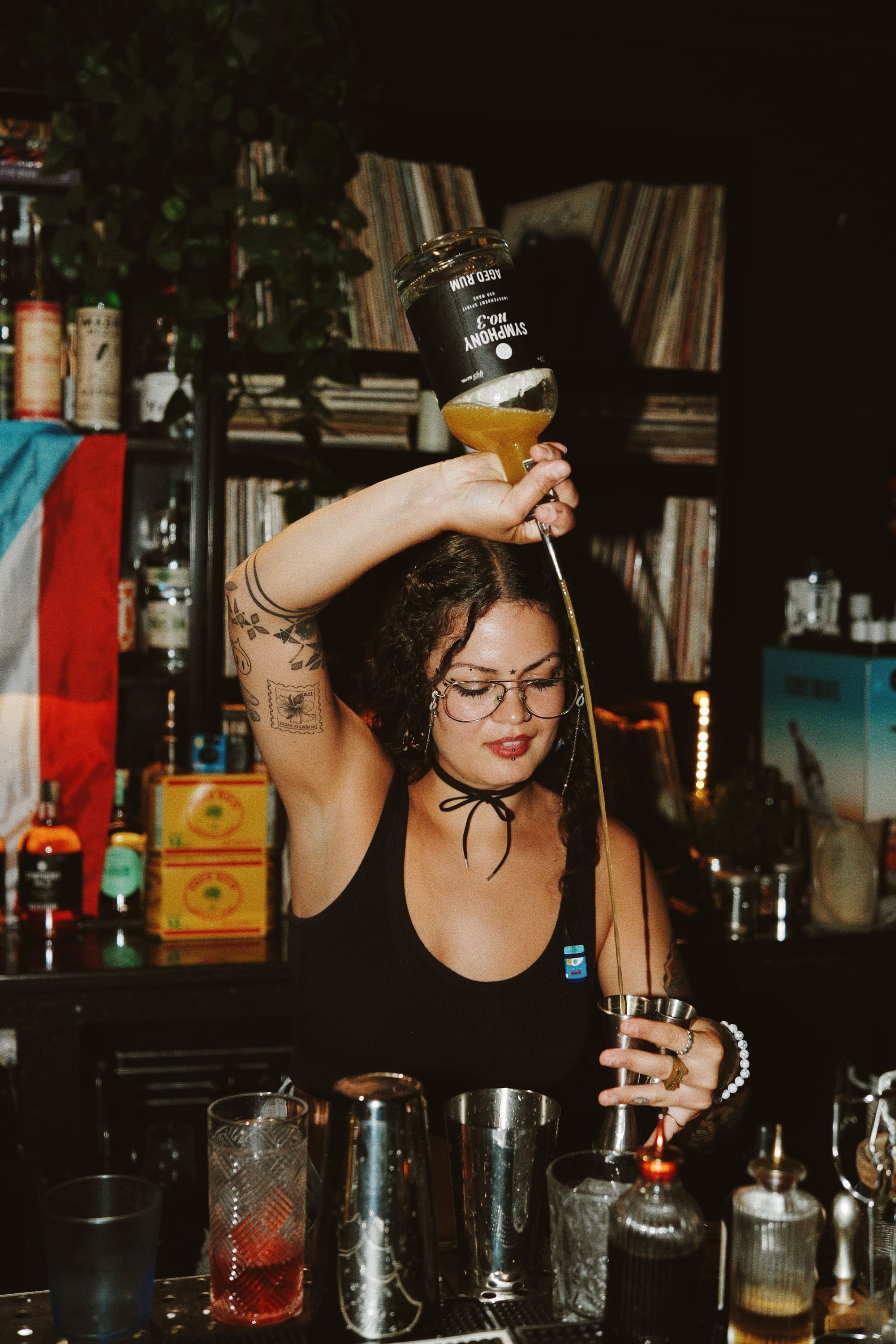
Symphony’s alternative is simple. Put the bartender back at the center.
“We’re very bartender-forward,” Rowley said. “A lot of brands go for celebrity endorsement. It opens doors, but it ends up sitting on a shelf. I’ve never seen a bottle of it finished. It’s just collecting dust.” Symphony builds relationships instead, working with bartenders who want to actually use the rum. “Different cities, different hands, different approaches. That keeps the conversation alive.”

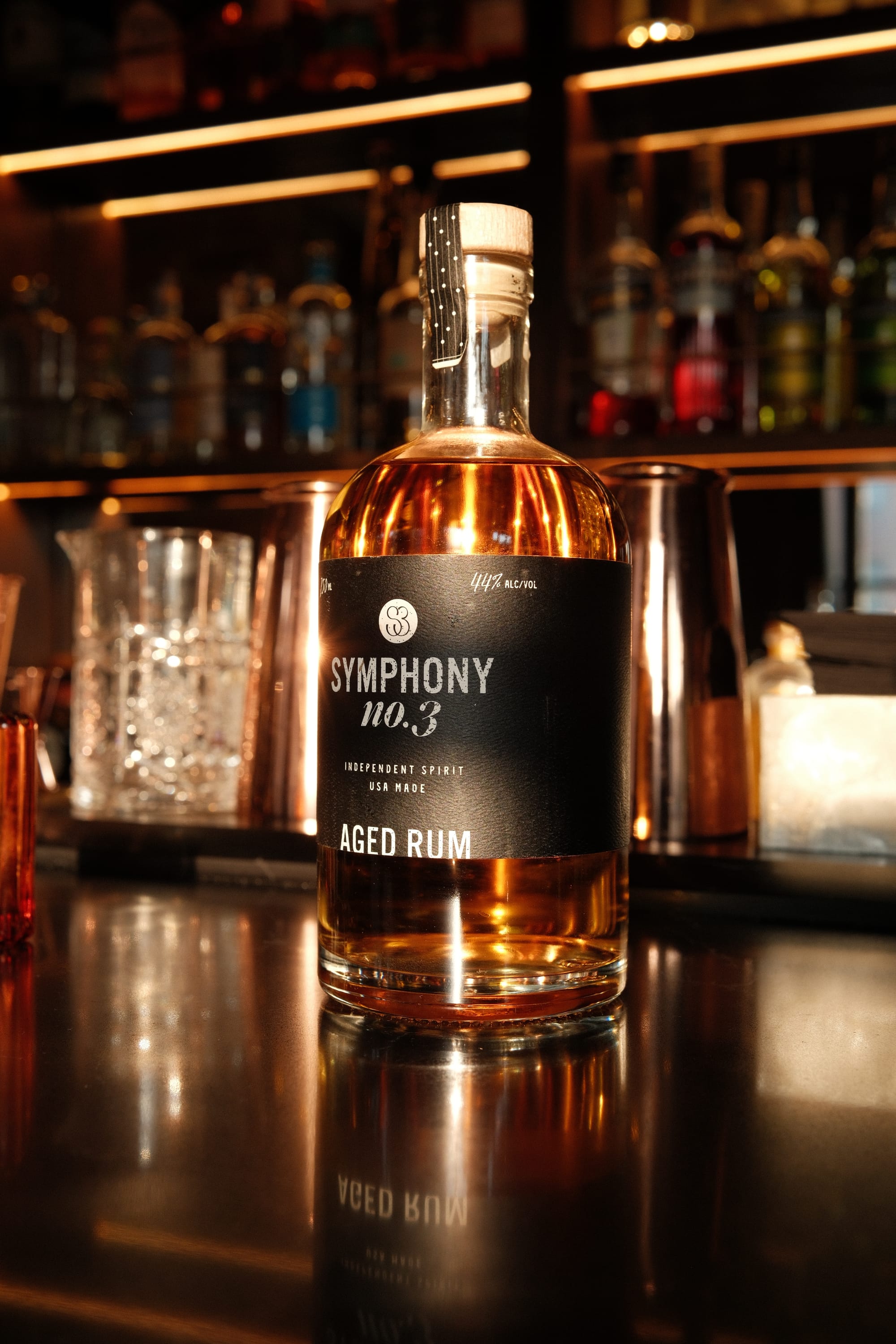
The liquid supports that philosophy. Symphony No. 3 is molasses-based, made from Floridian sugarcane, distilled in pot stills, and bottled in the U.S. The white rum is clean enough to drink neat, while the aged expression spends three years in French oak before finishing in ex-American rye barrels. The result bridges categories without erasing identity.
“As it ages in rye barrels, it takes on a lot of those whiskey notes but keeps the rum character,” Rowley explained. “It works anywhere you’d put whiskey, but it also opens up classic rum cocktails in a new way.”
There’s also a detail that matters if you care about roots. The Puerto Rican distillery Symphony partners with uses old Caroni pot stills, equipment originally tied to Trinidad’s legendary rum maker. “For me personally, that’s bringing everything back to the roots, back home,” Rowley said.

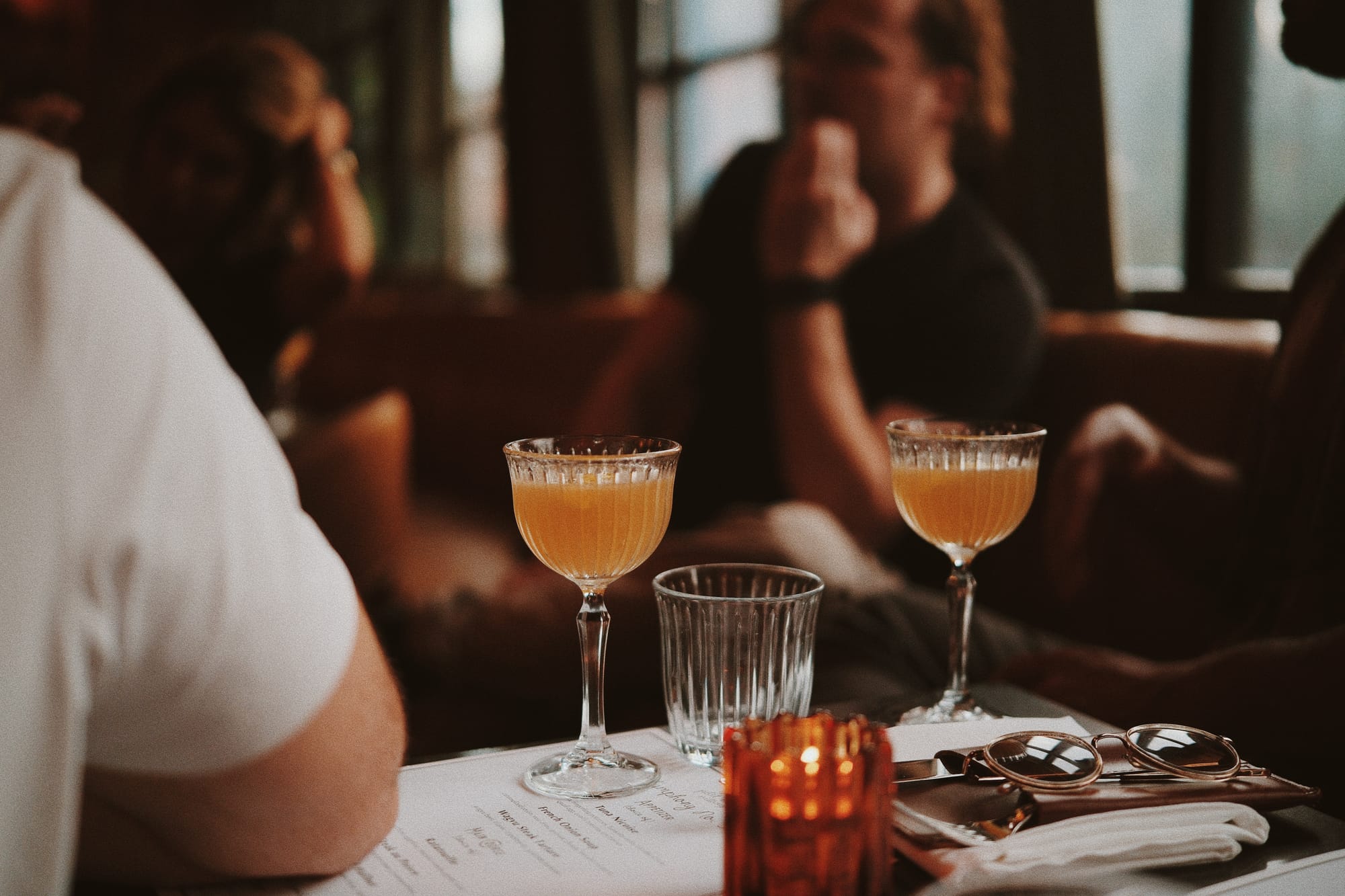
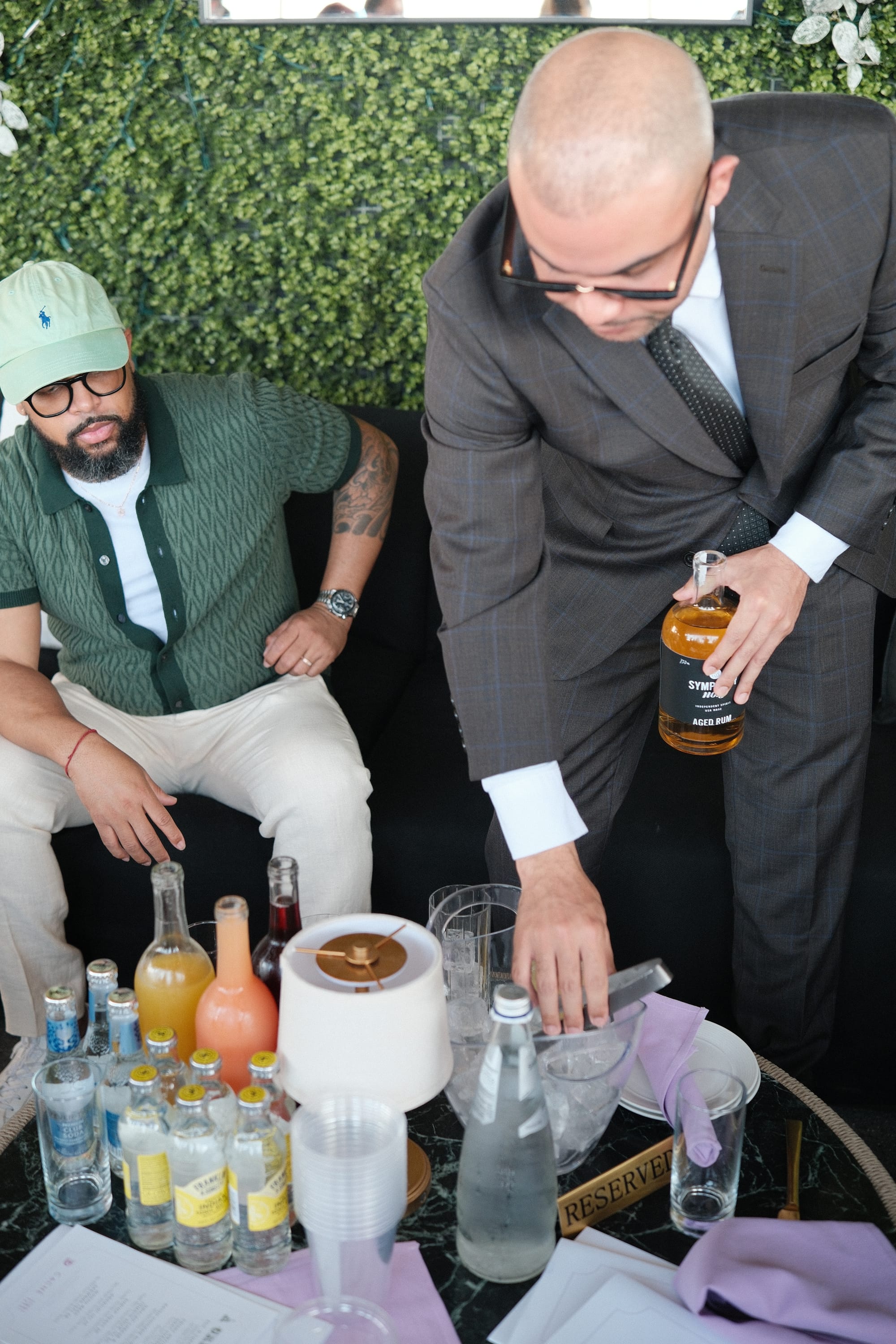
Food remains central to how Symphony thinks about rum, not as a pairing trend, but as a return to form. Asked where the rum thrives most, Rowley didn’t hesitate. “Spicy food,” he said. “There’s a little sweetness, a little pepper. It balances heat really well.”
Symphony No. 3 stays intentionally small. It’s free from corporate control, produced without additives, and built around intimate tastings, dinners, and gatherings that feel closer to community than campaign.
The people who show up tend to be bartenders, artists, and young professionals at that point where taste starts replacing impulse.
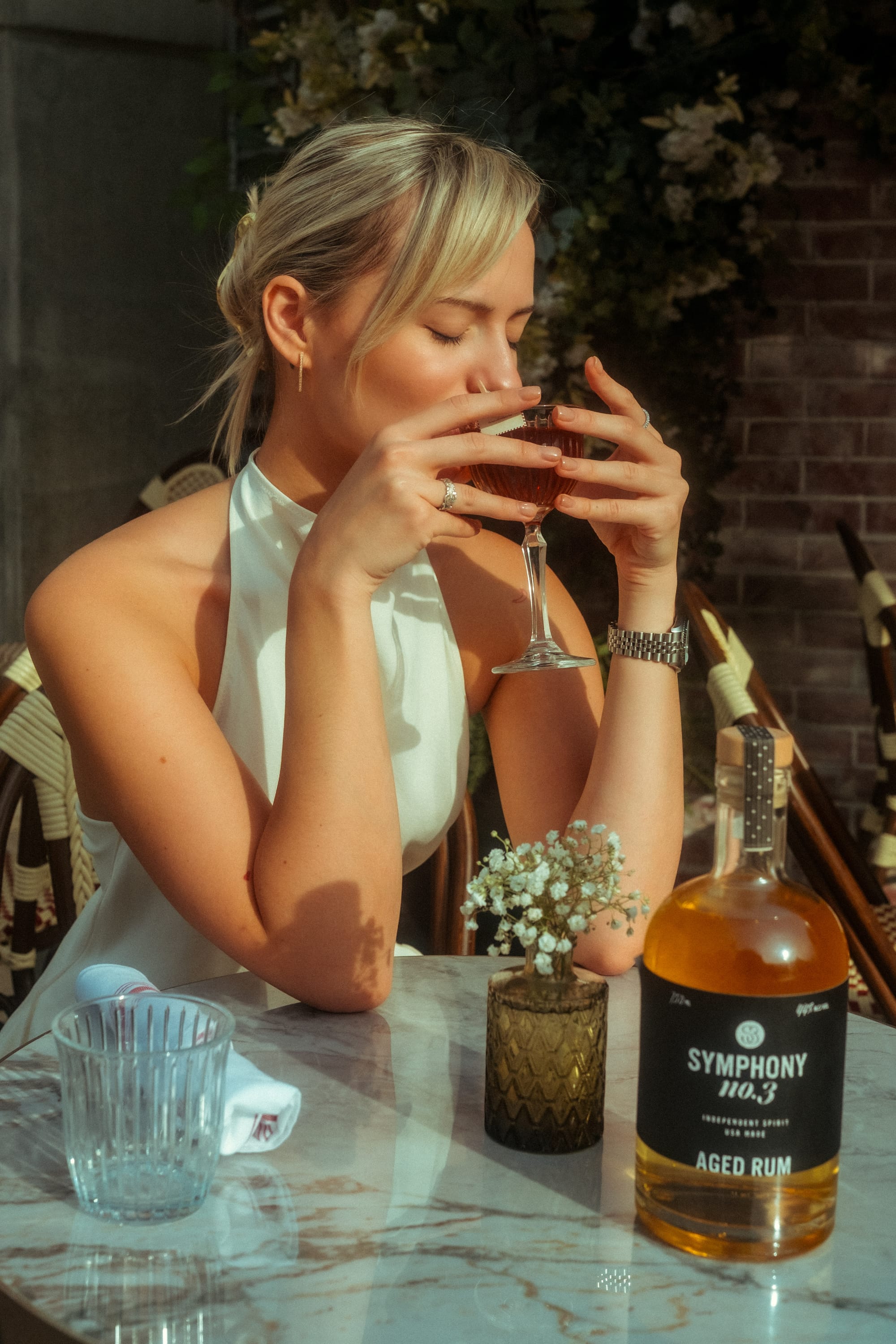
“If you come with an open mind,” Rowley said, “I promise you, I’ll change your mind.”
If rum has a future beyond caricature, it probably looks like this. Less mythology, more memory. Less shelf appeal, more finished bottles. Not to escape the night, but to stay in it.