The Drive That Made Time Slow Down
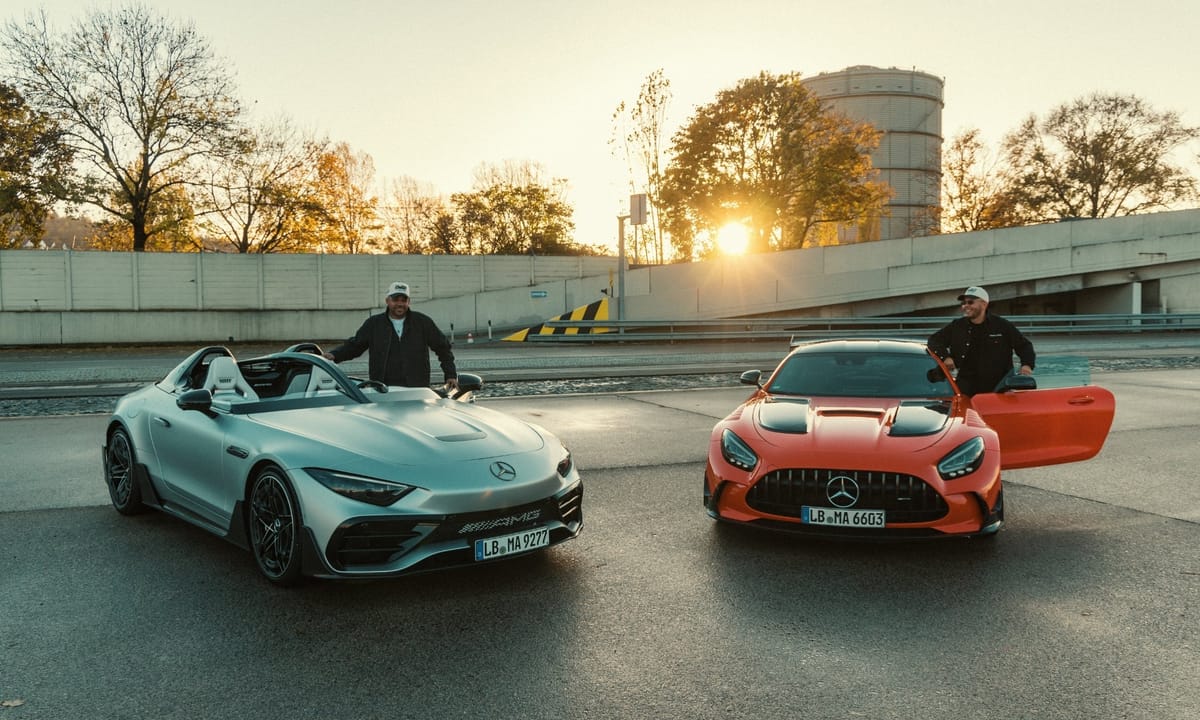
Fog sat low over the Black Forest before sunrise. Ten AMG GT3 Pros idled outside 0260 Coffee Headquarters, engines pulsing in short measured bursts. Once we pulled onto the narrow village roads and the long mountain passes, the route stopped feeling planned and turned into an exercise in attention.
The idea for Time To Drive began in New York. Ideas fly around constantly in my world, and most never move beyond the first conversation. This one did. It came from Lex Borrero, a friend from the Wrist Check Podcast couch and CEO and co-founder of NEON16.
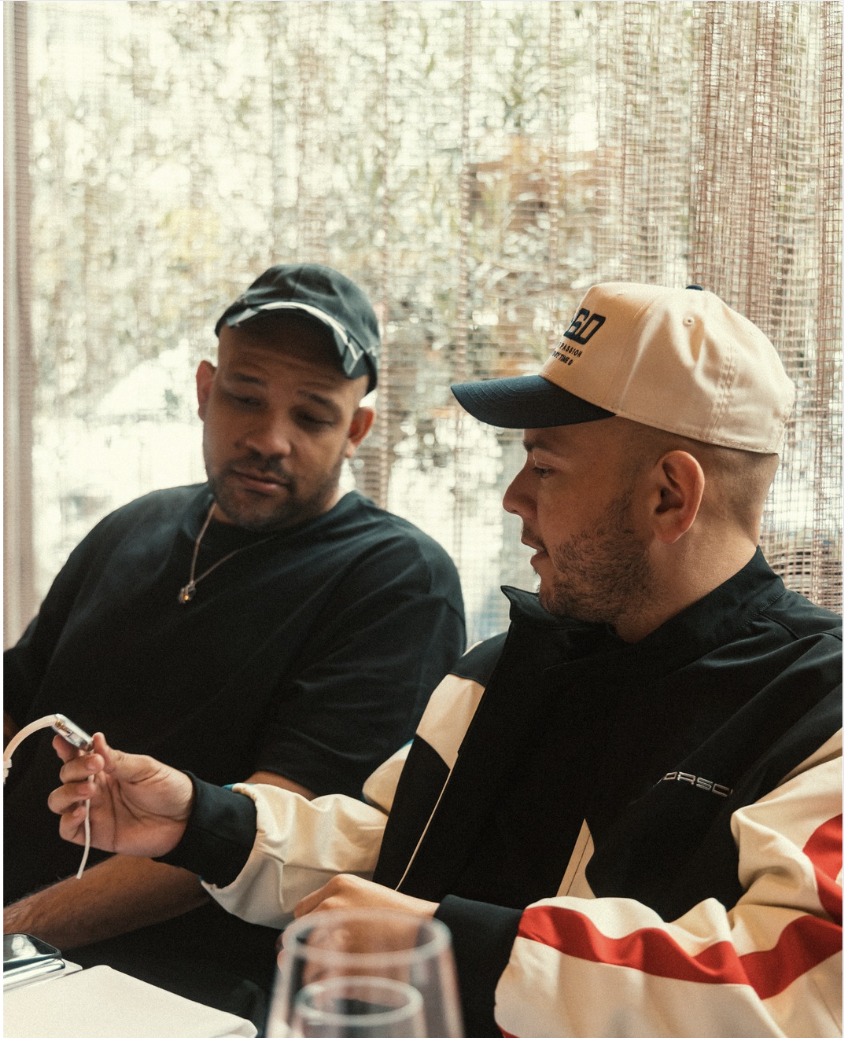
We had both been to enough collector gatherings that felt more like showcases than conversations, and Lex wanted to build something that moved, breathed, and left space for people to talk without performing. He said the experience needed real movement. Not spectacle. Motion with purpose. That became the cue for Time To Drive.
It grew from community first. Menta Watches and Miami Watch Club helped anchor it within the collector world, and Chrono24 later hosted one of the dinners that stretched the conversations even further. This wasn’t a staged brand moment. It was built through relationships and shared obsessions that already existed.
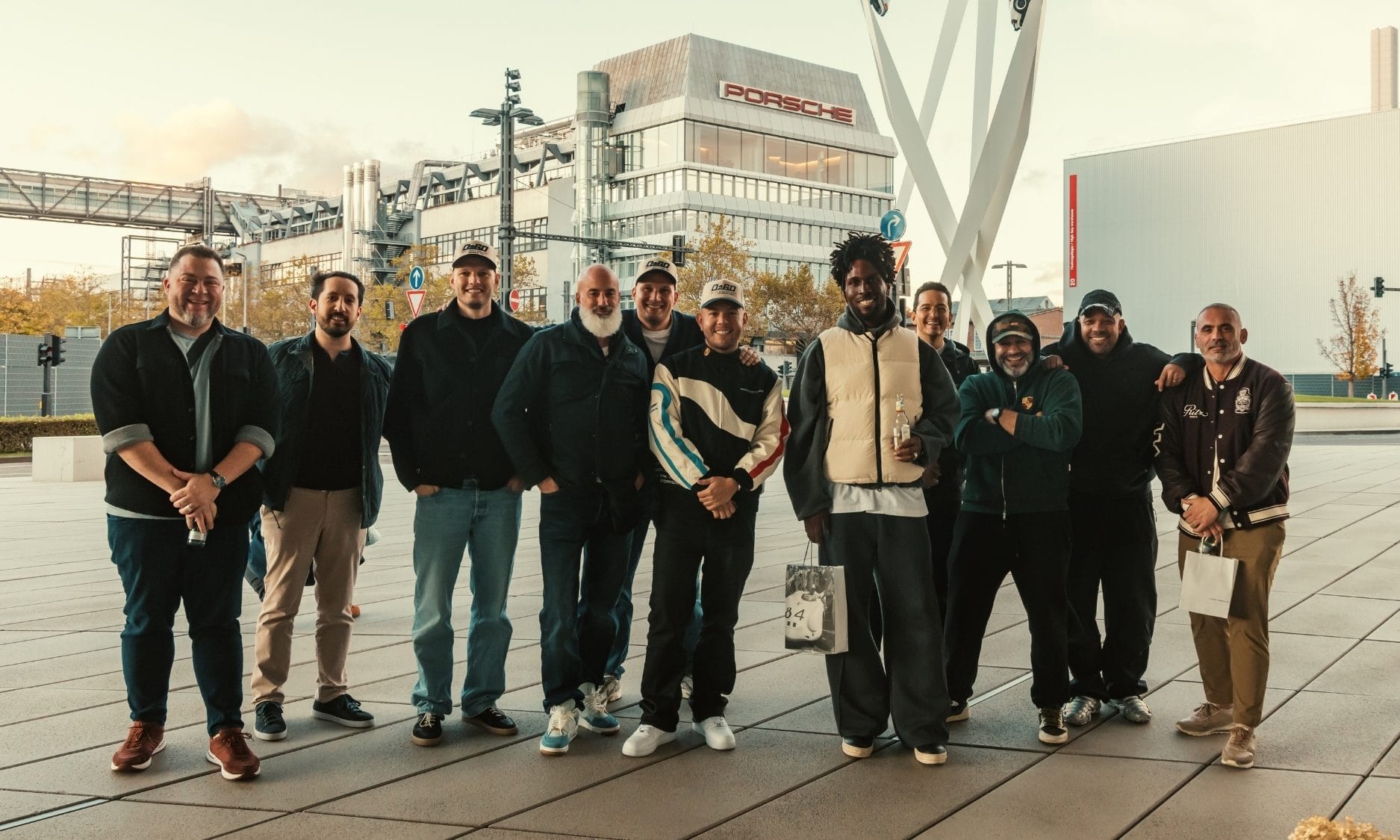
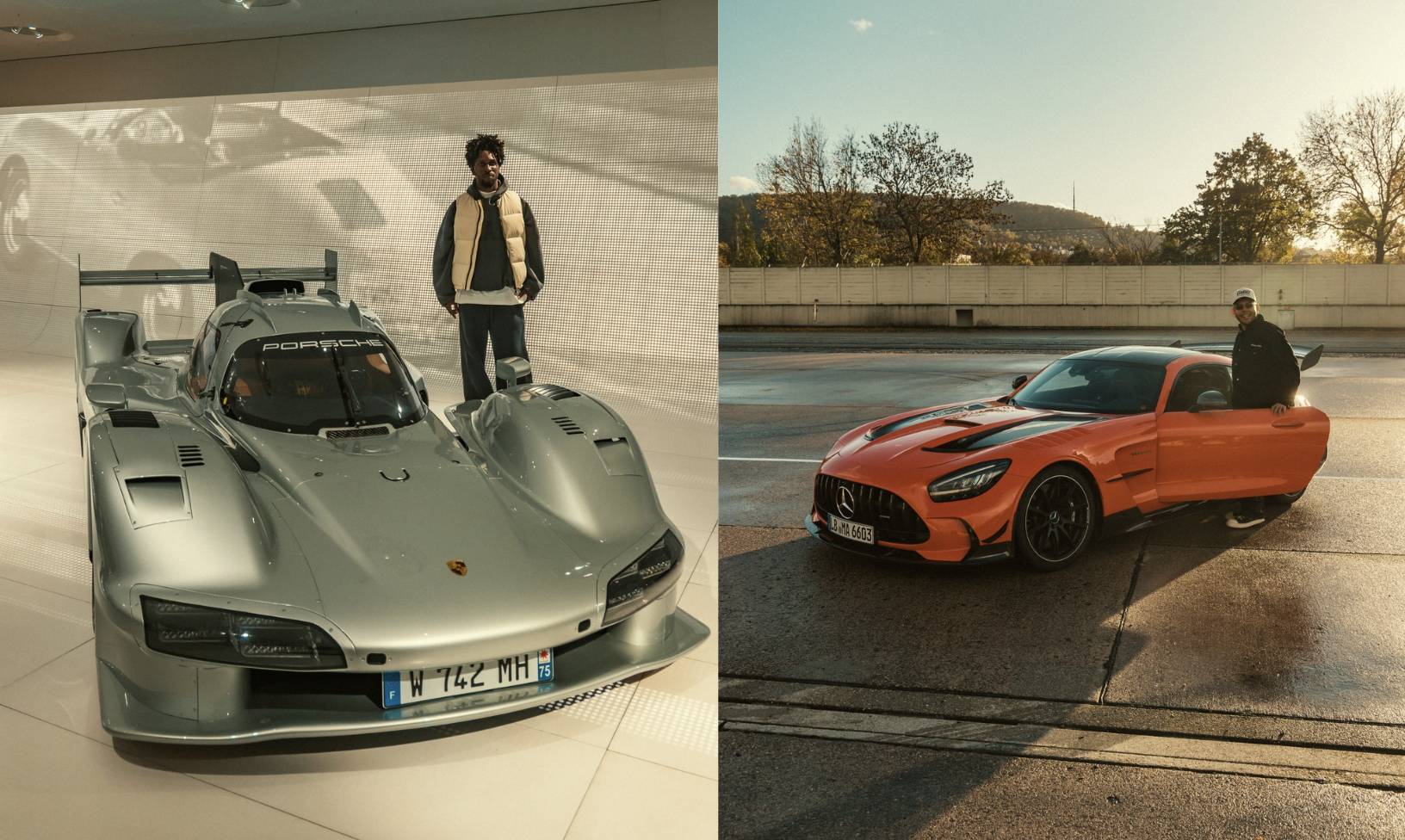
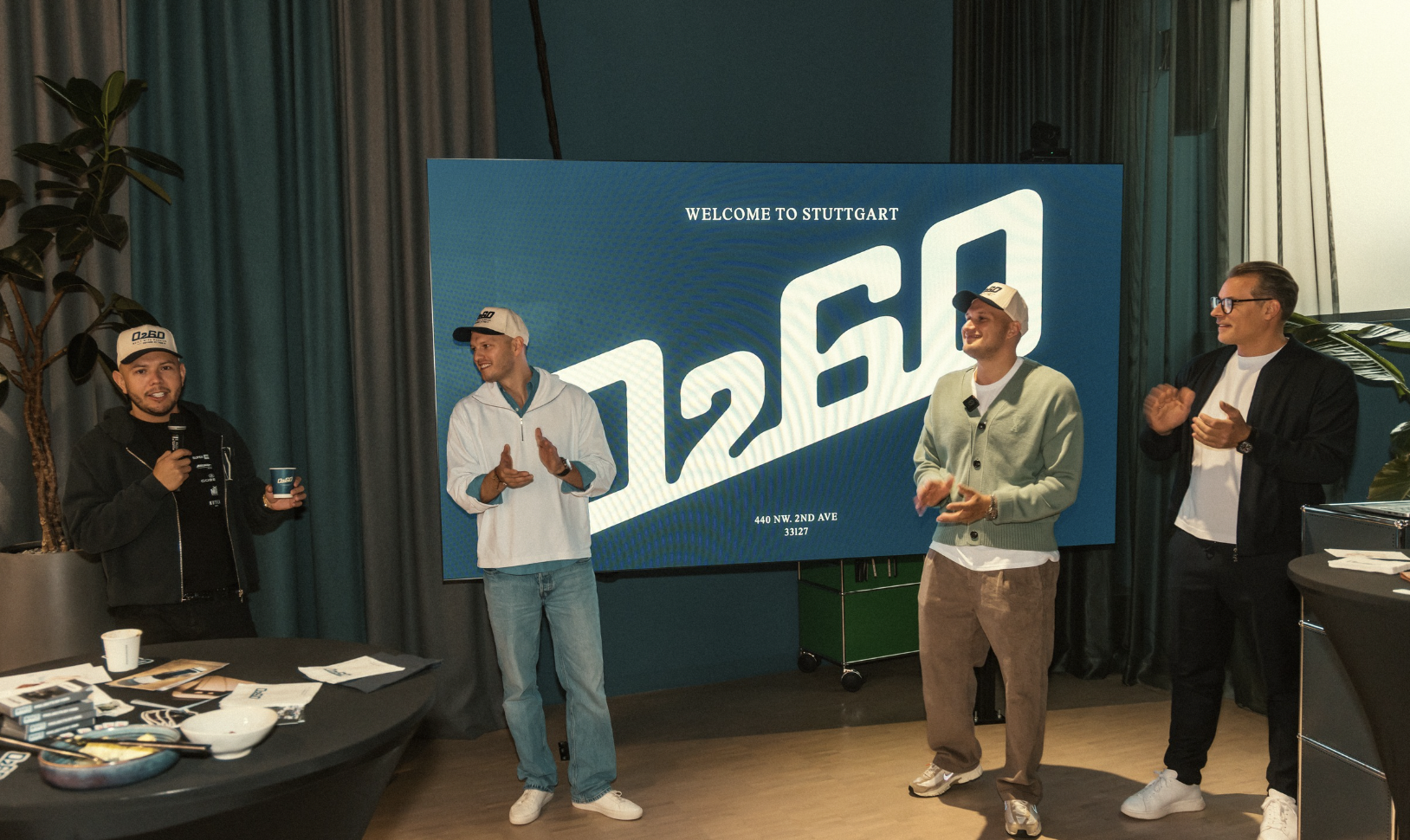
Stuttgart was the first chapter. Mercedes AMG opened their private circuit and paired us with professional drivers. Watching a driver take a clean braking line, hold steering input through weight transfer, and let the car settle before throttle showed a different kind of performance. Nothing dramatic. Just discipline earned through repetition. The way he handled the chassis reminded me of something we would later see at the bench in Schaffhausen: precision built through small adjustments and hours of quiet practice.
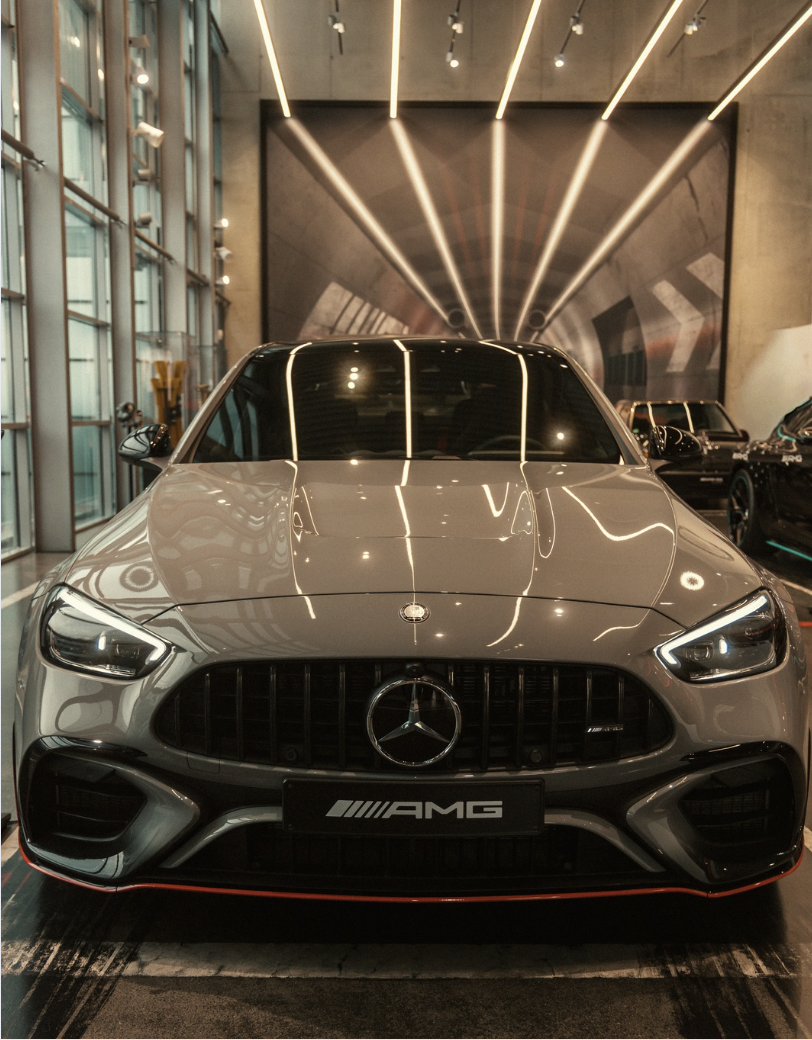
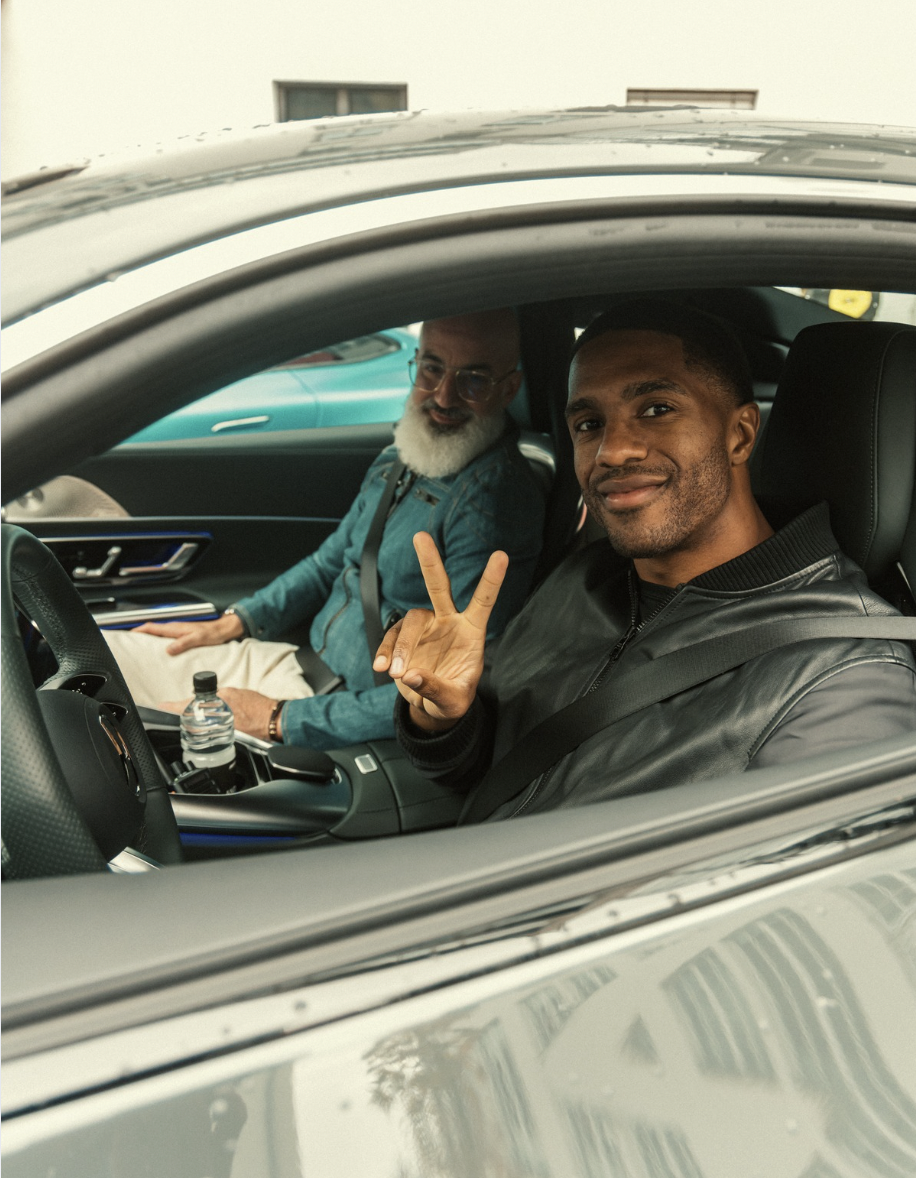
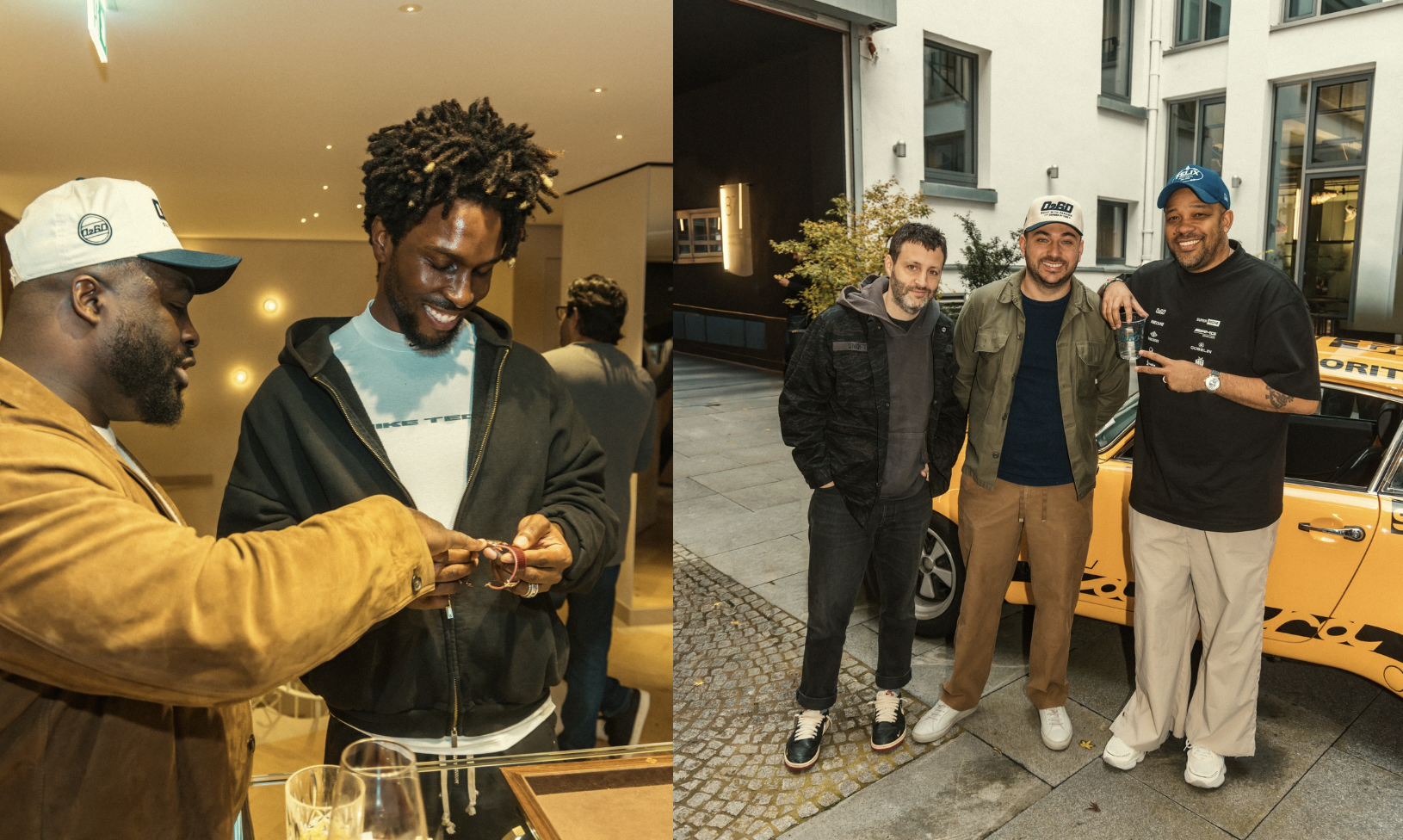
That night, Kutter 1825 welcomed us into their Patek Philippe boutique. Watch trays moved across the table, but the meaningful part was the way people compared bevels, talked through case shapes, and explained why certain references tie into specific parts of their lives. When the room stopped trying to sound impressive, the tone changed. People talked about the first time they saw a movement stripped down, the memories attached to certain watches, and what collecting reveals about how someone sees time.
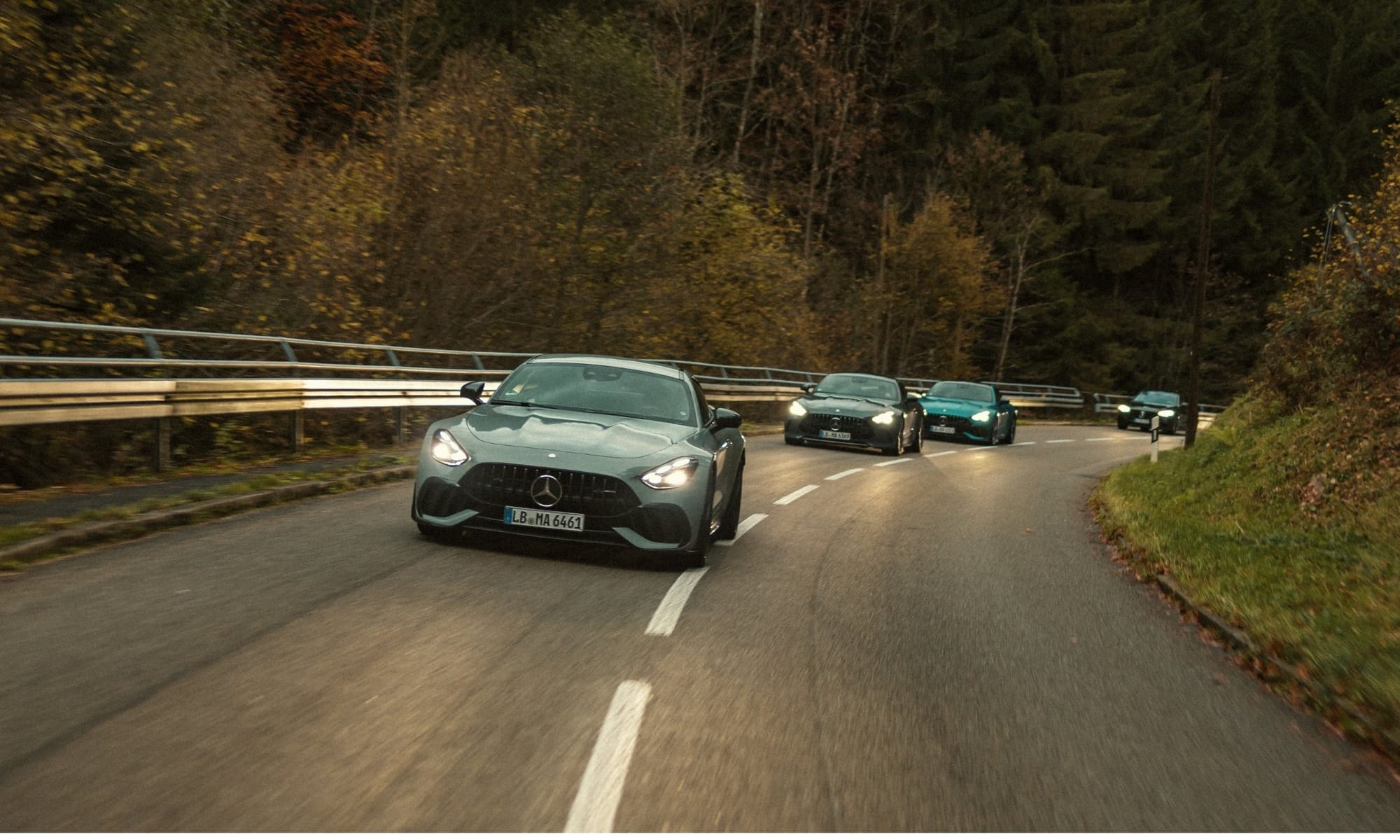
The next morning brought a row of GT63 AMGs. The drive wound through small villages, chimney smoke in the cold air, wet pavement under the trees, and long stretches where no one spoke. Several people mentioned they hadn’t gone that long without checking their phones in years. The road forced presence. The cars made everyone attentive without needing to talk about it.
Swiss watchmaking sharpened that perspective. In Schaffhausen, we visited H. Moser and later IWC. We stood over benches and spoke with the people who finish components by hand. One watchmaker described the pressure needed to polish anglage consistently and how learning that feel takes time and patience. At IWC, a technician pointed out tolerance measurements on a bridge and walked us through a testing rig used to stress parts. Those conversations made it clear that mastery is built from repetition, quiet focus, and respect for time.
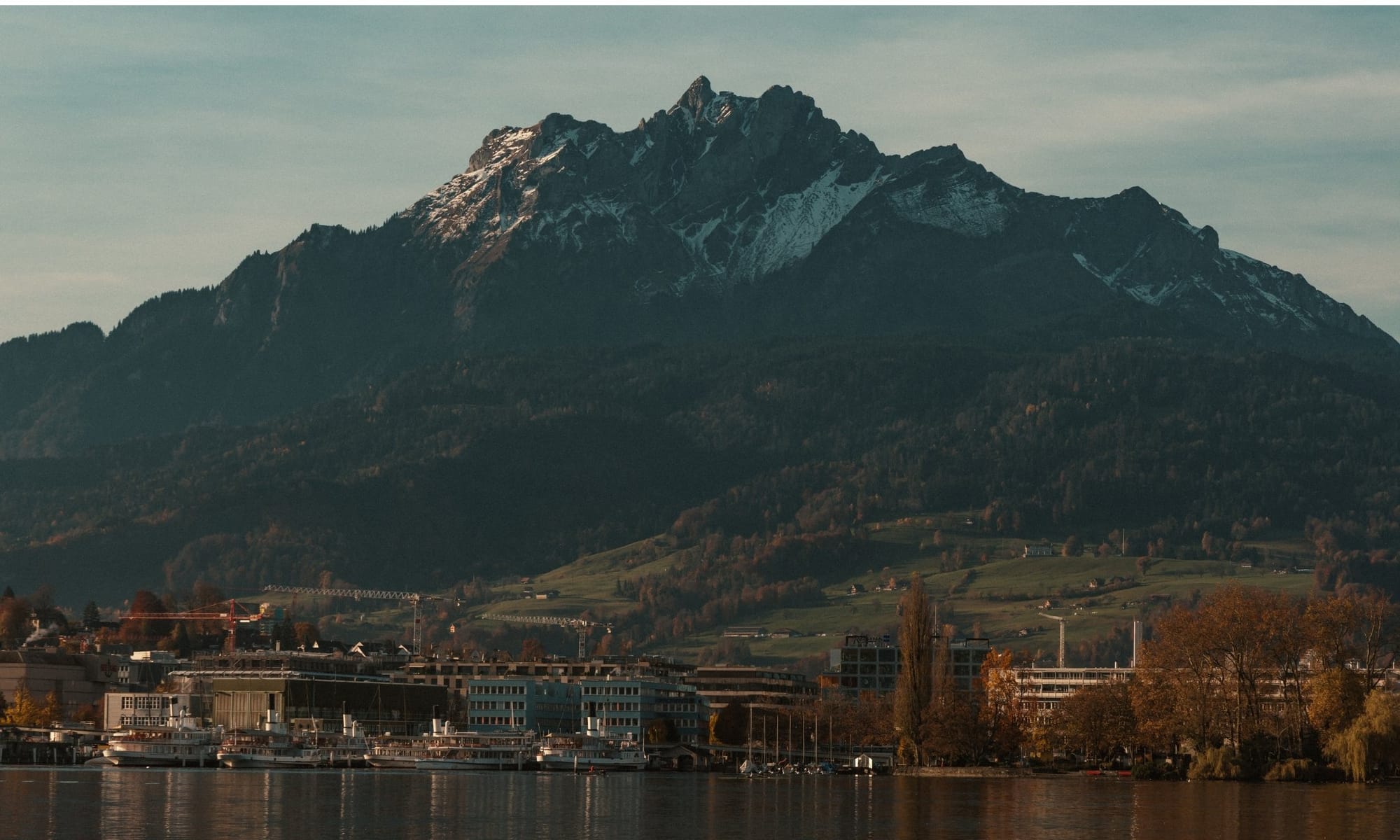
Lucerne gave that lesson a human shape. Raphael Gübelin hosted dinner, and after plates cleared, we stepped onto the terrace that overlooks the lake. Cigars were passed around and conversations drifted to inherited watches, first major buys, and why certain objects stay connected to specific moments and people. The sound of the water against the stone wall carried through the night, and no one reached for their phone. That hour made something obvious. Collecting only matters when the stories and history behind these objects are shared and passed between people who care enough to listen.
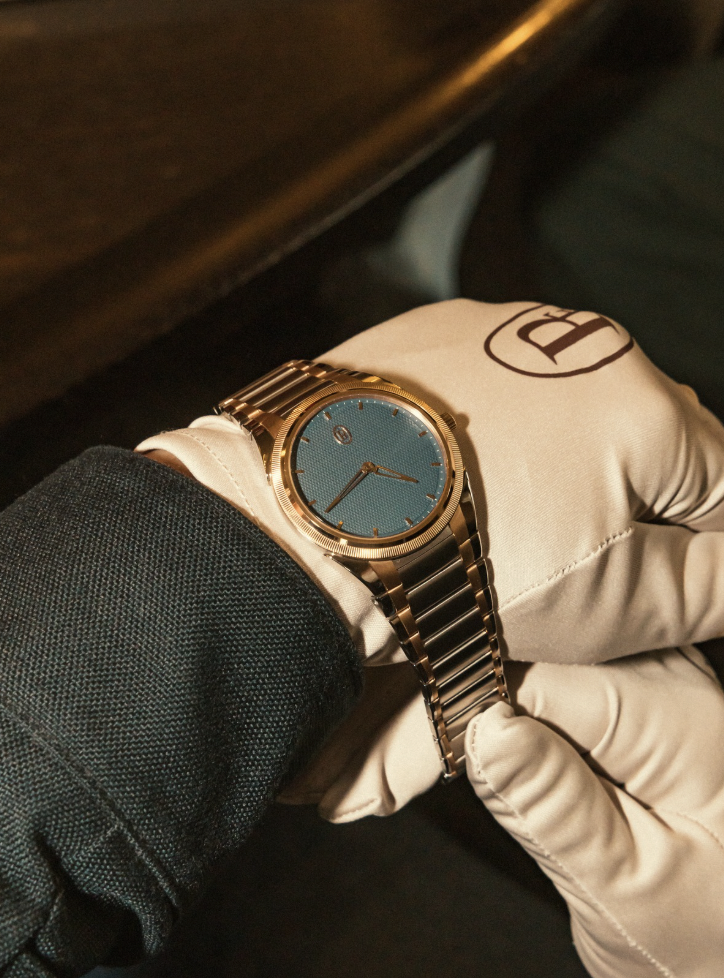
Fleurier came on the road toward Geneva. Parmigiani opened their manufacture and Guido Terreni walked us from current novelties into the restoration atelier, where components from historical movements were laid out on work surfaces. A technician explained how older movement architecture forces different design decisions than modern ones, and how understanding those details is part of their work. Restoration has been intertwined with Parmigiani since the beginning, so seeing the bench felt like entering the roots of the brand in real time.
Geneva closed the week. Ulysse Nardin hosted a Halloween evening. Masks, quiet cocktails, and a small pour of Louis XIII. Most people stayed in the moment instead of watching it through their screens. When the week comes up in conversation now, no one starts with the track or the boutique visits. They talk about the terrace in Lucerne, the braking line in Stuttgart, the restoration bench in Fleurier, and the stretch of forest road where no one thought about anything other than what was right in front of them.
The experience shifted something for both of us. What started as an idea became a clearer understanding of why we build anything at all. Time To Drive worked because it gave people enough space to pay full attention to the same things together. The cars and watches framed the trip, but the meaning sat with the people who showed up, the stories shared, and the hours when everyone was fully present. There are already conversations about where the next chapter should be written.