
What Is Good Design, Really?
People talk a lot about good design.
We say it about a chair, a sneaker, a logo, a building, a watch. But most of the time, what we really mean is that something feels right. It fits quietly into our lives without asking for attention. Good design doesn’t shout. It earns its presence.
At its core, good design is honesty. It isn’t about novelty or noise but about clarity of intention. It’s a kind of empathy made tangible. The best objects anticipate our needs without explanation.
You don’t think about how to open a well-designed door handle. You simply do it, and it feels right. That instant understanding is design at work.
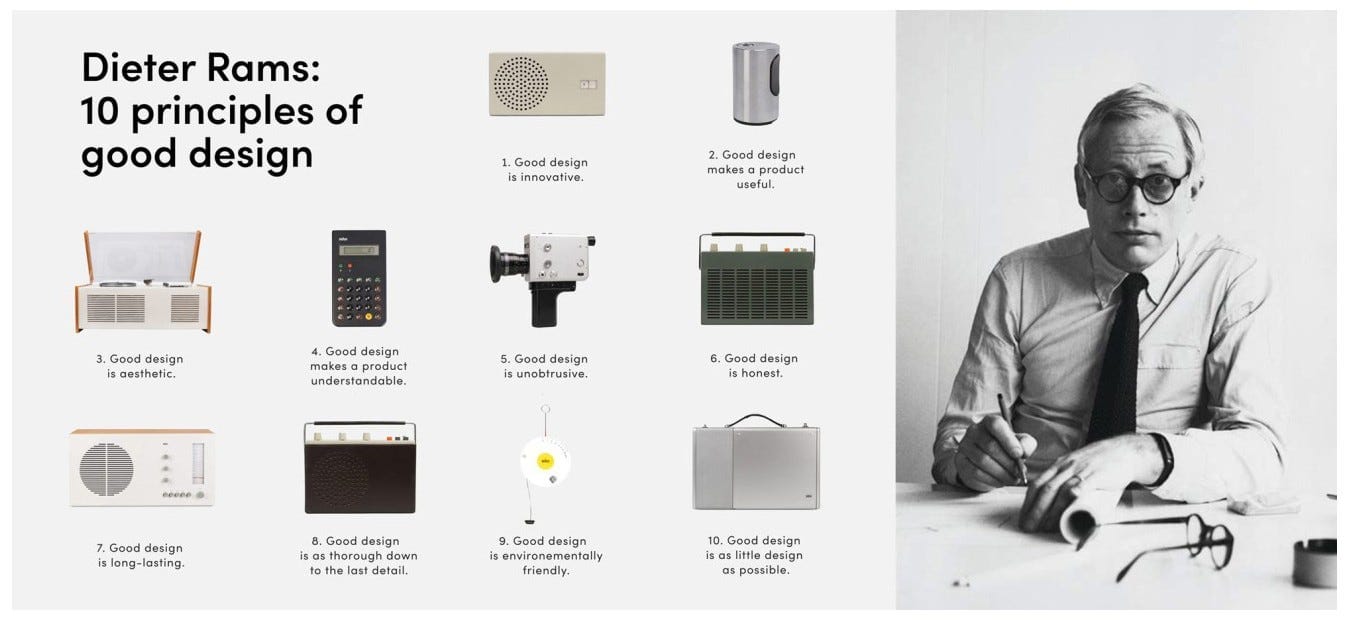
Good design also requires restraint. It’s about removing the unnecessary until only purpose remains. Dieter Rams said it simply: good design is as little design as possible.
When Steve Jobs spoke about Apple, he described beauty as the result of simplification, not decoration. The goal was to reveal the essence of a thing. In that sense, good design is not about perfection but precision.

Japanese design has practiced this for centuries. The principle of kanso values simplicity, shizen values naturalness, and wabi-sabi finds beauty in imperfection. Together they shape an aesthetic that feels both ancient and modern.
A hand-thrown cup, slightly uneven at the rim, can hold more warmth than one made by machine. Its flaw is what makes it human.
That same quiet humility lives in a Muji notebook or a wooden tray by Masashi Ifuji. Each object carries a dignity that comes from being considered, not overdesigned.
There is also ma, the power of space. It’s the pause that gives everything else meaning. In architecture, it might be the gap between two walls that lets light in. In product design, it could be the curve of a phone that rests perfectly in your hand. What’s absent becomes as meaningful as what’s there.
Yet good design isn’t bound to one culture or era. Scandinavian design reaches the same truth through warmth and function. Alvar Aalto’s bentwood stools and Arne Jacobsen’s chairs turned modernism into something humane.
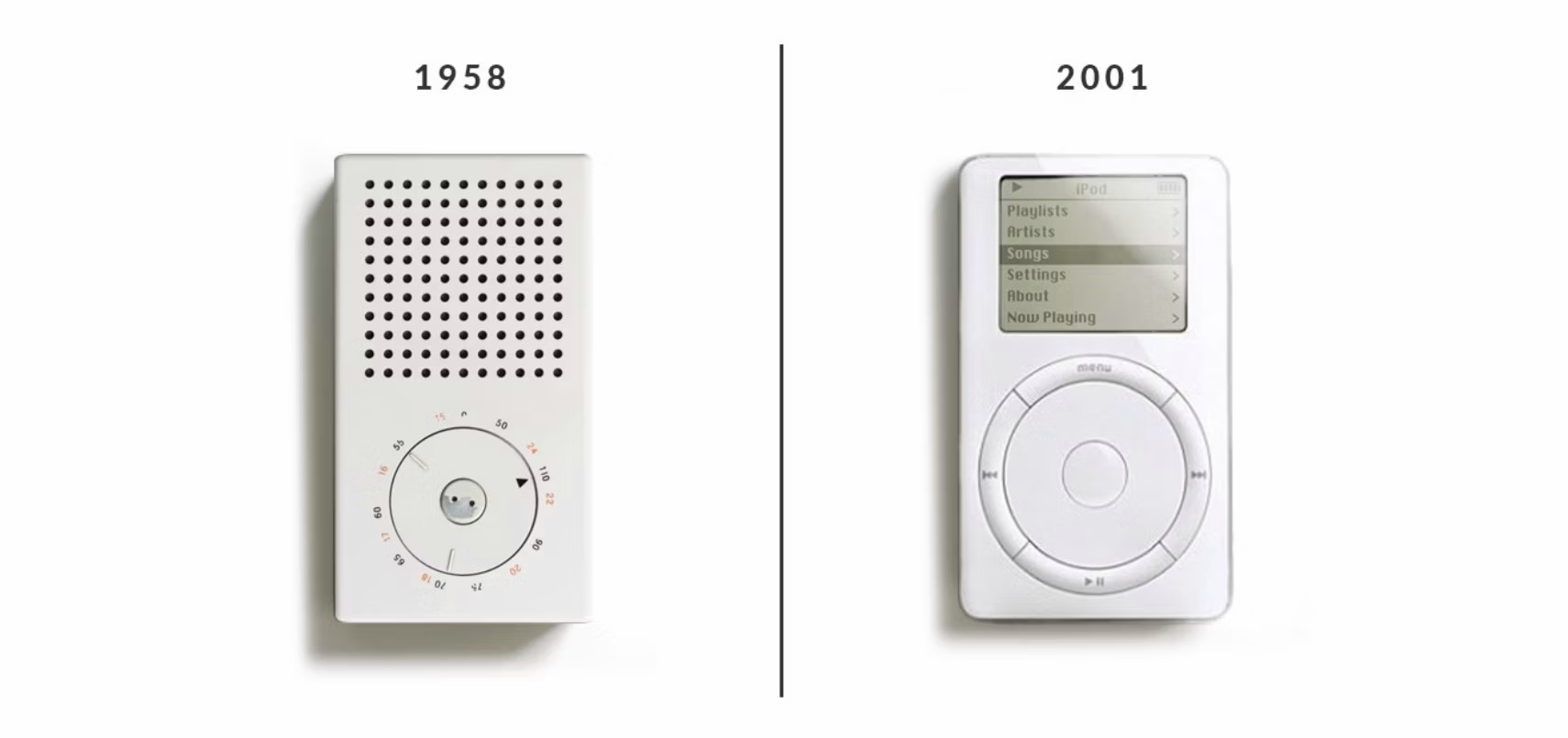
The Bauhaus in Germany found poetry in precision, proving that usefulness could be beautiful. And in Ghana, designers like Jomo Tariku are reclaiming African heritage through sculptural furniture that balances tradition and modernity.
In fashion, good design reveals itself not in logos but in longevity. Think of Hermès, where every stitch serves a purpose and every bag or jacket is built to age with grace. Or Lemaire, whose quiet silhouettes outlast trend cycles. A well-tailored Margiela coat or a simple Auralee shirt earns its place not by shouting luxury but by holding its form year after year.
When fashion slows down enough to focus on material, cut, and touch, it moves closer to design than marketing.

The same truth applies to watches, where form and function meet on the wrist. Dieter Rams and Dietrich Lubs’ Braun AW10 remains a lesson in clarity: no logo, no ornament, just a matte dial and a yellow second hand.
The Seiko 5 made precision democratic. Patek Philippe’s 1932 Calatrava distilled Bauhaus balance into timeless elegance.
And when Gérald Genta sketched the Royal Oak for Audemars Piguet, he made industrial honesty desirable by exposing the mechanics.
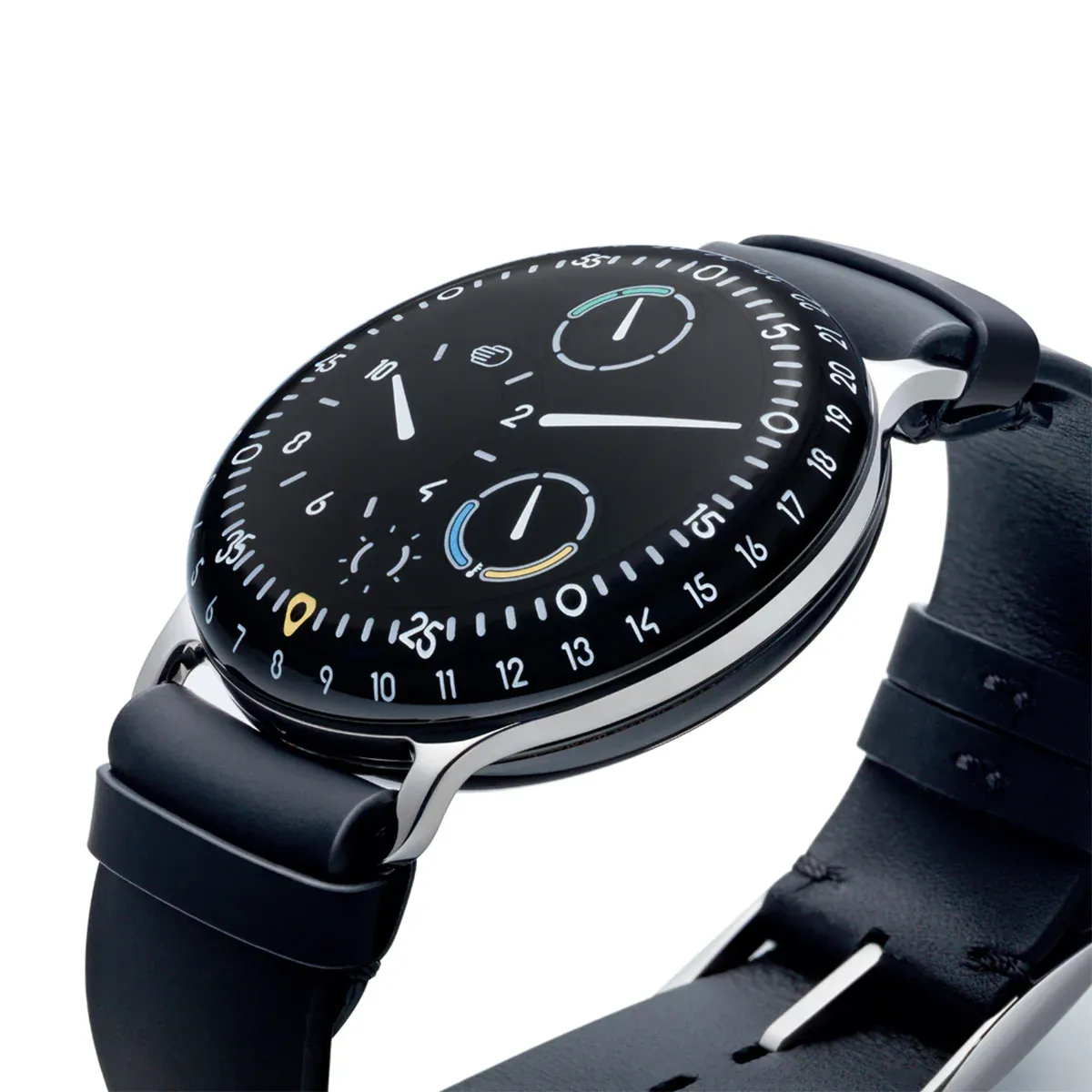
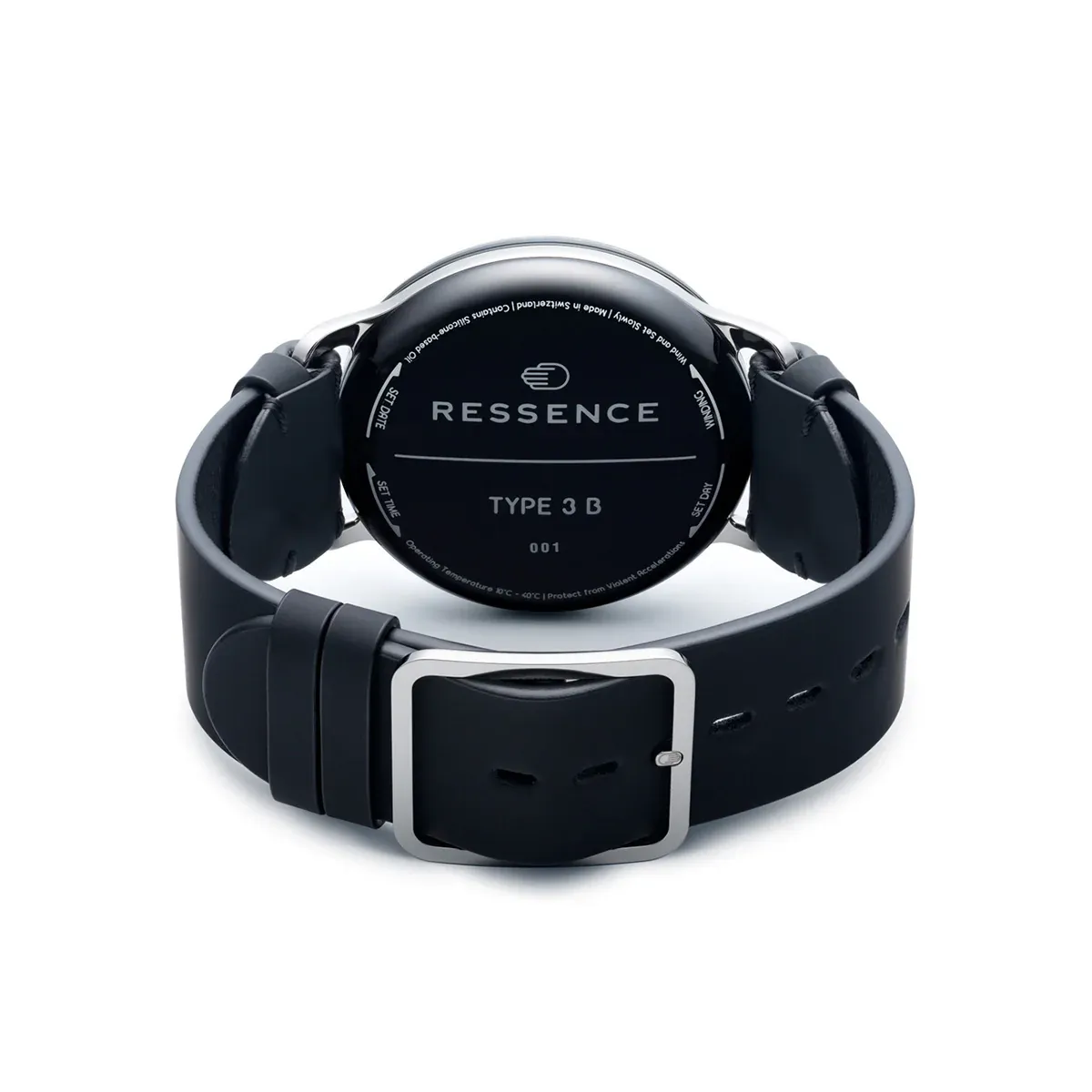
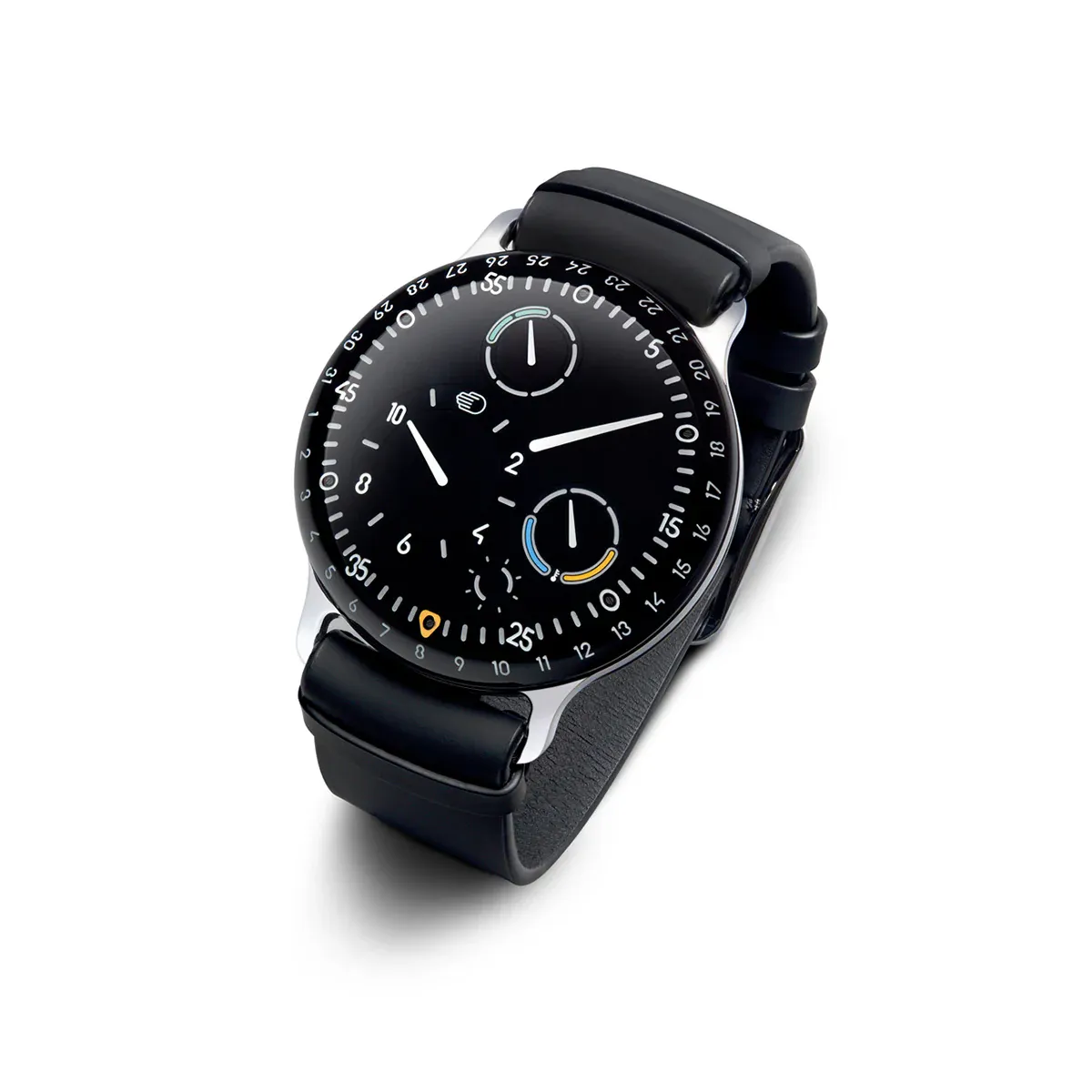
Even the Ressence Type 3, with its liquid-filled dial and frictionless discs, shows how innovation can still feel human. The best watch designs, like the best buildings, make time itself feel tangible.
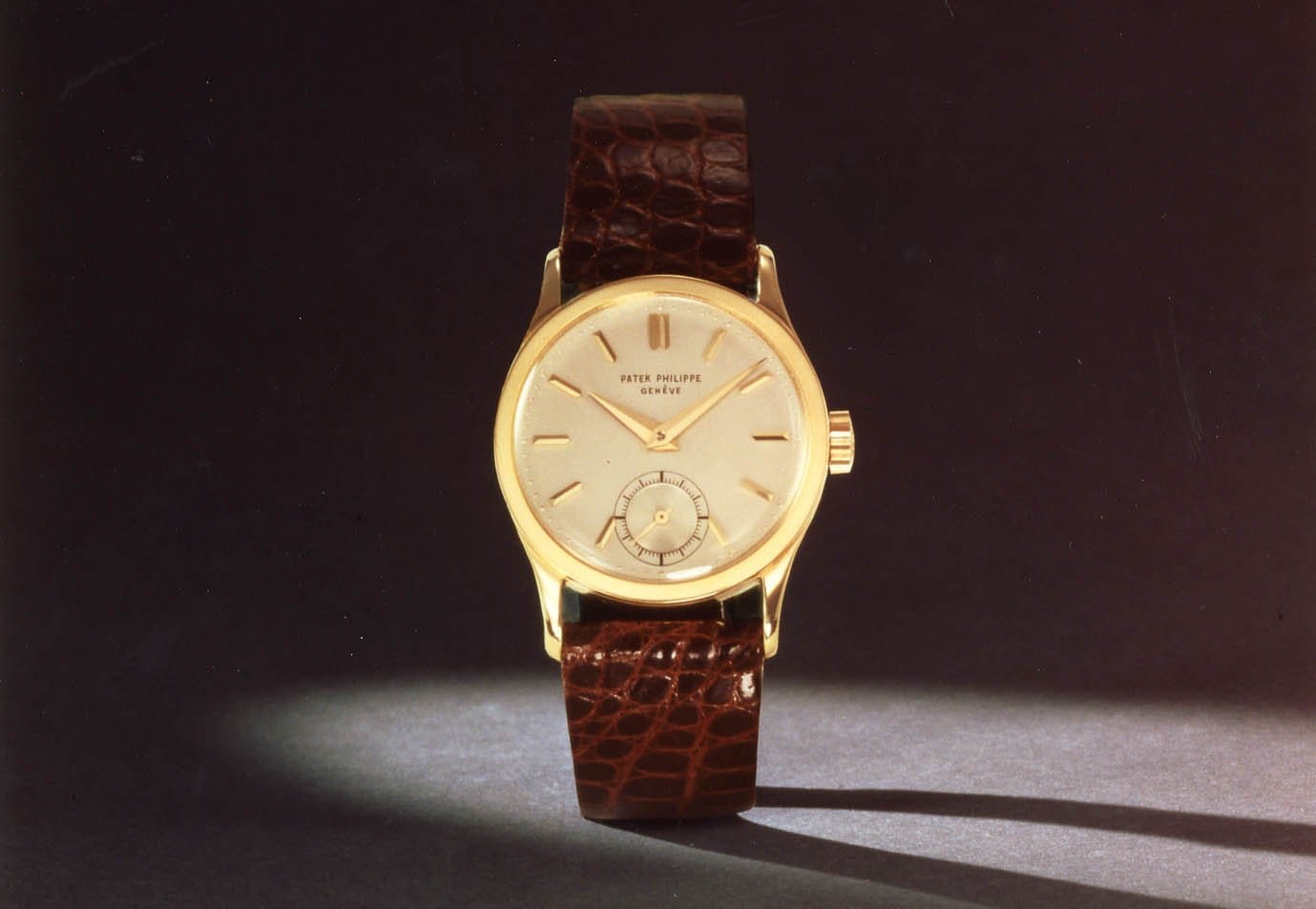
Good design doesn’t have to be expensive or exclusive. The Swatch made time playful again. The Seiko 5 made it accessible. The Apple Watch made it part of daily rhythm. Whether mechanical or digital, luxury or mass, the principle stays the same: clarity, empathy, and trust.
Because at the end of the day, good design is about trust. A well-balanced pen, the quiet click of a hinge, the feel of a ceramic bowl that fits naturally between your palms, these are details most people overlook but never forget once they’re felt. They create a sense of reliability, a small but powerful faith in the object and its maker.
That trust is what makes design timeless. The best designs don’t chase relevance; they sustain it. They evolve subtly but never lose their center. They adapt to culture without losing their integrity.
That’s why a Braun radio from the 1960s, a Calatrava from the 1930s, or an iPhone from a decade ago still feel modern. They were built with care and conviction.
In the end, good design isn’t a style or a checklist. It’s a relationship. It’s what happens when form, function, and feeling align so completely that you stop noticing the design at all. What remains is an experience, intuitive, human, and quietly alive.
If something still feels right when no one’s watching, it’s probably good design.