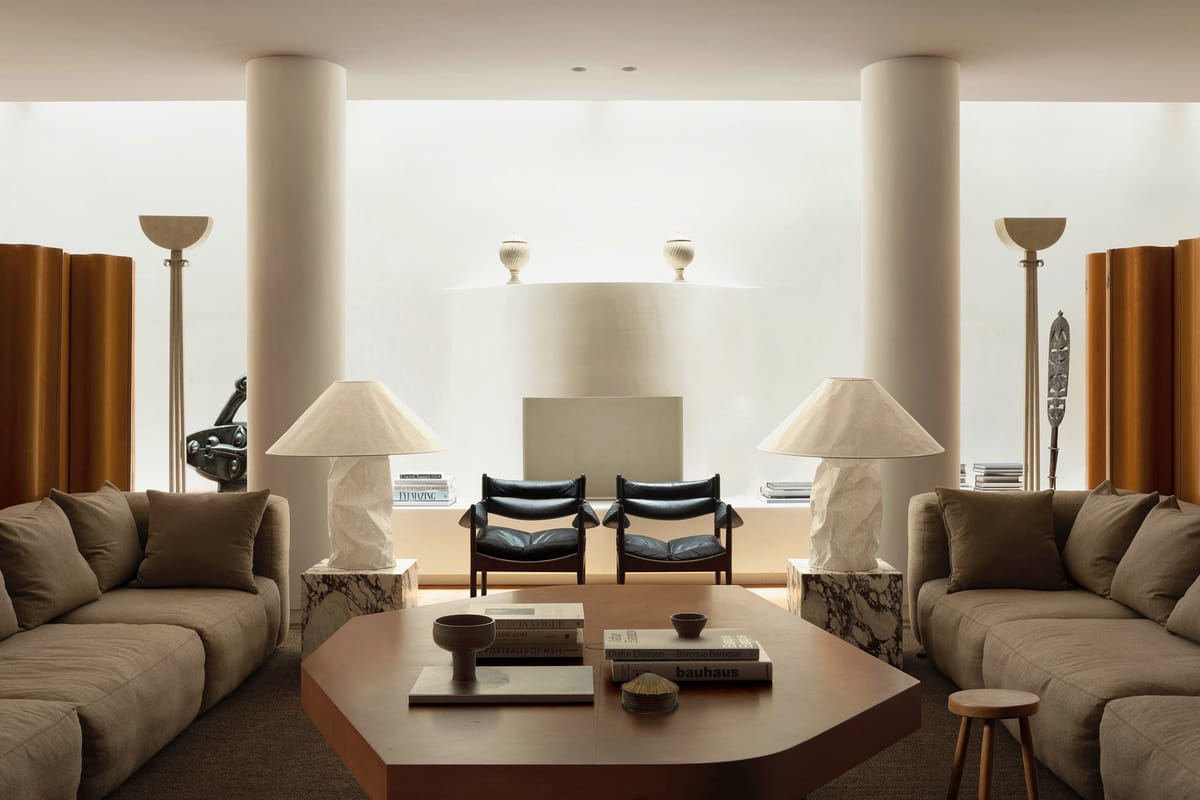
Quiet Luxury Isn’t a Vibe Shift. It’s a Vocabulary Problem
Quiet luxury wasn’t a movement. It was a misunderstanding. It took off because it was easy to copy: beige sweaters, neutral palettes, a little Kendall Roy cosplay. TikTok turned it into a mood board. Press turned it into shorthand for wealth. Somewhere along the way, the original idea collapsed into an aesthetic shortcut for “expensive things pretending not to try.”
But the truth becomes obvious the second you see real craft in person. Good design isn’t quiet. It’s considered. It can feel calm or minimal, but it is never shy. When something is truly well made, the confidence shows without needing to announce itself.
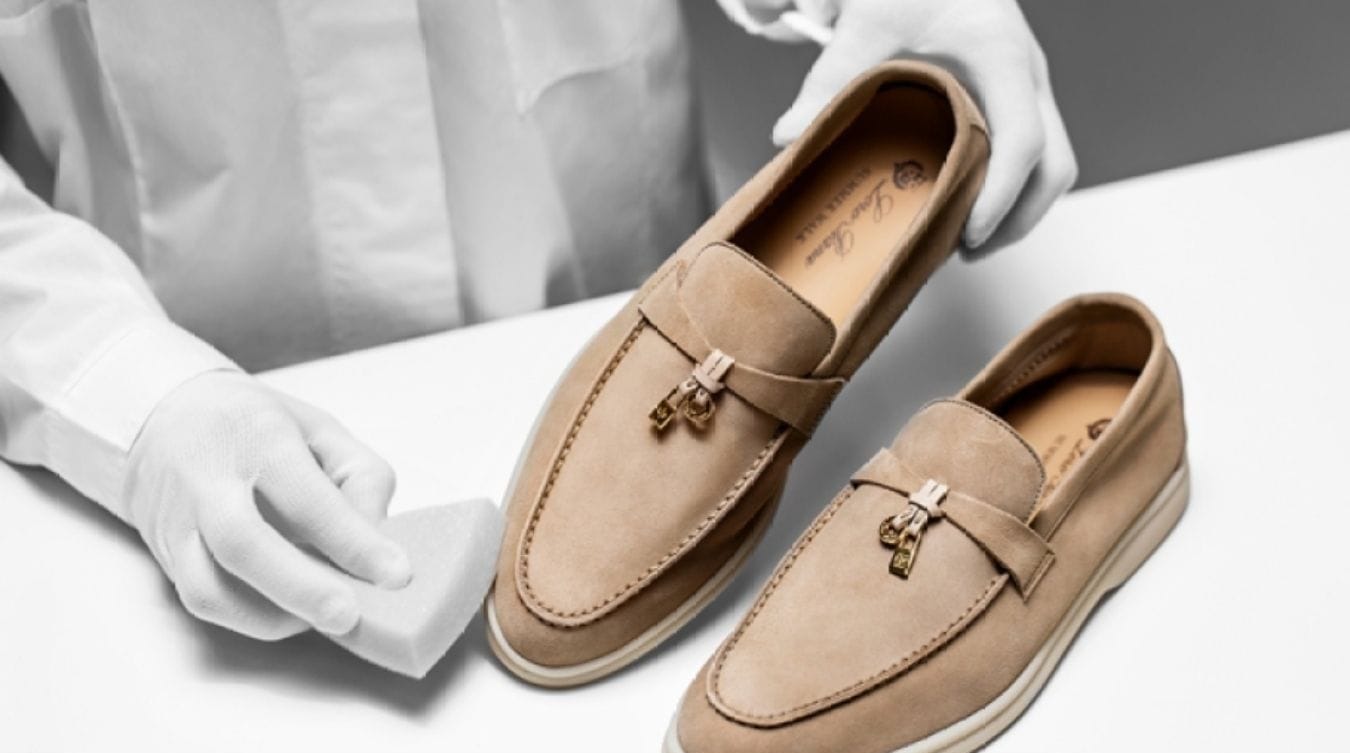
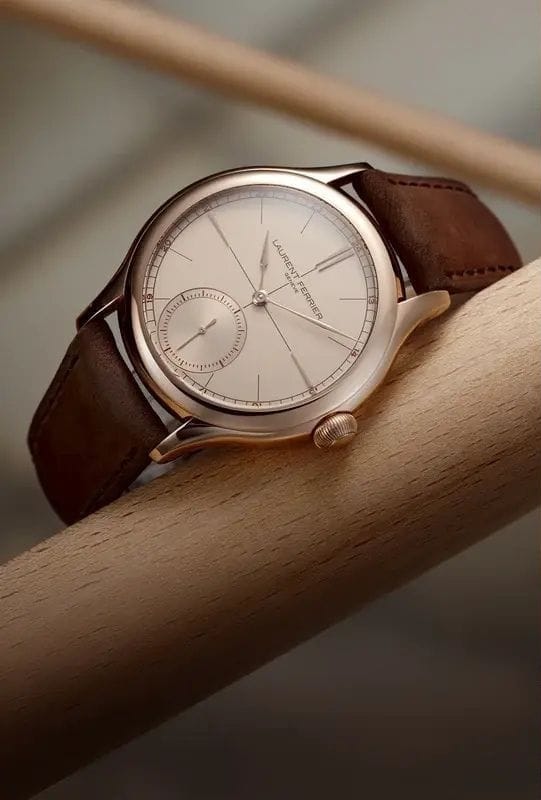
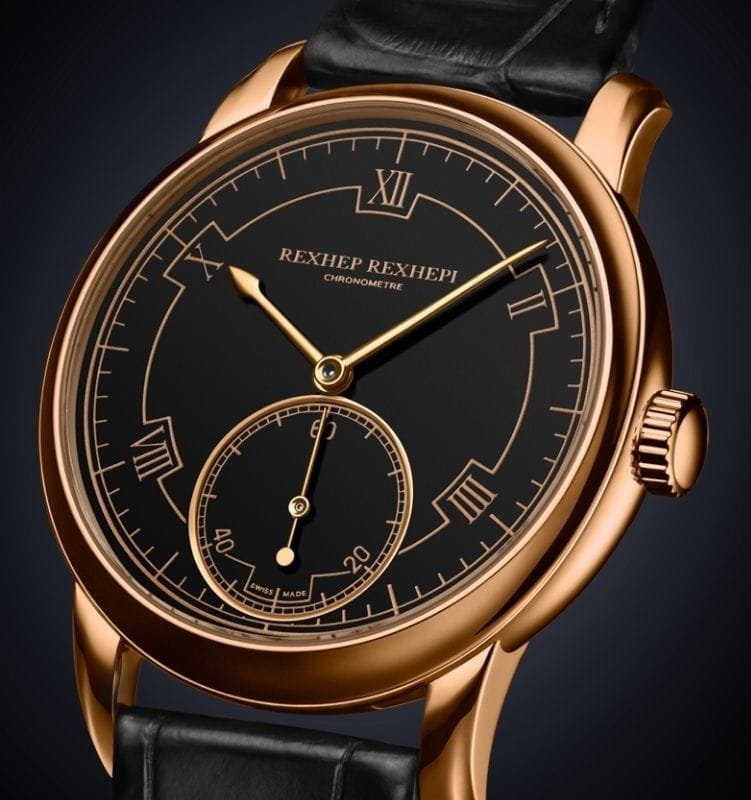
Watches make this clear immediately. Pick up a Voutilainen from the Swiss independent known for sculpted bridges and deep, hand-finished dials. Pick up an AkriviA from Rexhep Rexhepi, whose workshop treats movement architecture almost like a belief system. Pick up a Laurent Ferrier, the former Patek engineer whose pieces appear serene at first, then reveal their intensity the longer you sit with them. None of these watches fit the “quiet luxury” script. They aren’t whispering. They’re speaking with calm precision.
Interiors tell the same story. Jon de la Cruz, the San Francisco designer known for warm minimalism edged with humor, can build a serene room and break the symmetry with a faux bois table topped with a sculpted bird.
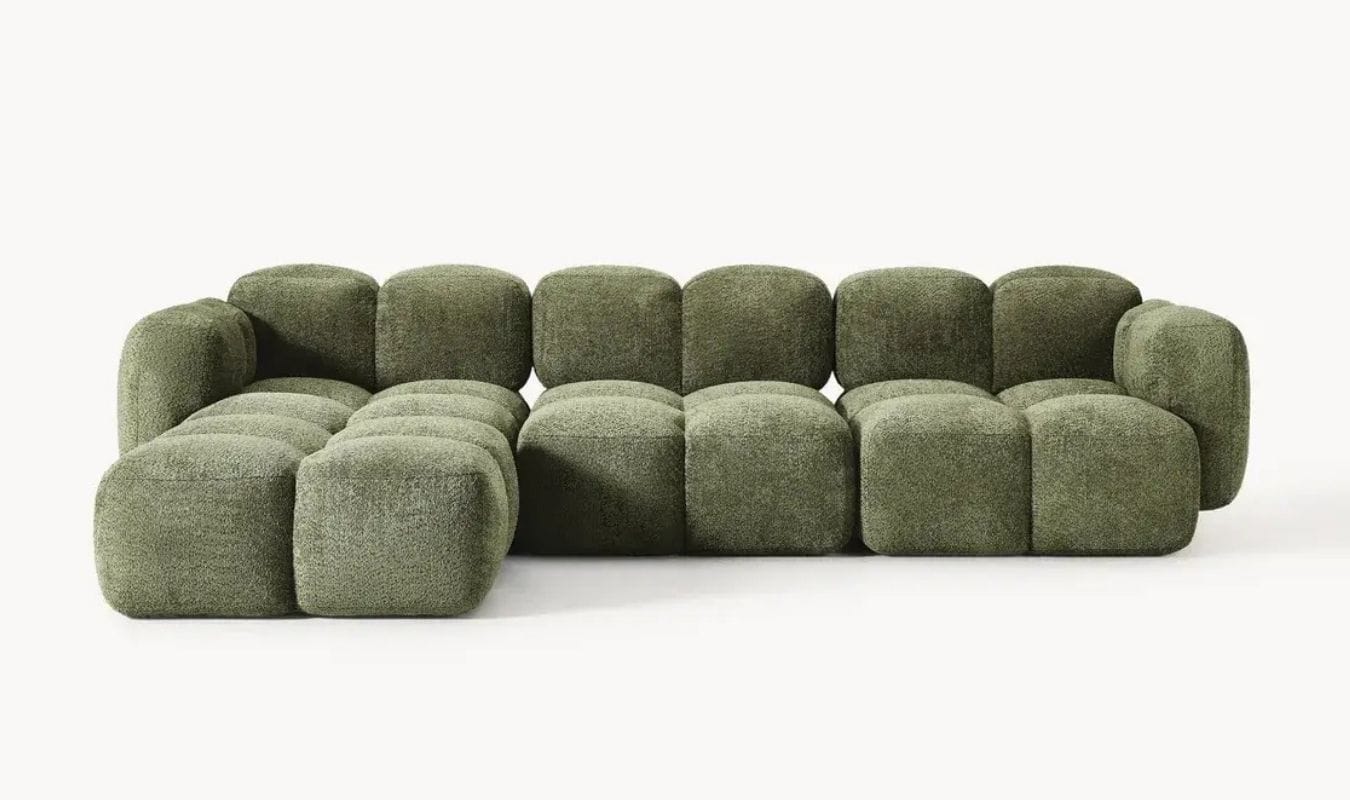
Child Studio, the London duo blending cinematic color with midcentury restraint, will line a wall with wood and hide a slab of marble behind the shelving so it only reveals itself when the light shifts. These are not loud gestures. They’re intentional ones. They show that restraint and personality can coexist when the designer knows exactly what they want the room to say.
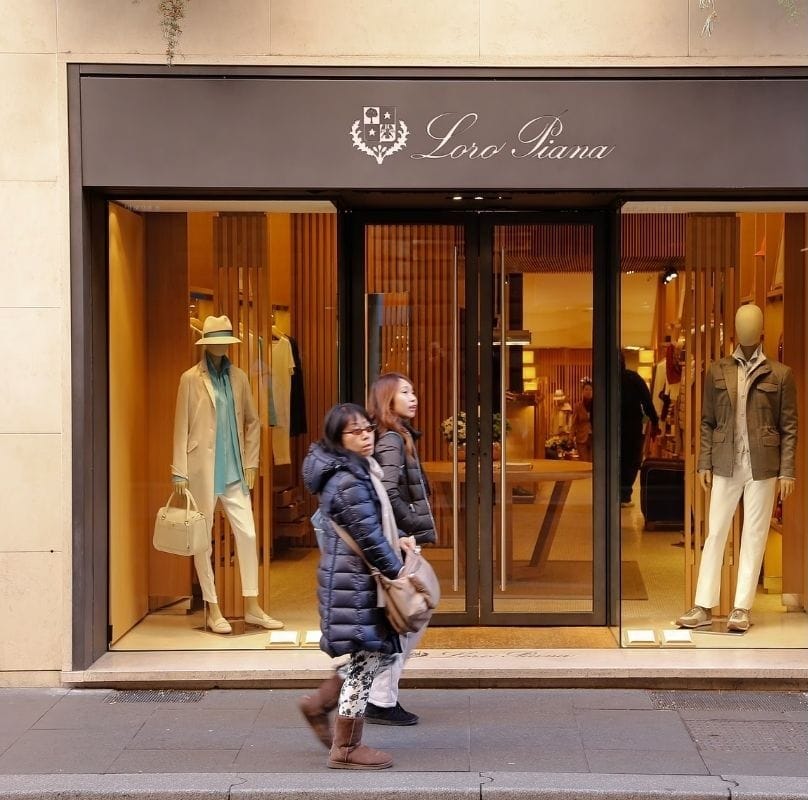
Across categories, people reached for quiet luxury because it felt like a correction to chaos. The world was loud, the feeds were chaotic, and minimalism looked safe. But the trend lost meaning the minute it turned into a uniform, the minute it became a costume, the minute simplicity got repackaged as virtue. Quiet luxury became the easiest way to look expensive without saying anything at all. That is the opposite of good design.
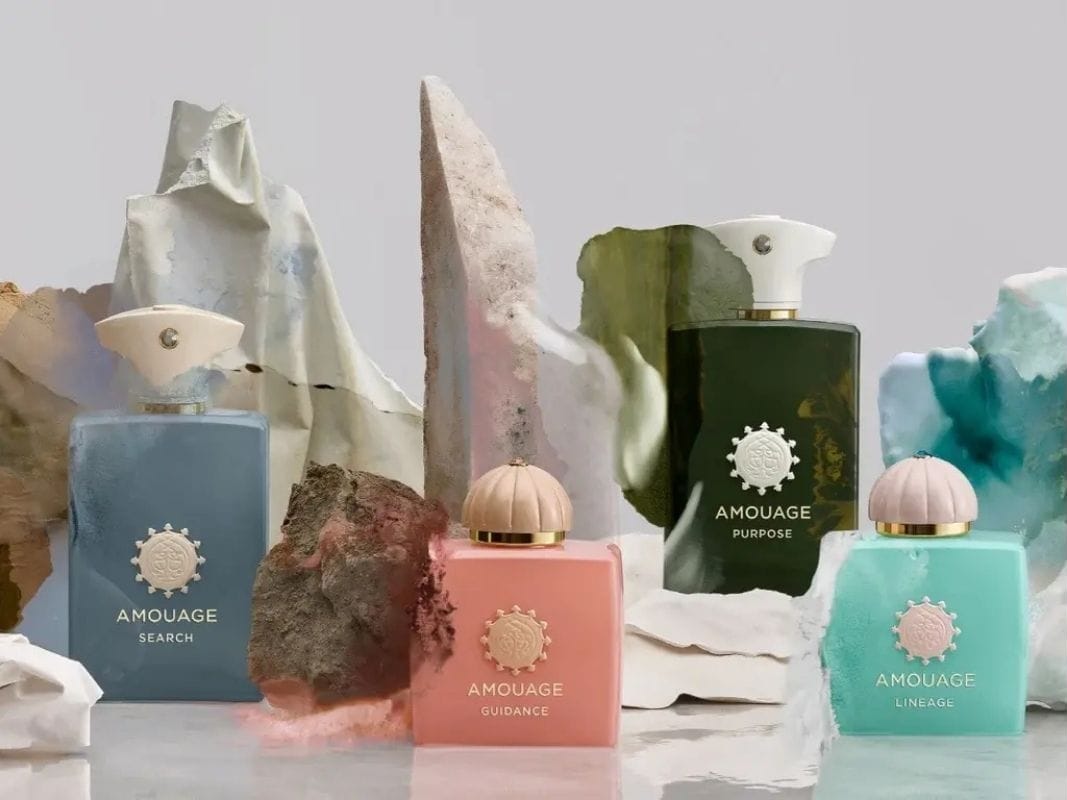
Good design lives in detail. It lives in problem-solving. It lives in choices that take time, intention, and a point of view. MoMA’s original Good Design philosophy wasn’t about subtlety for subtlety’s sake. It was about integrity and accessibility. It championed objects that improved daily life through thoughtful construction, whether a chair, a camera, or a household tool. When you hold those objects now, they still feel relevant because they were built with purpose, not posture.

That is the real shift happening now. Not quiet luxury. Not loud luxury. Meaningful design. Pieces that earn their presence. Pieces that show their confidence through proportion, craft, and intelligence. Pieces that don’t need a logo, trend cycle, or class narrative to justify themselves.
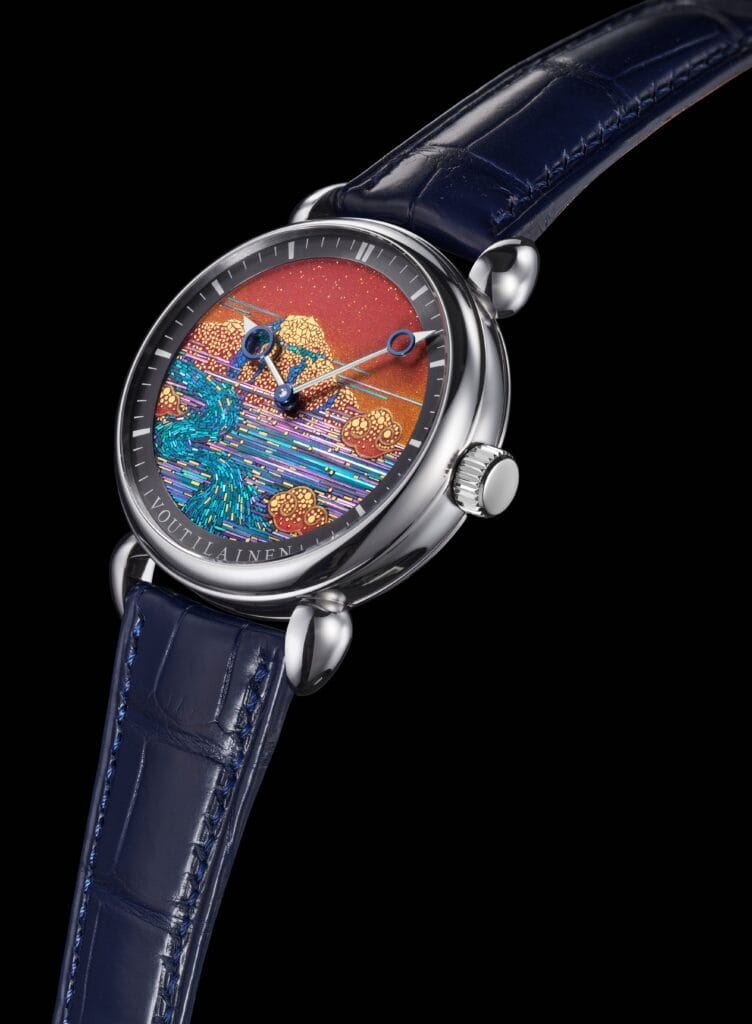
A Voutilainen bridge with mirrored anglage. A de la Cruz curtain detail stretching tassels across an entire span. A Lina Bo Bardi bowl chair adjusting to your posture like it already knows you. A scent that stays in the room long after you step out the door. These aren’t quiet or loud. They are simply good. And good will always outlast whatever the algorithm decides to promote next.