The Omakase That Doesn’t Care About Hype, Just Time Itself
New York has so many luxury omakase counters now that they might as well hand out Metrocards with the uni. Counters keep popping up faster than coffee shops, each trying to outdo the next with louder prices, louder rooms, or louder toro. At some point, the whole scene started to feel like everyone was reading from the same script.
Then Yūgin opened and did something unusual. It made quiet feel ambitious.
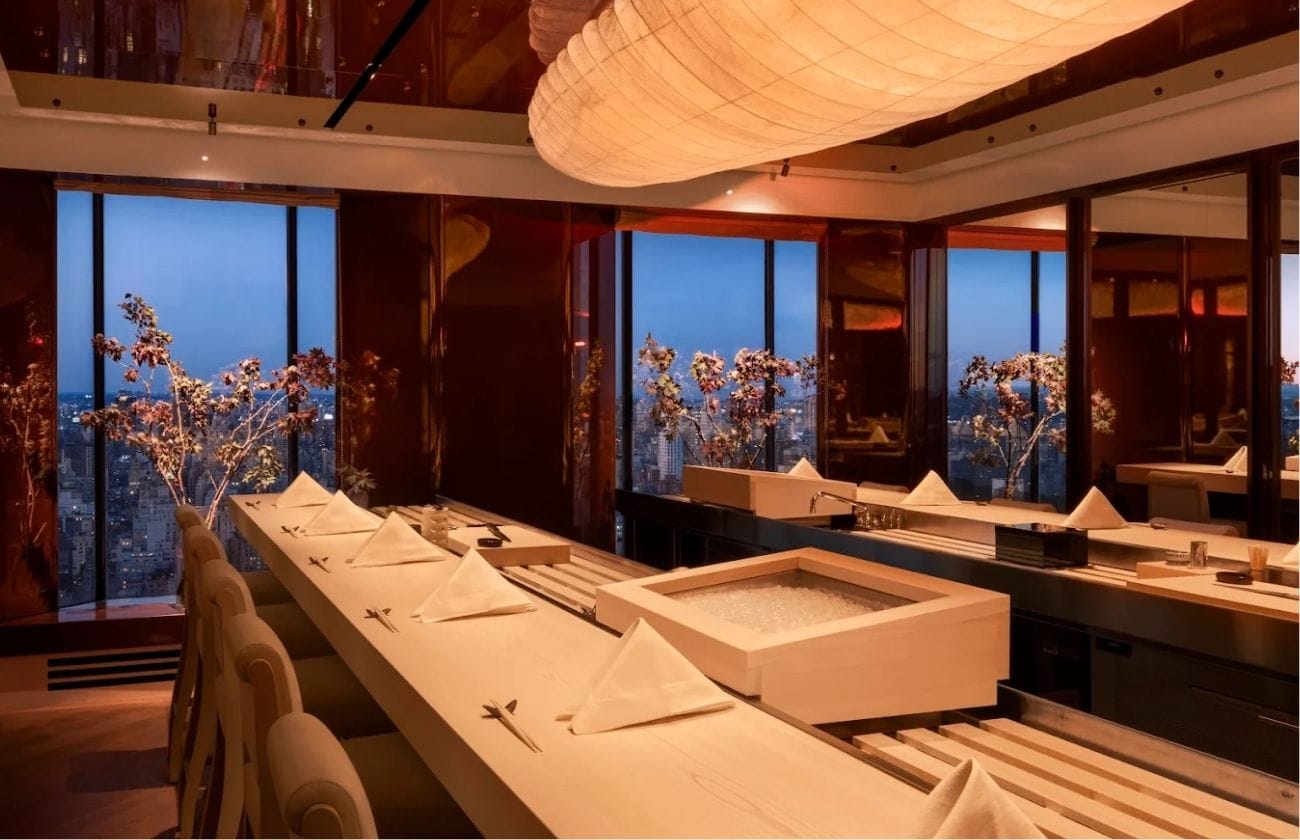
The restaurant sits thirty-seven floors above Midtown, tucked inside a private club where the noise of the city feels like it is happening somewhere far off. Twelve seats. No phones. No theatrics. Just a room that seems to inhale slowly before anything begins.
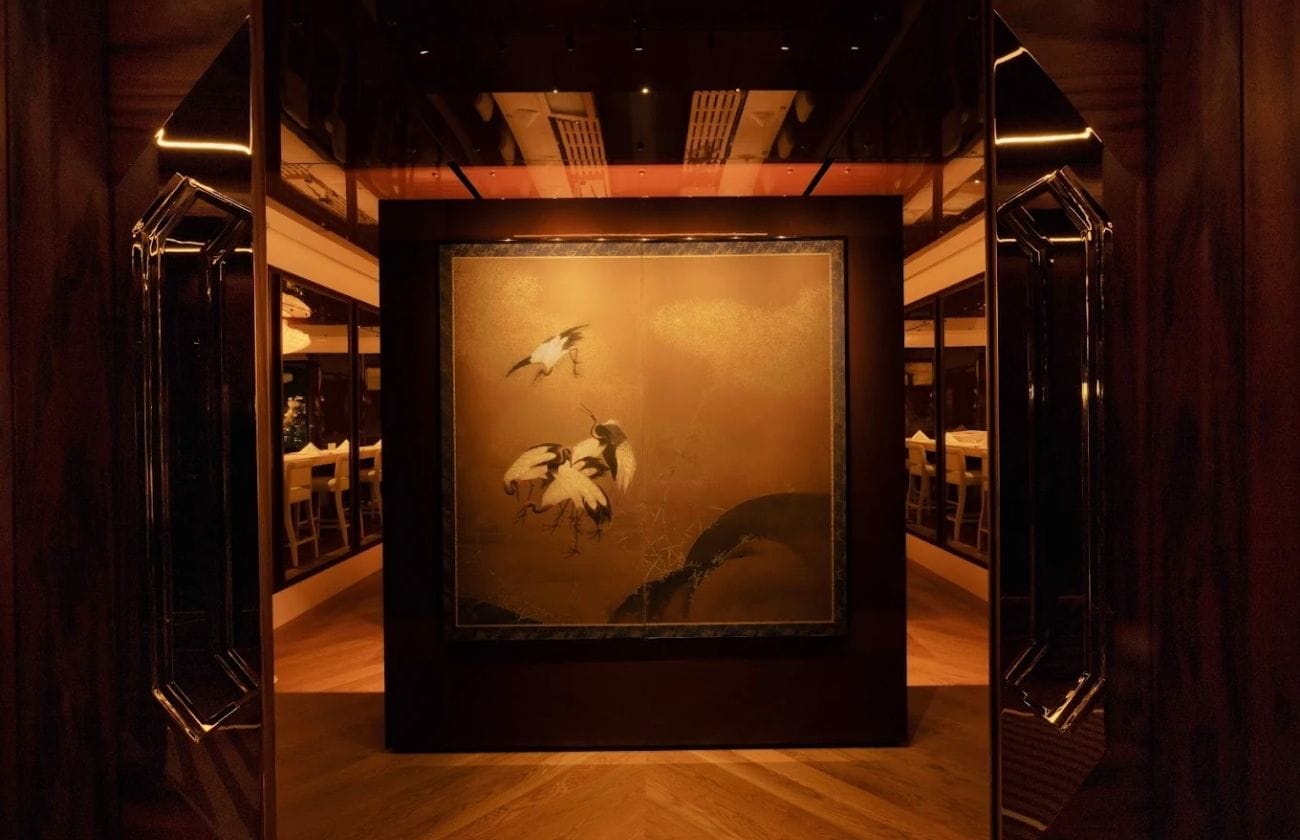
The counters are carved from a two-hundred-year-old hinoki tree and the ceramic plates feel like objects a person has lived with for decades. It feels like a place designed for noticing, right down to the grain in the hinoki wood.
The chef behind it, Eugeniu Zubco, did not grow up dreaming of sushi. He grew up in Moldova, cooked across Europe, spent a year in Vietnam learning wok technique, and eventually landed at a three-Michelin-starred institution many diners have heard of even if they have never stepped inside: Masa.
For those unfamiliar, Masa is the New York sushi temple where a meal can cost as much as a roundtrip flight to Tokyo. It built its reputation on strict discipline and a rule that forbids photography. The idea is simple. Sushi dies the moment it waits.
Zubco carries that discipline into Yūgin, but he does not carry the stiffness. The feeling in the room is calmer, more deliberate, almost meditative. You hear the quiet scrape of a knife on a board. You notice how he uses the side of his hand to adjust fish instead of tongs. Between courses, he wipes the counter with the same patience someone might use to clean a camera lens.
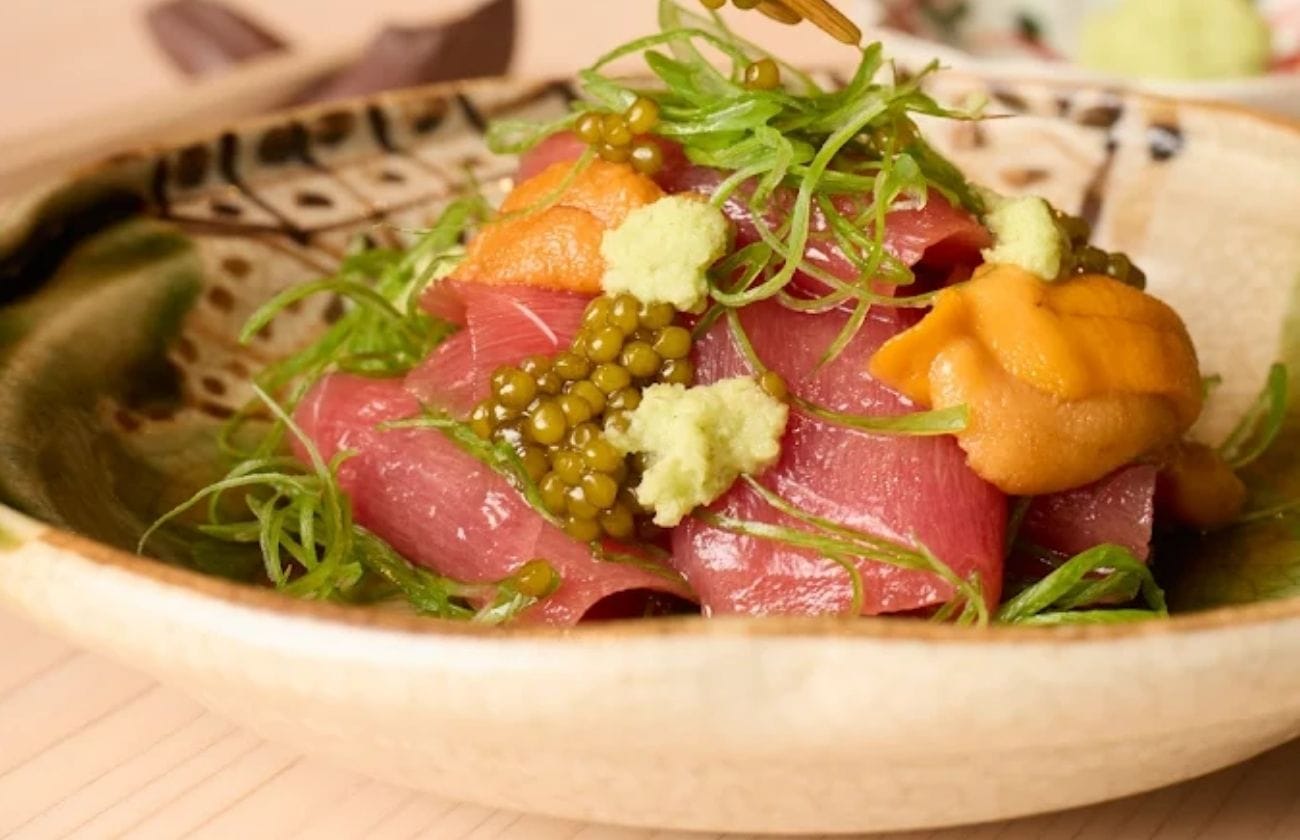
If you have never sat for omakase, imagine handing the entire structure of your meal to one person. Every bite arrives in a sequence the chef controls: temperature, texture, acidity, pacing. At Yūgin, that pacing follows Japan’s seventy-two micro-seasons, each representing subtle shifts in ingredients and climate. It is not a theme or a gimmick. It is a way of cooking that makes the meal feel like a slow turning calendar.
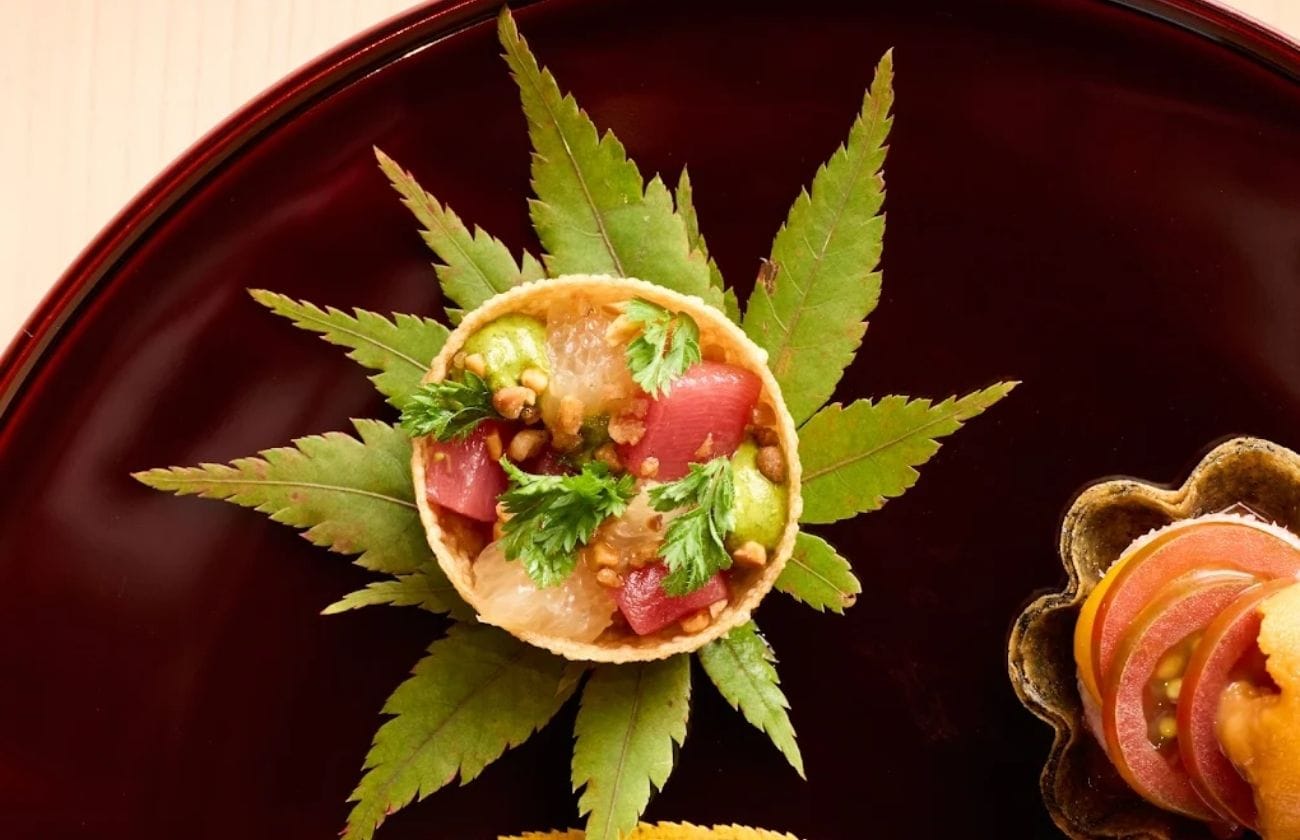
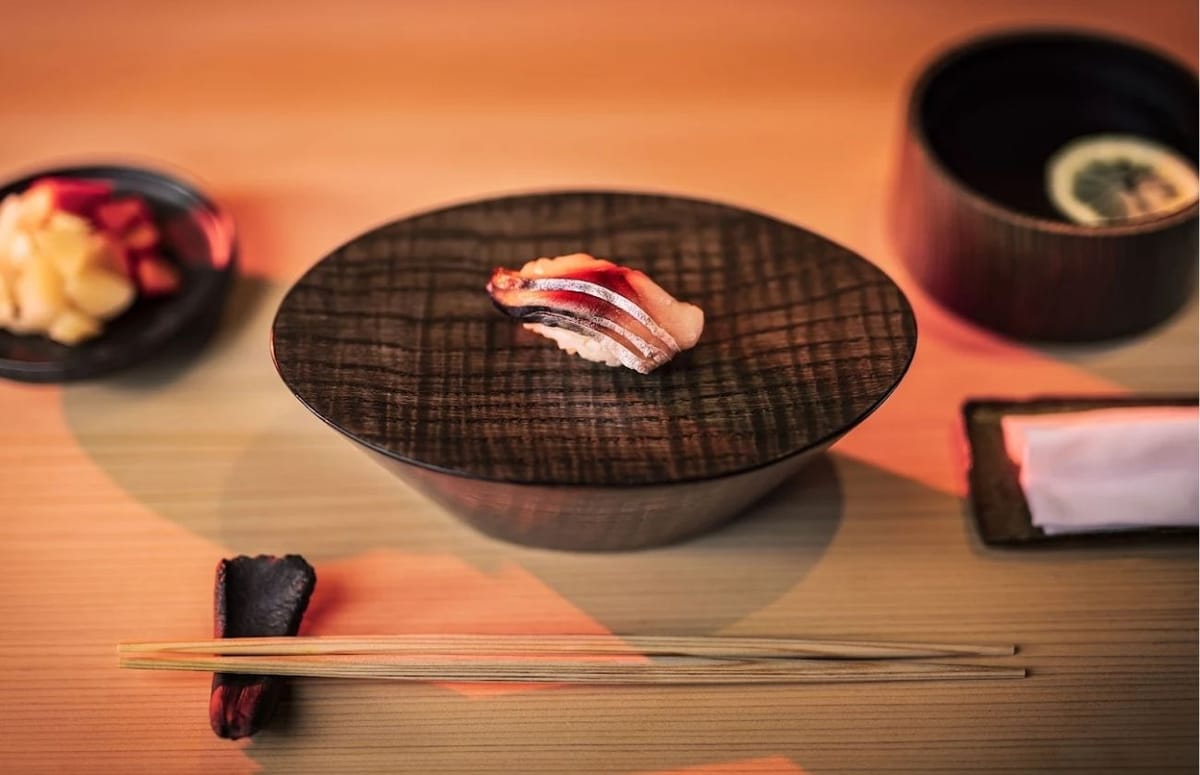
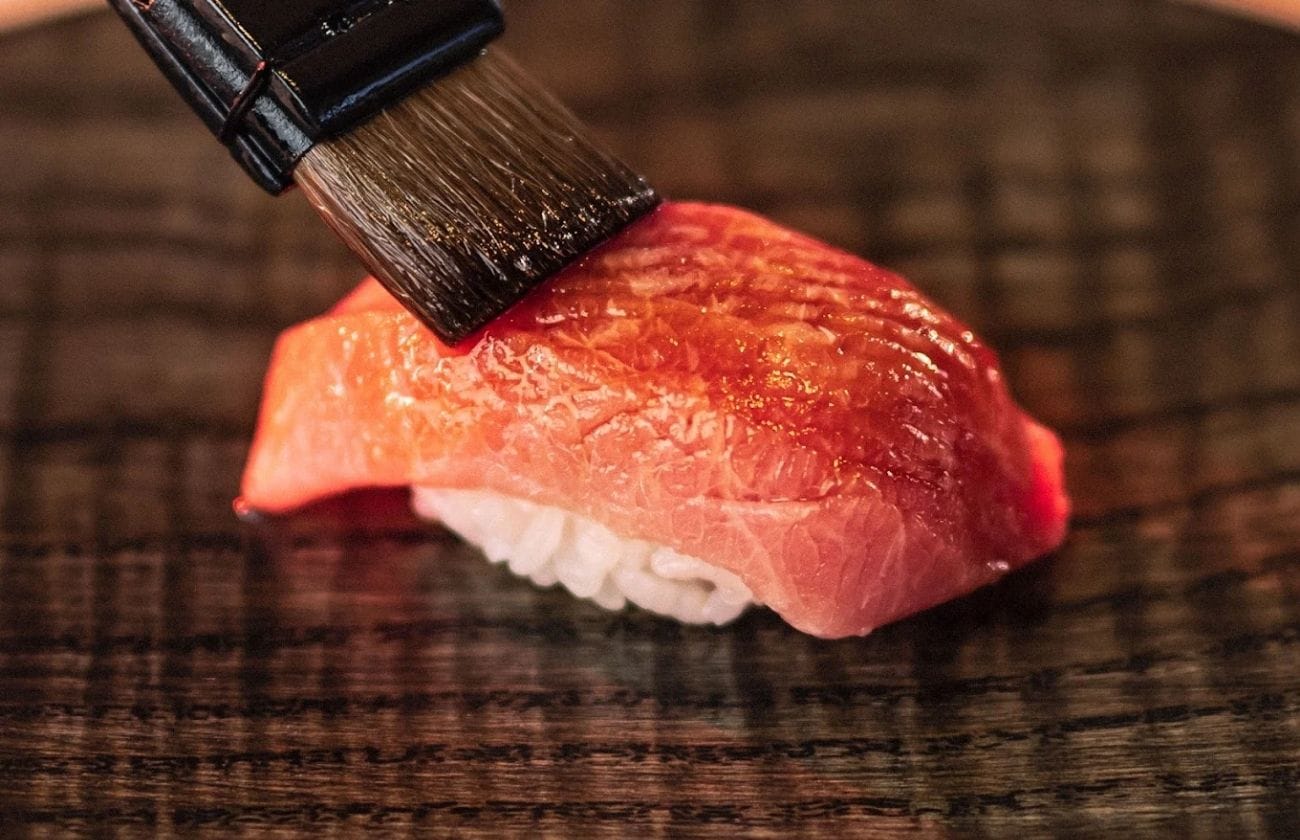
The food reflects it. New York has leaned heavily into aged fish and big cuts. Zubco goes the other direction. His early dishes hit with brightness and contrast. His nigiri is smaller, tighter, more Southern Japanese in spirit. He folds in the European techniques he picked up abroad without ever overshadowing the fish. You get moments like a slice of snapper brushed with vinegar he ferments himself, so bright it almost resets your palate
Ingredients come from auctions and farms that only a few U.S. restaurants have access to. A5 Ohmi wagyu. Wazuma wasabi. Custom caviar. It all sounds extravagant, but the presentation is quiet. Nothing arrives with smoke or staging. You do not need a waiter to explain the trick. The dishes make sense on their own.
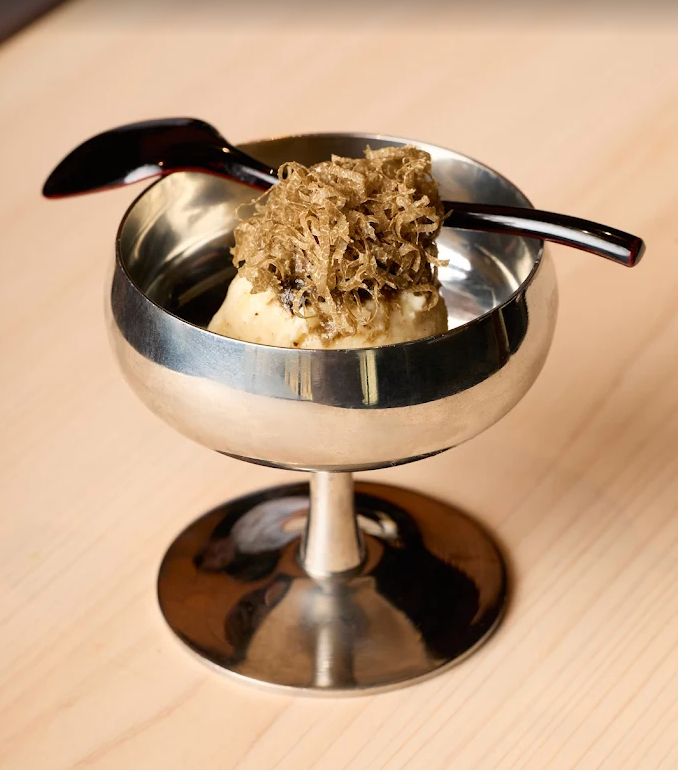
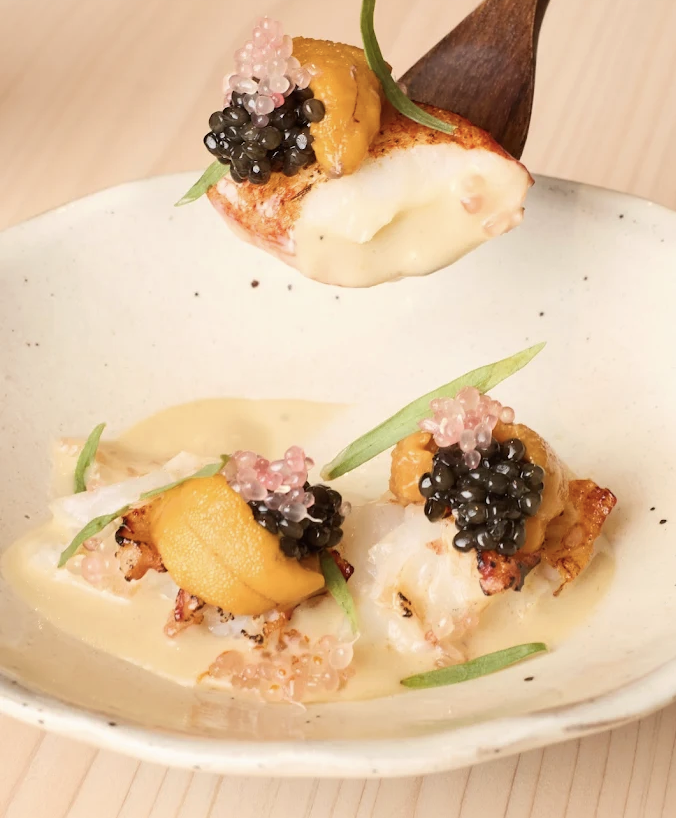
What Yūgin really offers is something New York rarely gives anyone: a different sense of time. You remember the heat of the plate under cold fish. You notice the way the skyline sits just outside your peripheral vision. You register how each course shifts rhythm without ever interrupting the calm. It is not luxury as excess. It is luxury as focus.
Yūgin is not competing in the omakase Olympics. It feels like an antidote to it. In a city addicted to speed and spectacle, Yūgin proves the rarest flavor left is attention.