Ferrari Sheppard on Time, Survival, and Choosing What to Live With
Ferrari Sheppard didn’t come to watches through inheritance, institutions, or flex. He came to them the same way he came to painting: slowly, after years of sleeping on floors and instability, once time finally felt like something worth marking.
When Sheppard began approaching forty, he did what many artists rarely allow themselves to do. He paused. He decided to commemorate survival. The symbol he chose wasn’t celebratory or loud. It was time itself. His first serious watch was a 36mm Rolex, not bought as an investment, but as a marker of endurance. Something earned. Something to live with.
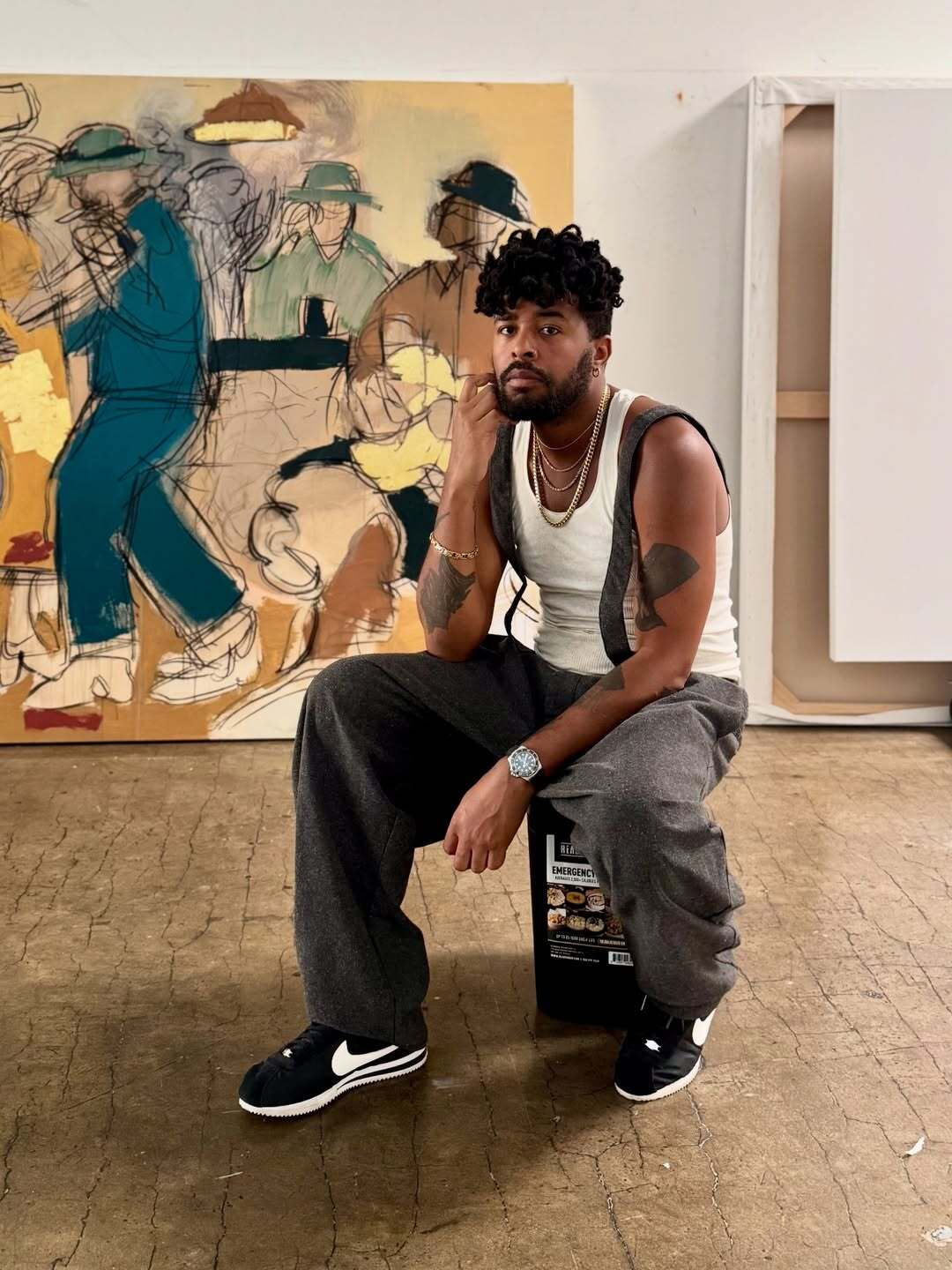
In conversation with Perri Dash, Super Niche’s founder, Sheppard traces how curiosity turned into commitment. Learning how an automatic movement works, how the motion of the body keeps time alive, felt less like luxury and more like technology doing what it’s meant to do. Useful. Elegant. Honest. The weight mattered. The restraint mattered more.
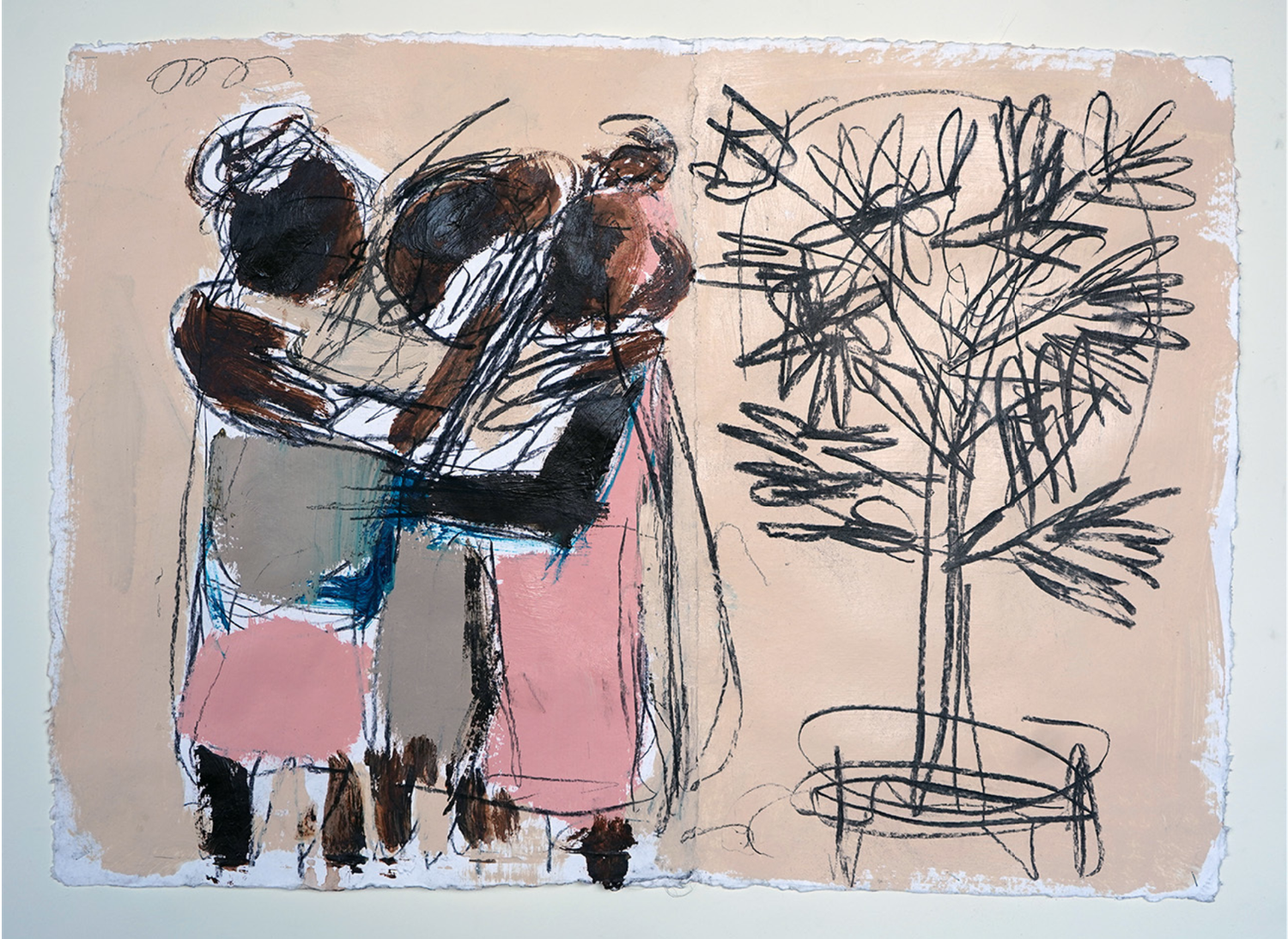
That restraint shapes how he collects. Sheppard is openly skeptical of scarcity narratives, in watches and in art alike. He’s dismissive of systems that reward spending history over genuine connection, whether it’s a retailer holding steel models hostage or galleries forcing collectors to buy four emerging artists to access one Ferrari Sheppard painting. When those systems crack, artists become collateral damage. He wants no part in that.
 Perri Dash
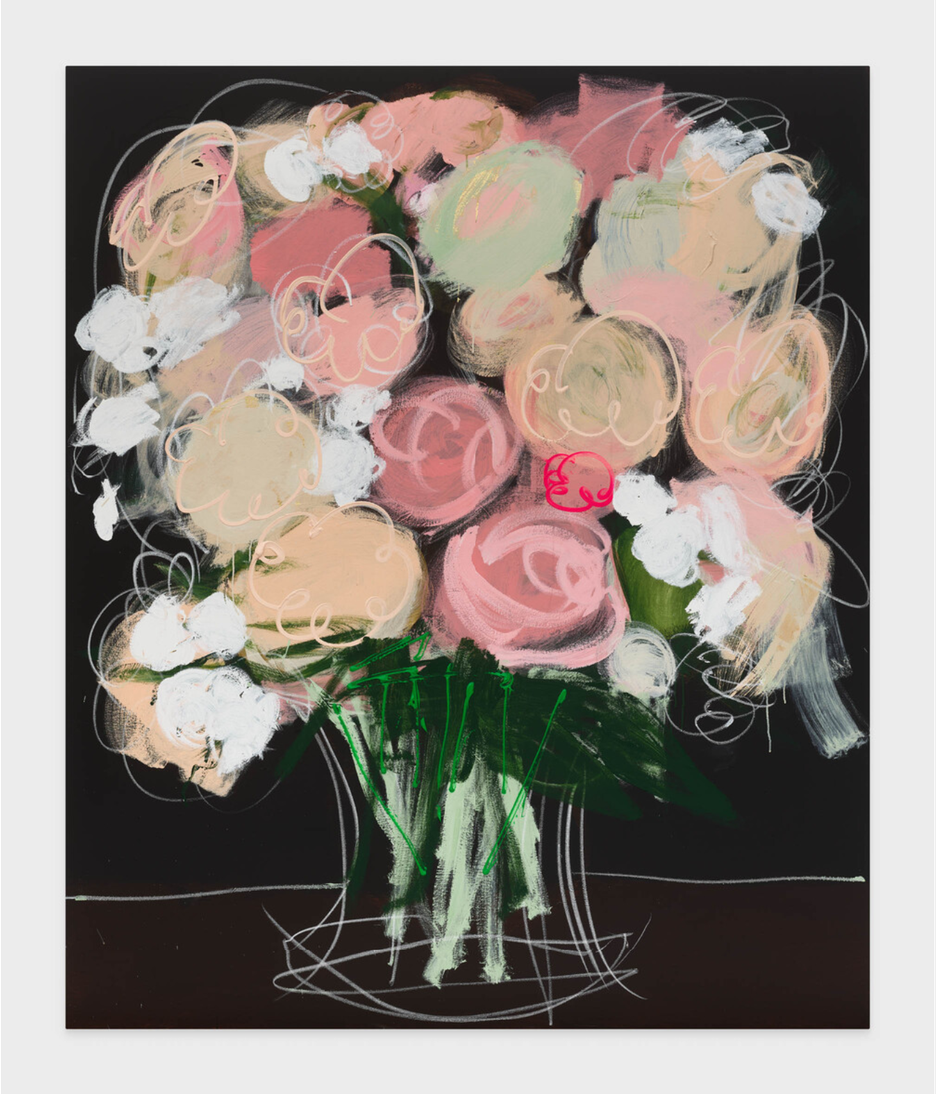
Gold, for Sheppard, isn’t a signal. It’s material history. Rare because it’s been recycled for thousands of years. Pulled from the earth. Carried forward. That thinking mirrors his paintings, where gold leaf catches light not as decoration, but as presence. The same instinct draws him to quiet dress watches like his Patek Philippe Calatrava. Objects that don’t announce themselves. Objects that reward attention.
What he values most isn’t market performance. It’s continuity. A 1983 Rolex that still runs perfectly. A Universal Genève tied to his grandmother’s birth year. A Vacheron Constantin from the golden era, small by modern standards, but intentional. Less surface. More thought. Smaller things, he says, require more care.
Sheppard jokes that he got into watches because he was running out of time. The truth is more deliberate. Mechanical watches, like paintings, are rituals. You wind them. You maintain them. You live alongside them. And when they outlast you, they carry something forward.
They don’t announce time. They hold it.