This Is Not a Hotel (It’s Better)
At a moment when travel feels increasingly transactional, the most compelling places to stay aren’t trying to impress you on arrival. They’re trying to linger.
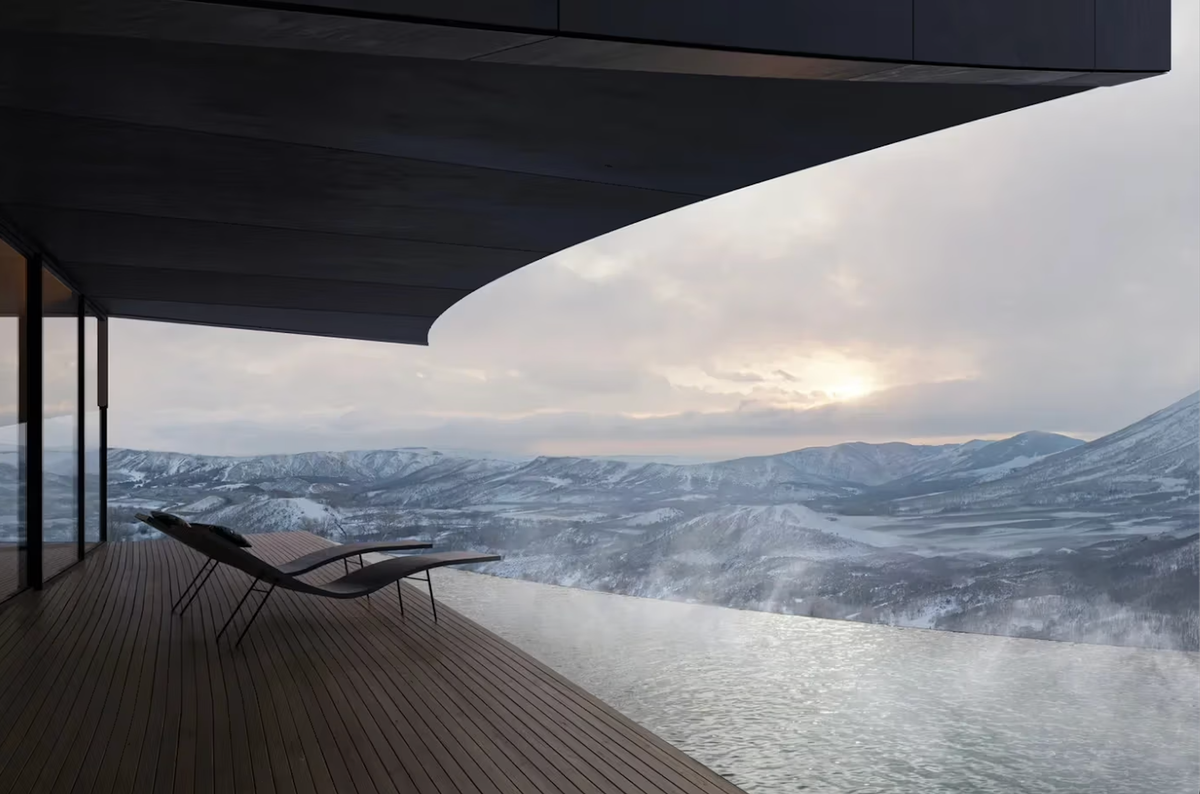
That’s the quiet logic behind NOT A HOTEL, a Japanese hospitality company that has spent the past few years building architect-designed homes in unlikely places, then rethinking how people actually inhabit them. The brand first gained attention through its fractional-ownership model, but the idea has always been bigger than access or flexibility. The homes are designed less as destinations than as temporary lives. Places you return to, rather than pass through.
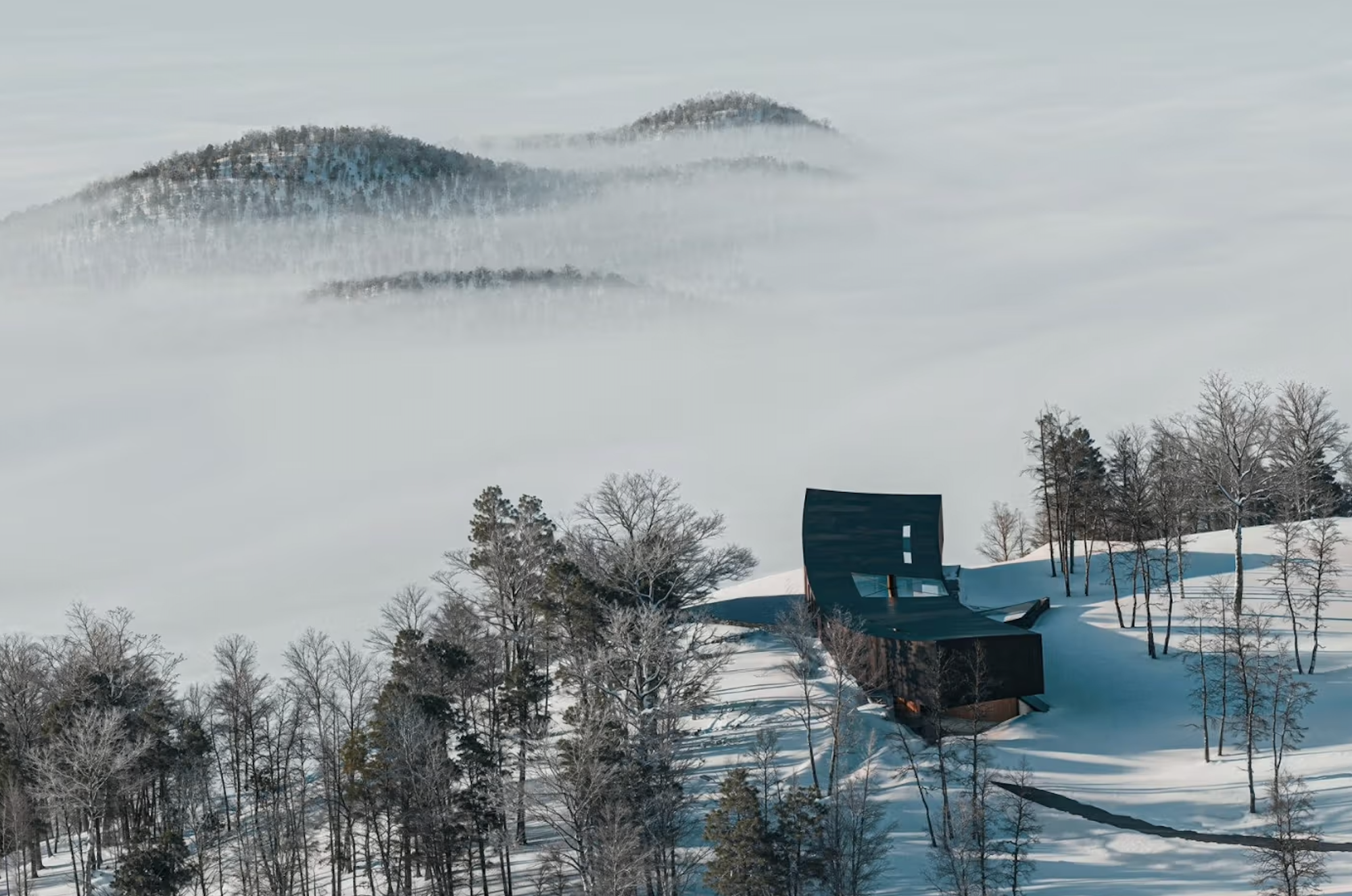
Now, NOT A HOTEL is expanding that worldview in a new direction. With the launch of two hotel concepts, HERITAGE and vertex, the company is opening its doors to a wider audience without diluting what made it compelling in the first place.
HERITAGE begins in Kyoto, where NOT A HOTEL is renovating a former temple lodging at the UNESCO-listed Tō-ji Temple. The move feels deliberately restrained. Rather than recreating tradition or packaging history as an experience, the project focuses on continuity: preserving architectural rhythm, material memory, and the slower tempo that already exists there. The result isn’t nostalgia. It’s a living structure allowed to age with intention.
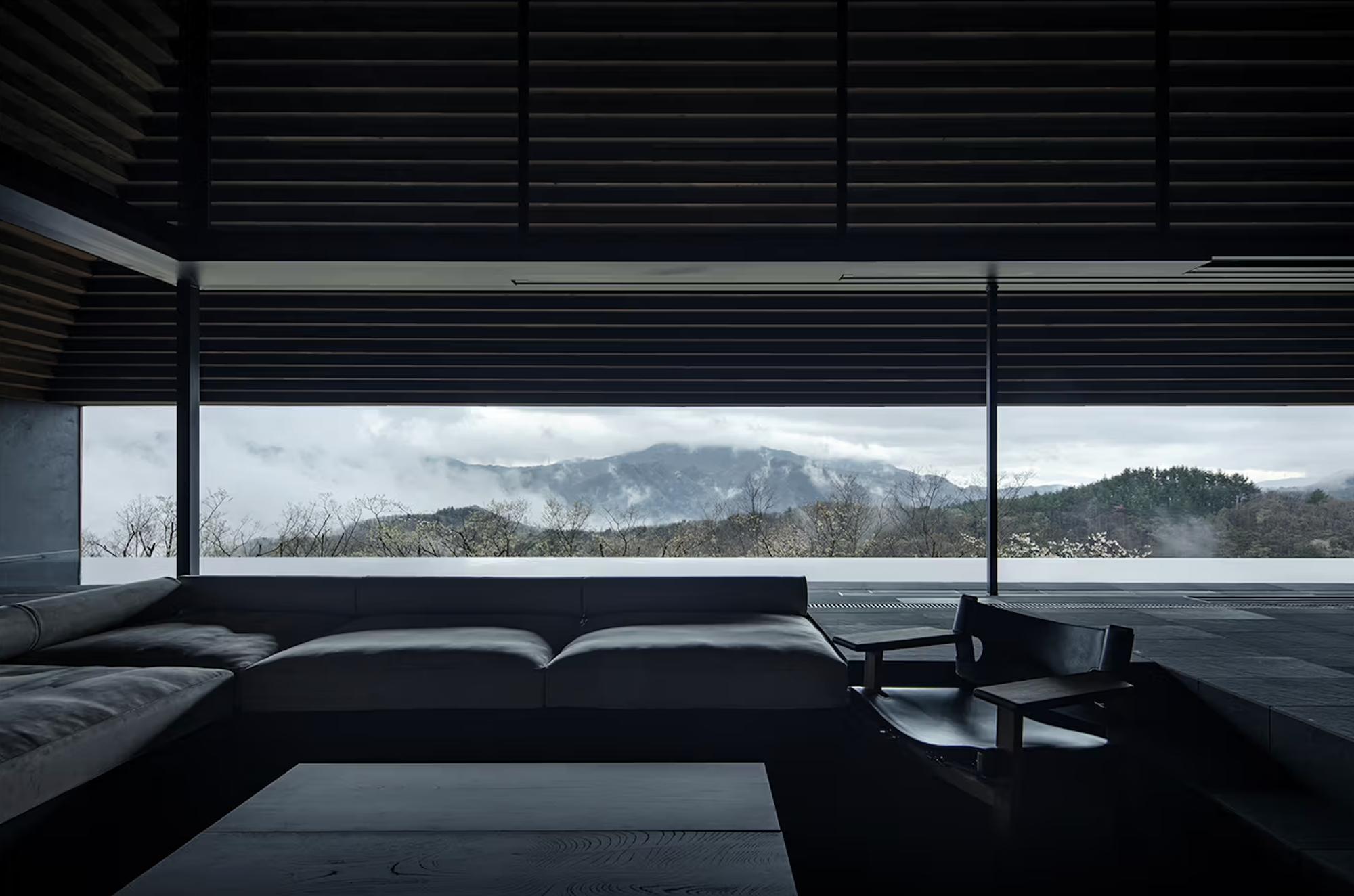
Vertex sits at the opposite edge of the spectrum. Its inaugural project, designed by Zaha Hadid Architects in Okinawa, is defined by lightness and lift. The building is conceived to float above the landscape, minimizing its footprint while opening the interiors to sweeping ocean views. It’s futuristic without being theatrical, driven by engineering and restraint rather than spectacle. Importantly, it’s also ZHA’s first hotel project in Japan, lending the collaboration a sense of long-term commitment rather than novelty.
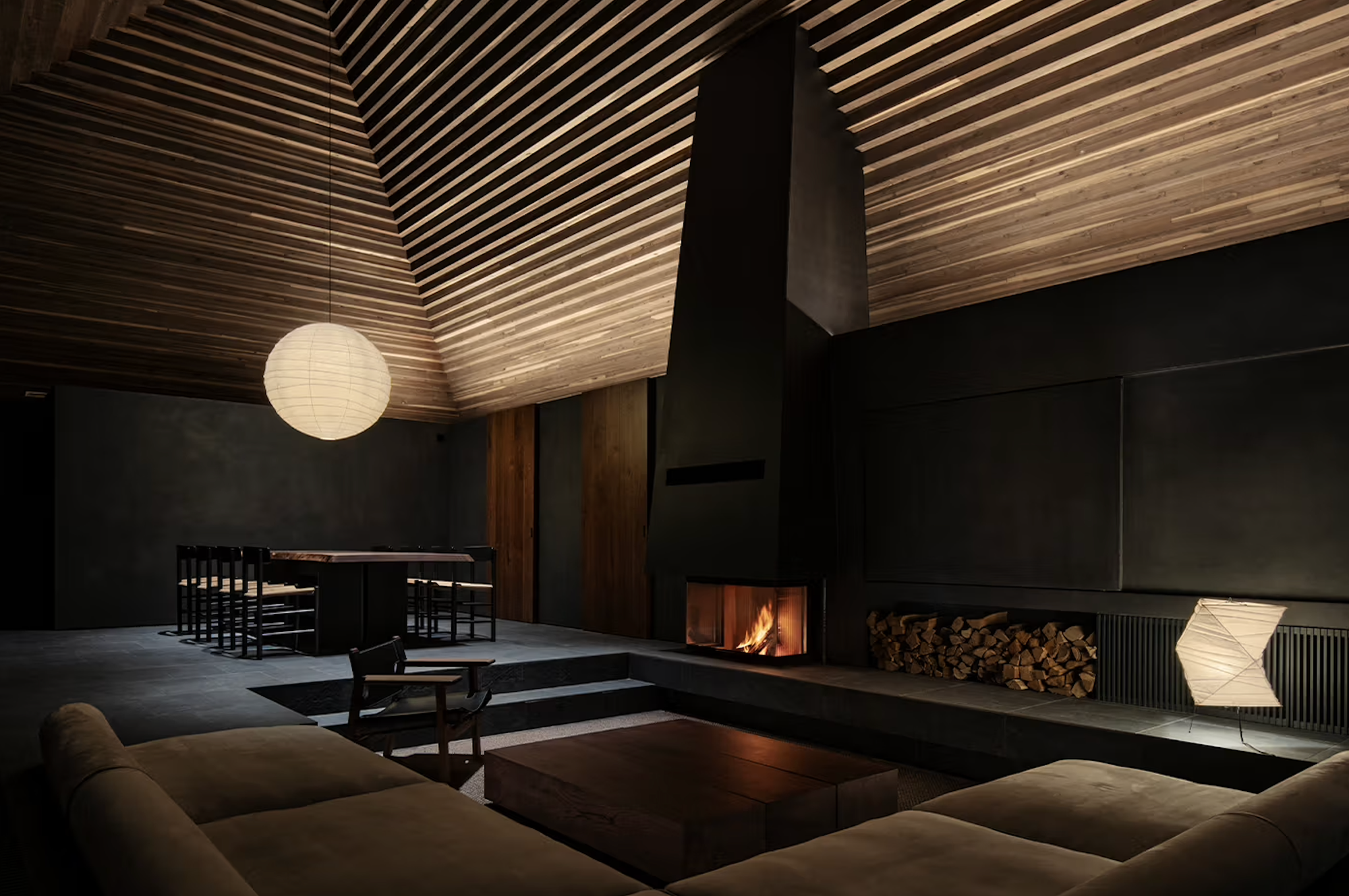
What links these two projects isn’t style, but philosophy. NOT A HOTEL doesn’t chase sameness or scalability. Each property is treated as a singular response to place, entrusted to architects known for working slowly and thinking deeply. Sou Fujimoto’s circular villa on Ishigaki Island, Atelier Jean Nouvel’s rock-and-glass meditation in Yakushima, and now these new hotel concepts all share a belief that architecture matters most when it recedes just enough to let time, weather, and daily life take over.
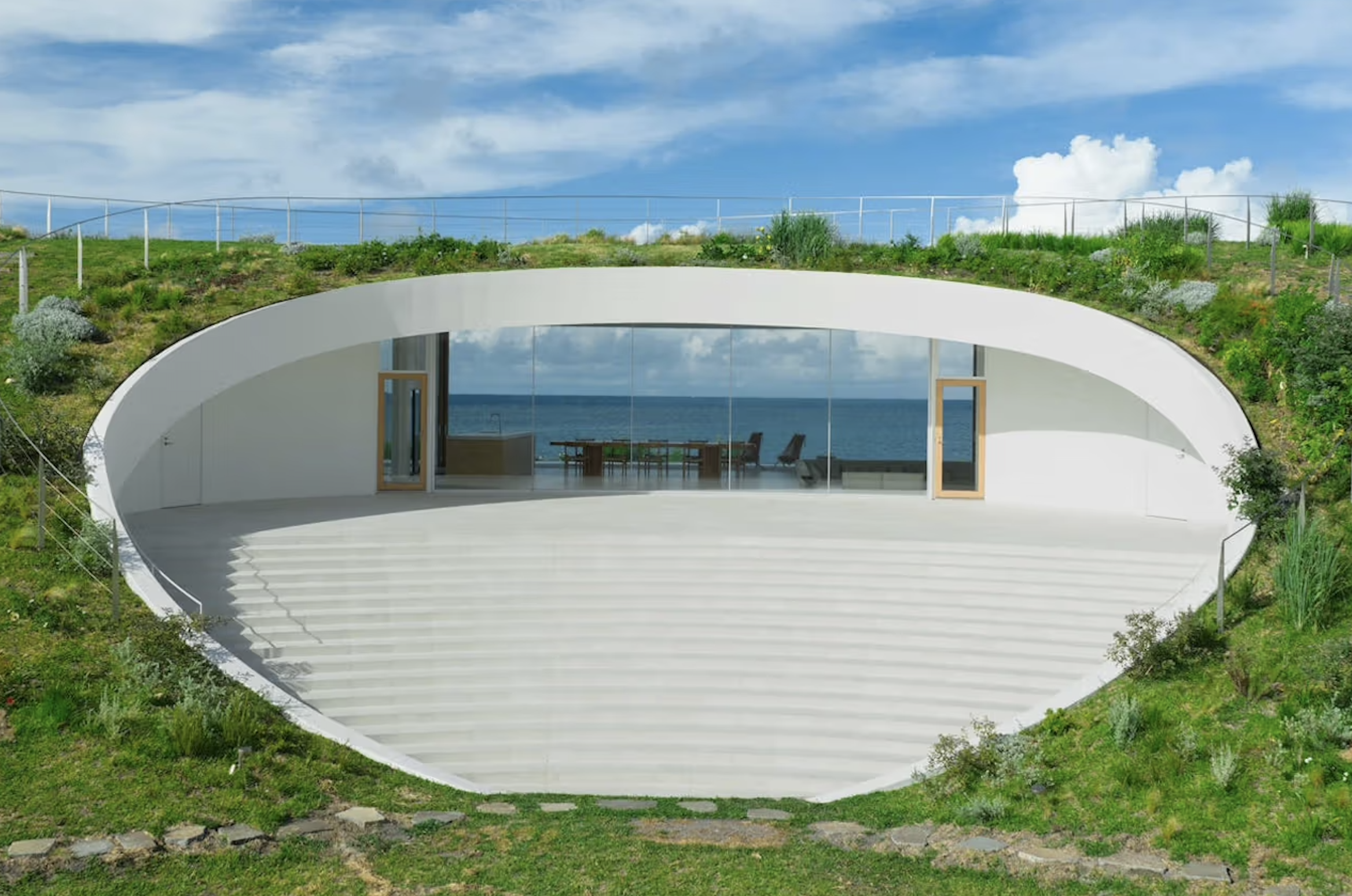
That thinking extends beyond buildings. NOT A HOTEL has positioned itself closer to culture than hospitality, collaborating with figures like NIGO and Pharrell Williams not for decoration, but for worldview. JAPA VALLEY TOKYO, their upcoming urban project, reads less like a development and more like a temporary ecosystem, folding art, retail, and food into everyday movement through the city.
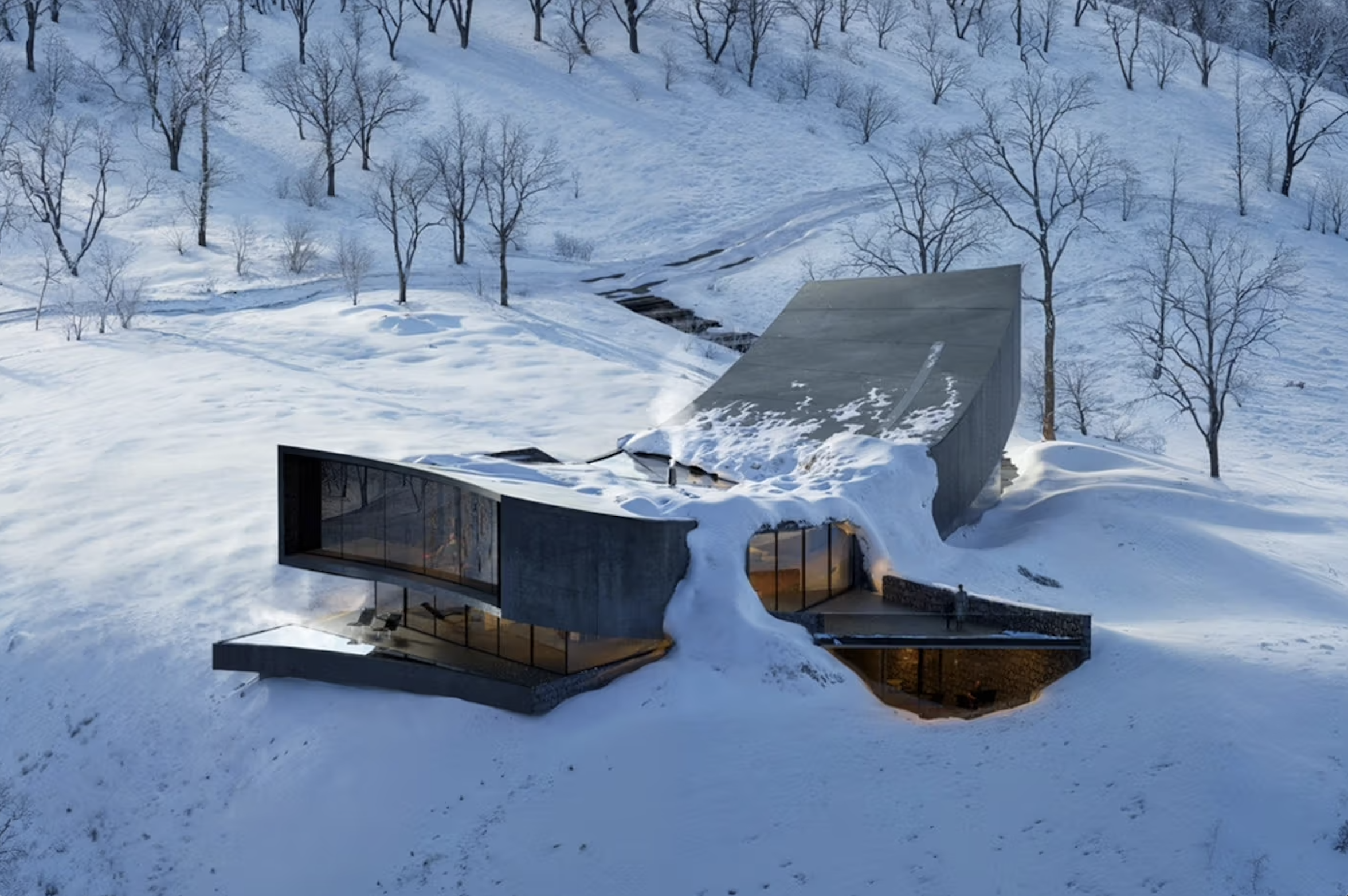
Taken together, the appeal becomes clear. As luxury shifts away from objects and toward experiences that can’t be replicated or resold, places like NOT A HOTEL offer something increasingly rare: time that feels personal, unprogrammed, and genuinely hard to copy. You don’t just stay here. You return. You notice changes. You remember how it felt.
In that sense, calling it a hotel misses the point. NOT A HOTEL isn’t trying to replace hospitality. It’s quietly suggesting that the word itself may no longer be enough.